
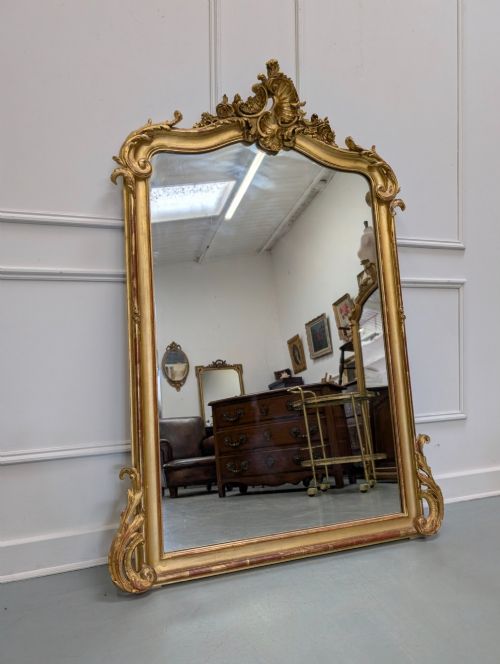
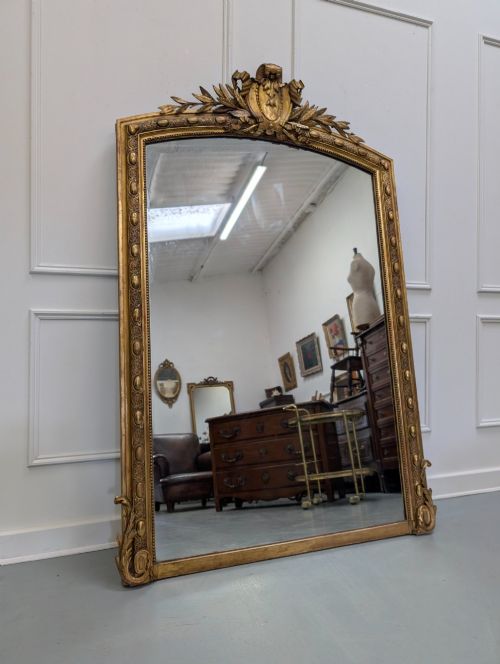
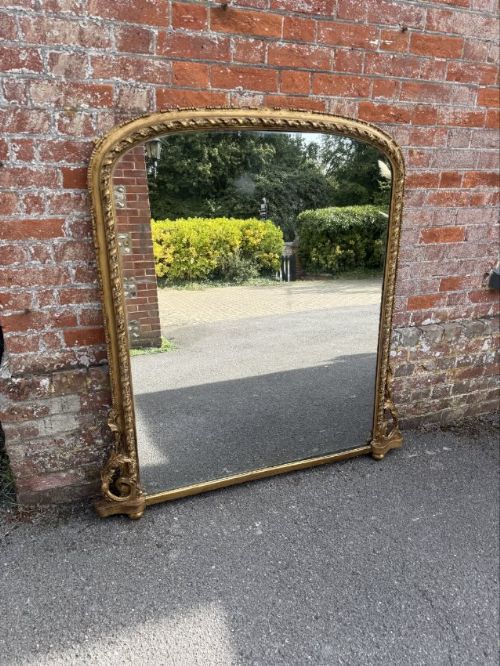
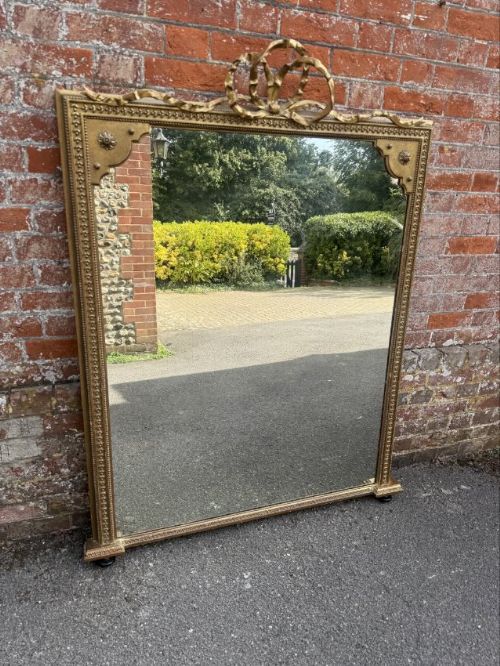
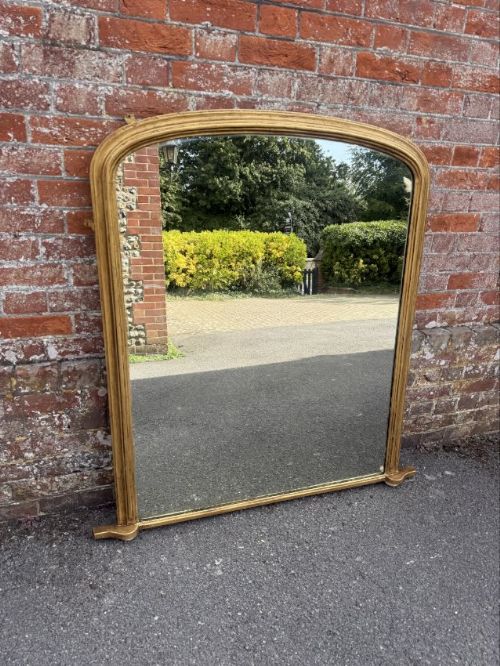
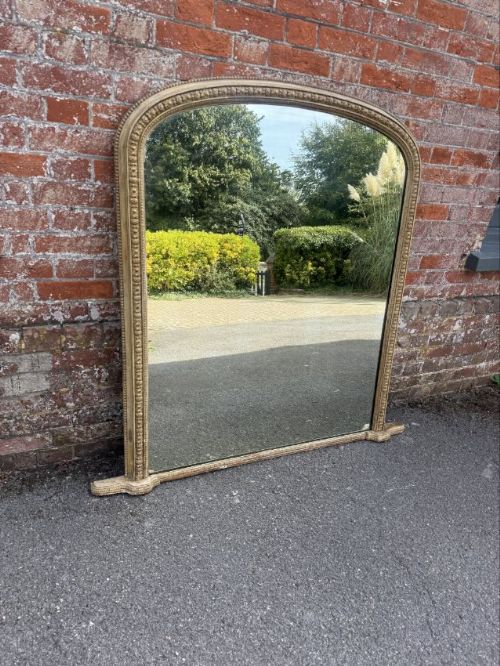
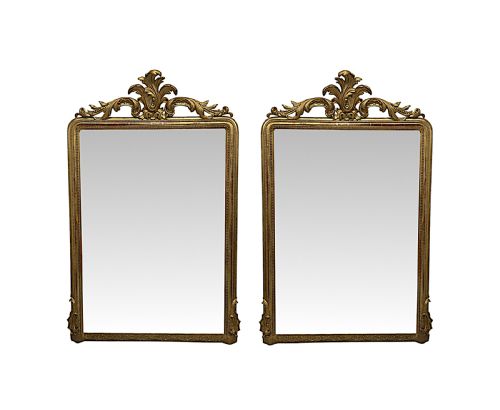
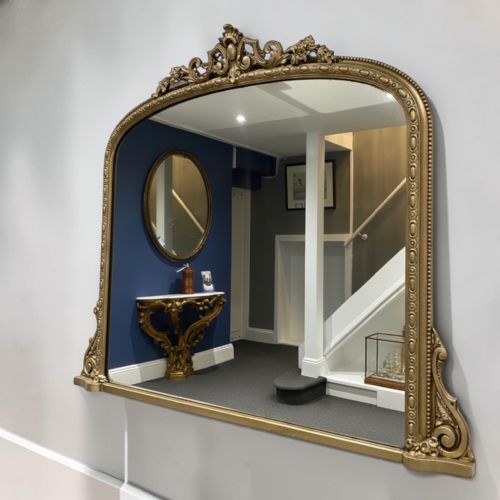

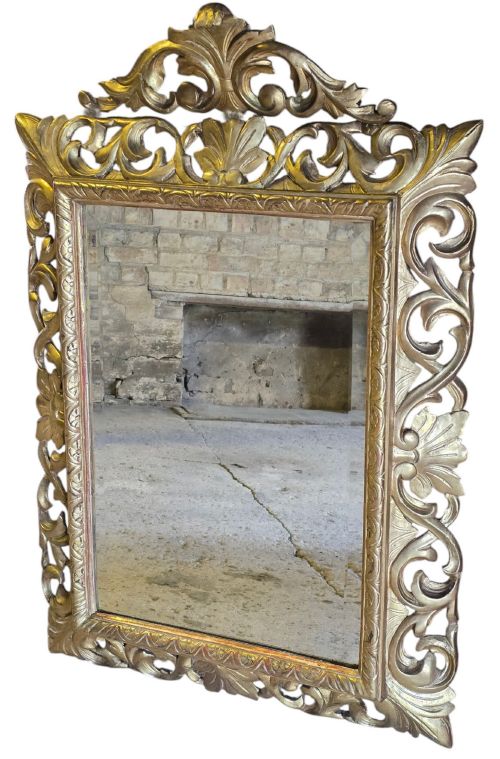
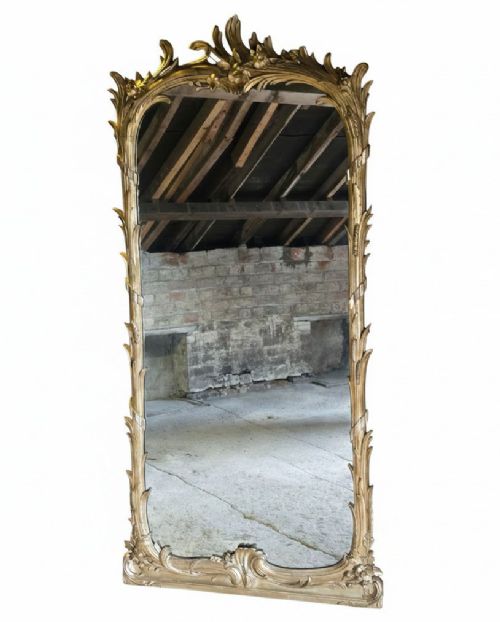
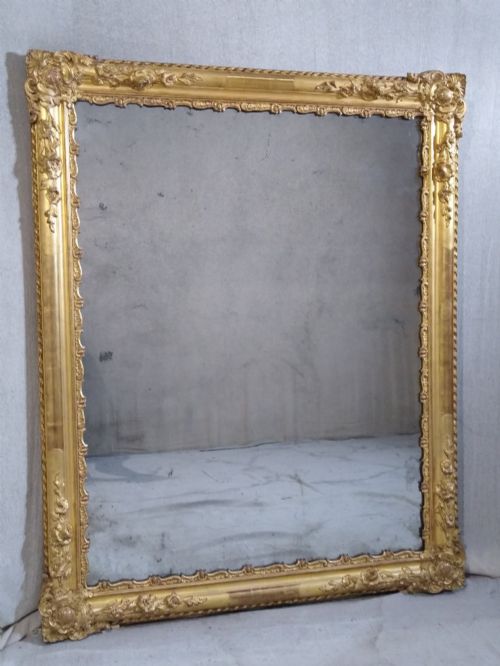
Victorian Gold Overmantel Mirror
A victorian gold overmantel mirror brings grand scale and reflected light to a room, designed originally to sit above a fireplace hearth.
Victorian Gold Overmantel Mirror
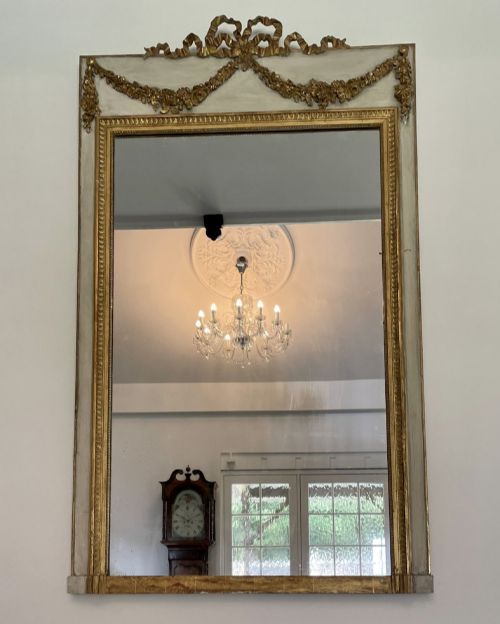
A victorian gold overmantel mirror typically spans a substantial width, built to anchor the chimney breast in a nineteenth-century drawing room or parlour. These plates command attention through their impressive height and generous proportions, often reaching over a metre tall.
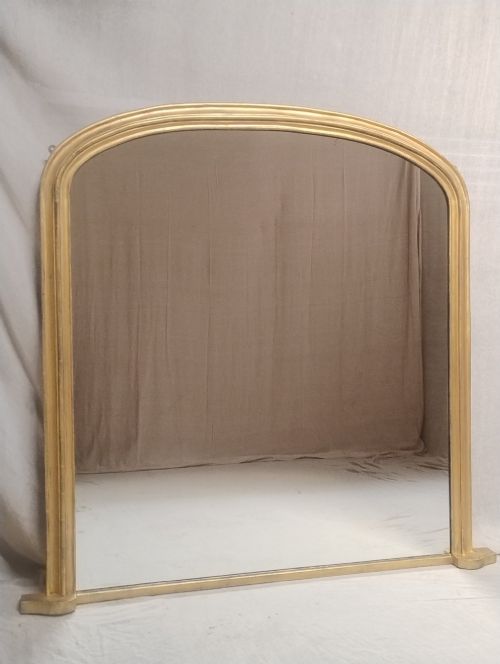
The versions met most frequently on this page date from the middle to the late nineteenth century, encompassing English and French origins. Makers constructed these frames with arched, shaped, or rectangular tops intended to complement interior architectural heights.
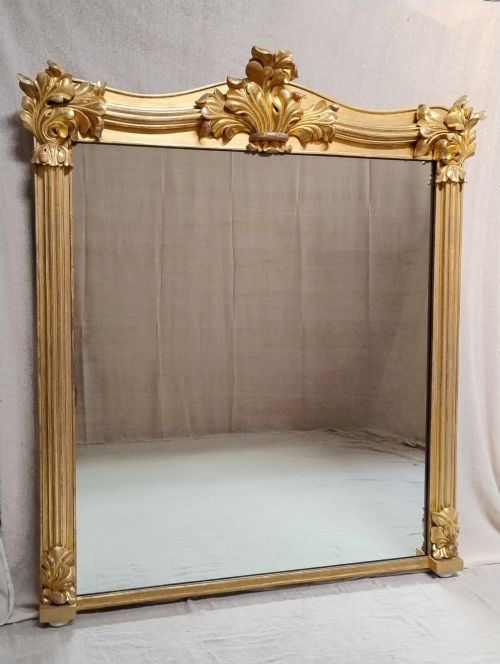
Many examples incorporate elaborate cresting, scrolling foliage, or classical columns. The form serves both a practical function of brightening darker spaces and a decorative role as a major architectural statement.
Materials and Construction
Carved wood and gesso form the foundational structure for the majority of these gilt frames. Artisans applied layers of gesso over timber bases to build up relief ornamentation such as acanthus leaves, rope twists, and ornate scrolling details.
Gold leaf or liquid gilding was subsequently applied to the prepared surfaces to create the rich metallic finish. Composition ornament, a mouldable paste pressed into shape, often supplements hand-carved elements on more elaborate mouldings.
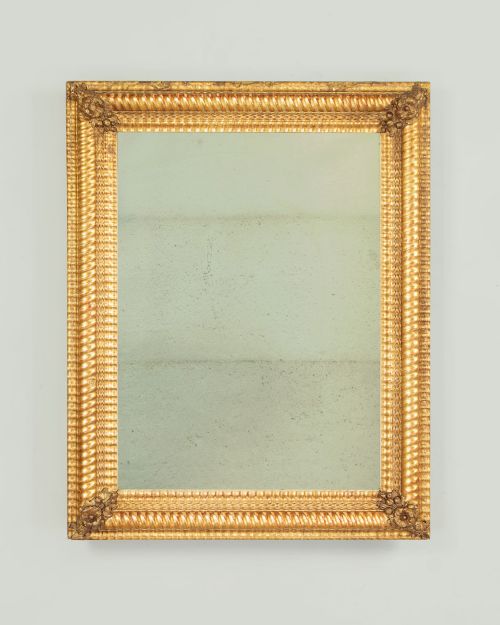
Listings feature nineteenth-century pieces incorporating gesso, carved wood, and mirror glass across arched and rectangular formats.
Assessing Quality
The crispness of the carved or moulded detail distinguishes standard production from finer examples. Deeply undercut carving in the wood and sharp definition in the gesso ornamentation denote superior craftsmanship.
The condition and depth of the gilding layer also separate pieces across the range. Original gold leaf surfaces display a warmer, softer reflection compared to later overpainting or heavy chemical cleaning.
The Victorian Gold Overmantel Mirror Glossary
- Gesso
- A plaster-like mixture applied to wooden frames as a base for gilding. It allows artisans to carve intricate relief decoration.
- Overmantel
- A large mirror specifically proportioned to hang on the wall above a fireplace mantelpiece. These pieces often feature low centres of gravity to sit securely above a hearth.
- Giltwood
- Timber that has been coated with gold leaf or gold paint. The underlying wood provides a sturdy structural core.
- Rococo Revival
- A nineteenth-century design style drawing on eighteenth-century French motifs. It is characterised by asymmetrical curves, C-scrolls, and naturalistic shell or floral elements.
- Pier Glass
- A tall mirror designed to hang on the wall space between two windows. These share similar construction methods with overmantels.
Victorian Gold Overmantel Mirror: Frequently Asked Questions
Where should I hang an overmantel mirror?
These mirrors traditionally sit directly above a fireplace mantelpiece, echoing the width of the hearth below. Securing them properly to a solid wall is essential due to their considerable weight.
Placing them opposite a window also helps maximise natural light in smaller or darker reception rooms.
How do I clean a gilt frame?
Dusting gently with a soft, dry brush is the safest method for historic gilded surfaces. Moisture and modern chemical cleaners can damage fragile gesso and strip away original gold leaf.
Professional restoration is recommended if the gilt layer begins to flake or separate from the wood base.
Are these mirrors heavy?
Solid wood construction combined with thick glass plates makes these pieces exceptionally heavy. Professional installation using appropriate wall anchors and brackets is strongly advised.
Checking the structural integrity of the frame backing ensures the weight distributes evenly when hung.
Can these mirrors stand on the floor?
Certain large formats function as leaner mirrors, resting directly on the floor while leaning against a wall. This positioning creates a dramatic full-length reflection in bedrooms or hallways.
Securing the top of the frame to the wall prevents tipping when placed in a floor-standing configuration.