

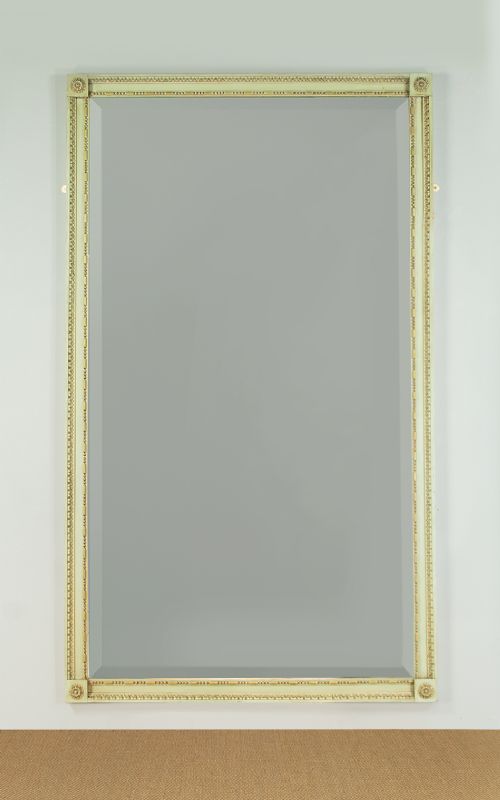
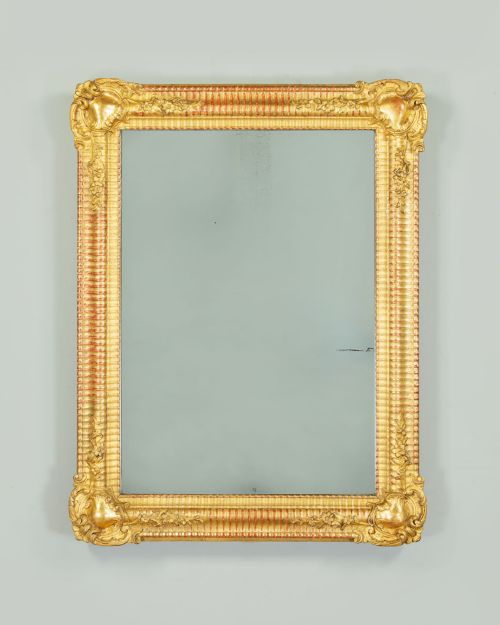
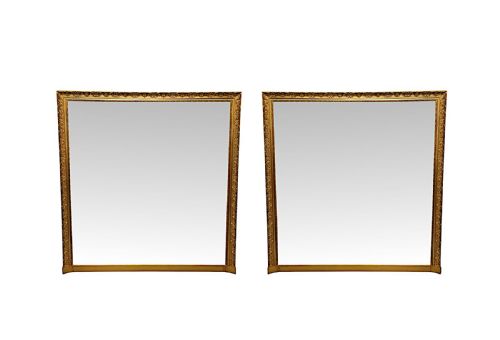
Gilt Wooden Wall Mirror
A gilt wooden wall mirror brings warmth and reflected light to a room, catching the eye with carved detail and gleaming leaf.
Gilt Wooden Wall Mirror
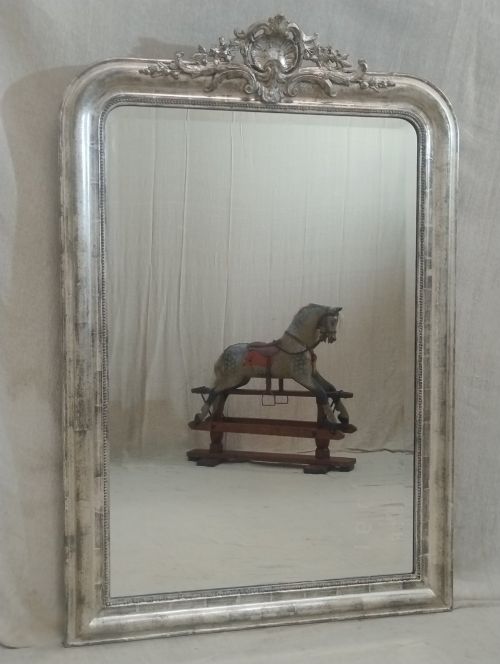
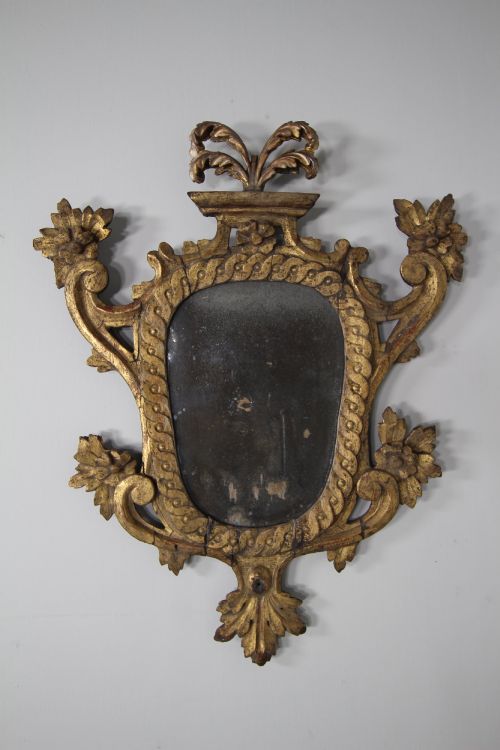
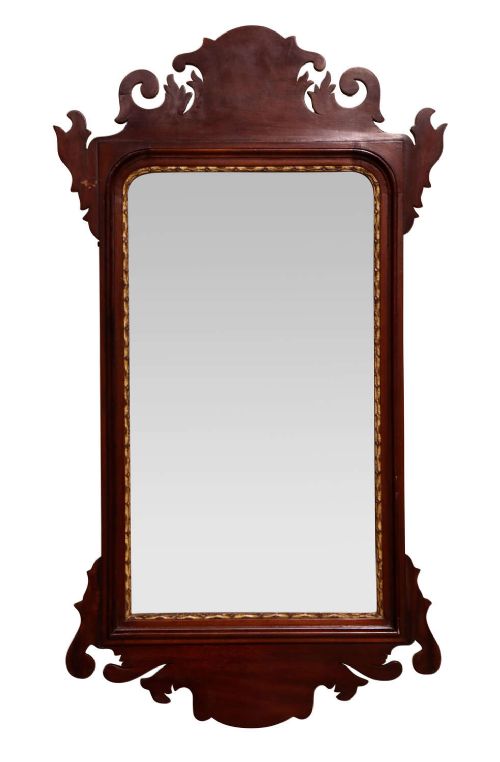
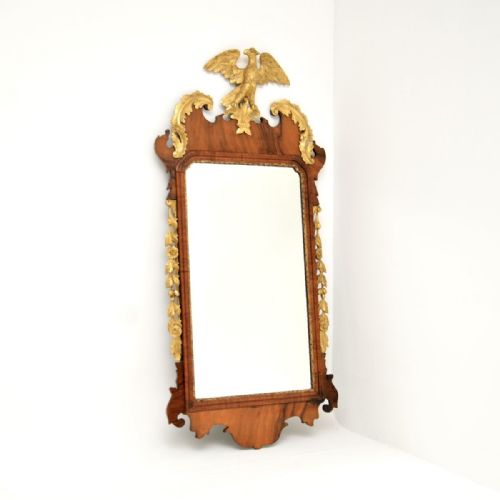
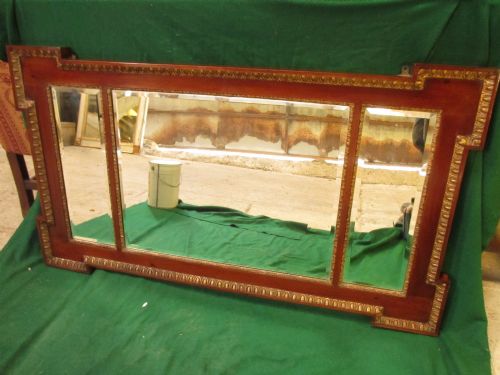
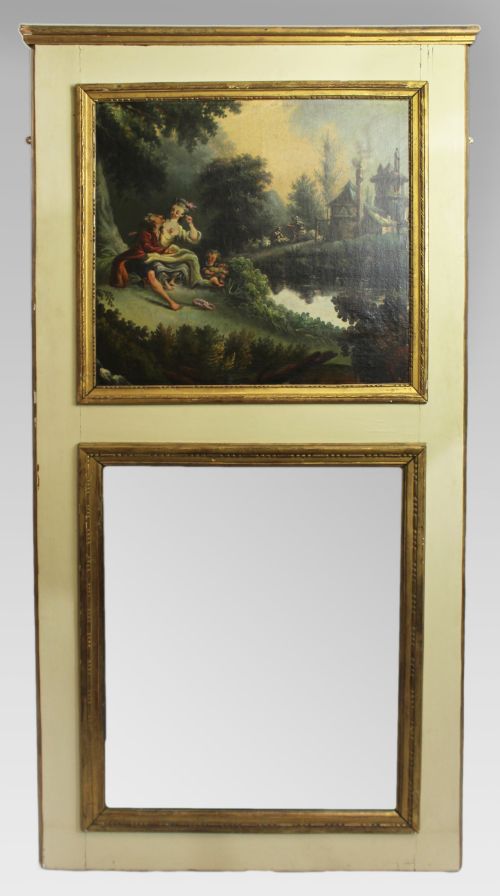
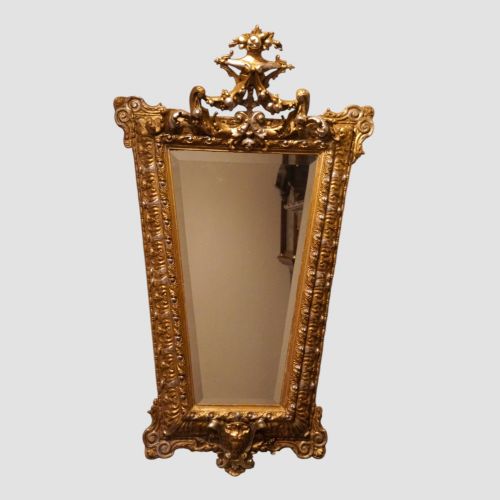
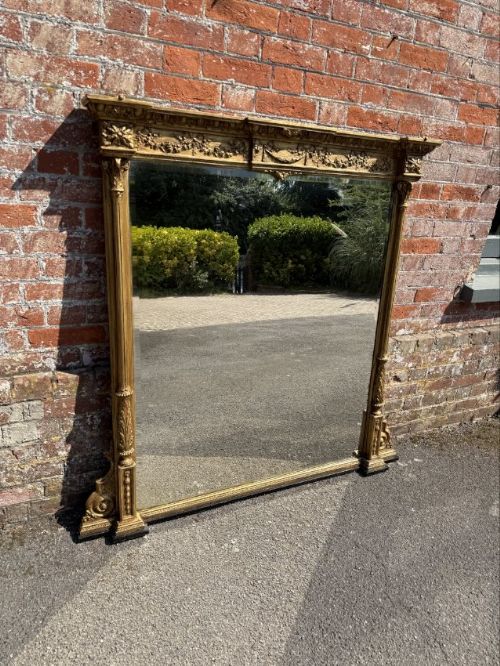
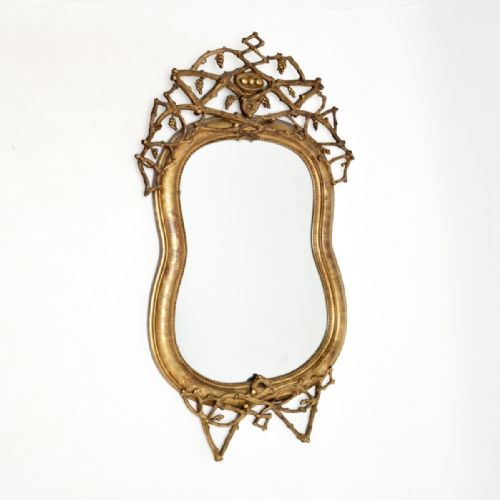
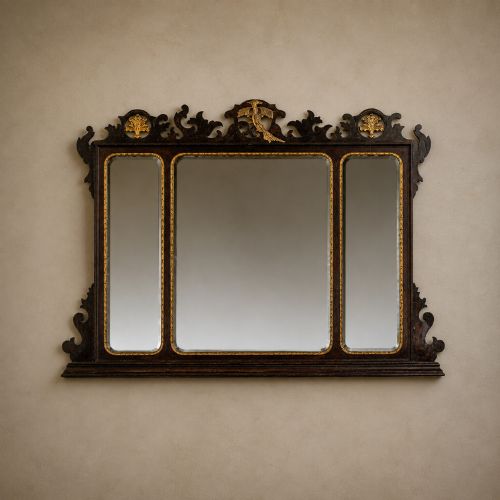
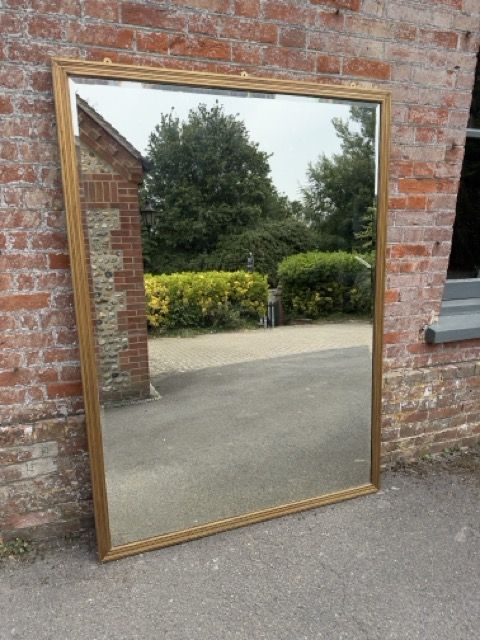
When you search for a gilt wooden wall mirror, you encounter everything from compact Georgian fretwork pieces to large Victorian overmantels and tall French trumeau frames. The selection spans the eighteenth, nineteenth, and early twentieth centuries, drawing on styles such as Chippendale, Regency, Rococo, and Neoclassical.
The most frequent examples on this page are nineteenth-century English and French designs, often combining carved wood with gesso or mahogany bases. Overmantels and wall mirrors dominate the selection, alongside occasional picture frames and architectural trumeau panels featuring painted scenes.
Makers and workshops across England, Italy, and France produced these pieces using native and imported timbers like walnut, mahogany, and sycamore. Whether intended for a grand chimney breast or a modest hall, each item relies on reflective glass paired with gilded wooden surrounds.
Materials and construction
Makers constructed the foundational frames from solid woods such as mahogany, walnut, oak, and sycamore, often shaping them through fretwork or carving. Carved details and applied ornaments required durable substrates capable of holding intricate botanical and mythological motifs.
Gesso, a mixture of plaster and size, was layered over the timber base to provide a smooth, responsive surface for fine carving and gilding. Artisans applied thin sheets of gold leaf or silver-gilt onto the prepared gesso, burnishing the metal to achieve a luminous finish.
Materials recorded across the inventory include gesso, walnut, mahogany, and gold leaf applied to wood.
What separates the finest examples
The sophistication of the carved ornamentation dictates much of the distinction between pieces, where fluid rococo scrolls or crisp fretwork denote skilled hand-carving rather than mass-produced uniformity. Depth of relief and the precision of architectural mouldings show the hand of a confident artisan.
The treatment of the gilded surface also distinguishes the work, as burnished gold leaf reflects light differently than flat painted or metallic finishes. Original mirror plates with appropriate foxing and age add authenticity compared to modern replacements.
The Gilt Wooden Wall Mirror Glossary
- Giltwood
- Timber coated with gold leaf or metal leaf applied over a prepared ground. This technique protects the underlying wood while imparting a bright metallic sheen.
- Gesso
- A plaster-based paste applied to wood frames to create a smooth surface for carving and gilding. It allows artisans to shape sharp decorative details before applying metal leaf.
- Trumeau
- An architectural mirror panel paired with an oil painting or carved panel above the glass. Originating in French interiors, these tall vertical pieces sat between windows or above mantelpieces.
- Fretwork
- Openwork patterns cut into thin boards using a scroll saw or fretsaw. This technique defined the delicate borders of eighteenth and nineteenth-century wall mirrors.
- Overmantel mirror
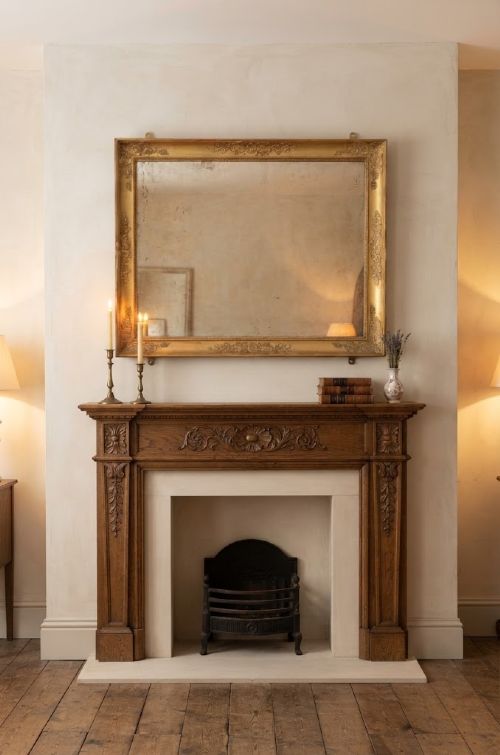
- A wide mirror designed specifically to hang above a fireplace mantel. These substantial pieces frequently anchor the decorative scheme of a period room.
Gilt Wooden Wall Mirror: Frequently Asked Questions
How do I hang a heavy overmantel mirror safely?
Heavy carved wood and gesso frames require secure wall anchors fixed directly into masonry or substantial timber studs. Weight distribution should be supported by appropriate brackets rather than a single central hook.
Professional installation is recommended for large nineteenth-century pieces to ensure the frame remains stable against the wall surface.
Are antique mirror plates always original?
Many mirrors retain their original glass, which often exhibits characteristic foxing, light oxidation, and minor surface distortion. These age marks confirm the period of the piece.
Some mirrors received replacement glass during their history, which alters the reflective quality but does not diminish the decorative value of the surrounding carved frame.
How should I clean a gilded wooden frame?
Dust the carved details gently with a soft, dry brush to prevent accumulation in the recesses of the gesso. Moisture and chemical cleaning agents can damage delicate gold leaf and aged wood.
Keep the mirror away from direct sunlight and damp environments to protect the integrity of both the gilding and the wooden substrate.
What is the difference between an 18th-century and a revival mirror?
Eighteenth-century mirrors reflect the structural practices and aesthetic preferences of Georgian craftsmen, often utilising native timbers and hand-cut fretwork. Revival pieces, such as those made during the late nineteenth century, consciously imitate these earlier styles.
Examining the construction methods, secondary woods, and tool marks helps determine whether a piece dates to the original period or a later revival.