

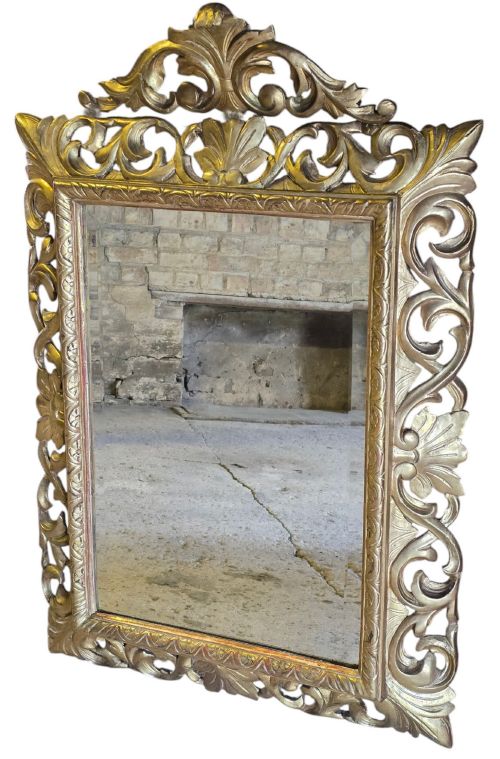
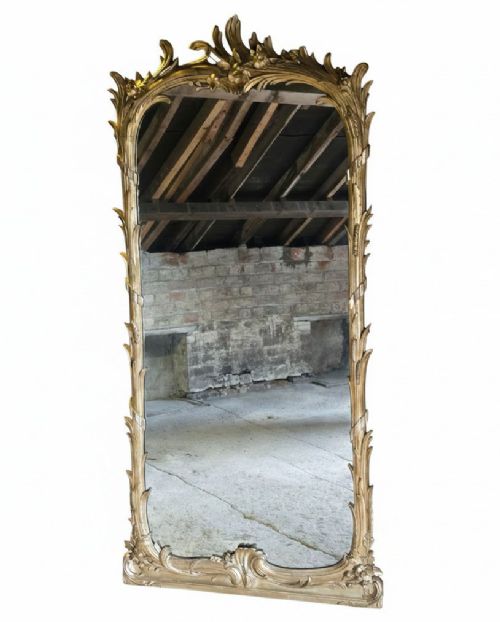
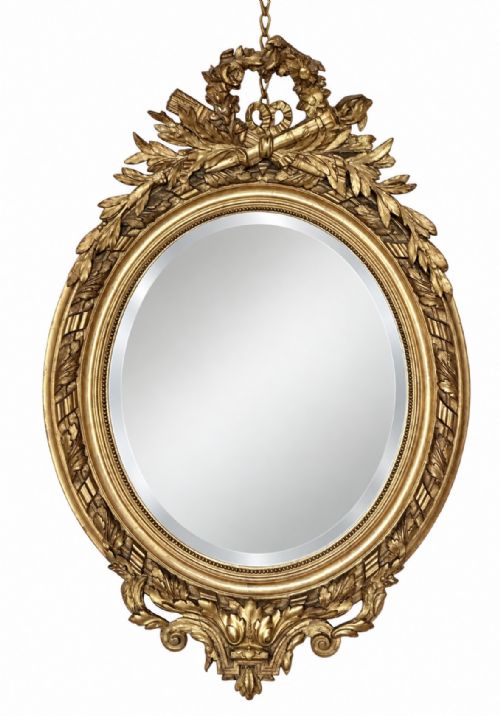
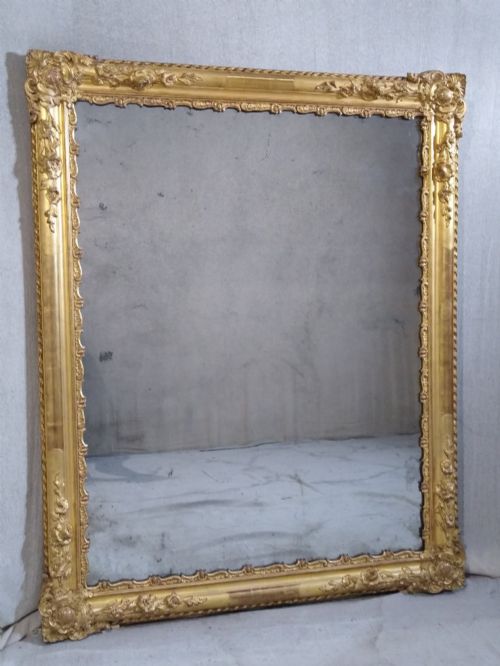
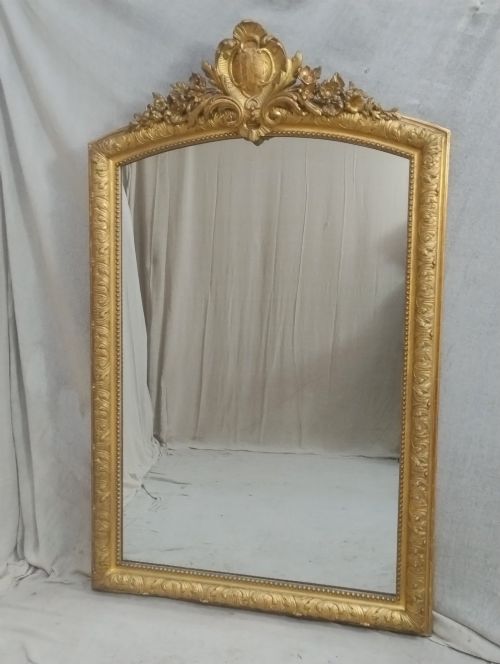
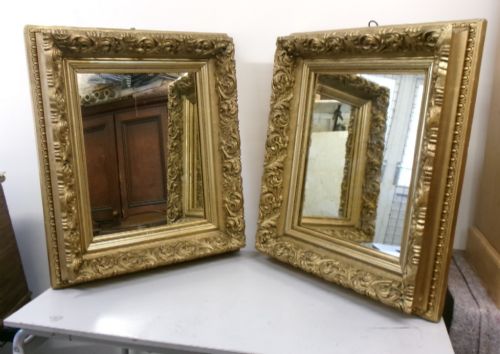

Gilt Overmantel Wall Mirror
A gilt overmantel wall mirror brings scale, reflected light and architectural presence to a room, anchoring a chimney breast or large wall.
Gilt Overmantel Wall Mirror
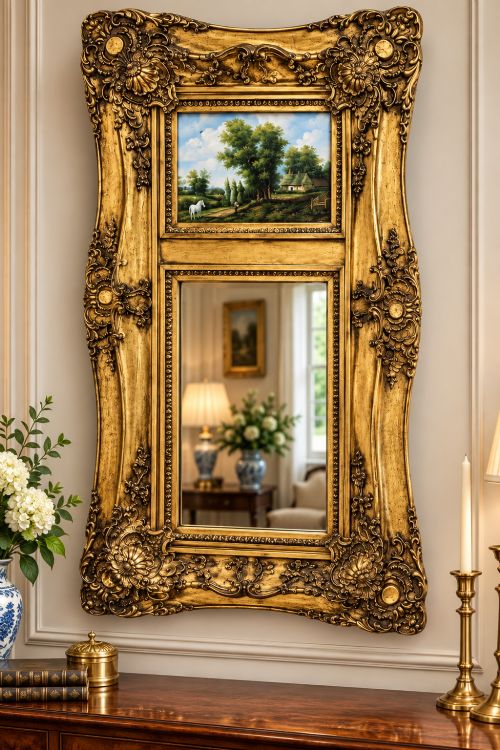
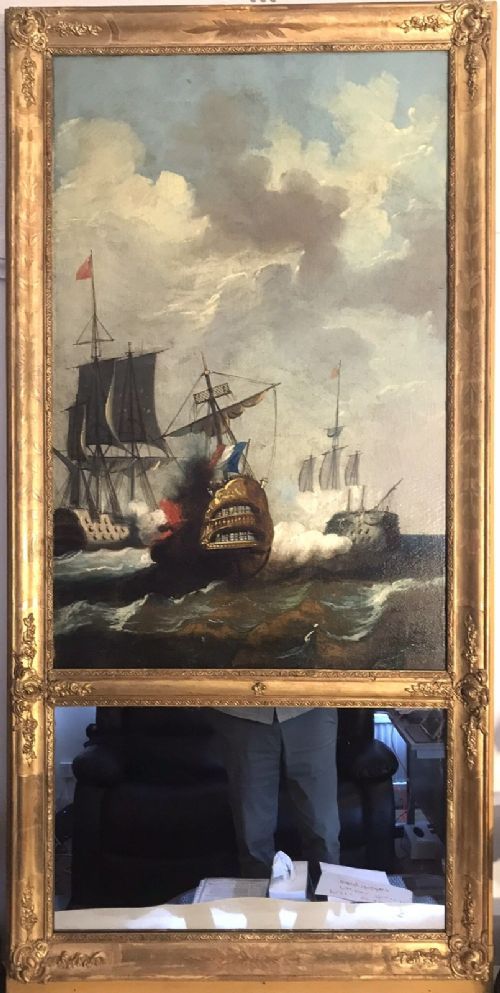
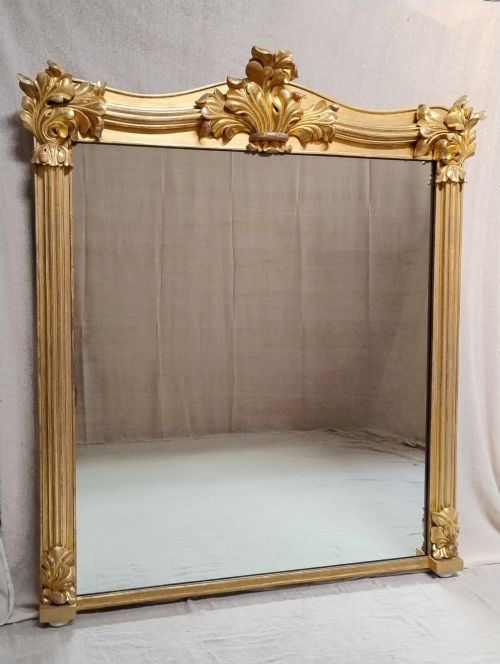
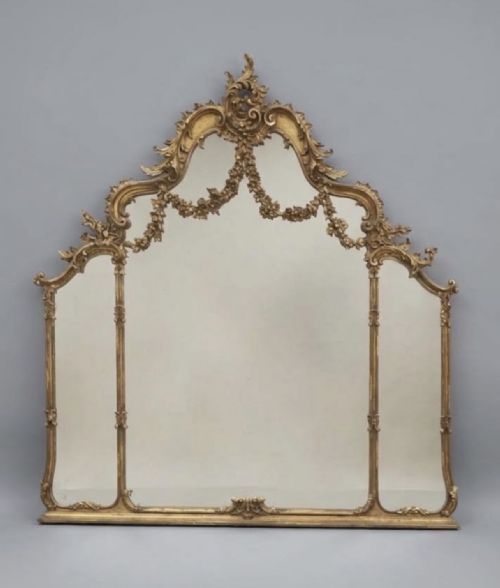
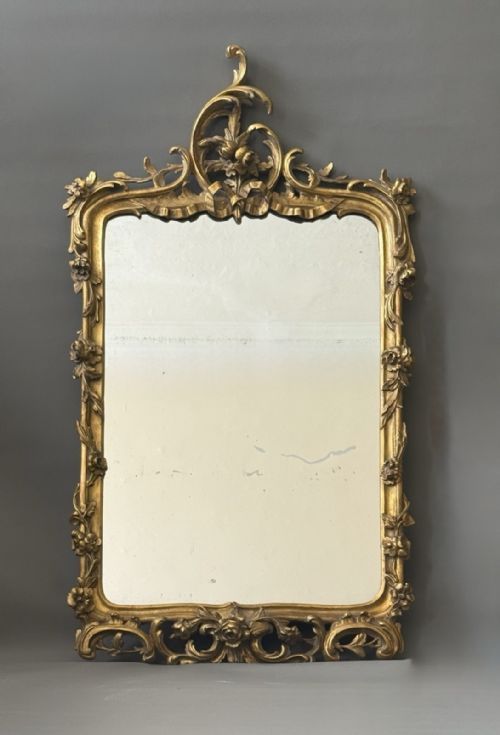
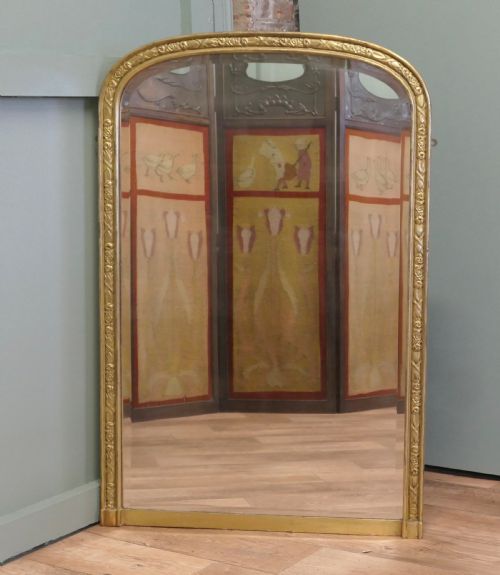
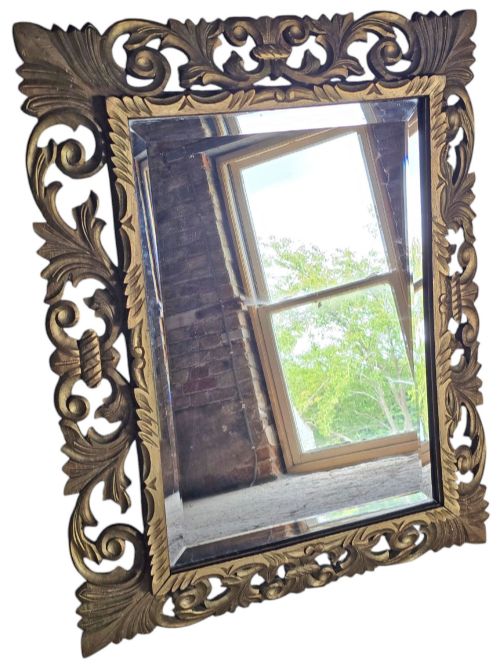
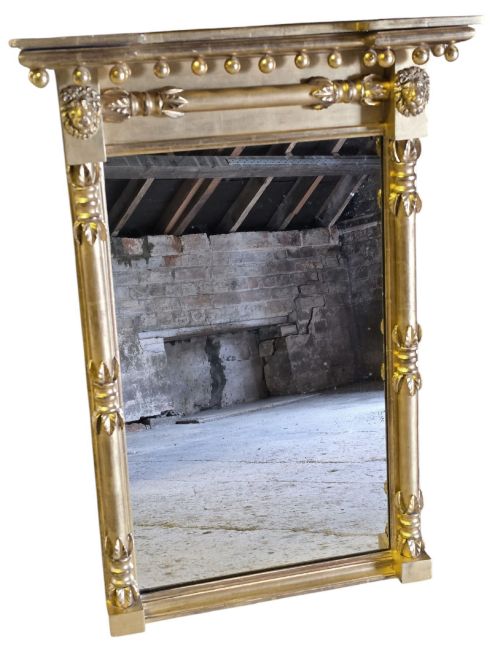
A gilt overmantel wall mirror is a grand reflective furnishing designed historically to hang above a fireplace mantelpiece. The pieces gathered here range across the Georgian, Regency, and Victorian periods, alongside continental French Louis Philippe and Rococo Revival examples.
Most items on this page are substantial nineteenth-century works intended to draw the eye upwards and brighten dark interiors. Buyers encounter arched tops, rectangular landscape proportions, and decorative frames finished in shining gold.
Originating in English and French workshops, these designs serve both utilitarian and decorative purposes in domestic interiors. They survive in various formats, from simple moulded frames to heavily carved statement pieces.
How They Were Made
Makers constructed the structural frames using seasoned timber such as wood, applying layers of gesso to build up intricate surface relief. Artisans then laid gold leaf or used gilding techniques over the prepared grounds to achieve a brilliant metallic sheen.
Mirror glass plates were traditionally silvered using mercury techniques in earlier centuries before transitioning to modern silvering methods. Carved wooden elements and composition ornaments were pinned and glued directly to the main framework.
Listings feature eighteenth-century and nineteenth-century pieces spanning Georgian, Regency, and Victorian periods in giltwood, gesso, and wood.
What Varies in Quality
The depth and crispness of the hand-carved wood ornamentation distinguish superior examples from simpler moulded production. Relief work executed directly in timber demonstrates higher craftsmanship than repetitive pressed composition mouldings.
The integrity of the original mercury glass plate, complete with natural foxing and age spots, influences the character of older pieces. Heavy, robust timber construction prevents structural twisting in large formats over time.
S T Townshend Norwich·Nosotti
The Gilt Overmantel Wall Mirror Glossary
- Gesso
- A plaster-like mixture applied to wood frames to create a smooth surface for gilding and carving. It allows artisans to model fine decorative details before applying gold leaf.
- Overmantel
- A large mirror specifically proportioned to hang on the wall directly above a fireplace mantel. These pieces visually balance the hearth below.
- Giltwood
- Timber that has been coated in gold leaf or gold paint to simulate solid gold. It provides a durable and reflective metallic surface.
- Pier glass
- A tall narrow mirror designed to be hung on the pier of wall space between windows. They maximise available daylight in formal reception rooms.
- Foxed glass
- Mirror plates showing natural dark spots, speckling and oxidation caused by age. This chemical breakdown creates a cloudy, atmospheric reflection.
Gilt Overmantel Wall Mirror: Frequently Asked Questions
Can I place these mirrors over a working fireplace?
Historically, overmantel mirrors were designed specifically to sit above operating fireplaces to reflect ambient light. The robust construction handles normal room temperatures.
Excessive direct heat from unmanaged fires can dry out wooden frames and crack gesso over decades. Maintaining adequate clearance above the mantel protects the antique finish.
How do I clean an antique gilt frame?
Dust the carved surfaces gently with a dry, soft-bristled brush to remove surface particles without damaging the delicate gold leaf. Avoid liquid cleaners and chemical sprays entirely.
Moisture can dissolve historic water gilding and soften underlying gesso layers. Professional conservation is necessary if the surface requires deeper cleaning.
What is mercury glass?
Early mirror plates were backed with an amalgam of tin and mercury poured behind the glass. This traditional process yields a distinctive, slightly distorted and atmospheric reflection.
As the backing ages, chemical reactions create characteristic dark spots known as foxing. Modern silvered plates replaced this technique in the later nineteenth century.