


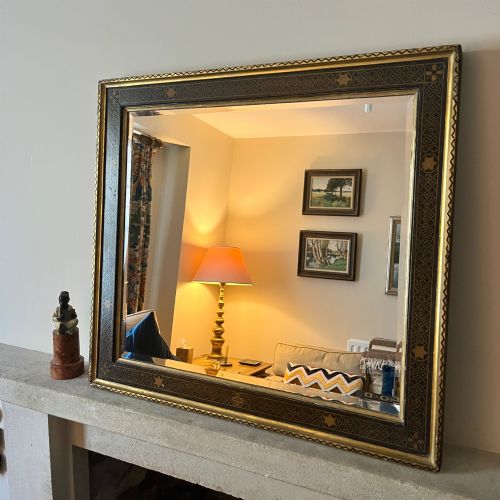

Decorative Gilded Frame Mirror
A decorative gilded frame mirror brings depth and a warm metallic sheen to a room, drawing the eye instantly.
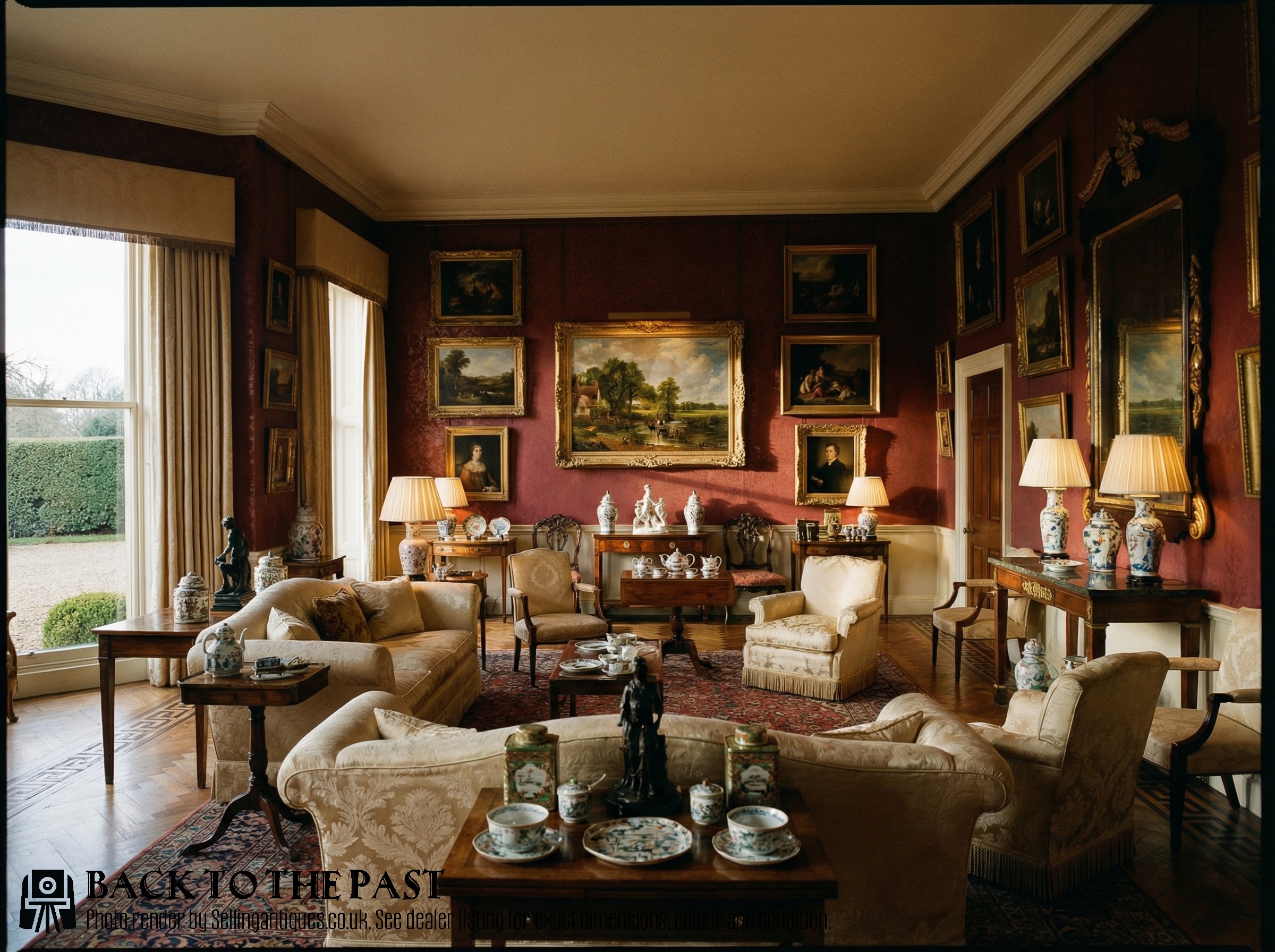
Decorative Gilded Frame Mirror
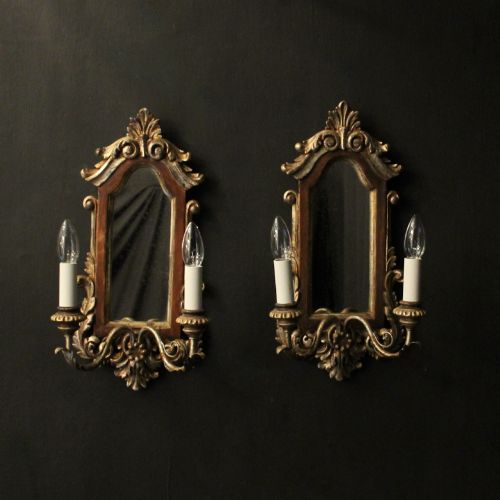
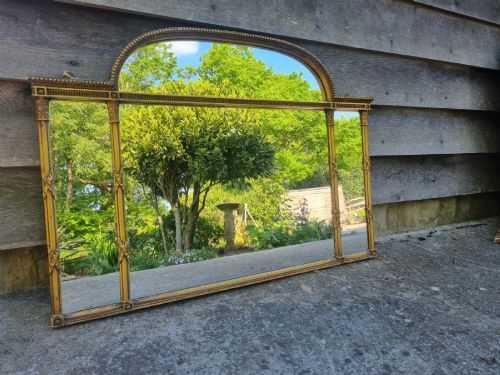
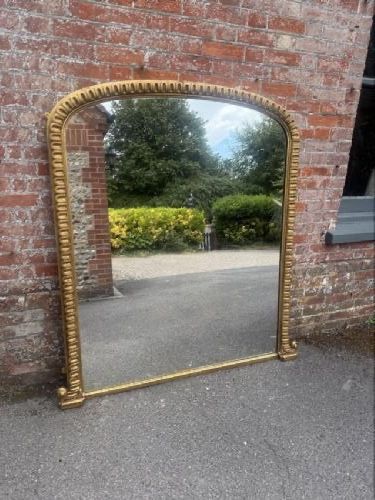
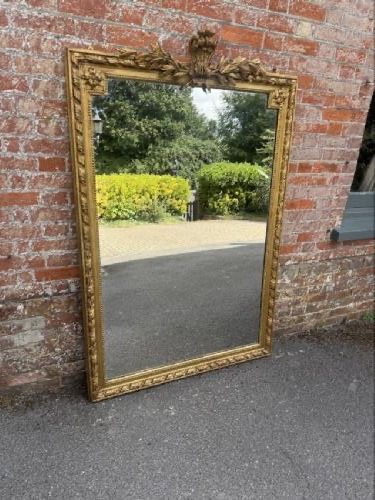
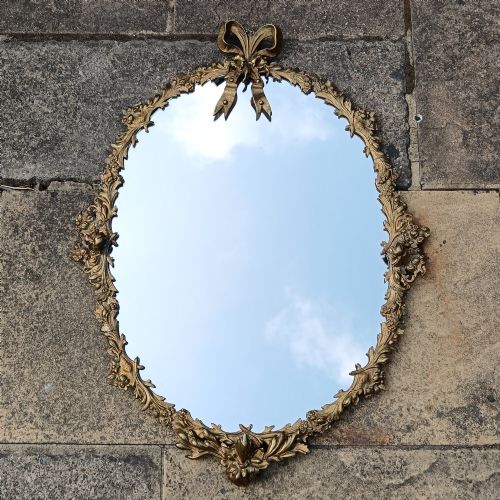
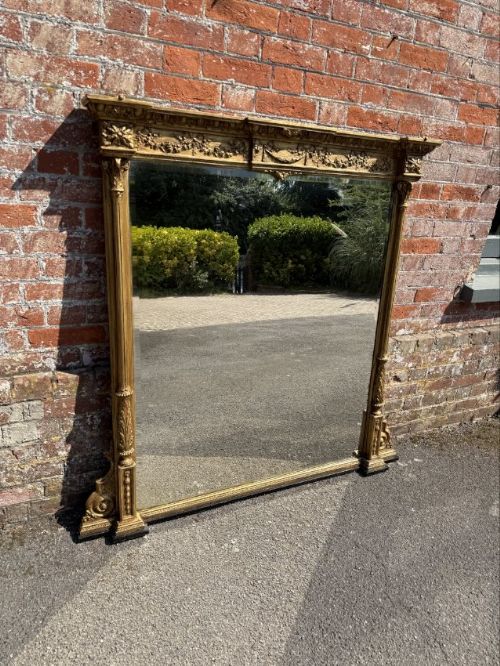
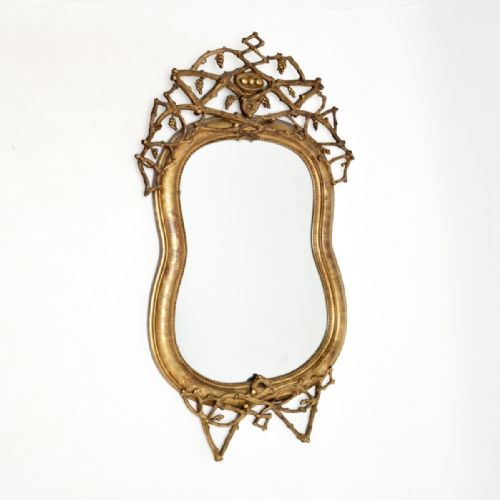
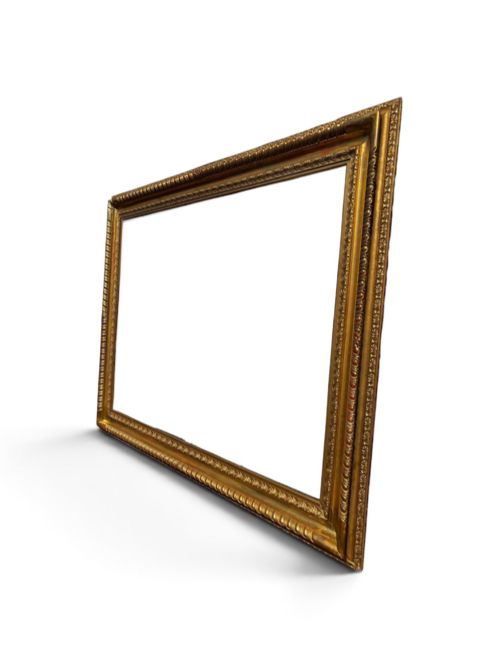
A decorative gilded frame mirror brings reflective light and opulent surface texture to an interior space. When searching for a decorative gilded frame mirror, buyers encounter a rich variety of forms spanning wall mirrors, grand overmantels, pier mirrors, and intricate girandoles.
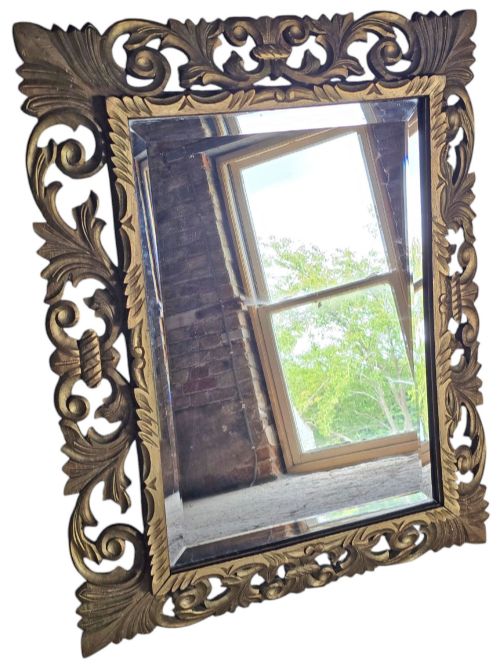
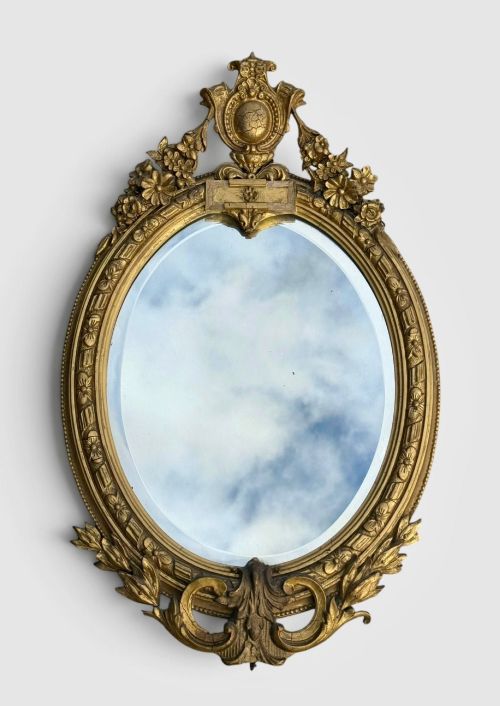
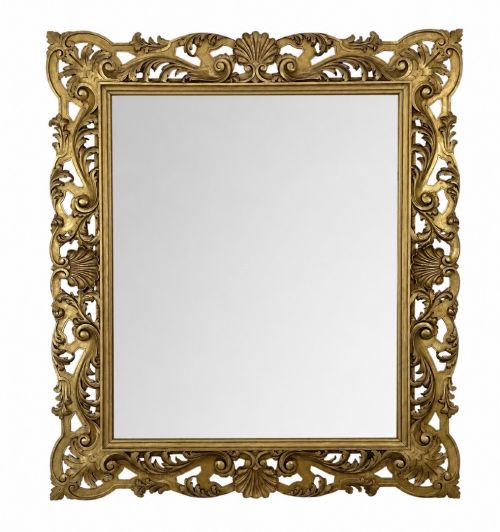
The pieces appearing here predominantly date from the nineteenth century, with Victorian, Regency, and French revival designs strongly represented. Italian Florentine and Rococo styles also feature prominently among the selection.
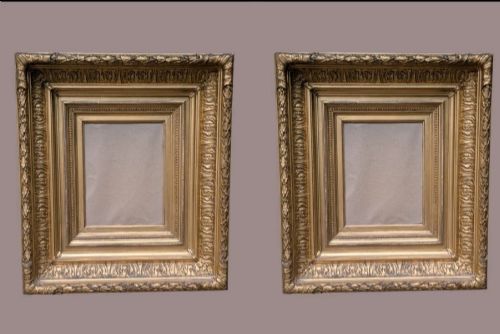
Makers and artisans of these periods employed diverse regional aesthetics, ranging from the architectural lines of English overmantels to the exuberant carved foliage of continental cushion frames.
How they were made
Craftsmen built the underlying structures from timber such as pine, walnut, or carved wood, often applying a layer of gesso to create smooth surfaces for detailed ornament. Plaster and carved wood elements were then shaped by hand before receiving their metallic finish.
Gilding was achieved using gold leaf or metal leaf applied over a prepared ground, sometimes complemented by painted details or parcel gilt accents. Bronze mounts also appear on select French revival examples from the later nineteenth century.
Decorative Gilded Frame Mirror Retail Price Guide 2026
Typical asking prices for decorative gilded frame mirror among the pieces listed under this phrase on Sellingantiques today, from the lower quarter to the upper quarter. They describe what is for sale here now, not the wider market.
Materials recorded across the inventory include solid wood, gesso, gold leaf, bronze, and glass with varying degrees of antique foxing.
What varies in quality
The depth and crispness of the carving distinguish finer examples from simpler production, particularly in the hand-chiselled details of foliage, scrolls, and crestings. Superior pieces retain their original gilding surfaces with minimal intervention over the decades.
The character of the glass plate itself contributes significantly to an object's appeal, with period plates showing authentic age characteristics such as light foxing or subtle distortion that reveal their long history.
The Decorative Gilded Frame Mirror Glossary
- Gesso
- A mixture of chalk, gypsum, and glue used as a base layer for gilding on wood frames. It provides a smooth surface that can be carved or moulded into intricate reliefs.
- Giltwood
- Timber that has been coated with gold leaf or metal leaf. This technique creates a luminous, durable metallic surface popular in traditional frame making.
- Overmantel mirror
- A large mirror specifically designed to hang above a fireplace mantel. These pieces often feature wide horizontal proportions and architectural framing.
- Girandole
- A decorative wall mirror fitted with attached candle sconces. The candle arms reflect additional light into the room from the mirrored plate.
- Cushion frame
- A mirror frame with a broad, rounded profile that slopes outward or inward. This style creates a prominent volumetric border around the glass plate.
- Foxing
- Small dark spots or cloudy patches that develop on mirror glass over time due to the degradation of the backing. It is a sign of genuine antique age.
Decorative Gilded Frame Mirror: Frequently Asked Questions
How do I hang a heavy overmantel mirror?
Large overmantel mirrors require secure wall fixings anchored directly into masonry or solid studs to support their substantial weight safely.
Professional mirror installers use heavy-duty brackets and load-bearing hardware distributed evenly across the frame's structure.
Are these antique mirror plates original?
Many nineteenth-century mirrors retain their original glass plates, often identifiable by subtle imperfections, waviness, or light foxing.
Some pieces have received replacement glass over the centuries to restore clarity while keeping the historic frame intact.
How should I clean a gilded frame?
Gilded surfaces require gentle dusting with a soft, dry brush to remove particles without disturbing the delicate gold leaf or gesso.
Moisture and chemical cleaners should be avoided entirely, as they can permanently damage the historic metallic finish.
What is the difference between Rococo and Regency styles?
Regency frames tend to lean toward classical symmetry, architectural columns, and convex forms inspired by antiquity.
Rococo revival designs embrace asymmetrical scrolls, naturalistic flower motifs, and exuberant shell ornamentation.