
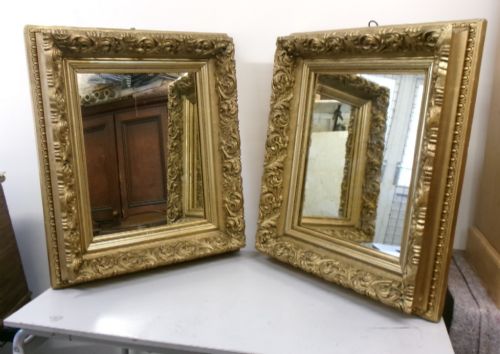

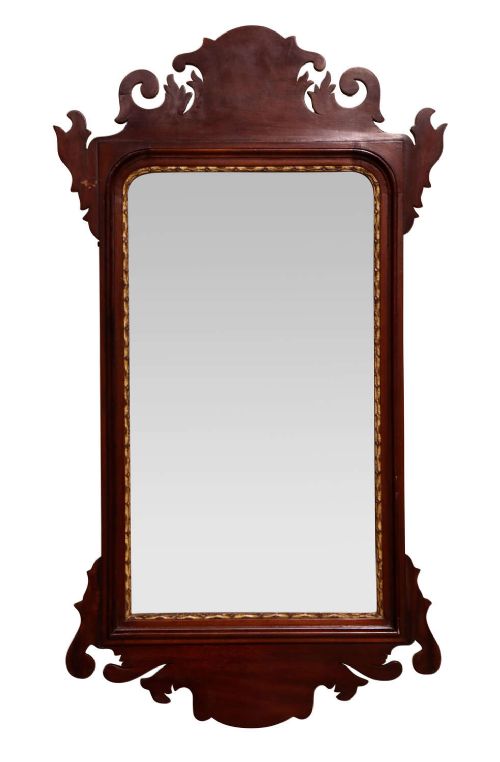
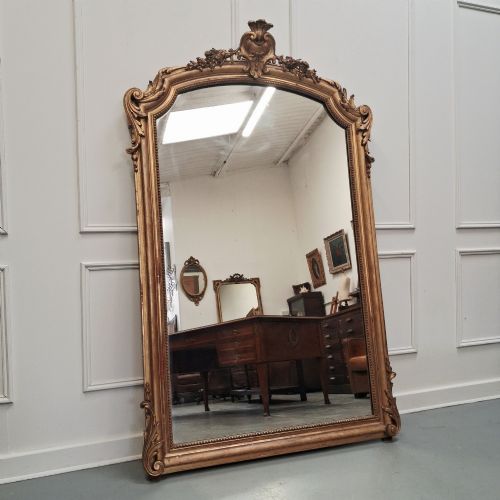
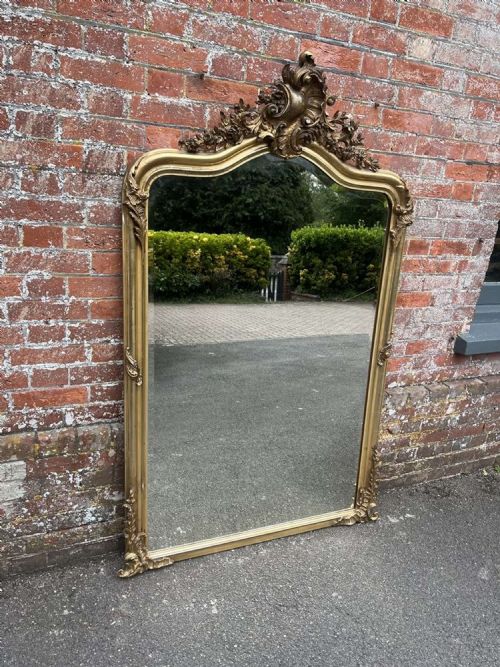


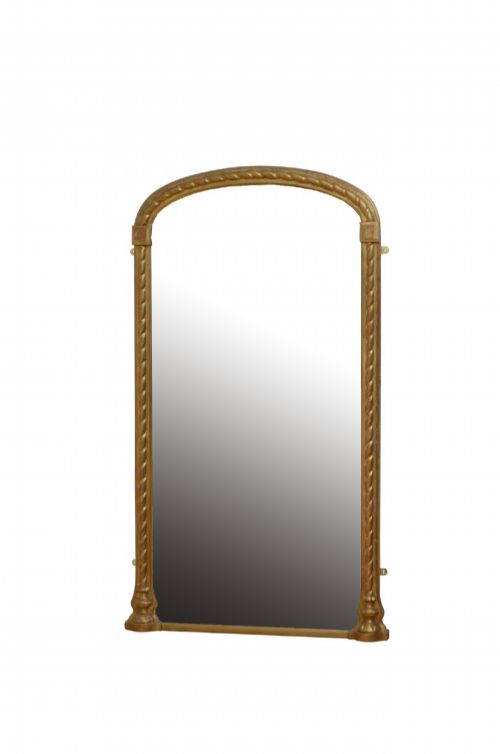
Victorian Gilt Pier Mirror
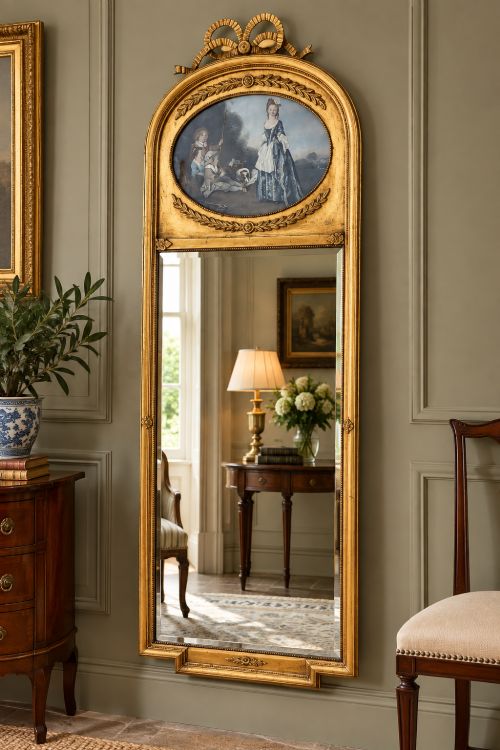
A victorian gilt pier mirror brings vertical presence and reflected light to a room, designed originally to hang on the narrow wall space between windows.
Victorian Gilt Pier Mirror
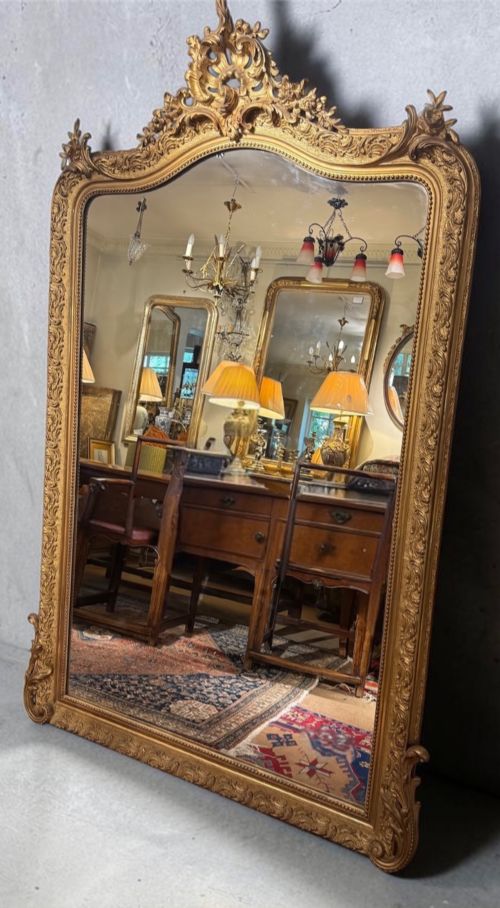
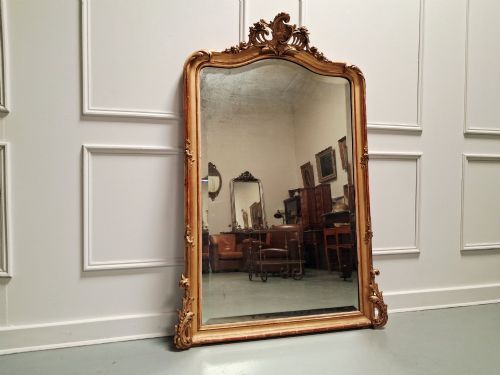
A victorian gilt pier mirror stands as a tall, vertical glass panel framed in gilded wood, designed to stand between windows or above low console tables in nineteenth-century interiors.
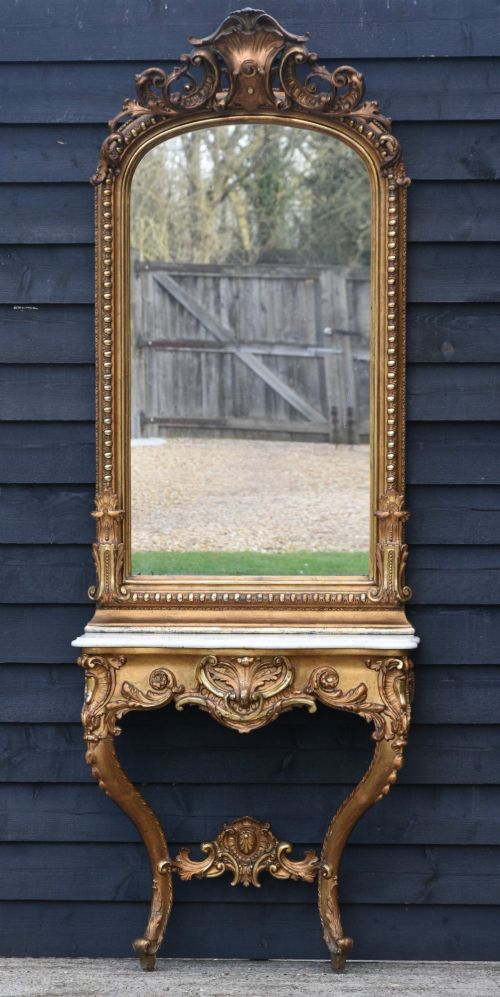
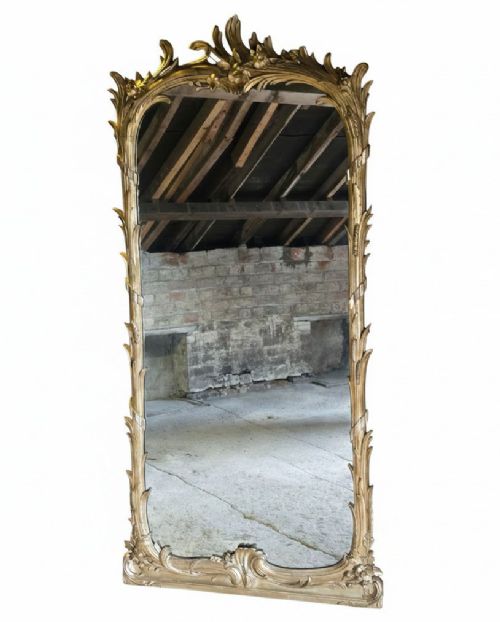
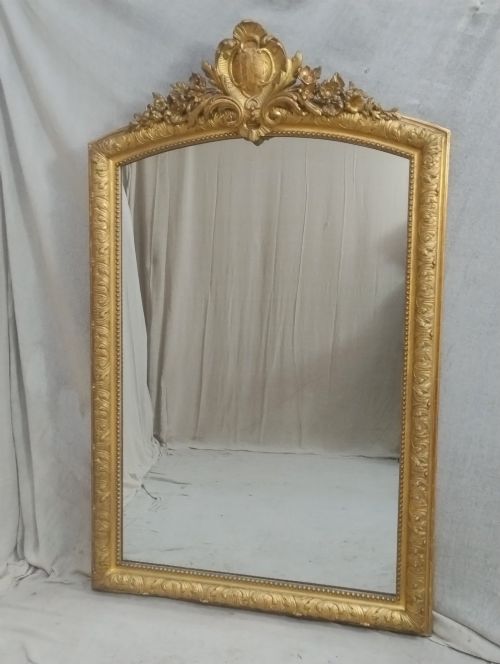
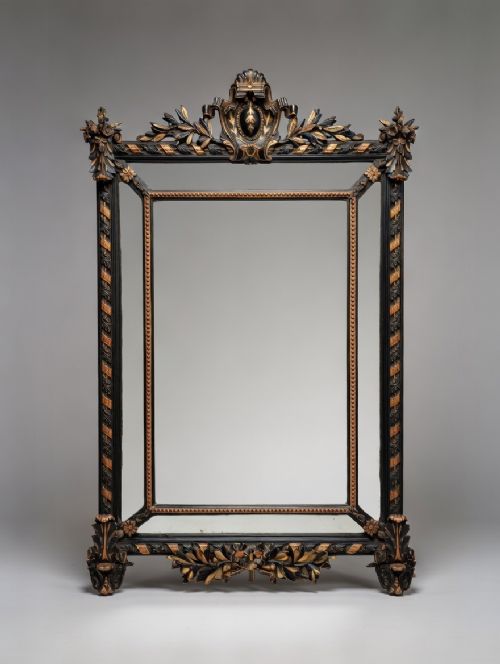
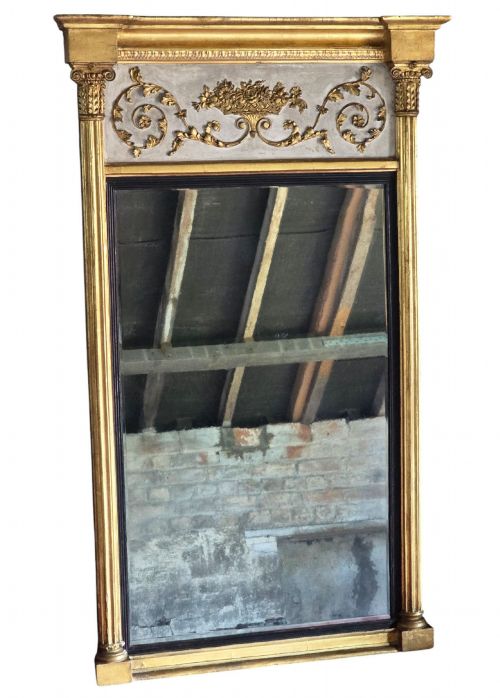
The pieces on this page span the mid to late nineteenth century, taking forms from simple arched top glasses to elaborate console table combinations and revival styles including rococo, neocladdical, and chipepndale.
Many examples utilise the traditional tall proportions required to draw light deep into Victorian reception rooms while serving as a decorative focal point.
How they were made
Carved wooden frames of pine or hardwood form the structural core, overlaid with gesso and composition ornaments to create sharp relief details like foliage and rope twists before the application of gold leaf or gilt paint.
Mirrors employ heavy silver mercury plate or standard mirror glass secured within frames using traditional backing boards, frequently accompanied by walnut, mahogany, or ebonised timber elements in revival pieces.
Listings feature nineteen-century periods ranging from the eighteen-fifties through to eighteen-ninety, alongside walnut, mahogany, and giltwood materials.
What varies in quality
The depth and crispness of the carved wood and gesso ornamentation dictate the visual strength of the frame, separating mass-produced composition mouldings from hand-finished work.
Original surfaces and untouched gilding retain a depth of tone that later repainting obscures, while the clarity and preservation of the original mirror glass significantly affect the character of the piece.
Charles Nosotti
The Victorian Gilt Pier Mirror Glossary
- Pier mirror
- A tall mirror designed specifically for the wall space between two windows. It frequently sat above a matching console table.
- Gesso
- A plaster-like mixture applied to wooden frames and carved or moulded into decorative details. It provides a smooth base for gold leaf.
- Composition
- A moulded mixture of whiting, resin, glue and oil pressed into ornament shapes. It hardens quickly and is applied to the wooden frame.
- Parcel-gilt
- A finish where only specific carved portions of a dark wood frame are gilded. This highlights particular decorative motifs against the timber.
Victorian Gilt Pier Mirror: Frequently Asked Questions
Where were pier mirrors placed in Victorian homes?
These tall glasses hung on the narrow strip of wall between two windows, known as the pier. This placement bounced natural daylight back into the centre of the room.
They frequently stood directly above low console tables or pier tables, creating a unified decorative arrangement along the wall.
How do I identify a Victorian pier mirror?
Look for tall, vertical proportions combined with gilded wood and gesso frames featuring arched tops or ornate foliate carving. Dating relies on stylistic details such as nineteenth-century revival motifs or specific framing techniques.
Many examples retain original silver mercury plates and traditional pine backing boards secured with old hand-cut nails.
Can I hang a pier mirror safely?
These frames carry substantial weight due to the heavy timber and thick glass plates used in their construction. Secure wall fixings into structural studs or masonry rather than relying on standard plaster.
Using heavy-duty mirror plates screwed directly to the sturdy wooden frame ensures the piece remains stable against the wall.
What is the difference between an overmantel and a pier mirror?
Pier mirrors are built with tall, narrow vertical proportions to fit between windows, whereas overmantel mirrors are typically wider than they are high to span the length of a fireplace.
Despite their original placement differences, cabinetmakers often used matching decorative vocabularies and gilt finishes across both furniture types.