
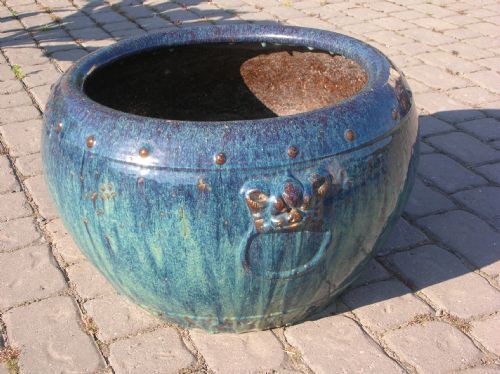


Large Garden Urn
A large garden urn anchors a lawn, terrace or courtyard with classical presence, offering generous depth for seasonal planting and enduring architectural weight.
Large Garden Urn
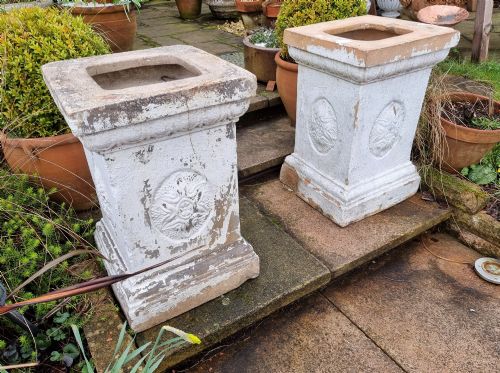
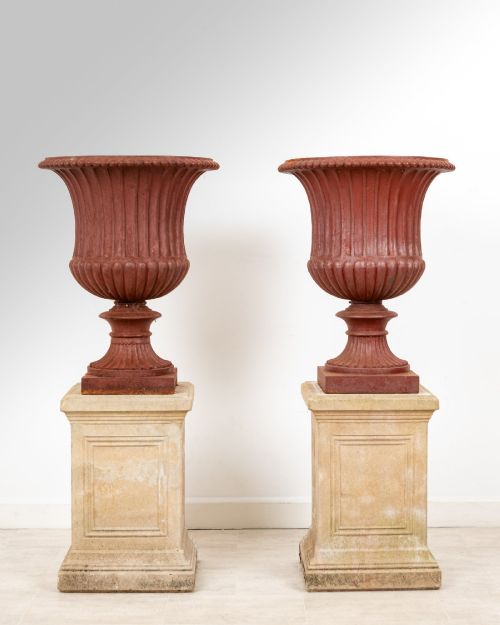
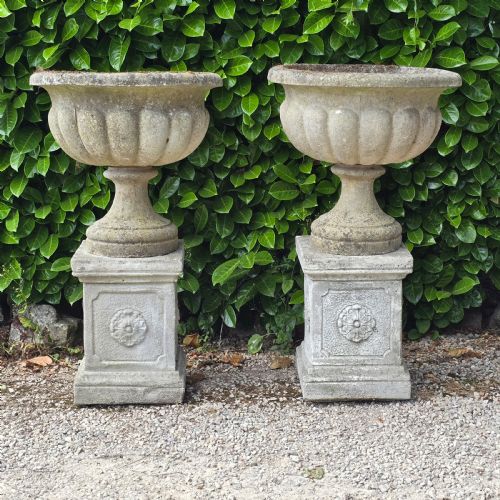
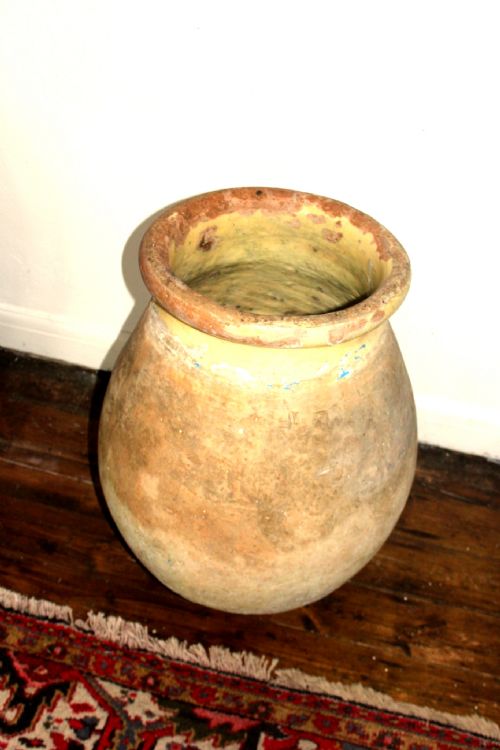
When searching for a large garden urn, collectors encounter substantial vessels designed to hold weighty planting schemes in outdoor spaces. These pieces range from classical campana forms to utilitarian oil jars, standing alone or elevated upon stone and terracotta pedestals.
The selections available span the eighteenth, nineteenth, and early twentieth centuries, drawing upon Victorian, Neoclassical, and Arts and Crafts traditions. Cast iron and terracotta versions dominate the record, alongside lead, copper, and carved marble examples.
Originating from British, French, Italian, and Asian workshops, these vessels served utilitarian roles as storage jars or decorative focal points in orangeries and formal gardens. Today, they function primarily as substantial planters and architectural ornaments for terraces and garden settings.
How they were made
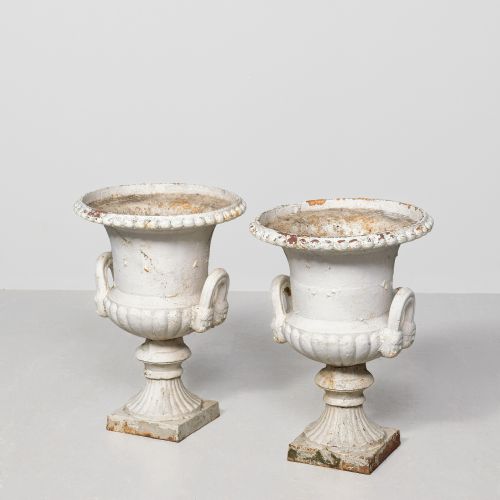
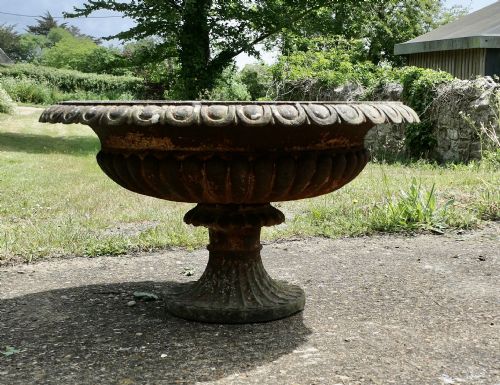
Cast iron examples were produced in foundry moulds, often utilising classical models with detailed handles, fluting, and plinths. These iron vessels frequently display the structural seams and heavy metal composition characteristic of nineteenth-century industrial casting techniques.
Terracotta and clay pieces were thrown, moulded, or hand-coiled before kiln-firing, incorporating earthenware, salt glaze, or specialised glazes such as those from the Compton Pottery. Many of these porous pots acquire natural weathering, moss, and aged patinas through decades of exposure to the elements.
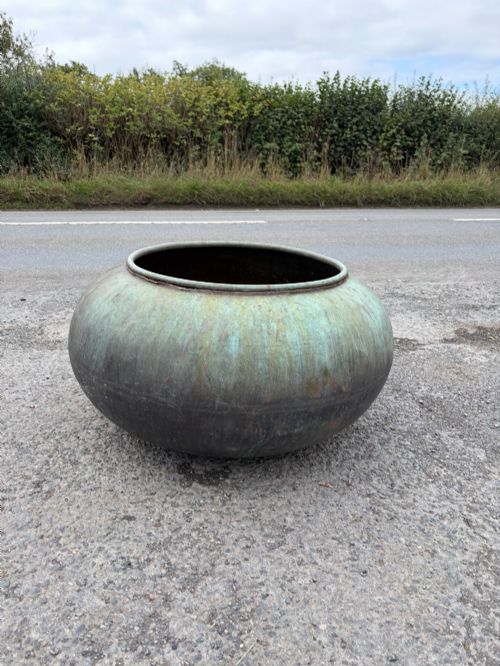
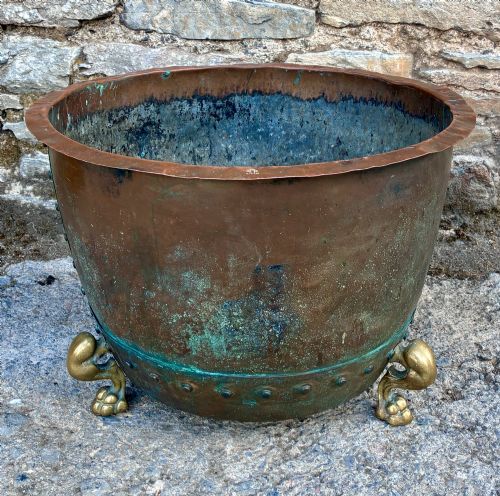
Metal vessels in copper and lead involved beating, riveting, or casting, resulting in robust containers that developed rich verdigris surfaces over time. Stone and marble urns relied on manual carving from solid blocks, producing crisp classical motifs and monumental weight.
Several olive jars crossed Mediterranean seas simply to hold nineteenth-century greenery.
What varies in quality
The standard of a large garden urn rests upon the crispness of its moulding or carving, where sharply defined classical details and well-balanced proportions separate superior examples from routine foundry output. Heavier metal castings and denser, frost-resistant terra cottas represent the upper tier of manufacture.
Provenance and maker attribution elevate certain pieces significantly, particularly signed foundry works or marked studio pottery pieces from established makers. The integrity of the material, whether an untouched iron surface with original paint traces or an evenly weathered terracotta body, dictates desirability.
Andrew Handyside·Compton Pottery·Lipscombe And Co·Dunfermline Clay Company
The Large Garden Urn Glossary
- Campana
- A bell-shaped garden urn featuring an everted rim and a tapered body, frequently mounted on a square plinth. This classical form remains a dominant style in cast iron and terracotta.
- Tazza
- A shallow, cup-shaped vessel on a pedestal foot, used in garden settings for planting or display. These pieces often feature decorative handles and classical relief work.
- Verdigris
- A green patina formed naturally on copper, brass, or bronze surfaces through atmospheric oxidation. This chemical change adds protective depth and colour to antique metal planters.
- Plinth
- A heavy base or pedestal supporting an urn or statue, raising the vessel above ground level. They are frequently cast in stone, terracotta, or iron to match the main body.
- Jardiniere
- A large ornamental pot or stand designed to hold growing plants or flower arrangements. The term applies across ceramic, metal, and stone garden vessels.
Large Garden Urn: Frequently Asked Questions
How do I protect my iron urn in winter?
Cast iron urns generally withstand cold weather well, though ensuring drainage holes remain clear prevents ice expansion from cracking the metal.
Elevating the base slightly off damp ground using feet or a stone plinth also protects the iron from prolonged moisture retention.
Can terracotta urns stay outside all year?
Hard-fired and glazed terracotta types tolerate seasonal changes, but porous earthenware can absorb moisture that freezes and causes spalling.
Emptying heavy damp soil during freezing months or moving unglazed vessels under cover prevents frost damage.
What is the best way to plant a deep urn?
Filling the lower third with lightweight material such as broken crocks, expanded clay aggregate, or inverted plastic pots improves drainage and reduces total weight.
Adding a fertile compost mix tailored to specific plants ensures the upper root system receives adequate nutrients and moisture.
How do I identify the period of an iron urn?
Nineteenth-century iron pieces often display bolted construction, sand-cast surface textures, and classic neoclassical or campana proportions derived from antique models.
Examining the underside or interior for foundry marks, registration numbers, or maker plaques helps narrow down the exact manufacturing era.