



Classical Mask Urn
A classical mask urn brings antiquity into a room, shaped in bronze, marble or terracotta to echo the grand discoveries of the nineteenth century.
Classical Mask Urn
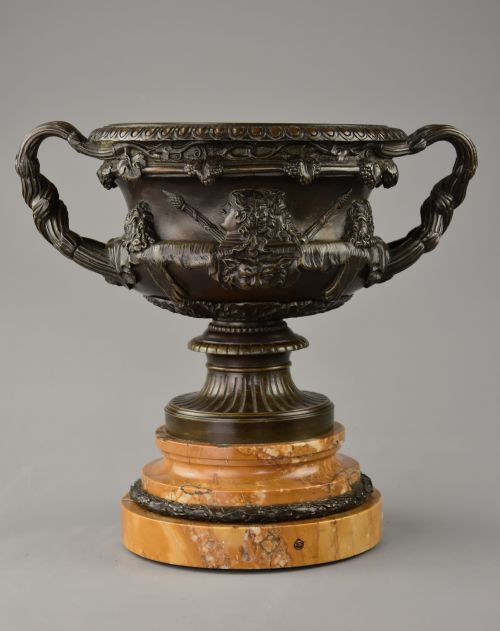
A classical mask urn draws upon ancient Greek and Roman forms, frequently rendered as Grand Tour souvenirs or revival pieces during the nineteenth century. These vessels range from small bronze reductions of famous antiquities like the Warwick and Albani vases to garden planters and wall lights cast in iron or spelter.
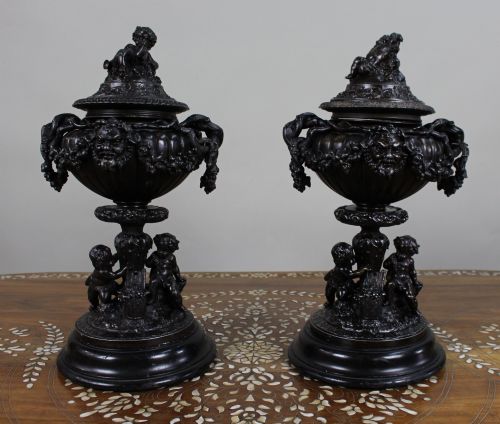
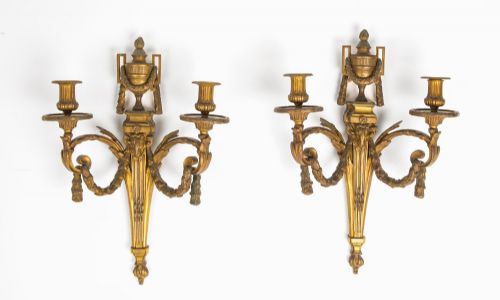
The version most commonly met on this page is the nineteenth-century Grand Tour bronze or marble reduction, alongside terracotta jardinieres and brass vessels adorned with Bacchic or ram's head masks. Such pieces function primarily as decorative ornaments, interior vases or architectural wall sconces.
Origins stretch across French, Italian and continental workshops, reflecting a sustained European fascination with classical antiquity. Forms encompass traditional campana shapes, ewers, and planters designed to anchor formal interior schemes.
How they were made
Foundries utilised traditional casting methods such as the lost-wax technique or sand casting to produce bronze, gilt bronze, and ormolu mounts. Spelter and cast iron served as alternative metal options, while terracotta, scagliola, and alabaster were hand-carved or moulded.
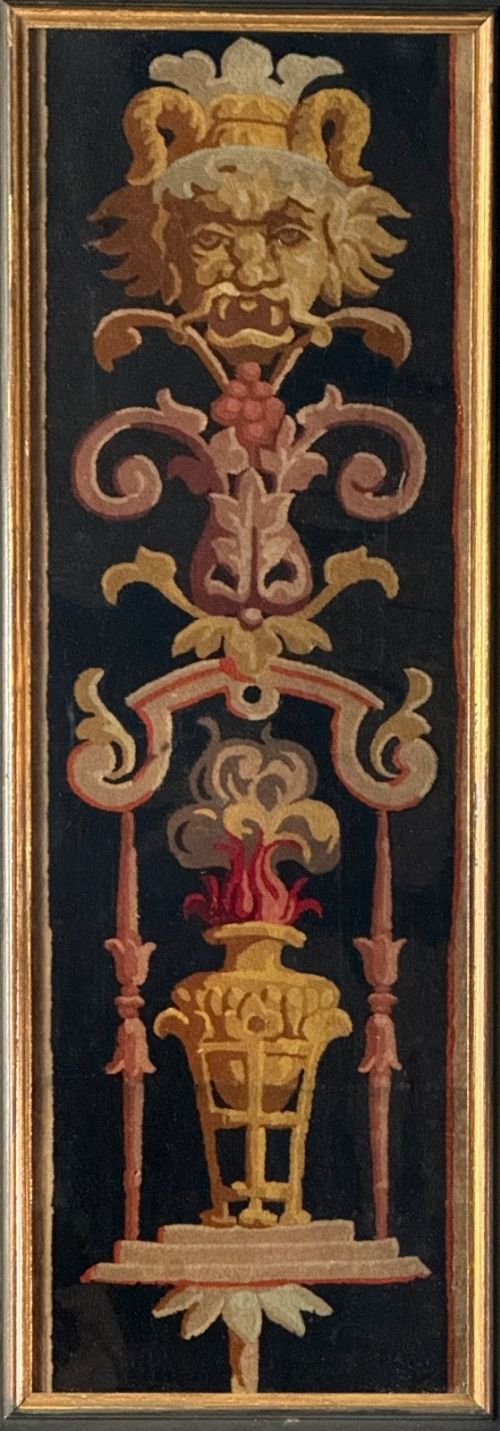
Surface finishes involved patination, gilding, and bronzing to simulate the aged appearance of excavated antiquities. Textile elements, where present in related panels, rely on hand embroidery to delineate grotesque and mask motifs.
Classical Mask Urn Retail Price Guide 2026
Typical asking prices for classical mask urn among the pieces listed under this phrase on Sellingantiques today, from the lower quarter to the upper quarter. They describe what is for sale here now, not the wider market.
Certain nineteenth-century bronzes are exact miniature reductions of the Warwick Vase, allowing a towering Roman antiquity to sit quietly upon a modest desk.
What varies in quality
Material density and selection separate superior stonework and bronzes from lighter substitutes like painted spelter. Hand-finished patination and integration of mounts reveal the competence of the workshop behind the object.
The Classical Mask Urn Glossary
- Grand Tour
- A traditional trip of Europe undertaken by upper-class young European men of means, resulting in the acquisition of souvenirs such as miniature bronze vases and architectural models. These objects sought to capture the prestige of classical sites.
- Campana urn
- A bell-shaped vessel with a flaring rim and a pedestal foot, originating in ancient pottery and widely revived in stone and metal during the eighteenth and nineteenth centuries. It remains a standard silhouette for garden and interior display.
- Bacchic mask
- A sculptural face depicting Bacchus, the god of wine, often wreathed in ivy or grapes and incorporated into the handles or friezes of classical vessels. This motif underlines the festive and Dionysian associations of antique design.
- Scagliola
- A composite material made from selenite, glue, and pigments, applied to mimic marble and other fine stones. Craftsmen use it to create durable columns, urns, and decorative surfaces.
- Ormolu
- Gilded bronze produced by applying a mercury and gold amalgam to a bronze base, then heating it to drive off the mercury. This technique creates a rich, durable golden surface characteristic of French decorative arts.
Classical Mask Urn: Frequently Asked Questions
How do I date a classical mask urn?
Dating relies upon examining the material composition, casting technique, and patination style of the vessel. Nineteenth-century pieces often display specific foundry marks, hand-chased surface details, and wear consistent with age.
Stylistic revivals, such as Louis XVI style or Victorian interpretations, also provide a chronological framework for the manufacture.
Where should I place a heavy stone urn?
Heavy stone and terracotta urns require sturdy support, whether on a dedicated marble console, a low timber plinth, or directly on the floor in a hallway or garden setting.
Internal liners protect porous materials like terracotta and alabaster if utilised for fresh plants or water.
Are bronze and spelter urns cleaned differently?
Bronze tolerates light dusting and occasional micro-crystalline wax application to preserve the patination without stripping historical surface buildup. Spelter is softer and more brittle, requiring careful handling to avoid chipping the metal or the applied bronze finish.