
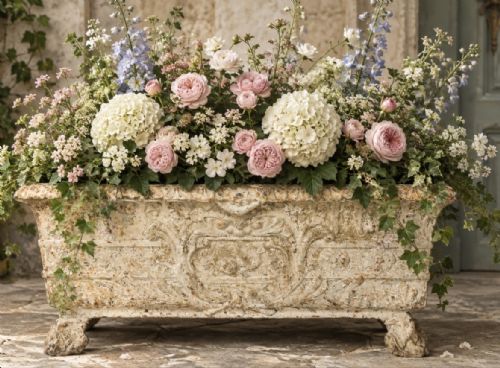
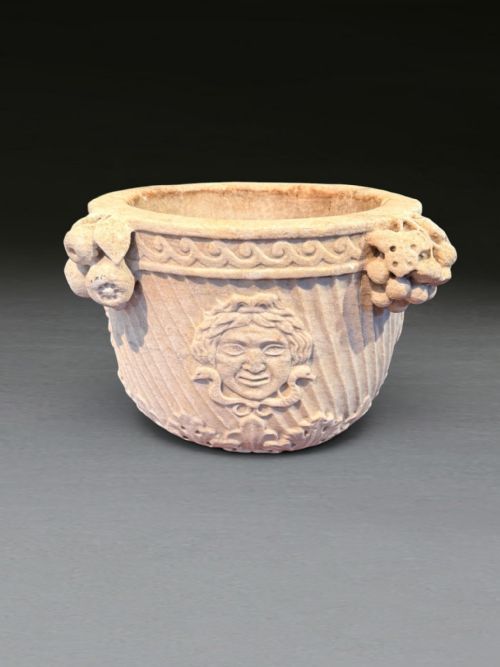
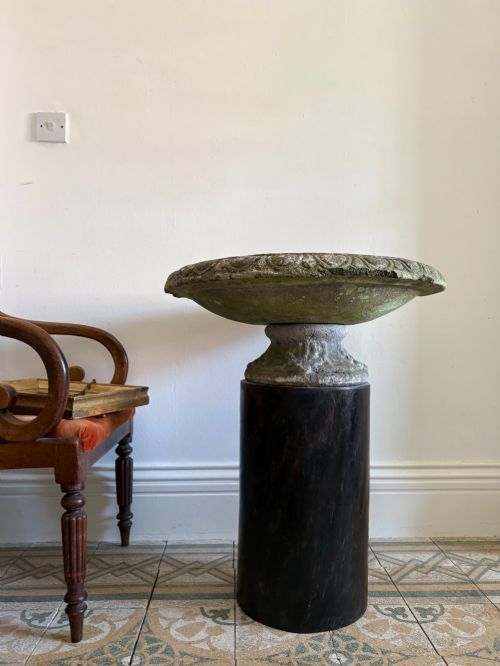
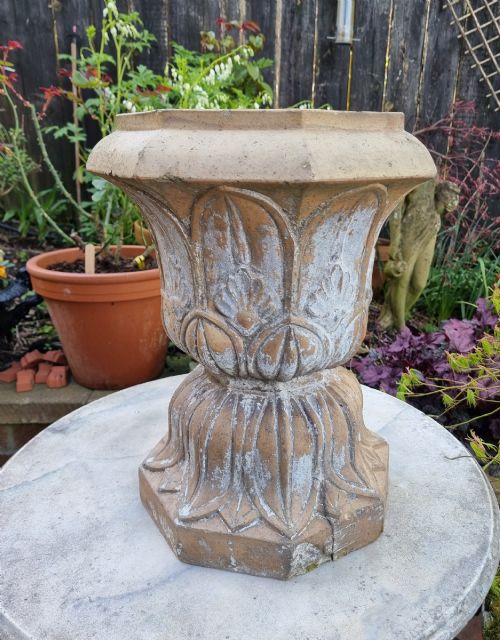




Carved Garden Urn
A carved garden urn brings classical presence to a terrace, and these pieces span centuries of garden ornament design.
Carved Garden Urn
A carved garden urn provides a focal point for lawns, terraces and courtyards, drawing upon classical vocabulary for outdoor settings. When you search for a carved garden urn, you encounter vessels designed to hold plants or stand as architectural ornaments in their own right.
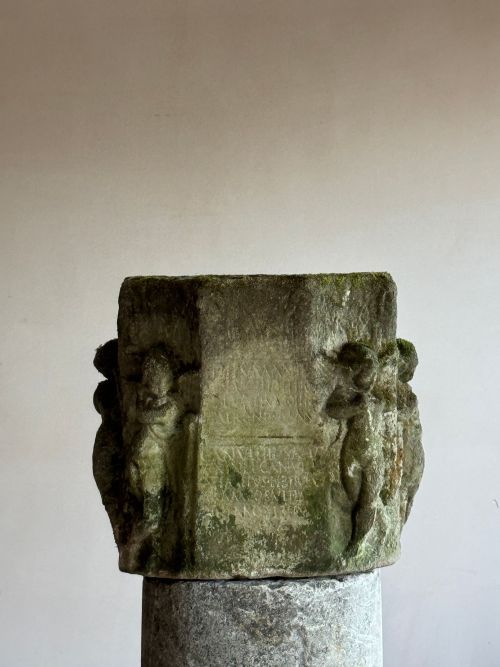
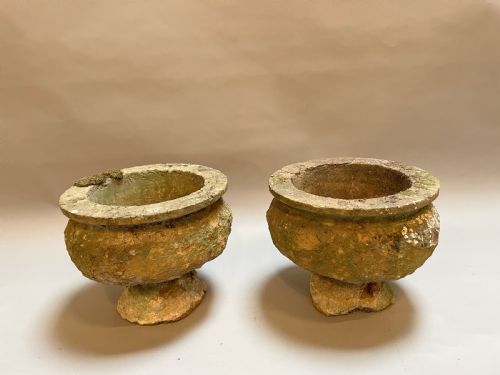
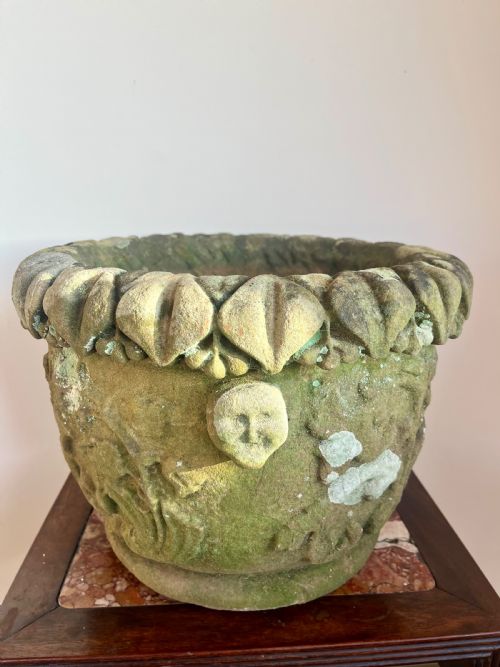
The selections here range from substantial Italian Renaissance marble works to nineteenth century terracotta and reconstituted stone campana shapes. Many examples arrive as matched pairs, suited for flanking gateways or architectural steps.
Earlier periods are represented by sixteenth century marble and eighteenth century limestone, while twentieth century cast stone and terracotta continue the classical tradition.
Materials and construction methods
Masons shaped natural materials like marble, limestone and soft stone by hand, leaving tool marks that reveal the labour behind each vessel. Terracotta urns were fired in kilns, sometimes incorporating detailed handles or relief figures modelled directly into the clay.
Later pieces utilise cast stone, reconstituted stone and durable cast iron, capturing crisp neoclassical details through specialised moulding techniques. Weathering processes interact with these different substrates over decades, softening sharp edges and developing distinct patinas.
Periods represented range from sixteenth century Italian work through eighteenth century pieces and Victorian designs up to the nineteen fifties.
Assessing quality in garden vessels
Quality rests primarily in the crispness of the carving and the proportional harmony of the body, base and handles. Master masons achieved depth and fluidity in foliage, figures and fluting that lesser workshops simply sketched out.
The choice of raw material dictates longevity and the quality of ageing, with dense marbles and hard limestones holding fine detail far better than softer alternatives. Surface patination achieved through genuine weathering adds depth, whereas artificial treatments lack the subtle tonal variations of age.
The Carved Garden Urn Glossary
- Campana urn
- A bell-shaped garden vessel with an everted rim and a flared body, originating from classical antiquity.
- Tazza
- A shallow cup or bowl on a pedestal, often used in pairs as a formal garden ornament.
- Reconstituted stone
- A composite material made from crushed stone and cement binder, moulded to replicate natural carved stone.
- Terracotta
- Fired unglazed clay ranging in colour from orange-buff to deep red, widely used for classical garden pots.
- Plinth
- The heavy square base or block upon which a garden urn stands to elevate its presence.
Carved Garden Urn: Frequently Asked Questions
Can these urns stay outside in winter?
Most stone, cast iron and terracotta vessels tolerate outdoor exposure, though severe frost can crack saturated porous materials if left sitting in water.
Positioning urns on feet or plinths prevents moisture from drawing up from the ground during freezing weather.
How do I plant a heavy stone urn?
Line the base with broken crocks or lightweight drainage material before adding soil, keeping the overall weight manageable if the vessel needs relocation.
Heavier marble and cast stone pieces should be positioned permanently before planting to avoid strain.
Are these urns waterproof?
Traditional garden urns often feature drainage holes drilled through the base to allow excess rainwater to escape.
If using an antique vessel indoors or on a sensitive surface, place a suitable liner or saucer underneath.
How do I clean an antique stone urn?
Gentle brushing with water and a soft bristle brush removes accumulated dirt without stripping the desirable weathered patina.
Avoid harsh chemical cleaners or pressure washers, which can erode the surface of softer limestone and terracotta.