



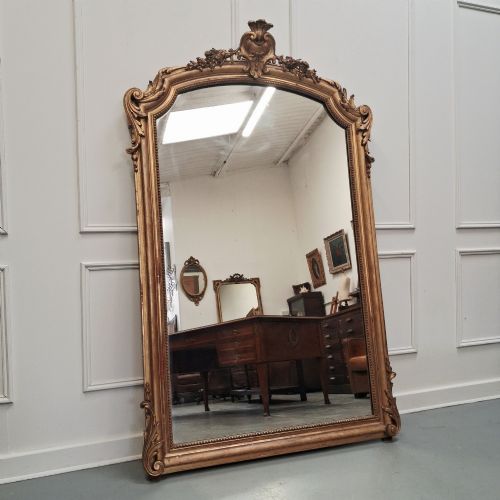
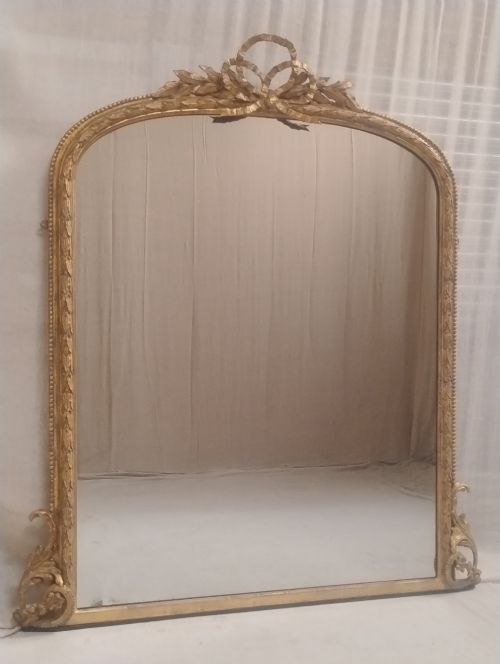
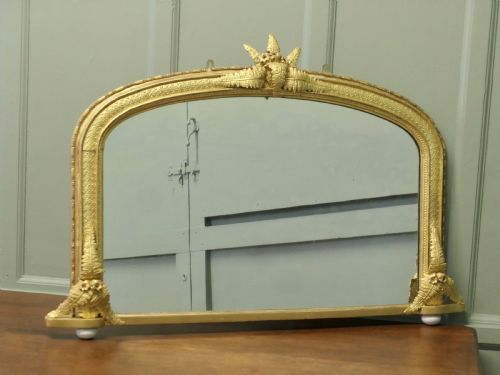
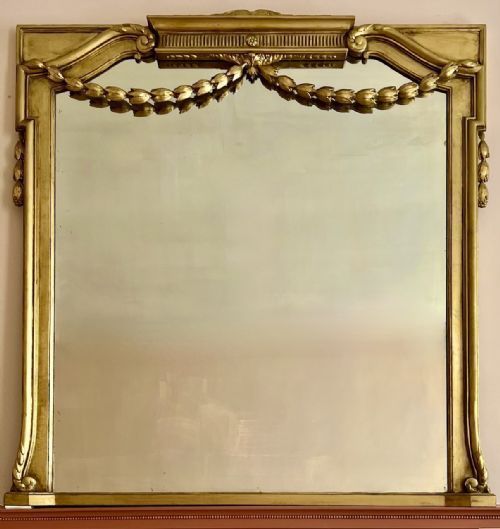
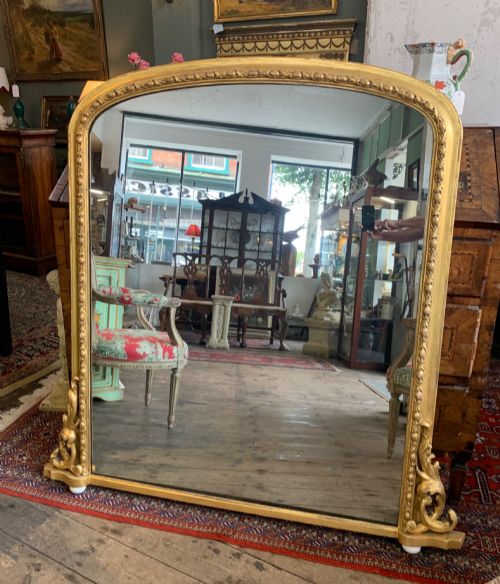
Large French Mantel Mirror
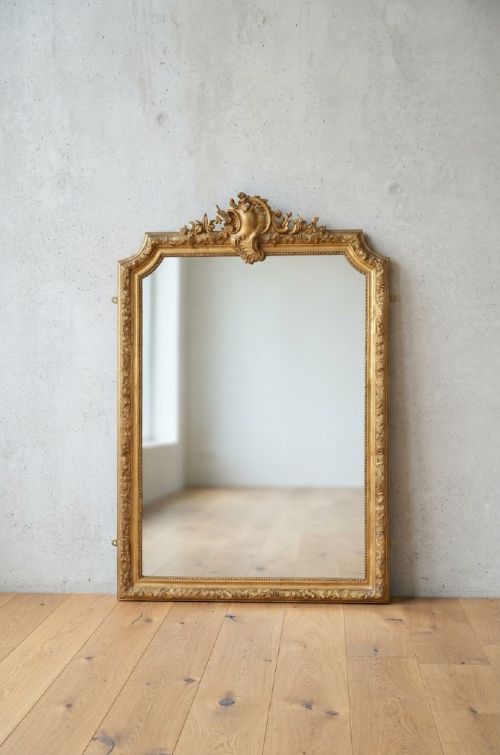
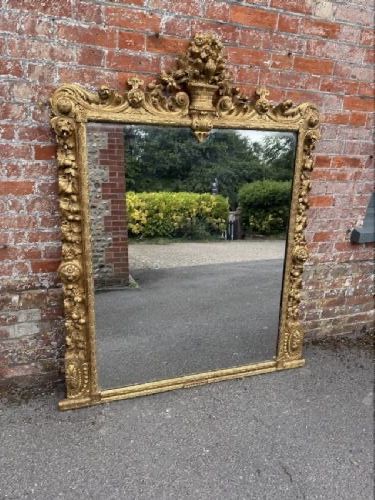
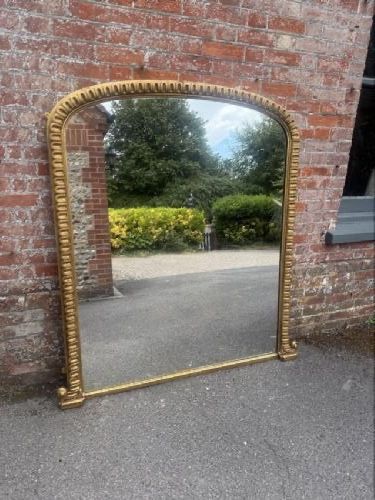
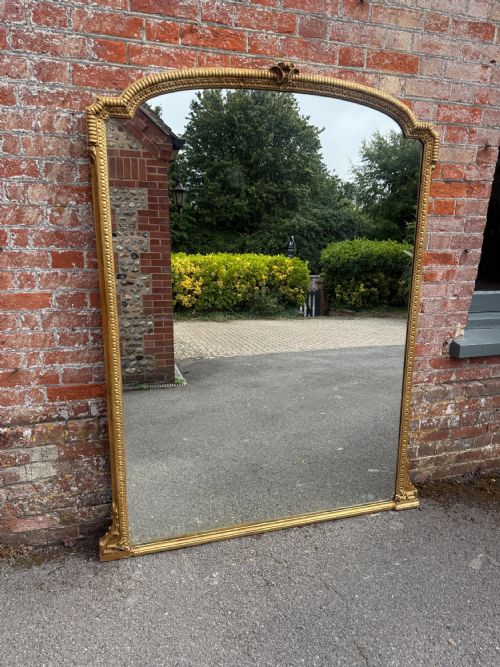
A large french mantel mirror commands attention above a fireplace, bringing depth, reflected light and classical proportion into a room.
Large French Mantel Mirror
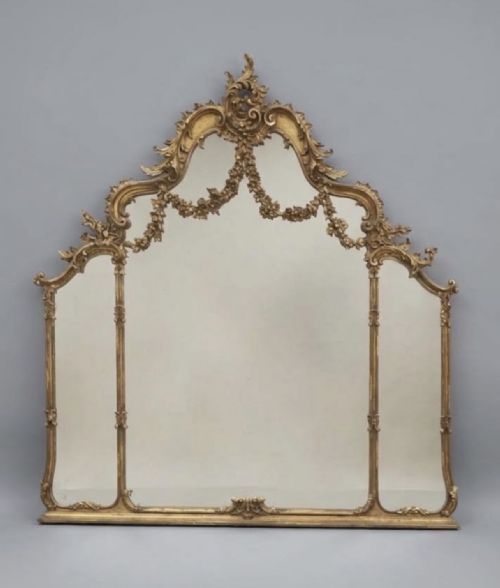
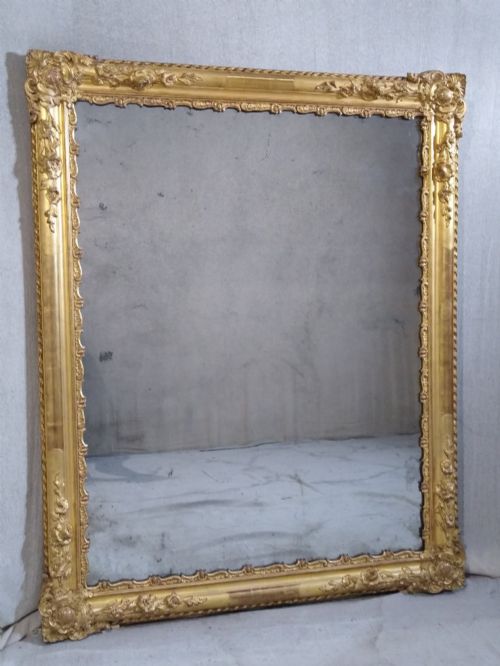
A large french mantel mirror serves as a grand architectural focal point, designed historically to sit atop a fireplace mantel or serve as a substantial wall hanging. These pieces belong predominantly to the nineteenth century, spanning periods from the 1850s through to 1900, with specific stylistic expressions such as Louis Philippe, Rococo Revival and French Second Empire.
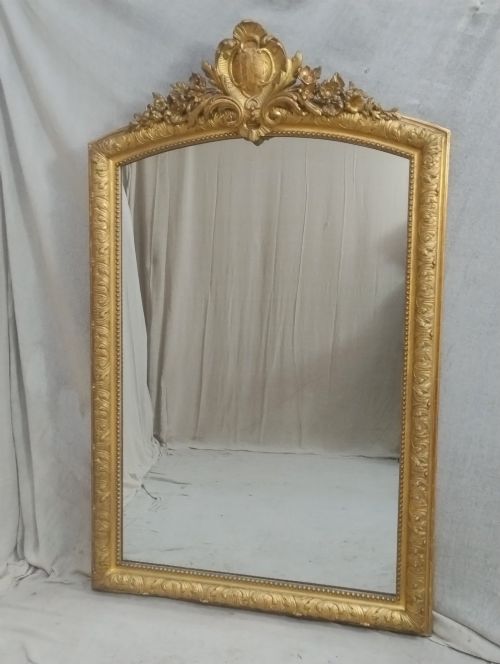
Buyers encountering this selection will frequently find overmantel mirrors featuring arched, shaped, or rectangular tops built to reflect interior light and expand visual space. The forms include crested designs, central cartouches, and sweeping frames that reflect both provincial French chateau aesthetics and formal nineteenth-century drawing room grandeur.
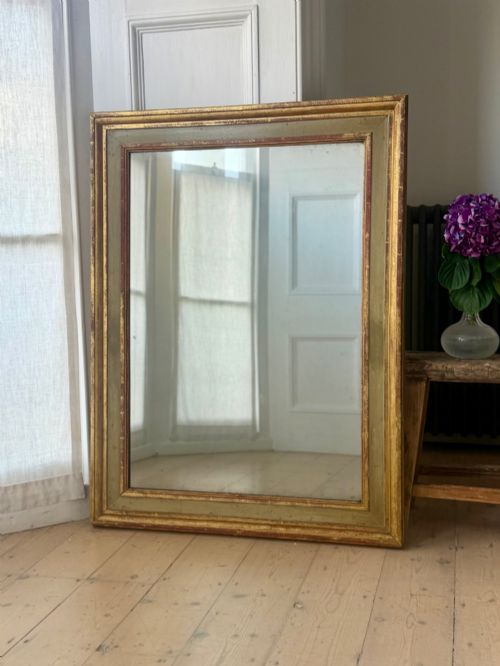
The inventory encompasses substantial examples finished in gold leaf, silver leaf, ebonised wood, or painted surfaces, occasionally paired with original mercury glass. These mirrors range from simple classical silhouettes to heavily carved wooden structures designed to anchor high-ceilinged reception rooms.
How They Were Made
The construction of these mirrors relies fundamentally on carved wood foundations, most commonly combined with moulded gesso and composition ornaments to create high-relief detailing along the frames. Artisans applied thin layers of gold leaf or silver leaf over Armenian bole or painted ground preparations to achieve a luminous gilded finish.
Frames frequently utilised timber such as pine or hardwood as a structural base, shaped into arches or swept profiles before receiving intricate floral, rope twist, or classical motifs. Surface treatments varied from polished metallic leaf to hand-painted and distressed paint schemes, often showing the passage of time on original mirror glass.
Large French Mantel Mirror Retail Price Guide 2026
Typical asking prices for large french mantel mirror among the pieces listed under this phrase on Sellingantiques today, from the lower quarter to the upper quarter. They describe what is for sale here now, not the wider market.
Materials recorded across the inventory include giltwood, gesso, gold leaf, silver leaf, composition, and original mirror glass.
What Varies in Quality
Quality rests in the depth and crispness of the hand-carved wooden enrichment compared to mass-pressed composition mouldings, where sharper undercutting reveals superior craftsmanship. The integrity of the original gilding and the preservation of authentic mercury glass panes distinguish untouched examples from heavily restored counterparts.
Structural harmony defines the finer specimens, where the proportions of the arch, the weight of the cresting, and the joinery of the heavy wood frame remain completely stable over centuries of expansion and contraction. Subtle details like central cartouches and well-balanced rebates elevate certain pieces from standard room furnishings to exceptional decorative statements.
Gabriel Viardot
The Large French Mantel Mirror Glossary
- Gesso
- A plaster-like mixture applied to wood frames as a smooth base for gilding or painting. It accepts deep relief carving and moulding before metal leaf application.
- Overmantel Mirror
- A large mirror specifically proportioned to hang on the wall directly above a fireplace mantelpiece. These pieces often feature horizontal or arched formats designed to bridge the gap between hearth and ceiling.
- Mercury Glass
- An antique double-walled glass blown with a silvering solution inserted between the layers, creating a characteristic mottled and reflective depth. This material predates modern vacuum-metallised aluminium backing.
- Giltwood
- Timber that has been coated with thin leaves of gold applied over a prepared ground. It provides a warm, enduring metallic lustre.
- Cartouche
- An ornamental frame or tablet resembling a rolled-up piece of parchment, frequently placed centrally on the crest of a mirror. It serves as a focal point for sculptural carving.
Large French Mantel Mirror: Frequently Asked Questions
Where should a large french mantel mirror be hung?
Traditionally positioned directly above a fireplace mantel, these mirrors also function effectively as floor-standing leaner mirrors or wall focal points in high-ceilinged reception rooms.
Their substantial height and reflective glass pull light deep into a space, making them well suited for dining rooms, hallways, and living areas.
How do I date a 19th-century French mirror?
Dating relies on observing stylistic markers such as Rococo Revival curves, Louis Philippe simplicity, or Napoleon III ebonised finishes, alongside construction clues in the wooden backing and frame joinery.
Original mercury glass and early nineteenth-century gesso preparation further help narrow the period of origin within the 1850s to 1900 window.
Are these mirrors heavy to hang?
These pieces possess substantial weight due to their dense wooden frames, gesso ornamentation, and thick glass plates. Proper structural fixings into solid masonry or secure wall studs are essential for safe installation.
Professional hanging is strongly recommended to support the considerable vertical load safely.
What is the difference between an overmantel and a pier mirror?
Overmantel mirrors are proportioned specifically to sit horizontally or with an arch above a fireplace mantel, framing the hearth area. Pier mirrors are typically taller and narrower, designed to fit the wall space between two windows.
Both forms utilise reflective glass to amplify natural light within nineteenth-century interiors.