

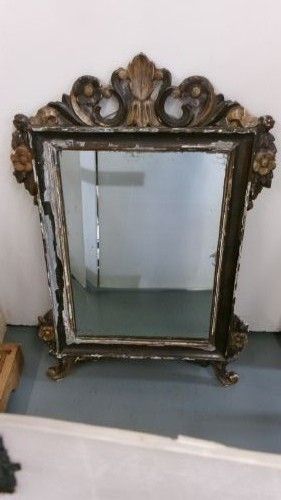
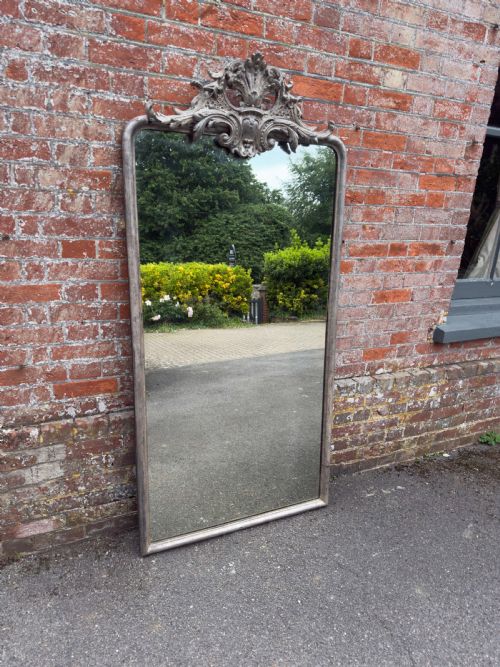
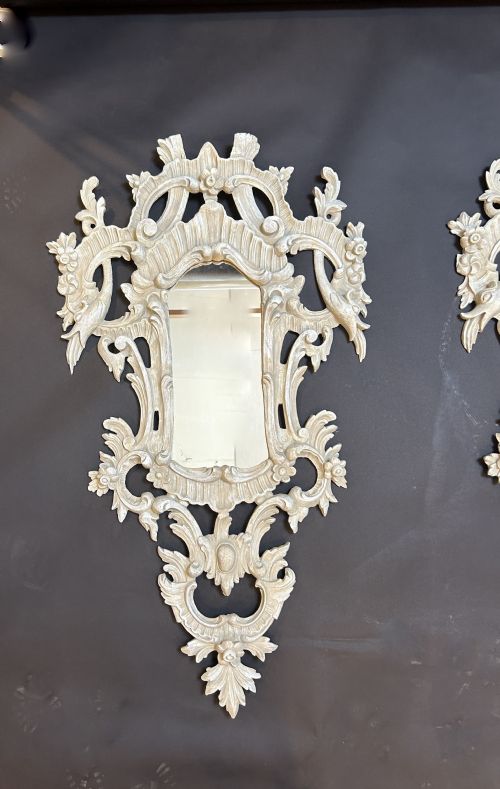
Vintage Pier Glass Mirror
A vintage pier glass mirror hangs between windows or above low console furniture, bringing historic light and presence into a room.
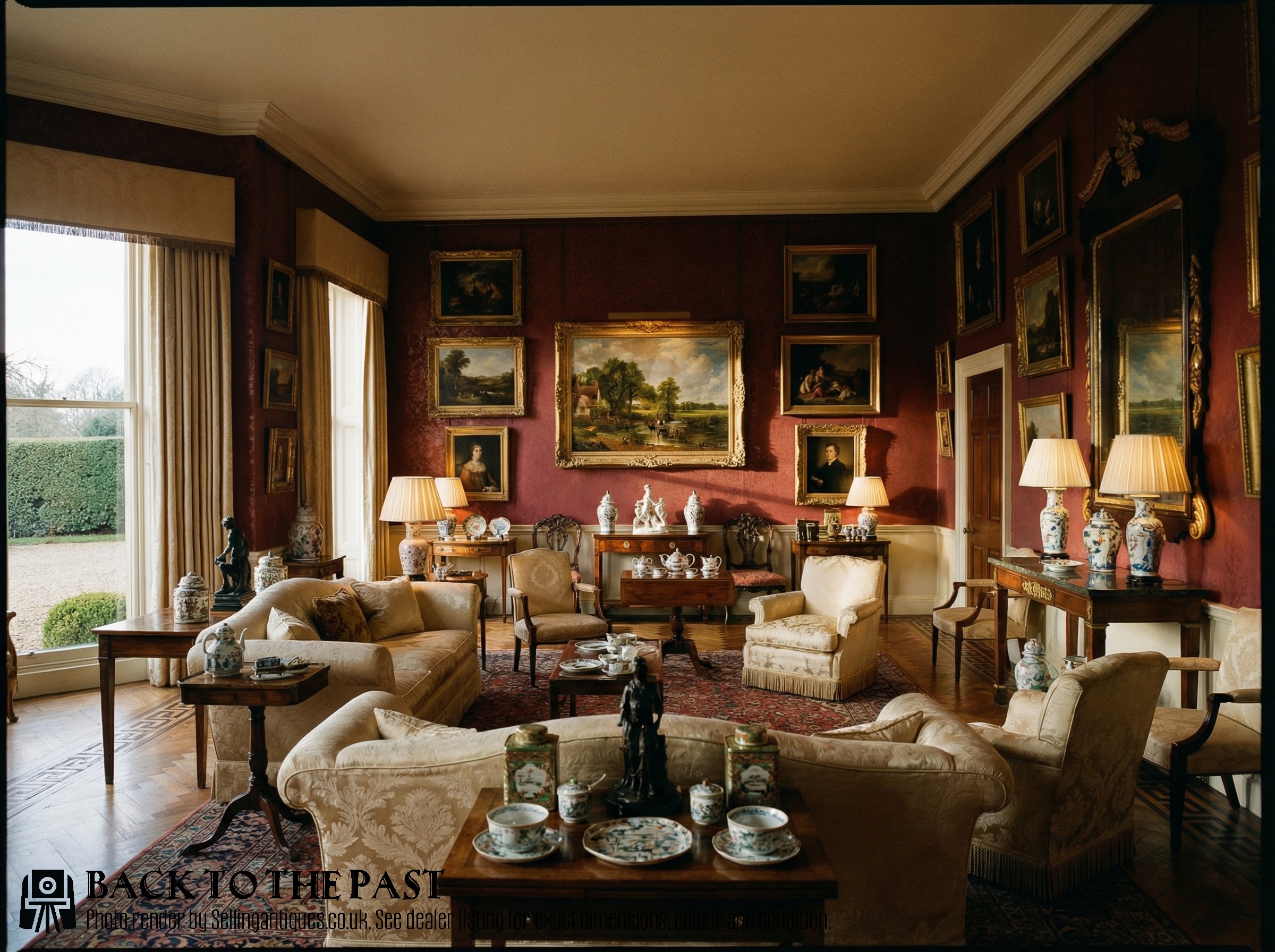
Vintage Pier Glass Mirror
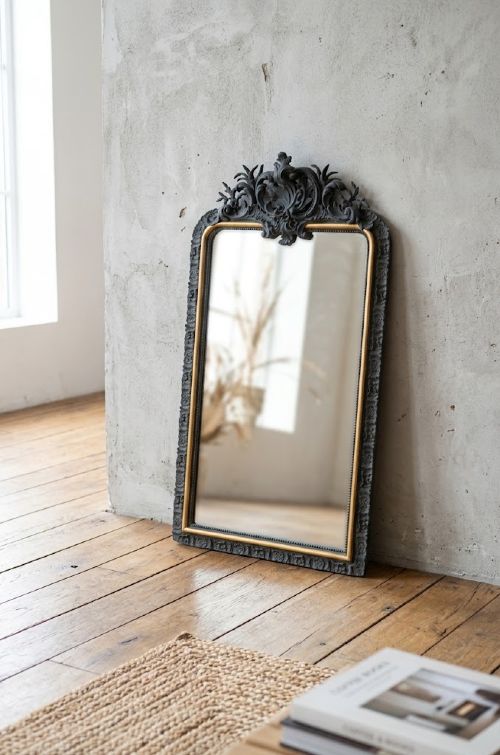
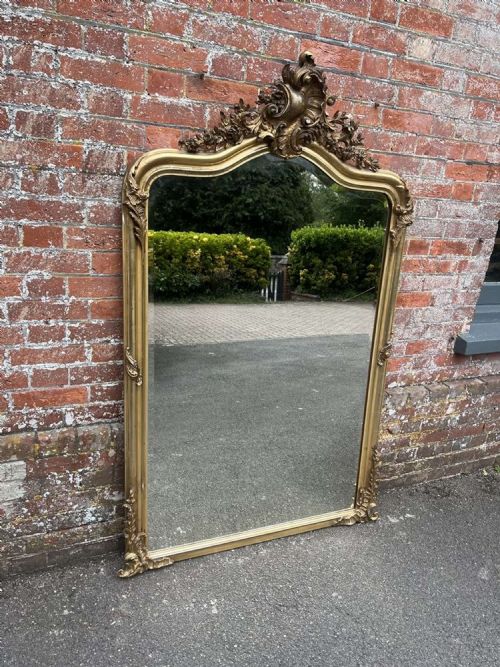
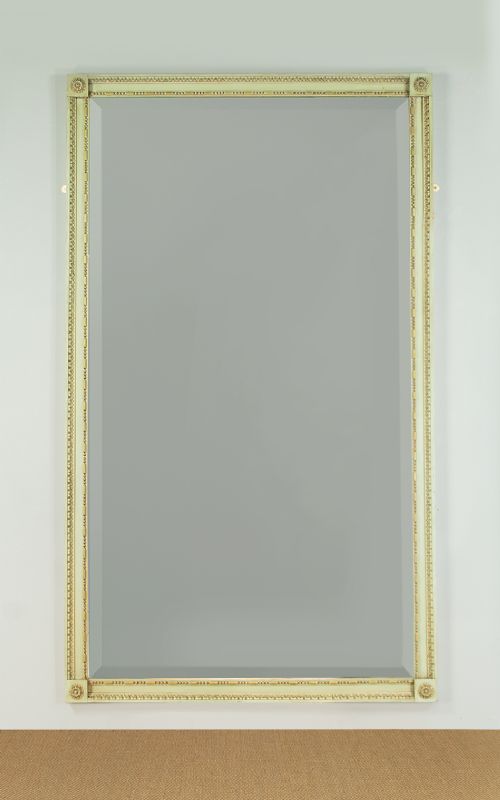
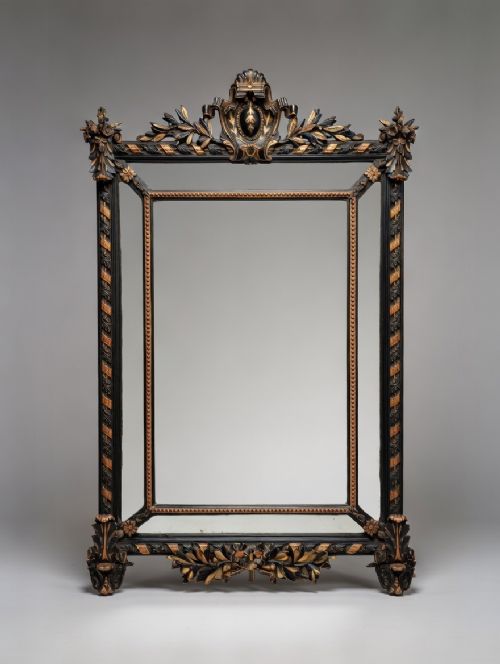
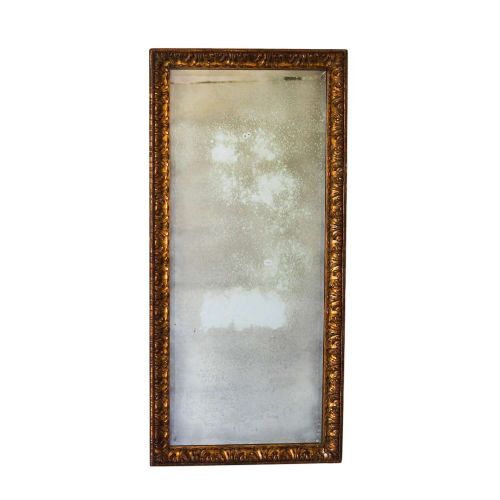
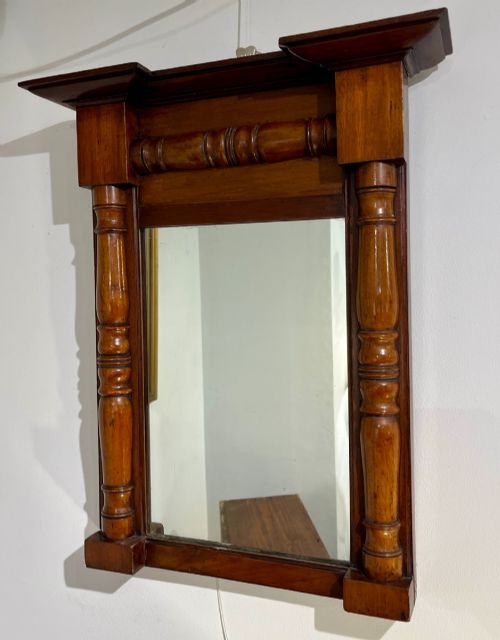
A vintage pier glass mirror is typically designed to occupy the narrow wall space between windows, reflecting daylight deep into an interior. The pieces appearing here span Georgian, Regency, Victorian, and early twentieth-century periods, alongside French and Italian regional variations.
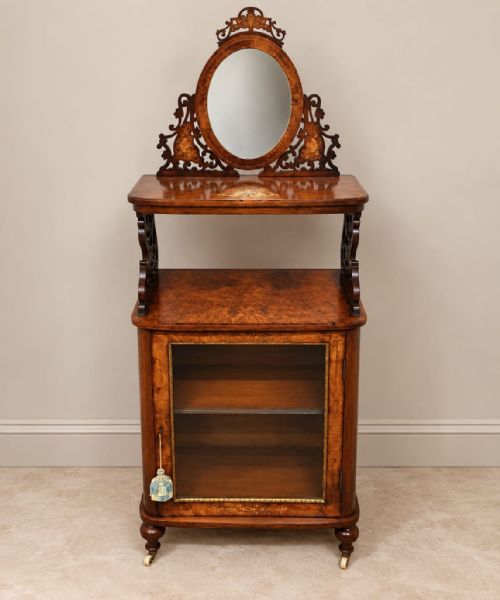
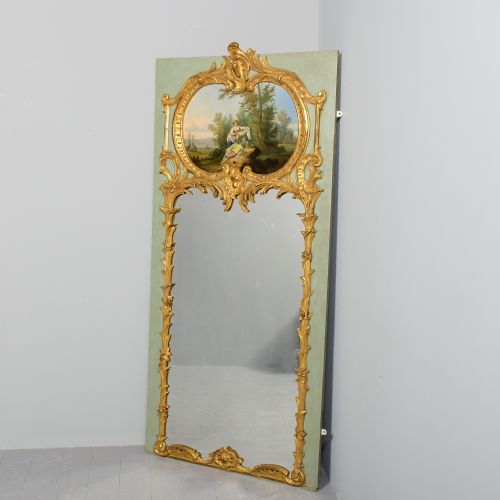
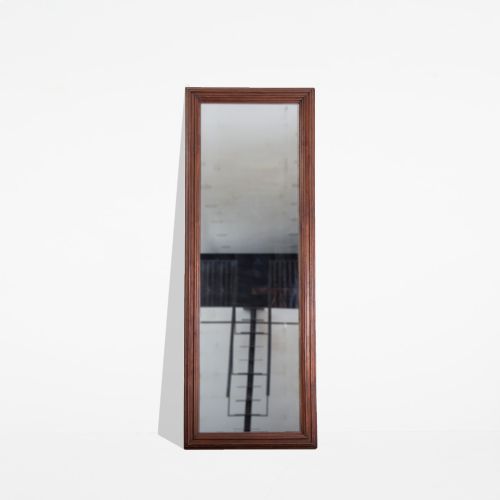
Forms range from compact mahogany frames to monumental giltwood pieces, sometimes paired with console tables or featuring painted trumeau panels above the glass plate. Regional styles draw heavily on Rococo Revival and classical design idioms, executed in both British workshops and continental studios.
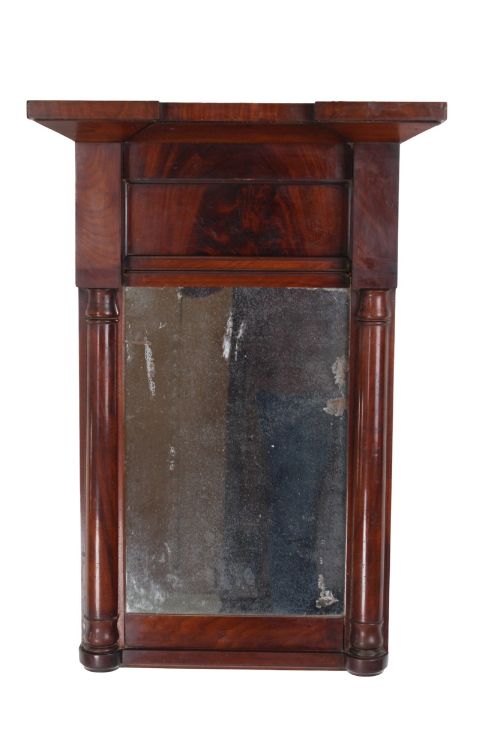
Buyers encounter examples shaped with arched tops, rectangular proportions, or divided sections, reflecting the architectural demands of the rooms they originally inhabited. Walnut, mahogany, and giltwood dominate the structural choices across these periods.
How they were made
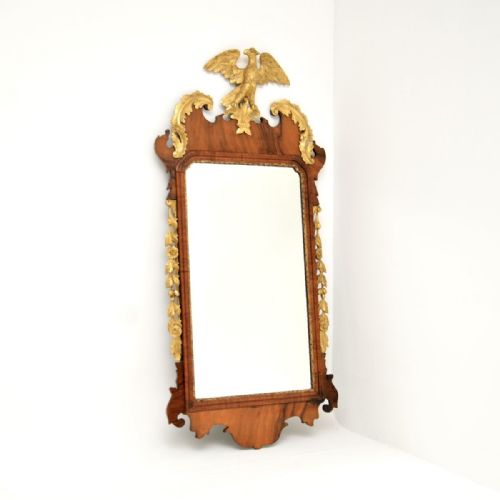
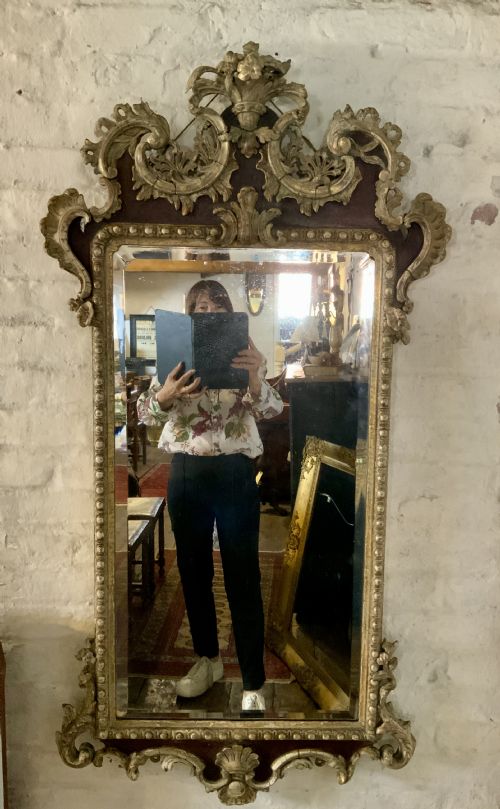
Carpenters constructed the structural frames using native and imported timbers such as mahogany, walnut, and maple, often applying fine parcel-gilt detailing to accentuate carved mouldings. Giltwood and gesso surfaces required skilled carving on softwoods before layers of gold leaf or silver leaf were meticulously applied.
Glass production relied on traditional techniques, yielding mirror plates that occasionally show the slight imperfections or silvering loss characteristic of age. Decorative elements such as fretwork, hand-painted panels, and reverse glass prints were integrated directly into the frame or upper trumeau section.
An unusual maple-framed mirror carries a reverse glass print recording a naval engagement between British and American forces.
What varies in quality
The distinction between standard examples and the finest pieces rests on the crispness of the wood carving, the depth of the gesso relief, and the integrity of the original gilding. Master craftsmen achieved proportions and joinery that remain robust, whereas lesser pieces often show heavier, less refined decorative detailing.
The preservation of original glass plates and secondary mirrors also dictates standing within the category. Pieces retaining their original parcel-gilt highlights and unblemished structural timbers command greater recognition among collectors.
The Vintage Pier Glass Mirror Glossary
- Pier glass
- A tall mirror specifically proportioned to hang on the narrow wall between two windows. It often sat above a pier table or console.
- Gesso
- A plaster-like mixture applied to wood frames to create a smooth surface for carving and gilding. It allows for intricate relief ornamentation.
- Trumeau
- A decorative wall panel that incorporates a painted scene or mirror plate within wood panelling. These originated in grand French interiors.
- Parcel gilt
- A finishing technique where only specific portions of a carved or painted frame are highlighted with gold leaf. This creates contrast against a darker wood or painted ground.
- Fretwork
- Openwork ornamentation cut from thin boards using a fret saw, frequently seen on Georgian and Chippendale-period frames.
Vintage Pier Glass Mirror: Frequently Asked Questions
Where should a pier mirror hang?
These mirrors are traditionally hung in the narrow wall space between two windows to maximise ambient daylight in a room. They also function effectively above low side cabinets or console tables.
Placing them opposite a light source helps illuminate darker corners while creating an illusion of greater spatial depth.
How do I identify a Georgian mirror?
Georgian pieces typically feature architectural proportions, dense timber construction like mahogany or walnut, and restrained carving. Details often include parcel-gilt accents and fretwork panels.
Later Victorian interpretations tend to display heavier ornamentation, more elaborate gesso work, and bolder revival styles.
What is a trumeau mirror?
A trumeau mirror combines a glass plate with an upper decorative panel that may feature oil painting, carved wood, or a reverse glass print. These originated in eighteenth-century French interior design.
They were built to integrate directly into wall panelling or to serve as decorative focal points above mantelpieces and consoles.
Are the mirror plates original?
Many older pieces retain their original silvered glass, which can exhibit light foxing, minor speckling, or gentle distortion. These traits reflect age and manufacturing methods of the period.
Some pieces have received replacement plates over time to ensure a clearer reflection while retaining the historic frame.