
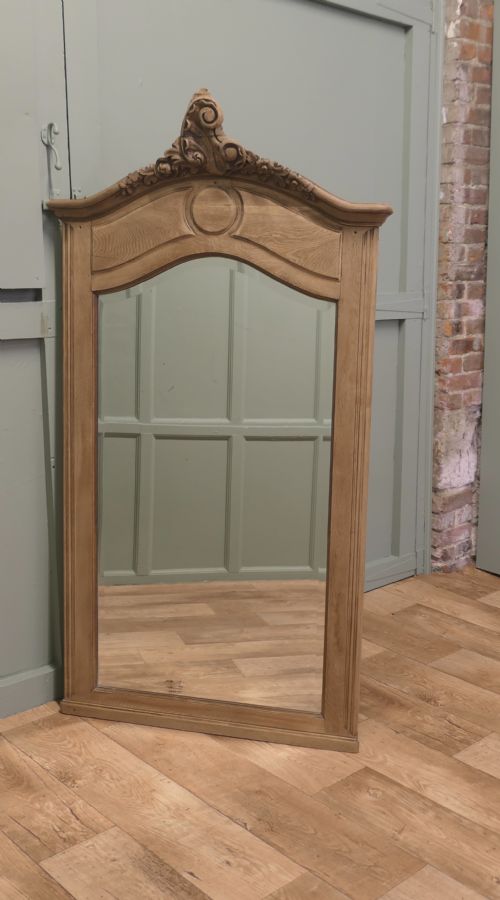
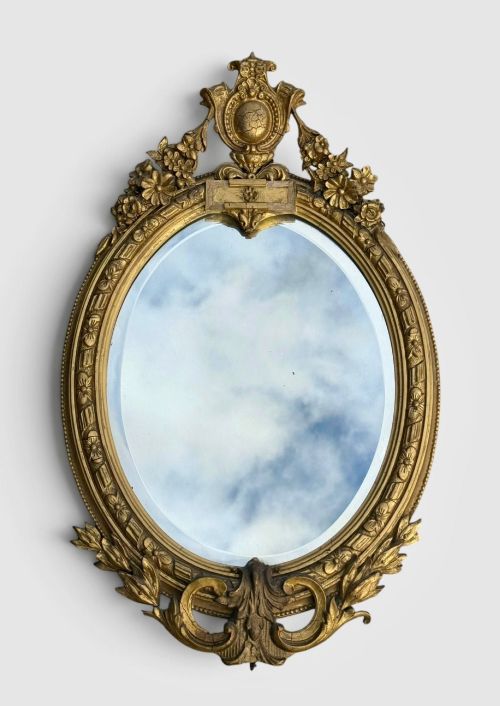
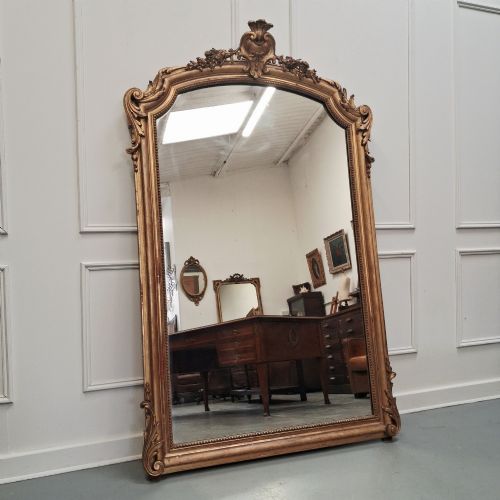
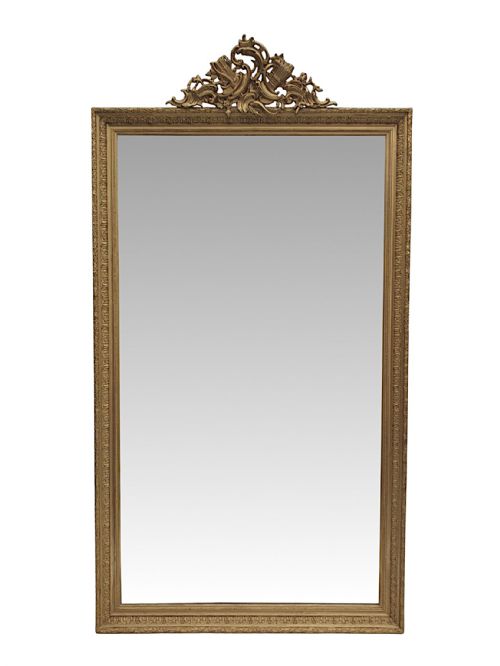
Carved Crested Wall Mirror
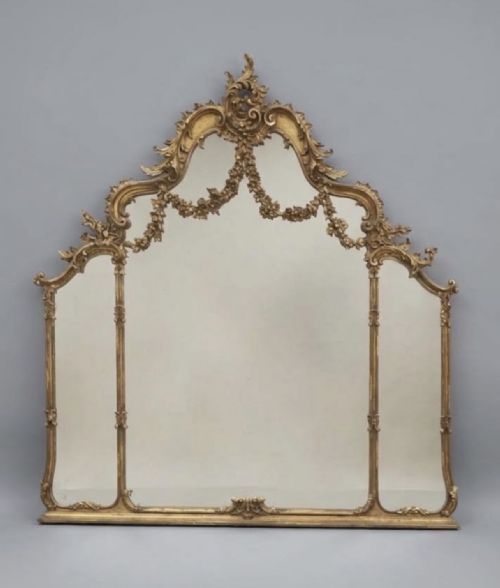
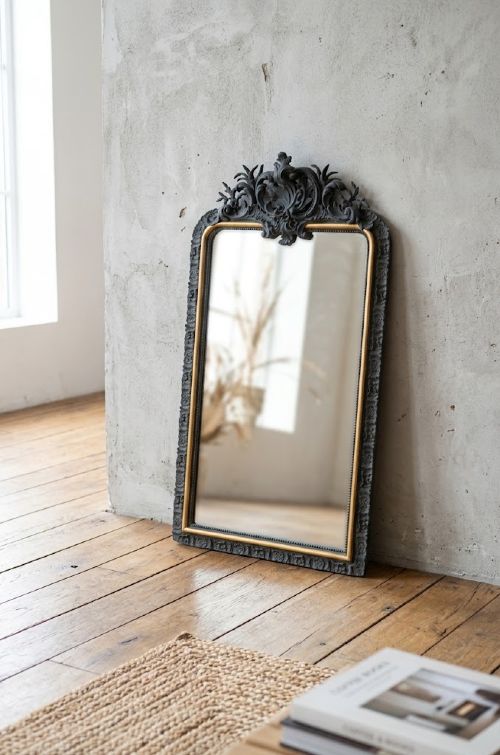
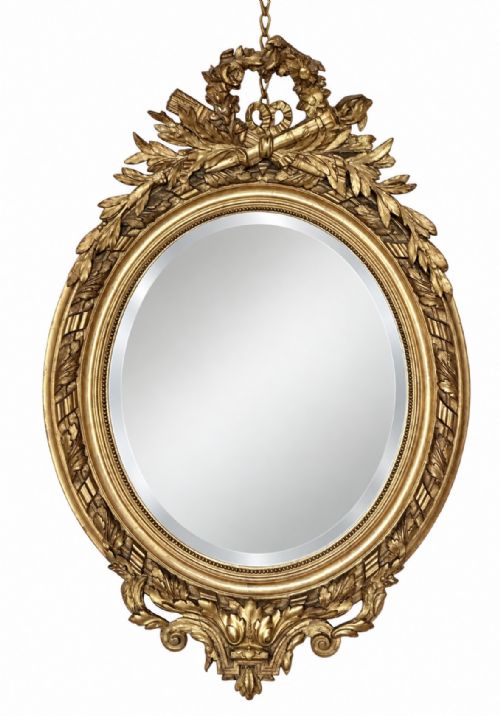
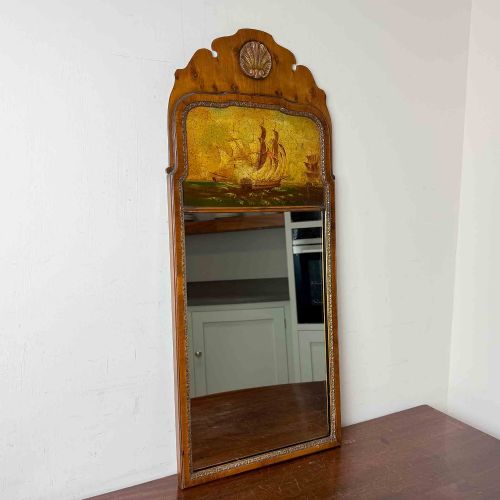
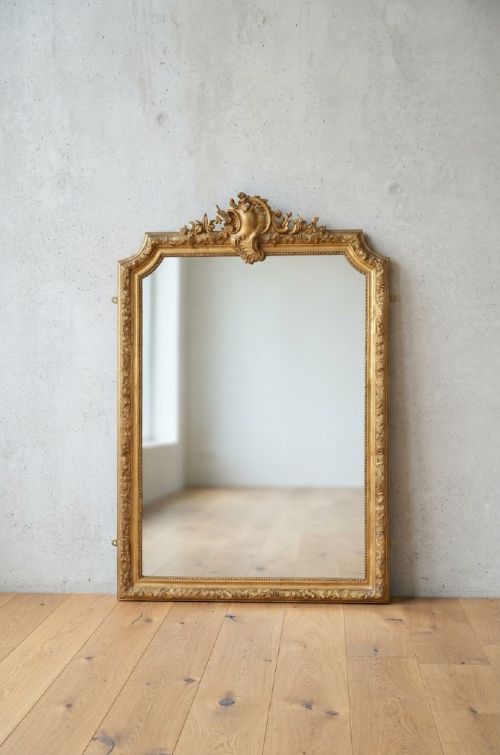
The carved crested wall mirror brings together timber, gesso and gilding to anchor a room with a defined upper silhouette.
Carved Crested Wall Mirror
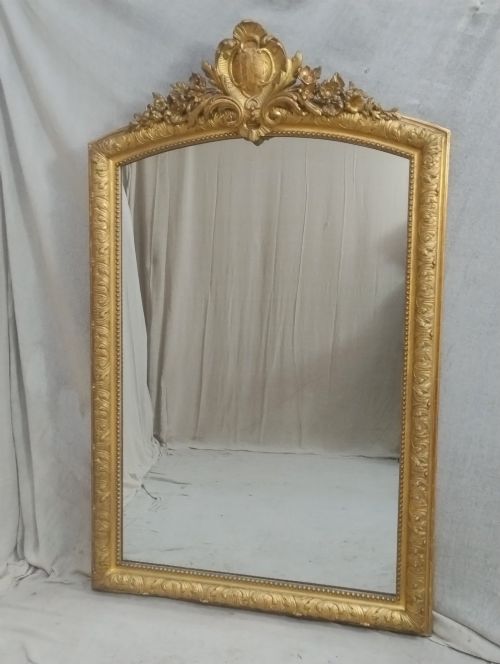
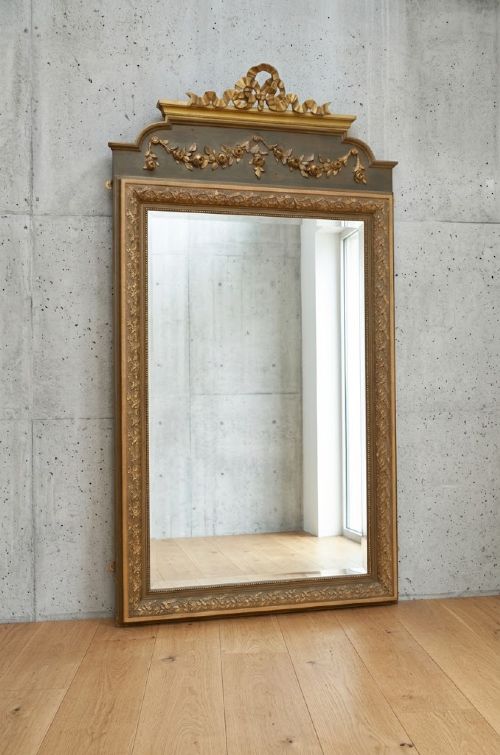
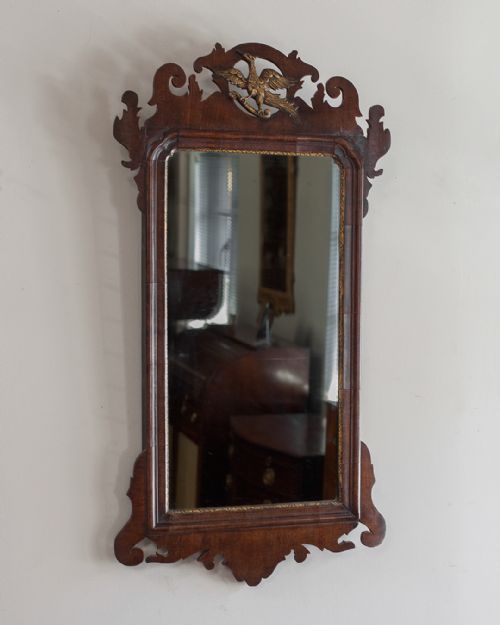
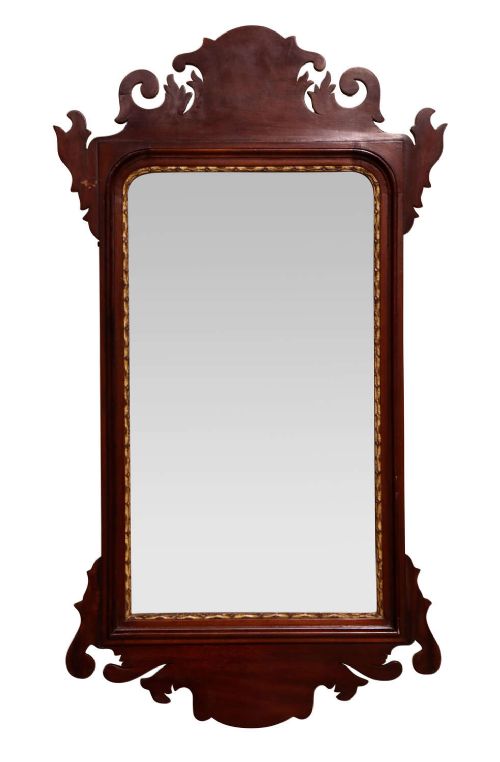
When you search for a carved crested wall mirror, you encounter pieces defined by an architectural or sculptural ornament rising above the glass frame. The selection spans the eighteenth and nineteenth centuries, taking in Georgian mahogany fretwork alongside ornate French giltwood and gesso pieces.
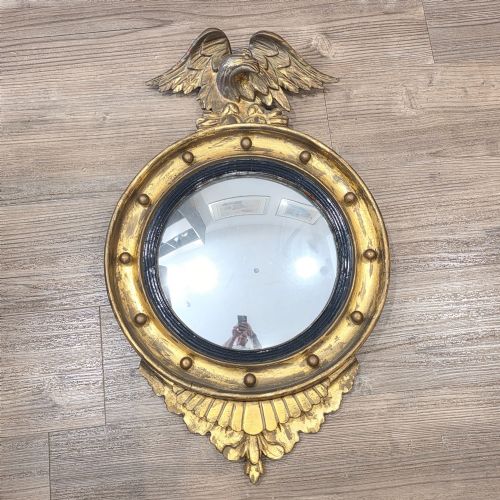
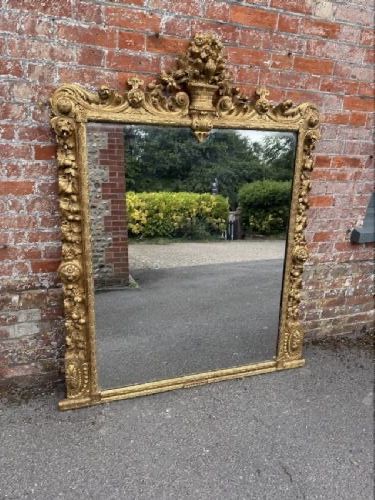
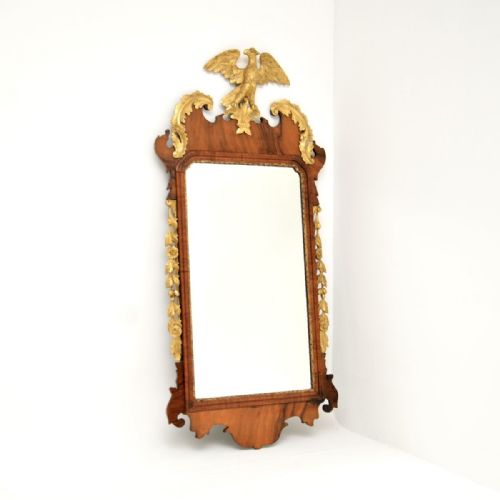
The version you are most likely to meet on this page is the nineteenth-century giltwood wall mirror or overmantel, frequently bearing classical motifs, ribbons, or eagle crests. These range from compact convex circular frames to tall pier and overmantel formats designed for principal rooms.
How they were made
Makers shaped these frames from solid timbers such as mahogany, oak, and ebonised wood, or built up sculptural details using gesso applied over a wooden base. Gesso allowed craftsmen to carve intricate floral swags, scrolls, and crests that were subsequently finished with gold leaf or paint.
Mirrors combined traditional silvered or mercury glass with structural backboards, often incorporating original bevels or foxed glass plates. Joinery techniques varied from simple lap joints on early fretwork frames to complex internal bracing for large nineteenth-century overmantel mirrors.
Listings span the eighteenth and nineteenth centuries, incorporating Georgian mahogany, Regency convex forms, and ornate Napoleon III giltwood wall mirrors.
What varies in quality
The quality of a carved crested wall mirror rests in the crispness and depth of the manual carving rather than mechanical uniformity. Crisp undercut foliage and sharply defined crests separate superior pieces from softer, blunter mouldings.
The integrity of the surface finish dictates value, where original gold leaf, untouched gesso, and period mirror glass carry greater authenticity than later re-gilding or modern plate replacements.
Gillows Of Lancaster
The Carved Crested Wall Mirror Glossary
- Crest
- The decorative ornamental feature mounted at the top centre of a mirror frame. It often takes the form of an eagle, a ribbon, or a carved cartouche.
- Gesso
- A plaster-like material composed of glue binder, chalk, and gypsum applied to wood frames. It provides a smooth base for subsequent gilding and deep relief carving.
- Giltwood
- Timber that has been coated with a thin layer of gold leaf or gold paint. It forms the primary decorative finish for formal Georgian and nineteenth-century frames.
- Fretwork
- Thin wood panels pierced with decorative geometric or organic patterns using a fret saw. This technique defines lightweight eighteenth-century mahogany frames.
- Convex mirror
- A circular glass mirror with a curved surface that reflects a wide, distorted field of vision. These pieces frequently feature eagle surmounts and candle arms.
- Mercury glass
- Mirror glass produced by pouring a liquid tin-mercury amalgam behind the glass plate. It creates a characteristic dark, mottled appearance known as foxing.
Carved Crested Wall Mirror: Frequently Asked Questions
What is a carved crested wall mirror?
A carved crested wall mirror is a framed reflective glass panel featuring a distinct sculptural or architectural ornament rising above the top edge. These pieces utilise carved wood, gesso, and gilding to create decorative focal points.
They appear across eighteenth and nineteenth-century styles, including Georgian mahogany fretwork, Regency convex circular frames, and ornate French giltwood overmantels.
How were these mirrors used?
Historically, these mirrors served both practical grooming functions and decorative roles to amplify natural light within dimly lit rooms. Placed above mantelpieces, console tables, or dressing furniture, they added vertical presence to interior walls.
Large overmantel formats anchored formal reception rooms, while smaller convex and pier mirrors suited hallways, parlours, and dressing spaces.
How do I hang a heavy antique mirror?
Hanging a heavy antique wall mirror requires locating secure wall anchors or direct masonry fixings capable of supporting the substantial weight of wood, gesso, and glass. Professional mirror hangers often employ French cleats or robust steel brackets attached directly to the wall studs.
Due to the age of the structural backboards and frames, weight should be distributed evenly across the primary wooden chassis rather than relying solely on decorative top rings or crests.
How do I tell periods apart?
Distinguishing periods relies on observing wood species, decorative motifs, and construction techniques. Eighteenth-century pieces frequently feature figured mahogany fretwork or early carved giltwood frames with rococo masks.
Nineteenth-century examples tend towards heavier gesso ornamentation, Louis XVI revival styles, black and gold Napoleon III finishes, or convex circular frames with eagle surmounts.