




Antique Distressed Mantle Mirror
These large architectural glasses anchor a room above the hearth, bringing storied character to period interiors.
Antique Distressed Mantle Mirror
When you search for an antique distressed mantle mirror, you are looking at substantial overmantels designed to sit directly above fireplace surrounds. These pieces function visually to bounce light around a reception room while establishing a commanding architectural focal point.
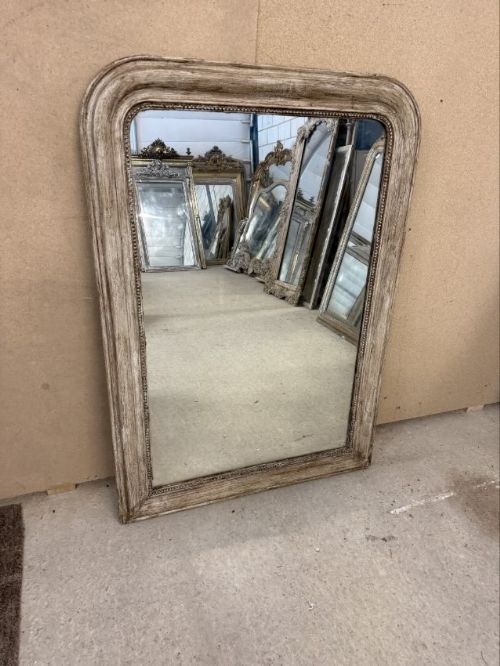
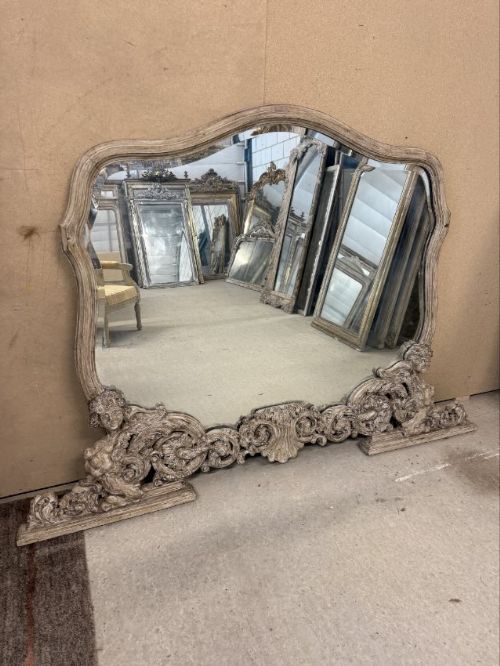
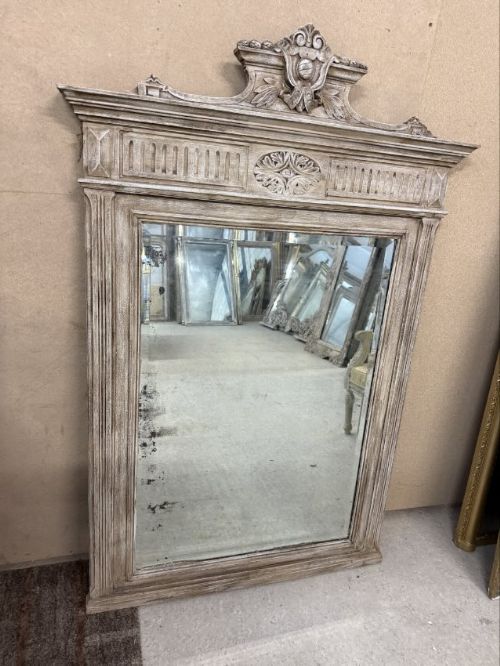
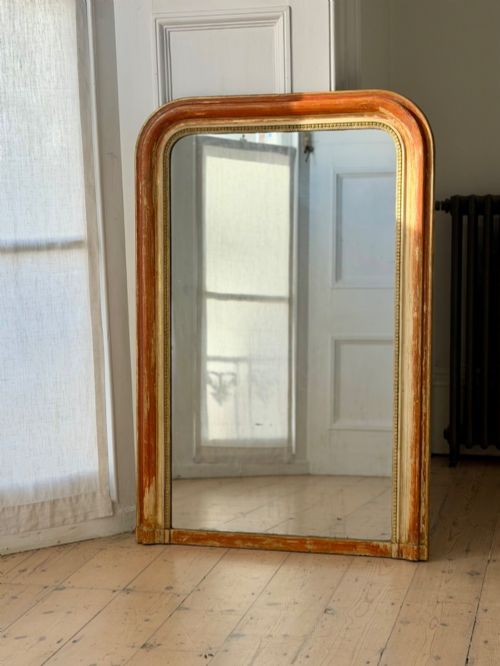
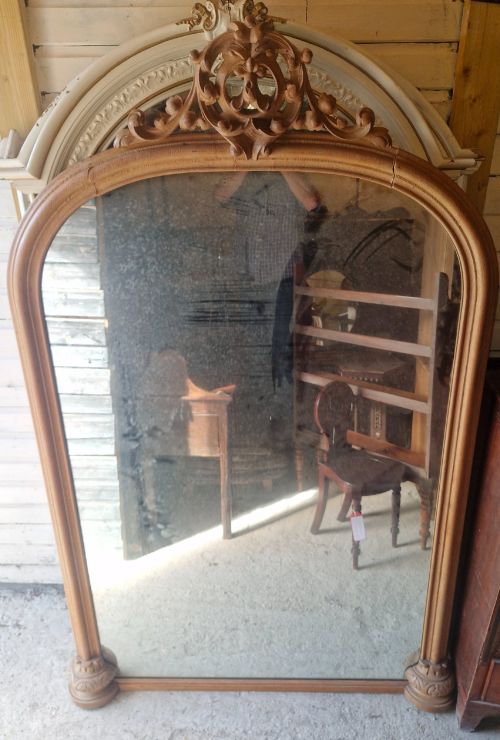
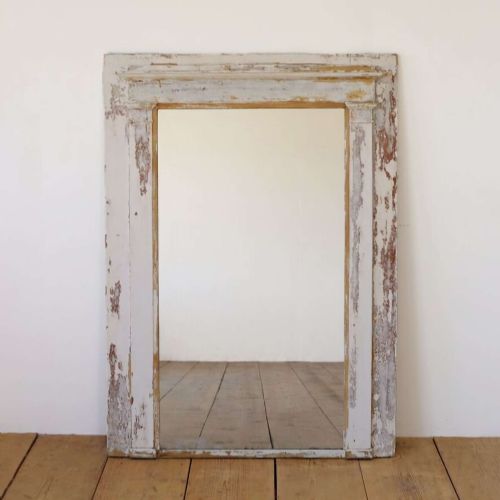
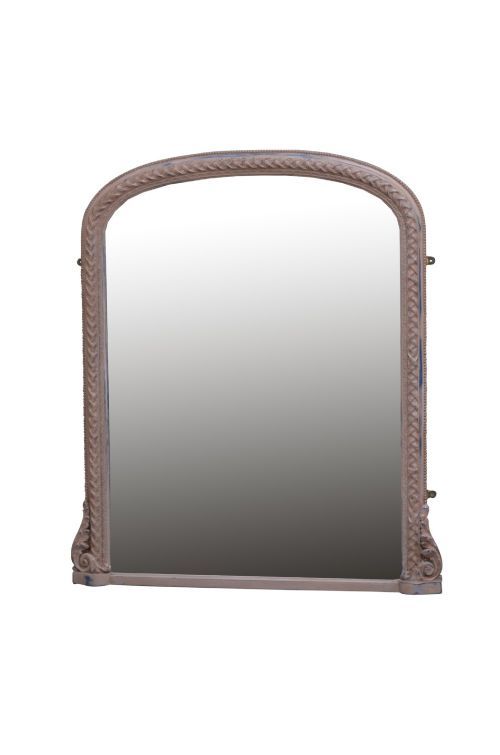
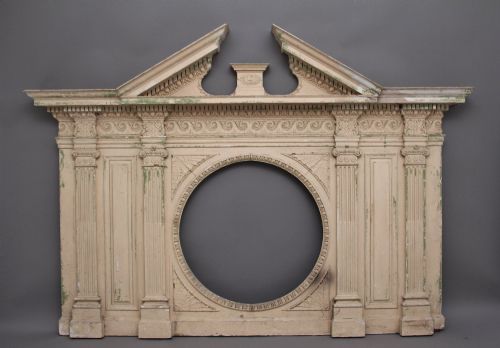
The pieces on this page lean heavily towards nineteenth-century English and French examples, taking forms such as arched tops, shaped frames, and column-framed variants. You will frequently encounter surfaces finished in painted wood or original distressed gilt, often spanning generous proportions suited to period chimneys.
How they were made
Makers built the foundational framework using carved wood, frequently applying layers of gesso to build up complex moulded details, scrollwork, and architectural cornices. This combination of timber and plaster provided a stable base for subsequent decorative treatments.
Surfaces were then finished with gold leaf or painted schemes, which over decades have developed natural distress, crackleur, and patination through age and environment.
Antique Distressed Mantle Mirror Retail Price Guide 2026
Typical asking prices for distressed mantle mirror among the pieces listed under this phrase on Sellingantiques today, from the lower quarter to the upper quarter. They describe what is for sale here now, not the wider market.
Several mirrors carry the faint ghosts of nineteenth-century coal smoke and candle soot tucked deep within their carved gesso crevices.
What varies in quality
The distinction between ordinary and exceptional examples lies in the depth and crispness of the hand-carved woodwork beneath the gesso, alongside the integrity of the original plate glass. Superior pieces display harmonious proportions and sophisticated moulding profiles that reflect the aesthetic ambition of the period.
Quality is also defined by the authenticity of the surface patination, where genuine age-worn paint or original gilding integrates naturally with the timber substrate rather than appearing contrived.
The Antique Distressed Mantle Mirror Glossary
- Overmantel
- A large mirror specifically proportioned to hang above a mantelpiece or fireplace. These objects often incorporate architectural motifs like columns or arched crowns.
- Gesso
- A plaster-like mixture applied to carved wooden frames to create a smooth surface for gilding or painting. It allows for intricate relief ornamentation.
- Giltwood
- Timber that has been coated with a thin layer of gold leaf or gold powder. Over time, this finish wears to reveal the warm red bole or dark wood underneath.
- Louis Philippe
- A mid-nineteenth-century French style characterised by restrained classical elegance, often featuring softly rounded upper corners and simple moulded frames.
- Fretwork
- Ornamental perforated or cut-out wooden patterns applied to mirror frames. This technique adds linear geometry and delicate detail to the piece.
Antique Distressed Mantle Mirror: Frequently Asked Questions
Are the mirror plates original?
Many surviving examples retain their original mercury or early silvered glass, which typically exhibits characteristic foxing, dark spots, and gentle distortion.
Replacement glass does occur in pieces of this age, so examining the backboards and fixings helps determine originality.
How do I clean distressed gilt surfaces?
Dust the carved and gilded frame gently using a very soft, dry brush to prevent dislodging fragile flakes of old leaf or aged paint.
Avoid liquid cleaners, modern detergents, or abrasive cloths entirely, as these will strip the delicate historic patination.
What is the difference between French and English styles?
English overmantels from the nineteenth century frequently utilise bold architectural columns, rectangular formats, or heavy painted pine constructions.
French equivalents, such as Louis Philippe or Rococo Revival designs, often showcase softer arched tops, intricate gesso scrollwork, and refined pastel or gilt palettes.