



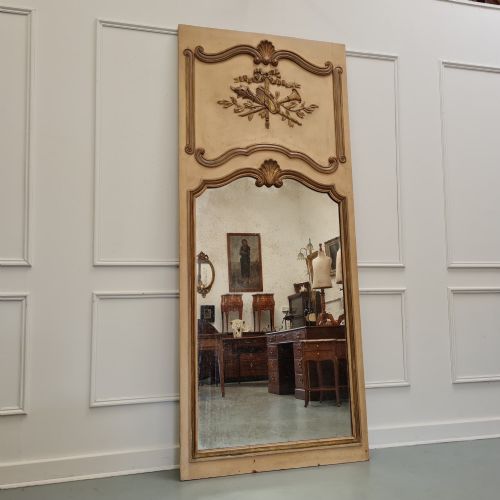

Louis XVI Painted Mirror
Louis xvi painted mirror pieces bring neoclassical French elegance into a room through carved wood, gesso, and muted painted finishes.
Louis XVI Painted Mirror
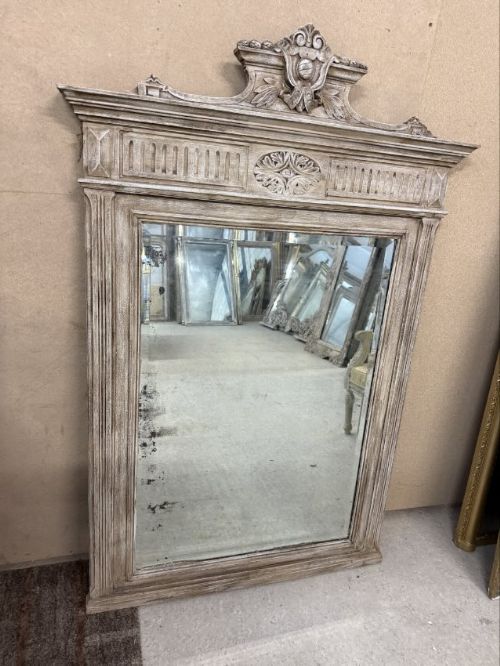
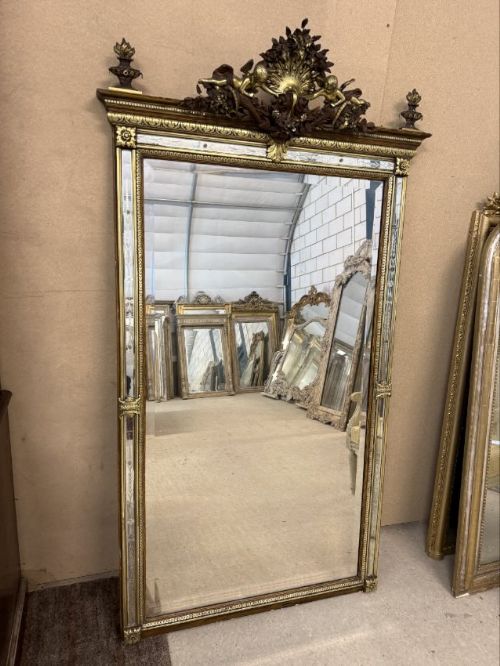
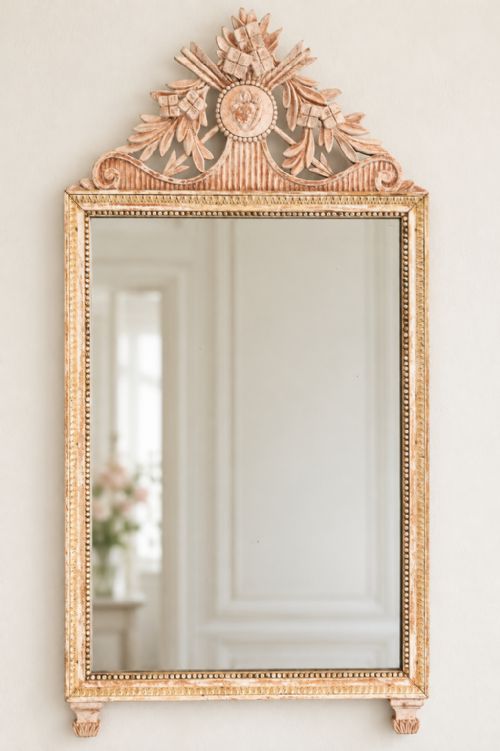
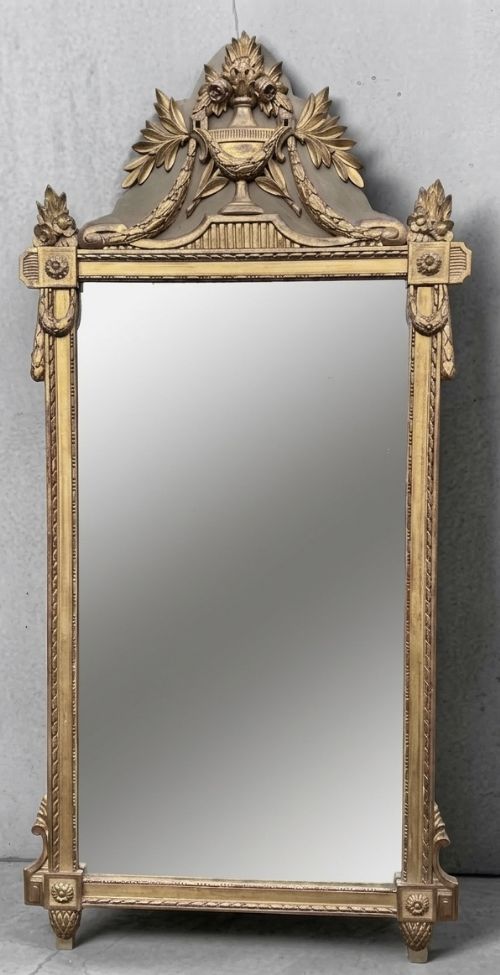
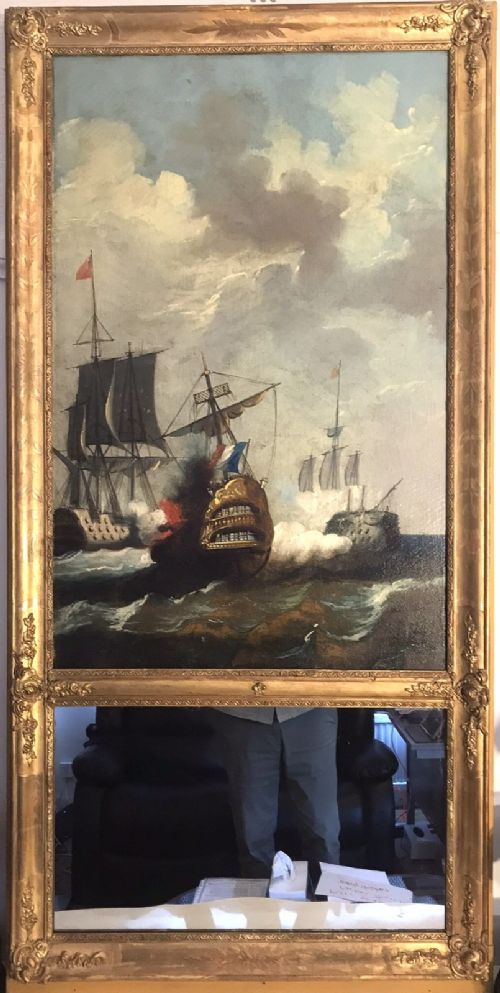
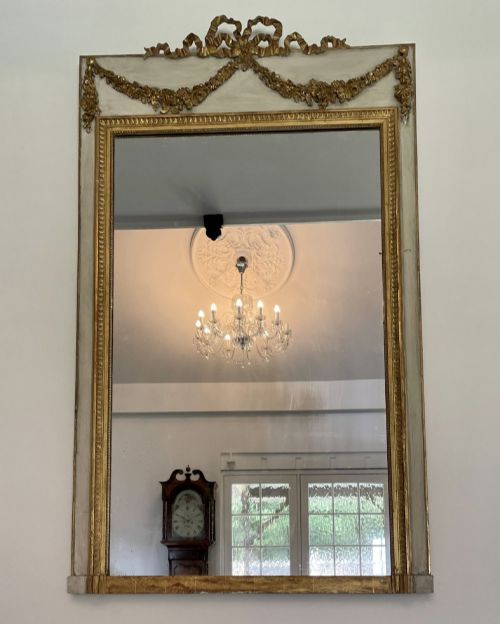
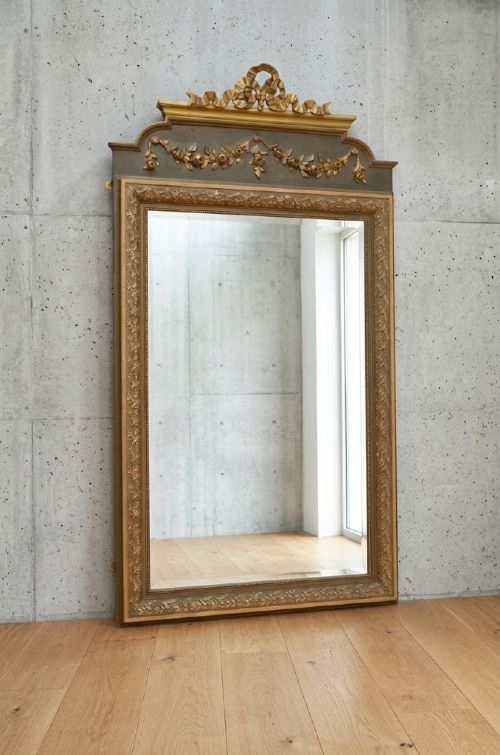
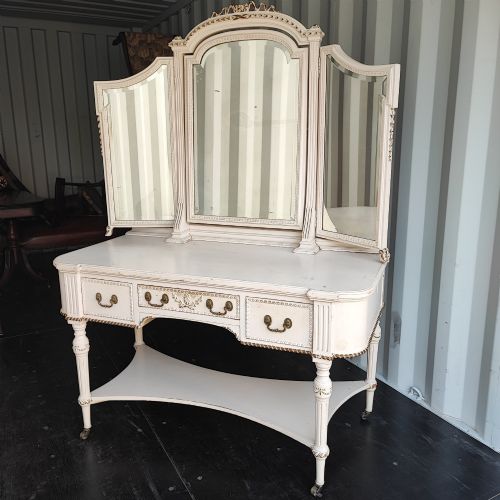
A louis xvi painted mirror takes several distinct shapes across the inventory, ranging from tall trumeau panels with integrated oil paintings to overmantel and pier mirrors designed for specific interior settings. These pieces draw on French neoclassical and revival design vocabulary, appearing frequently alongside console tables or dressing furniture.
The selections span the nineteenth century, including specific dates from eighteen fifty through nineteen hundred, alongside late eighteenth century examples like Normandy pieces. Buyers encounter wall mirrors, oval frames, and column-framed architectural glasses carrying original paint and gilt highlights.
Styles recorded in the archive and current stock lean heavily toward French chateau, provincial, and Louis XVI revival aesthetics. The frames combine structural wood cores with decorative gesso moulding to achieve the characteristic symmetrical proportions of the neoclassical tradition.
Materials and construction
Craftsmen built these frames using carved wood and applied gesso to form crisp classical motifs such as ribbons, columns, and floral details. Gold leaf, parcel gilt, and traditional paint finishes were applied over the wooden substrates, often combining olive green or grey tones with exposed gilding.
Mirrors from this selection frequently utilise early silvered or mercury glass plates, showing the characteristic depth and slight imperfections associated with period manufacture. Structural elements rely on joined timber frames designed to support tall vertical proportions and heavy overmantel formats.
Louis XVI Painted Mirror Retail Price Guide 2026
Typical asking prices for louis xvi painted mirror among the pieces listed under this phrase on Sellingantiques today, from the lower quarter to the upper quarter. They describe what is for sale here now, not the wider market.
Judging the pieces
Quality rests upon the integrity of the original paint and gesso surfaces, distinguishing pieces retaining untouched historic decoration from those with later re-decoration. The crispness of the hand-carved wooden details and the depth of the gilding separate standard production from finer atelier work.
The presence of original mercury glass adds a distinct optical quality to the mirror plate, whereas replacement glass alters the historic character. Proportions also dictate standing, as larger column-framed or trumeau formats with integrated artwork demand greater joinery skill.
Maples of London and Paris
The Louis XVI Painted Mirror Glossary
- Trumeau mirror
- A decorative wall mirror incorporating a painted panel or oil painting above the glass plate. These were traditionally built to fit flush into wood-panelled French drawing rooms.
- Gesso
- A plaster-like mixture applied to wood frames and carved into classical ornament before gilding or painting. It provides the sharp detail seen on neoclassical mouldings.
- Mercury glass
- An early form of silvered mirror plate created by pouring a mercury-tin amalgam between two glass sheets or backing a single plate. It creates a mottled, dark reflection.
- Pier mirror
- A tall mirror designed to hang on the narrow wall space between two windows. They often sit directly above matching console tables.
- Overmantel mirror
- A wide horizontal mirror scaled to fit above a fireplace mantelpiece. These pieces often feature architectural cornices and classical column framing.
Louis XVI Painted Mirror: Frequently Asked Questions
How do I hang a heavy trumeau mirror safely?
Large trumeau and overmantel pieces require professional wall fixings secured directly into structural masonry or heavy timber studs. The weight of the carved wood, gesso, and glass demands robust load-bearing brackets rather than standard picture hooks.
Position the mirror at a height that reflects natural light from windows or balances the proportions of a fireplace below. Ensuring the frame rests securely on supporting battens distributes the overall weight effectively.
What is mercury glass?
Mercury glass is an early reflective material made using a silvering process that often included a mercury amalgam behind the glass plate. Over time, this chemical backing develops characteristic dark spots, foxing, and a deep, soft reflection.
Collectors prize original mercury glass because it confirms the age of nineteenth-century and earlier frames. The gentle distortion and mottled appearance provide an authentic period aesthetic that modern mirror plates cannot replicate.
Where should I place a painted wall mirror?
These mirrors work best opposite windows to amplify natural daylight and create a sense of expanded depth in a room. Placing an overmantel format above a fireplace anchors the vertical proportions of traditional interior architecture.
Pairing a pier mirror with a matching console table recreates historic French salon arrangements. Ensure the painted finish complements the surrounding colour palette of the wall.