



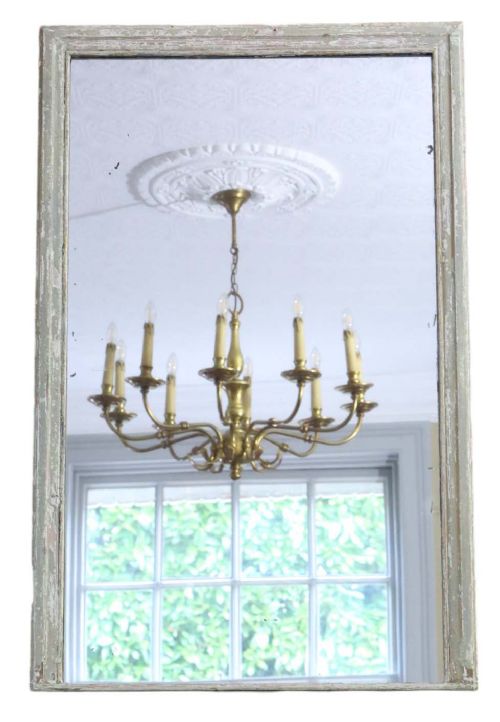


Rustic French Wall Mirror
These rustic french wall mirror pieces bring provincial character and aged glass into a room, offering an immediate sense of history.
Rustic French Wall Mirror
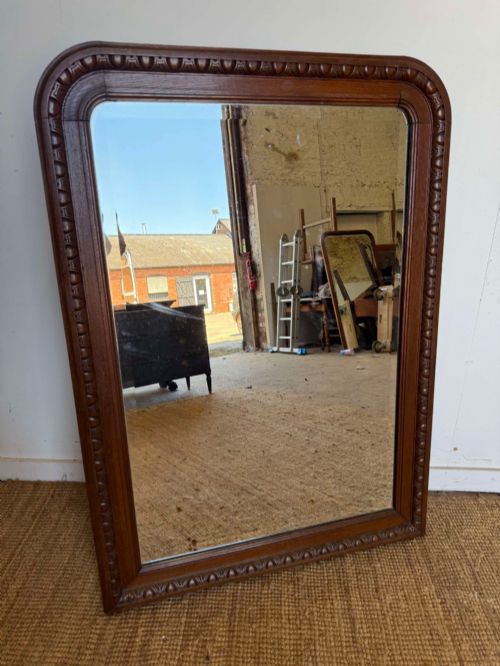
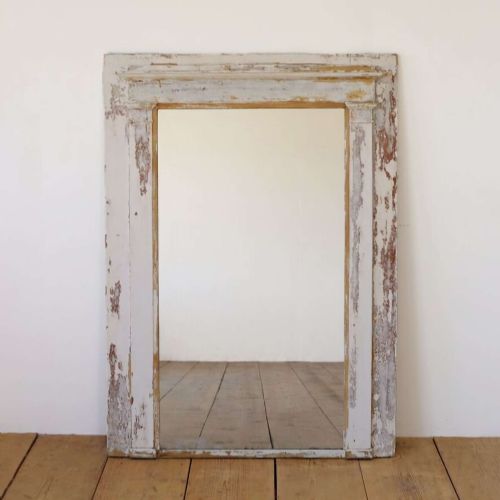
A rustic french wall mirror brings time-worn provincial character to an interior, drawing on traditions of French country and provincial design. These pieces often feature timber frames, distressed paint finishes, or natural wood textures that reflect vernacular European interiors.
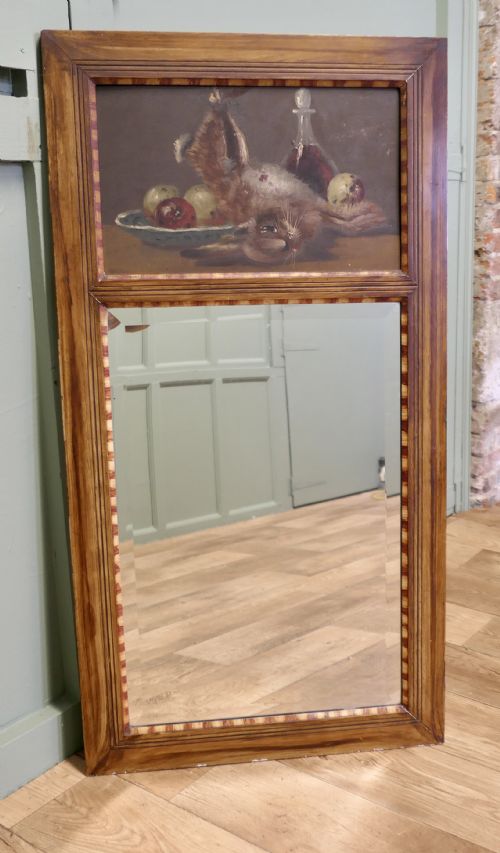
The selection here encompasses various forms, from tall trumeau pier mirrors and overmantels to simple bistro mirrors and window mirrors. Dating primarily across the nineteenth century into the early twentieth century, they showcase regional European craftsmanship in oak, carved wood, and painted finishes.
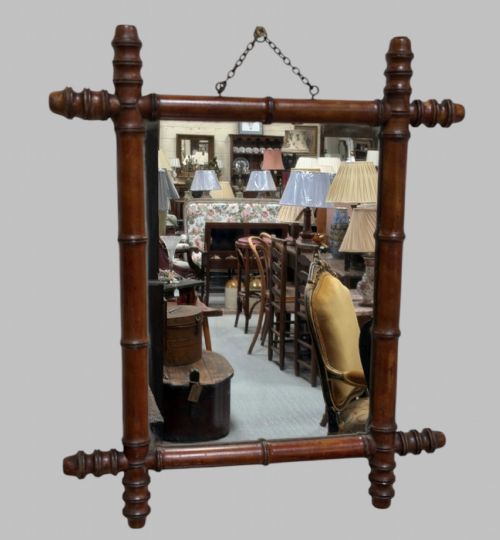
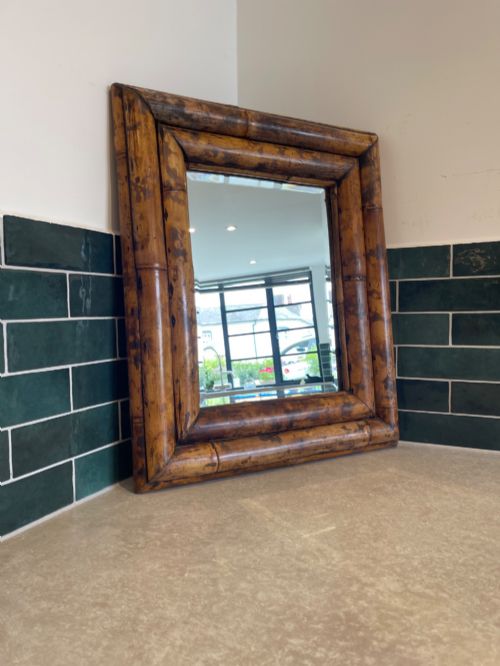
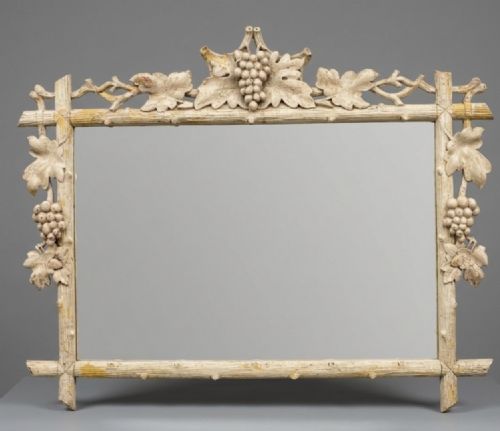
Buyers will encounter both understated country designs and more decorative interpretations influenced by Victorian styles, French Renaissance revival, or faux bamboo and faux bois techniques. Each piece functions simultaneously as a practical reflective glass surface and a focal architectural element.
How they were made
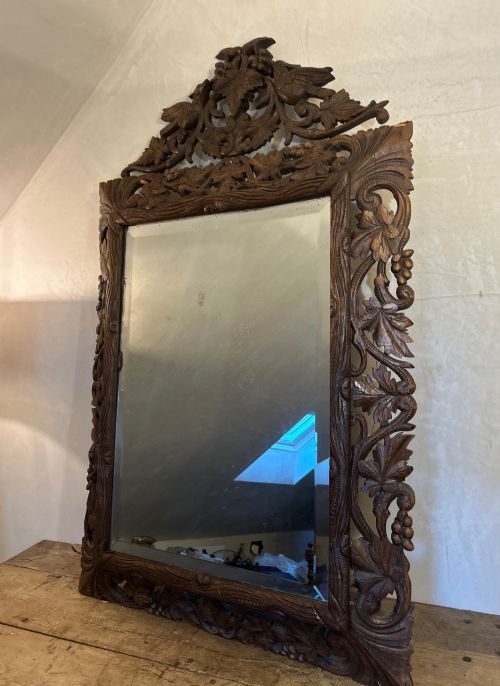
Makers utilised solid timbers such as oak, alongside carved wood and gesso, building robust structures to support heavy mirror glass. Frames were frequently shaped by hand, employing fret cut techniques or carved details to create scrolls, arched tops, and architectural moulding.
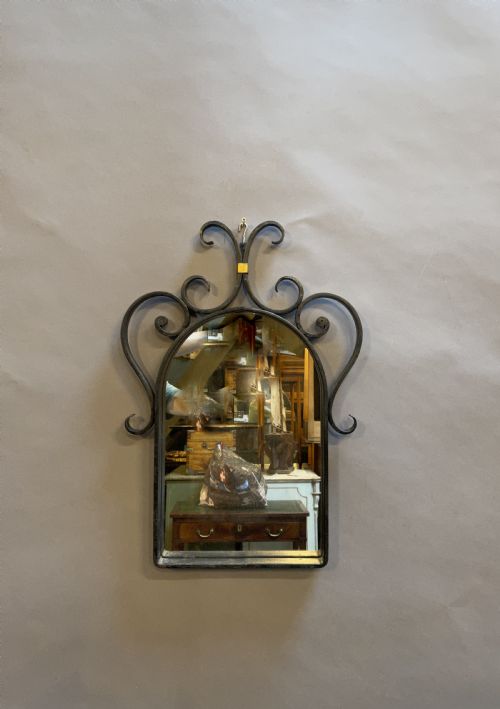
Surfaces were finished with paint, scrubbed wood treatments, or applied gesso, often developing natural patination over decades of use. Iron elements or cast iron components occasionally provided structural reinforcement and decorative accenting.
Glazing involved traditional mirror glass set securely within wooden rabbets, occasionally showing the gentle foxing and age spots characteristic of nineteenth-century manufacture.
Rustic French Wall Mirror Retail Price Guide 2026
Typical asking prices for rustic french wall mirror among the pieces listed under this phrase on Sellingantiques today, from the lower quarter to the upper quarter. They describe what is for sale here now, not the wider market.
Several mirrors display clever faux bamboo and faux bois carpentry, proving makers loved imitating trees.
What varies in quality
The distinction between examples rests largely on the depth of hand-carving and the integrity of the original materials. Pieces featuring detailed fret cutting or substantial carved oak display a higher degree of artisan skill than simpler utility frames.
The condition of the surface finish also determines standing, with original painted layers, undisturbed gesso work, and authentic scrubbed timber retaining more character than later overpainting. Furthermore, the quality of the glass itself - whether original mirror glass with natural ageing or later replacement - influences the overall historical authenticity.
The Rustic French Wall Mirror Glossary
- Trumeau mirror
- A tall wall mirror designed to fit a specific pier wall between windows, frequently incorporating painted panels or decorative carvings above the glass.
- Overmantel mirror
- A wide mirror specifically proportioned to hang on the wall directly above a fireplace mantelpiece.
- Gesso
- A plaster-like mixture applied to wooden frames as a smooth base for subsequent painting or gilding.
- Faux bois
- A decorative technique where wood grain is painted onto a surface to imitate natural timber.
- Bistro mirror
- A simplified, practical mirror style historically utilised in French cafes and public houses.
- Foxing
- The natural age-related brown spots and speckling that develop within older mirror glass over time.
Rustic French Wall Mirror: Frequently Asked Questions
How do I hang a heavy antique mirror safely?
These mirrors often feature substantial wooden frames and heavy glass, requiring secure fixings into structural wall studs or masonry. Utilising professional mirror brackets or heavy-duty D-rings distributed evenly across the back ensures the weight is supported safely.
Positioning the piece at the correct eye level also prevents undue strain on the hanging wire and balances the visual weight within the room.
How do I identify a true nineteenth-century French mirror?
Examination of the timber construction, joinery methods, and the backboards often reveals the age and regional origin of the piece. Hand-cut joinery and original fixings point towards nineteenth-century production.
The presence of original mirror glass exhibiting natural foxing further supports the period attribution alongside traditional French stylistic cues.
Can I place these mirrors in a bathroom?
High humidity and moisture in bathrooms can damage vulnerable wooden frames, gesso, and original mirror backing over time. If placed in such an environment, adequate ventilation is essential to protect the antique materials.
Dry interior spaces such as hallways, living rooms, and bedrooms remain the most suitable locations for preserving these pieces.