



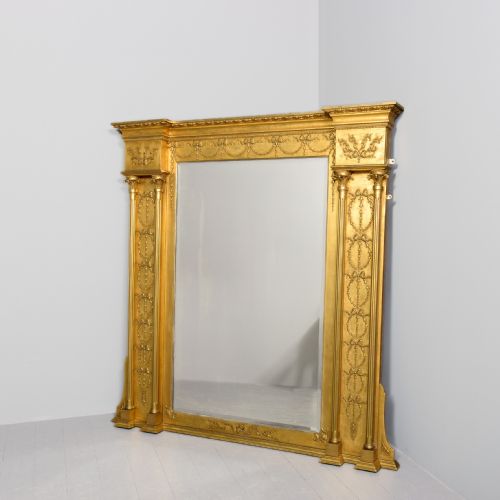

Large Architectural Wall Mirror
A large architectural wall mirror anchors a room with scale, light and presence, drawing the eye through nineteenth-century proportion and carved detail.
Large Architectural Wall Mirror
A large architectural wall mirror brings significant scale and reflection to interior spaces, drawing upon nineteenth-century forms designed for grand rooms. These pieces originate predominantly from the Victorian period, spanning decades from the eighteen-fifties through the end of the century.
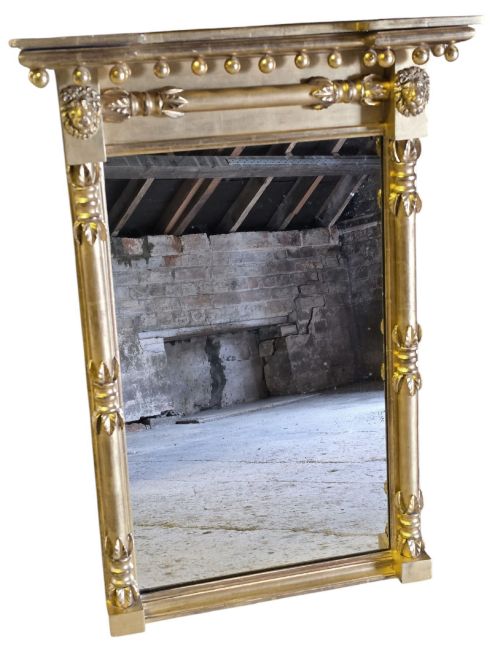
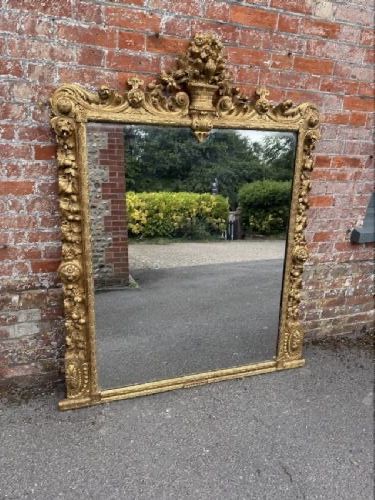
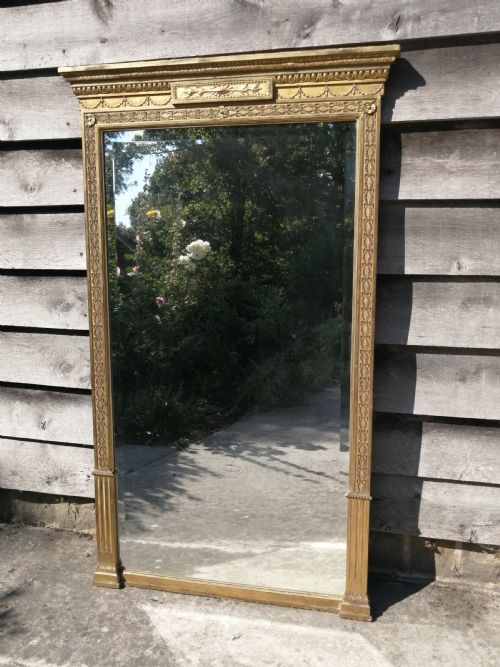
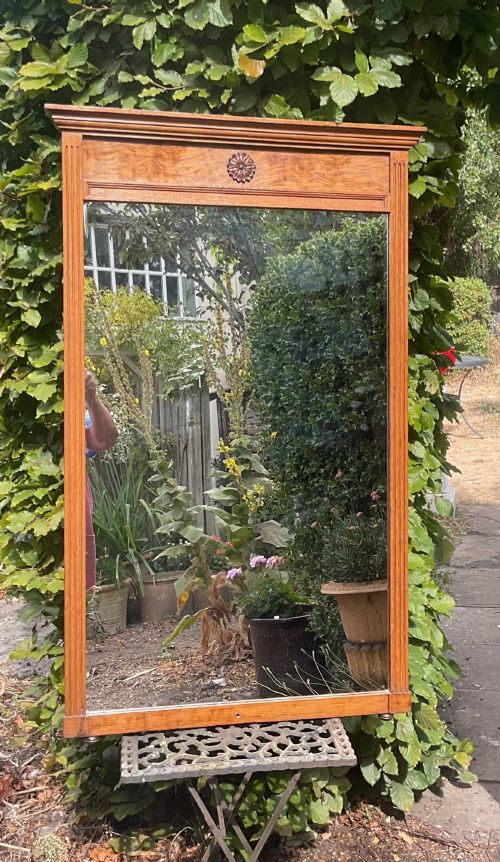
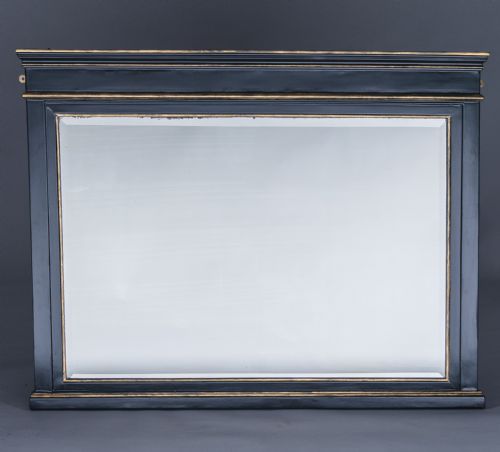
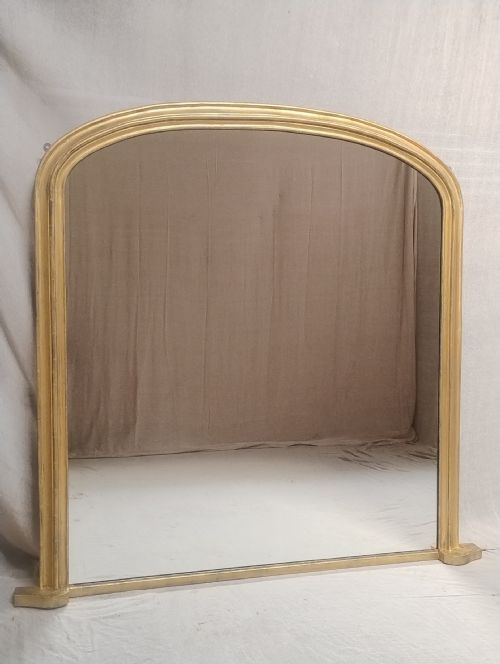
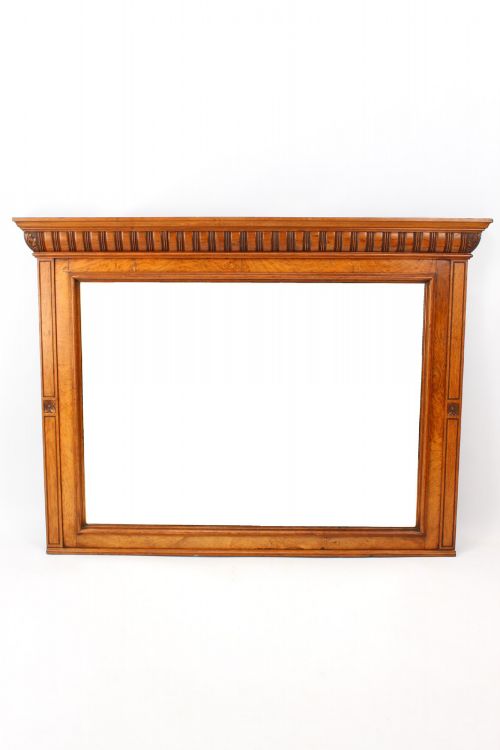
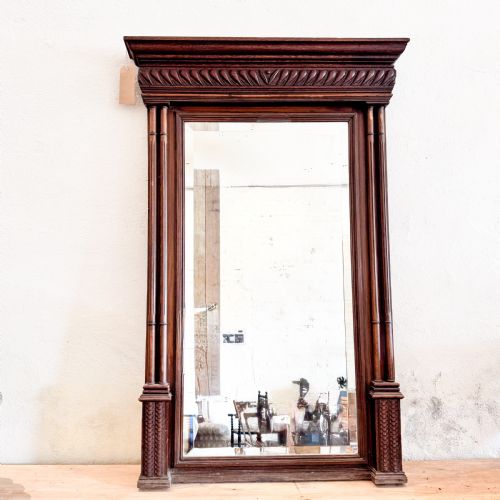
The overmantel mirror dominates the selection, shaped to sit above a fireplace with arched, shaped or rectangular timber frames. Alongside these, pier mirrors, leaner mirrors and hall mirrors appear in heavy oak, walnut and giltwood constructions.
Stylistic influences range widely across the pieces, incorporating Regency, Neoclassical, Gothic Revival, Rococo Revival and French Empire aesthetics. These variations demonstrate the period preference for classical ornament and imposing vertical or horizontal presence.
How They Were Made
Carved wood provides the foundational structure for the majority of frames, utilising solid oak, walnut and softer timbers shaped by hand. Craftsmen applied gesso over the carved wooden base to build up smooth surfaces and intricate relief details before finishing.
Gilding techniques involved the application of gold leaf or paint directly onto the prepared gesso and wood frames, creating luminous metallic surfaces. Parcel gilt highlights emerged on walnut and ebonised frames to contrast dark timber with bright gold details.
What Varies in Quality
The depth and execution of the carved wood and gesso ornamentation dictate the refinement of the piece, separating standard production from exceptional work. Crisp, deeply undercut foliage, scrolls and architectural columns demonstrate superior hand-carving skill.
The integrity of the original mirror plate and the weight of the timber frame indicate the original investment in materials. Frames constructed from solid oak or substantial giltwood maintain structural stability under large scale proportions.
Nosotti's
The Large Architectural Wall Mirror Glossary
- Overmantel mirror
- A large mirror specifically designed to hang on the wall directly above a mantelpiece or fireplace. These pieces often feature horizontal proportions and decorative crests.
- Gesso
- A plaster-like mixture applied to wood frames to create a smooth surface for gilding or painting. It allows intricate low-relief ornamentation to be modelled before finishing.
- Giltwood
- Timber that has been coated with gold leaf or metallic powder over a prepared ground. It reflects candlelight and daylight effectively in formal interiors.
- Pier mirror
- A tall mirror designed to hang on the wall space between two windows, often paired with a console table beneath. These vertical glasses maximise light in nineteenth-century rooms.
- Trumeau mirror
- An internal decorative wall mirror combined with a painted panel or carved artwork above the glass. Originating in French interior design, they integrate architectural woodwork.
Large Architectural Wall Mirror: Frequently Asked Questions
Where should a large architectural wall mirror hang?
These mirrors traditionally occupy the wall space above a fireplace mantel, where their horizontal or arched proportions balance the hearth below. Alternatively, positioning one opposite a window multiplies natural light and expands the visual depth of the room.
Heavier examples require secure anchoring directly into wall studs due to the substantial weight of timber frames and glass plates. Leaner formats rest against the floor against a wall, offering a more relaxed placement in bedrooms or hallways.
How do I identify a nineteenth-century overmantel mirror?
Nineteenth-century overmantel mirrors typically feature heavy timber construction of oak, walnut or carved gesso-coated wood finished in gold leaf or paint. Frame styles draw heavily from Victorian interpretations of classical, Gothic Revival, Regency or Rococo aesthetics.
Examination of the reverse often reveals aged pine backboards, hand-cut screws or oxidized fixings consistent with nineteenth-century manufacturing methods. The glass plates themselves may show subtle distortions, foxing or bevels characteristic of older silvering techniques.
What is the difference between a pier mirror and an overmantel mirror?
Pier mirrors are characterised by tall, narrow vertical proportions built to fit the specific wall space between two architectural windows. They maximise the reflection of daylight into darker nineteenth-century rooms.
Overmantel mirrors feature broader proportions, often wider than they are tall, shaped specifically to command the horizontal space above a fireplace. Their crests and frames frequently incorporate architectural motifs designed to complement mantelpiece surrounds.
Are original mirror plates common in antique frames?
Many nineteenth-century pieces retain their original glass plates, which often display subtle signs of age such as minor foxing spots or light surface wear. These characteristics confirm the historical integrity of the piece.
When replacement glass occurs, the plate appears exceptionally clear and lacks the characteristic imperfections found in older silvered glass. Inspecting the rebate at the back of the frame reveals how the mirror plate is secured.