
Large Copper Pot
When you handle a large copper pot, you hold centuries of hearth work and heavy metalcraft shaped by fire and hand.
Large Copper Pot
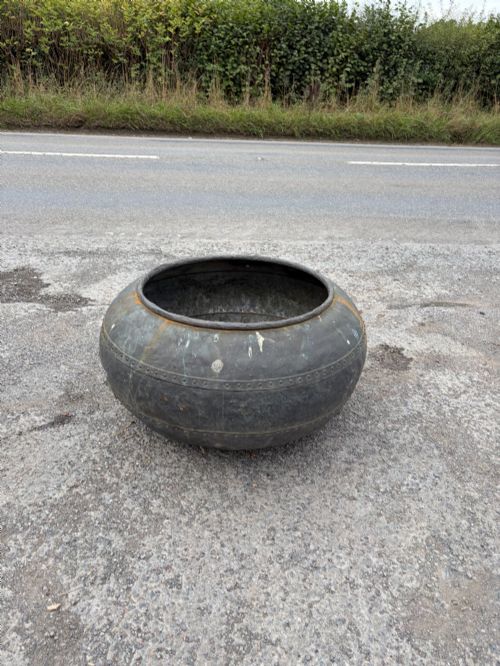
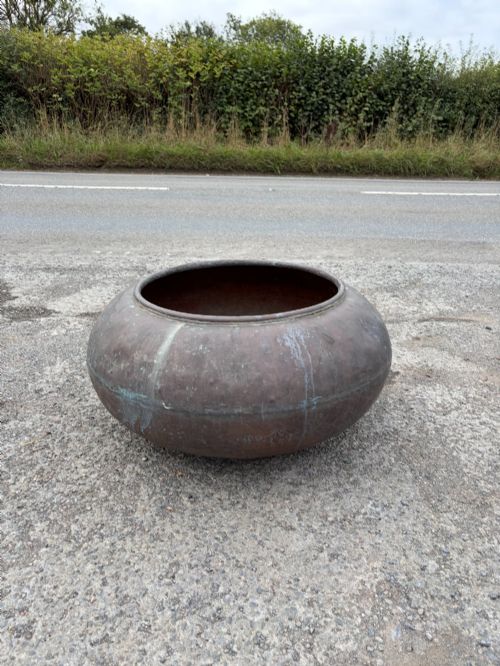
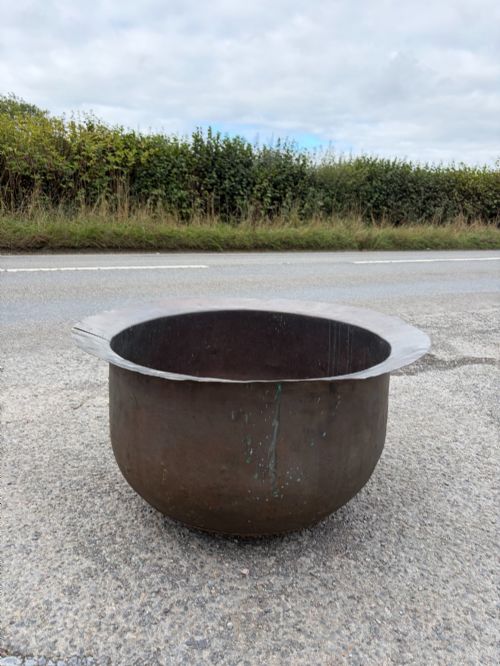
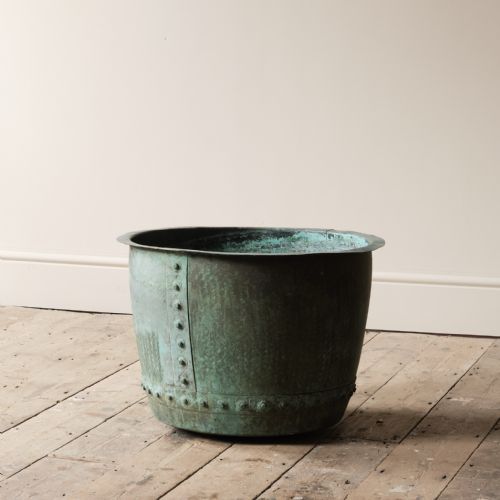
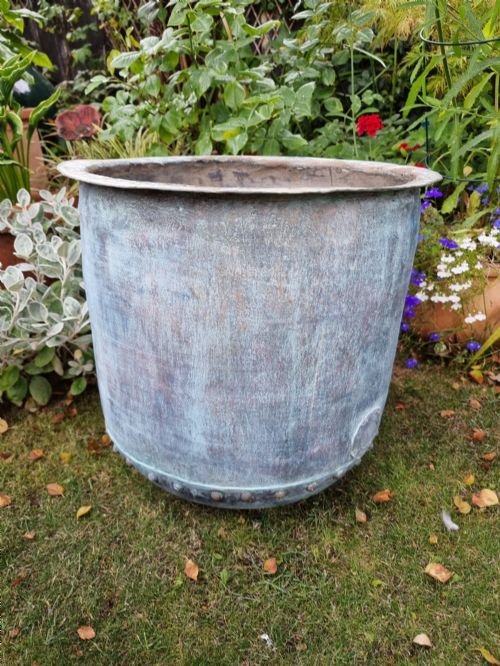
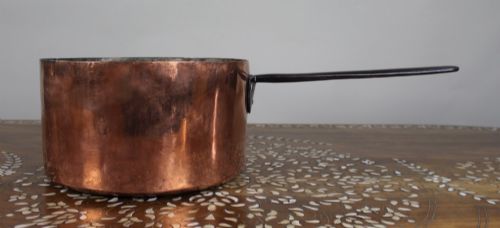
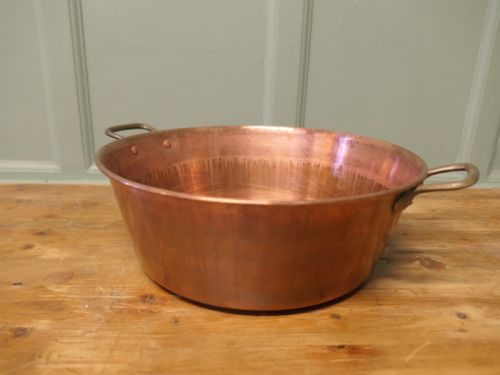
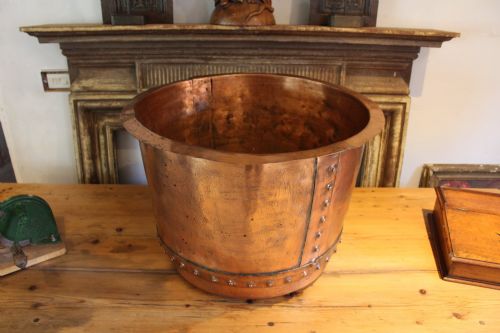
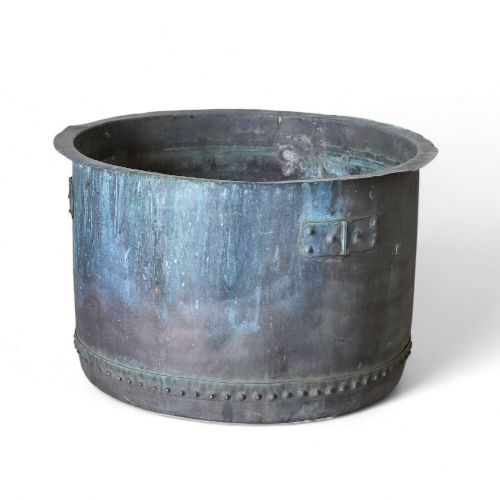
A large copper pot covers everything from Georgian cooking vessels and jam pans to Victorian log bins and garden planters. These pieces span the eighteenth, nineteenth, and early twentieth centuries, hailing from English, French, and broader European country houses and kitchens. You will frequently find heavy preserving pans, riveted boilers, and deep cauldrons designed originally for utility rather than display.
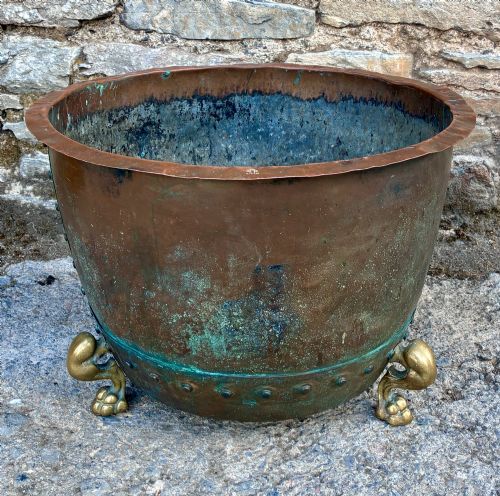
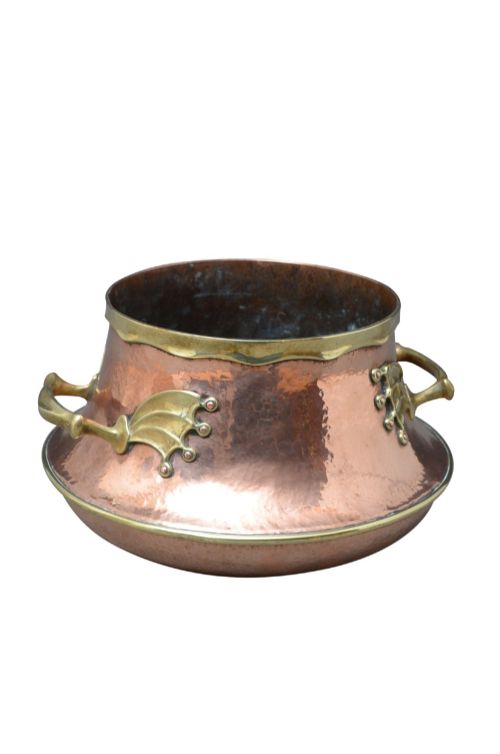
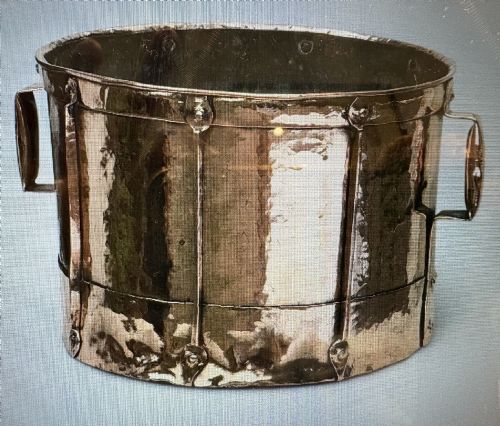
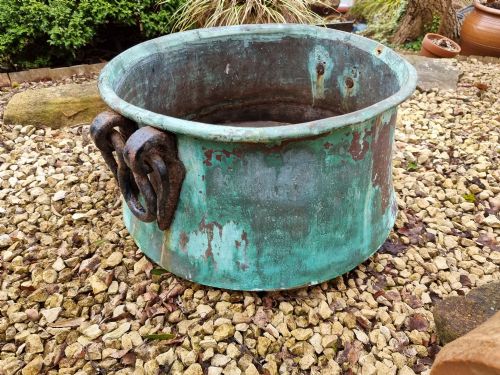
Many survivors transitioned from domestic hearths to fireside coal buckets, jardinières, or champagne baths in later decades. The forms remain robust, often featuring iron swing handles, brass fittings, or dual drop handles to manage substantial weight. Whether shaped as an oval grain measure or a round stock pot, each item carries the clear mark of utilitarian service.
Materials and construction
These vessels rely on heavy-gauge sheet copper beaten and shaped over forms, joined frequently by hand-riveted seams that show individual hammering marks. Blacksmiths and coppersmiths added structural strength using wrought iron handles, cast iron bails, and occasionally brass bands or mounts.
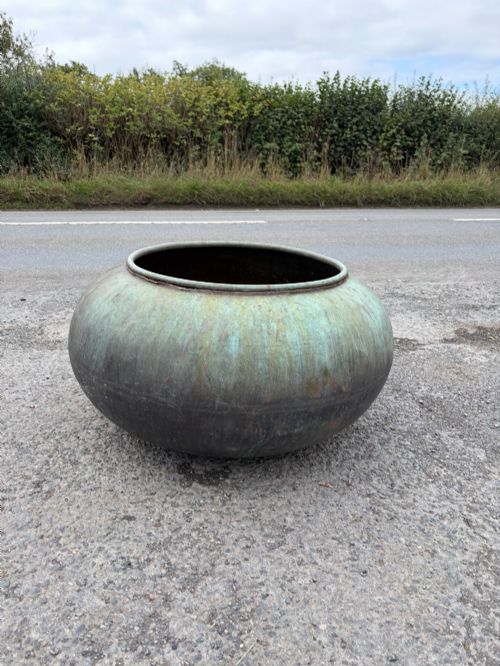
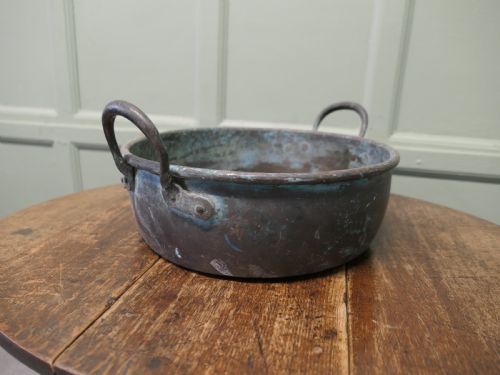
Surfaces accumulate rich natural patinas, verdigris finishes, and dark oxidation built up from decades of exposure to heat, smoke, and moisture. Interiors sometimes retain traces of tinning applied originally to prevent food contamination during cooking.
Large Copper Pot Retail Price Guide 2026
Typical asking prices for large copper pot among the pieces listed under this phrase on Sellingantiques today, from the lower quarter to the upper quarter. They describe what is for sale here now, not the wider market.
Listings demonstrate a strong presence of nineteenth-century English and French country house copper, dominated by preserving pans, log bins, and planters.
Judging quality and character
Quality rests in the thickness of the metal gauge and the integrity of the original construction rather than decorative flourishes. Superior pieces display dense, heavy copper walls that maintain their structural form without excessive warping or thinning from centuries of scouring.
The method of assembly tells its own story, where neat hand-riveting, closely fitted brass components, and forged iron handles demonstrate superior workshop standards. Depth of patina and survival of original hardware elevate a utilitarian vessel into a compelling decorative statement.
Hodges and Sons·Hayward and Towell
The Large Copper Pot Glossary
- Riveted
- Joined together using metal pins hammered flat to secure overlapping sheets of copper. This technique provides immense structural strength for heavy boiling and preserving vessels.
- Verdigris
- The green patina formed naturally on copper through prolonged exposure to atmospheric moisture and oxidation. Collectors often value this surface finish for its authentic aged appearance.
- Jardiniere
- An ornamental pot or stand designed to hold growing plants or floral displays. These often started life as cooking vessels before finding new purpose in drawing rooms.
- Bail handle
- A curved semi-circular metal handle attached to opposite sides of a pot for lifting. They are typically forged from wrought iron on earlier heavy pieces.
- Gauge
- The thickness of the sheet metal used to form the vessel. Heavier gauges indicate professional culinary or industrial heritage rather than lighter decorative wares.
Large Copper Pot: Frequently Asked Questions
How were these large pots originally used?
These vessels served demanding roles in large domestic kitchens, commercial establishments, and country houses for boiling laundry, preserving fruit, and simmering large quantities of stock over open hearths.
Craftsmen built them to withstand intense heat and heavy daily use, which explains their durable metal thickness and robust iron or brass handle attachments.
Can I use an antique copper pot for cooking today?
Most antique vessels require professional re-tinning on the interior surface before food preparation, as bare copper can react unfavourably with acidic ingredients.
Many owners choose to repurpose them as dry storage containers, planters, or fireside log bins to preserve their historic surfaces.
How should I clean and maintain copper?
Gentle washing with warm soapy water and soft cloths protects the historic patina and prevents scratching the soft metal surface. Avoid harsh chemical polishes unless you prefer a bright, reflective shine over the natural aged character.
How do I tell an eighteenth-century pot from a Victorian one?
Earlier pieces from the Georgian period often display distinctive hand-beated shaping, thicker hand-forged iron handles, and irregular rivet placements reflecting individual workshop methods.
Later Victorian examples tend towards more standardised machine rolling and consistent rivet alignment, though heavy handmade variants continued alongside them.