


Large Ceramic Serving Platter
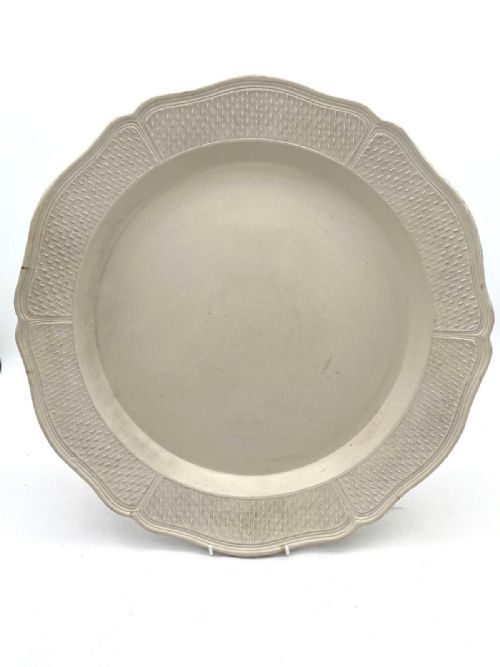
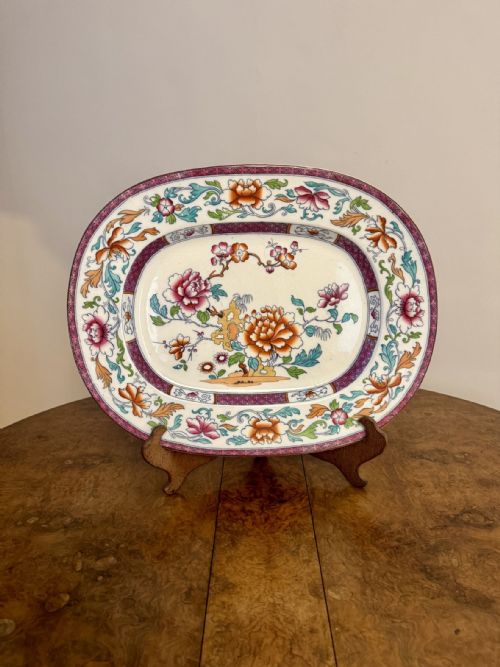
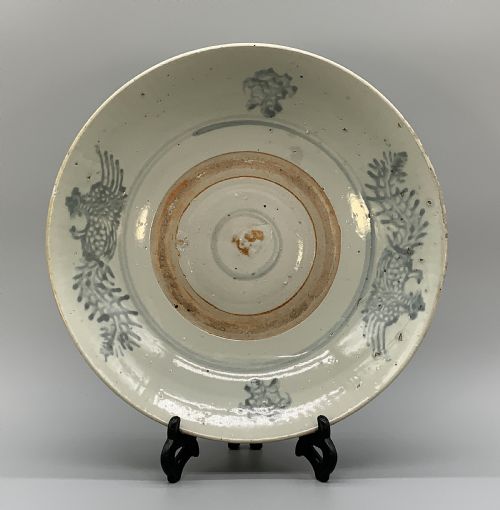
These large ceramic serving platter examples span the eighteenth and nineteenth centuries, offering deep wells and generous borders designed to hold substantial joints and seasonal feasts.
Large Ceramic Serving Platter
A large ceramic serving platter is a heavy table vessel intended for presenting meat, game, and large courses at communal dinners. The examples found here reach back through the Victorian, Regency, and Georgian eras.
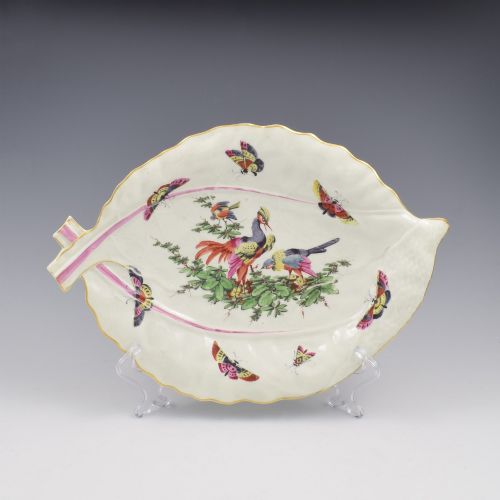
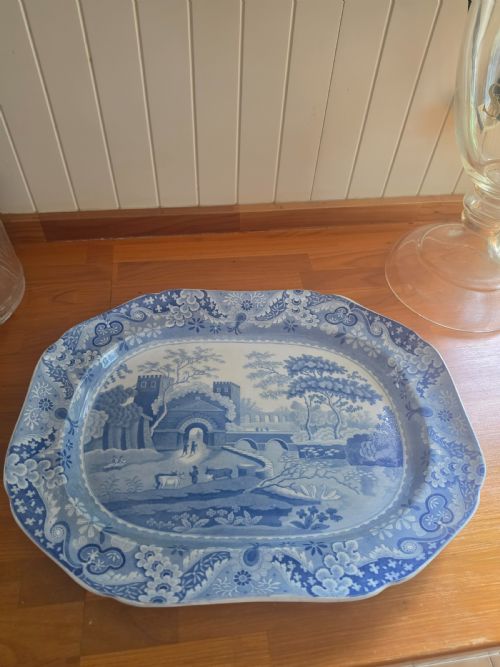
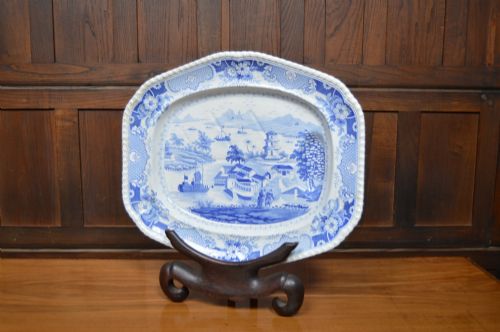
Buyers frequently encounter blue and white transfer-printed meat plates alongside robust ironstone chargers and hand-painted Oriental export porcelain. These forms range from traditional oval meat dishes to deep circular chargers and square serving plates.
Originating from English potteries like Spode and Minton, as well as continental and Asian kilns, these pieces reflect the shifting dining habits of historic households.
How They Were Made
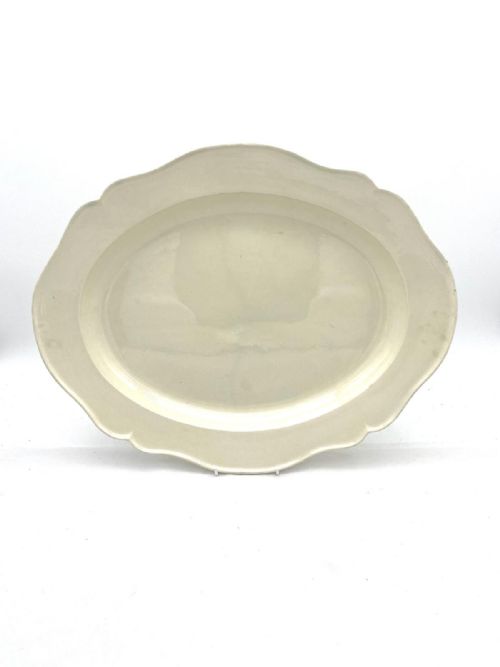
Potters shaped these vessels using earthenware, creamware, ironstone, and porcelain, applying lead glazes and tin enamels to seal the ceramic body. Ironstone provided a dense, durable fabric capable of withstanding heavy daily use in busy estate kitchens.
Decoration relied heavily on copperplate transfer printing in cobalt blue, alongside hand-applied enamel colours and gilt detailing. Some specialised meat platters incorporated internal wells and draining channels to collect juices during carving.
Listings span the eighteenth century to the late Victorian era, featuring earthenwares, ironstones, and porcelains decorated with transfer printing and hand-applied enamels.
What Varies in Quality
Quality rests upon the crispness of the transfer print, the uniformity of the glaze, and the intricacy of any hand-painted enrichment. Finer bodies display thinner, more refined potting and superior translucency in the porcelain examples.
The sophistication of the modelling, particularly in moulded borders, shaped rims, and well-and-tree drainage systems, separates standard domestic kitchenware from high-status dining table services.
Spode·Minton·Samson Paris·Ridgway·Don Pottery
The Large Ceramic Serving Platter Glossary
- Transferware
- Earthenware or porcelain decorated by applying a paper impression from an engraved copper plate onto the ceramic body. This technique allowed intricate pictorial scenes to be replicated consistently.
- Ironstone
- A patented ceramic body invented in the early nineteenth century that combined earthenware clay with slag of iron, producing a remarkably hard and durable substitute for true porcelain.
- Creamware
- A refined earthenware developed in eighteenth-century Staffordshire possessing a pale yellowish-cream glaze. It became the dominant domestic ceramic ware of the Georgian period.
- Charger
- A large ornamental or serving plate, typically measuring well over thirty centimetres across, used primarily for ceremonial display or central table service.
- Well and tree
- A specialised design feature found on meat platters incorporating a central sloping well and radiating channels to drain carving juices into a small reservoir at one end.
Large Ceramic Serving Platter: Frequently Asked Questions
How were large ceramic serving platters used historically?
These vessels stood at the centre of large dining tables to hold joints of meat, poultry, or fish during communal family meals and formal dinners. Servants carved the food directly from the platter before passing portions to guests.
Some specialised versions included built-in strainers and draining wells to collect juices and prevent the meat from sitting in liquid during service.
How do I care for an antique ceramic platter?
Wash antique ceramics gently by hand in warm water using a mild detergent, avoiding modern dishwashers entirely. Sudden temperature changes can craze the old glaze or weaken the ceramic body.
Store them securely in plate racks or vertically with protective felt separators between pieces to prevent edge chipping.
How can I tell a Georgian platter from a Victorian one?
Georgian platters often feature creamware or pearlware bodies with hand-painted or early transfer-printed patterns in softer tones. They typically display simpler, rounder or octagonal shapes without heavy moulded Victorian scrollwork.
Victorian examples frequently utilise dense ironstone bodies, complex printed borders, and registration diamond marks that reveal the exact date of manufacture.
Are these platters safe for serving modern food?
Most antique earthenware and ironstone platters remain suitable for dry foods and cold presentations. However, older lead-based glazes can leach toxins when exposed to acidic foods like tomatoes or citrus for extended periods.
Collectors generally prefer using them for decorative display or dry serving rather than regular daily dining.