



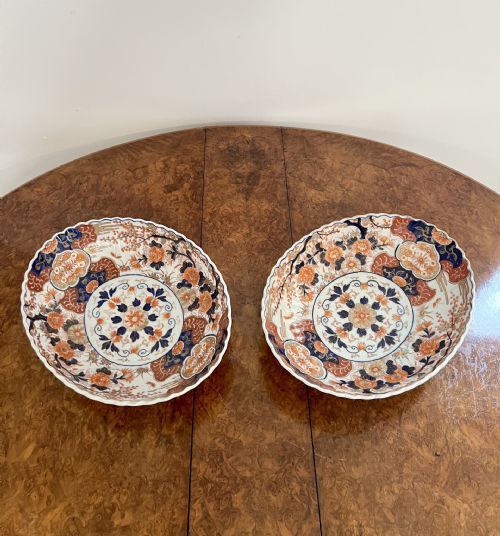


Large Ceramic Serving Dish
A large ceramic serving dish brings the weight of centuries of dining onto the table, offering a broad expanse for roasts, game, and ceremonial courses.
Large Ceramic Serving Dish
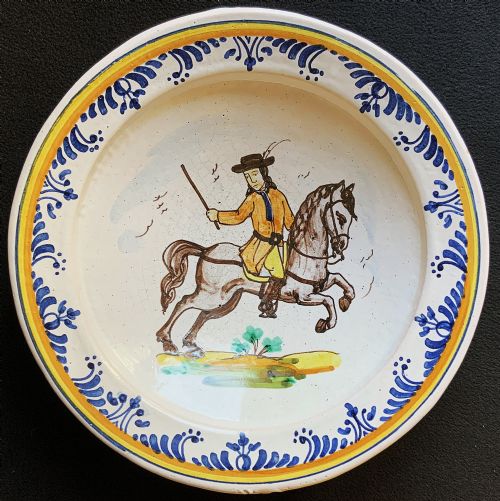
When you search for a large ceramic serving dish, you encounter expansive platters, chargers, and meat plates designed to hold substantial quantities of food for household gatherings. The pieces span from the eighteenth century through the Victorian era, encompassing English earthenwares, porcelains, and imported wares from China and continental Europe.
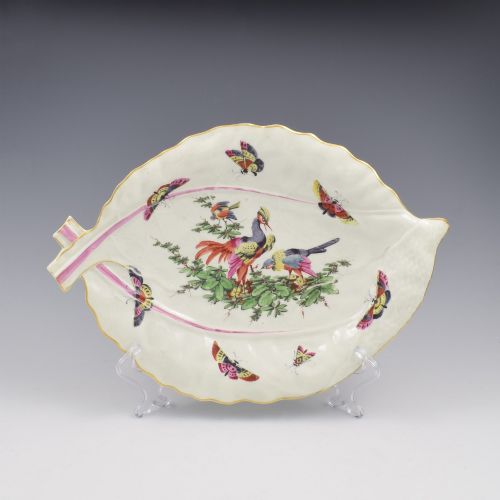
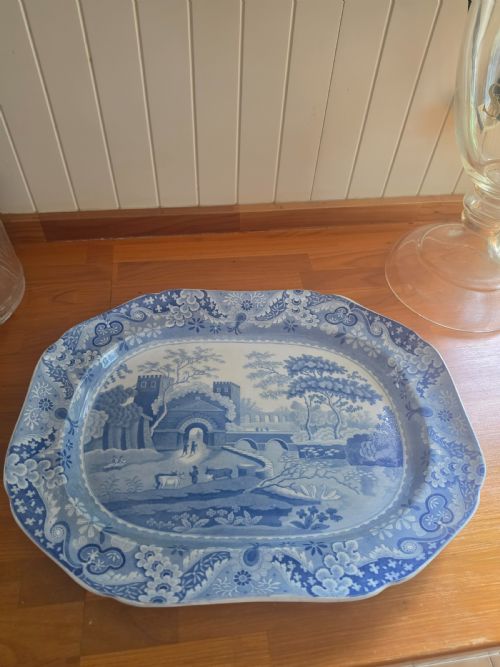
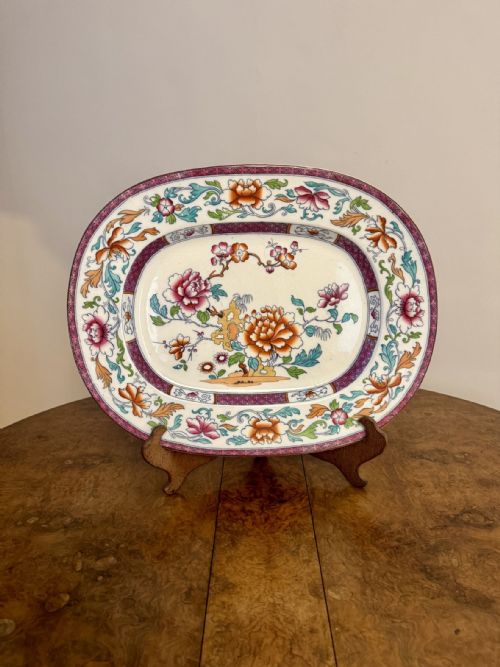
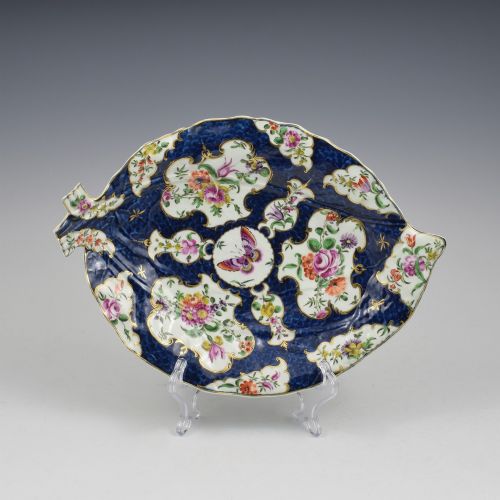
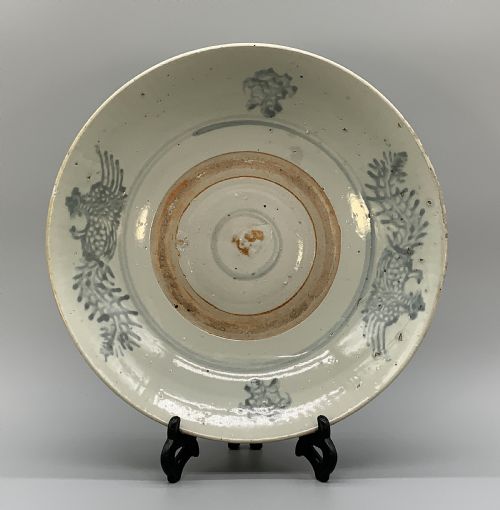
You meet meat platters featuring drainage wells and strainers alongside deep chargers and scalloped bowls. The domestic English transferware pieces from the nineteenth century sit alongside earlier hand-painted Worcester porcelain leaf dishes and Chinese export porcelain chargers.
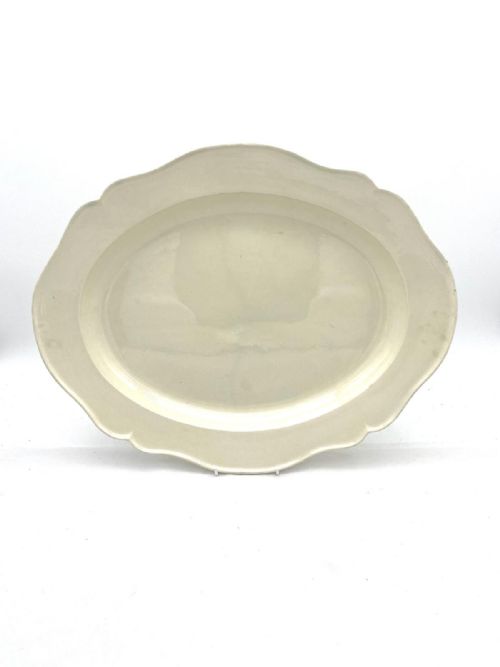
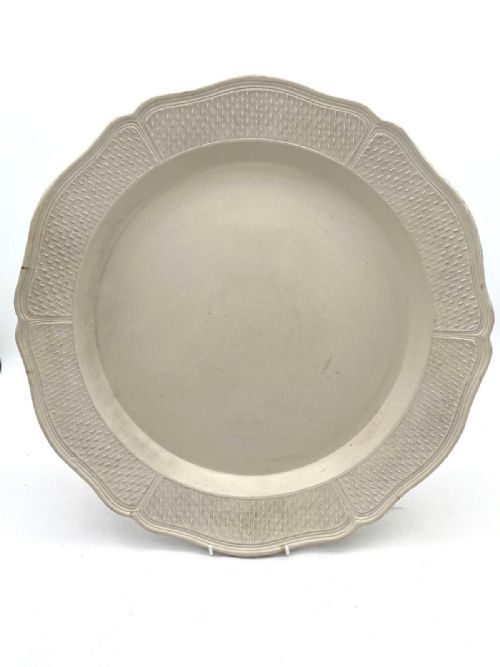
The material vocabulary ranges from ironstone and creamware to felspar porcelain and faience. These items served dining rooms from grand country houses to modest Victorian homes, functioning as both daily utilities and decorative centrepieces.
Materials and Techniques
Potters shaped these large ceramic serving dish examples using local clays, refined earthenware bodies, and dense ironstone that could withstand the thermal shock of hot joints of meat. Early pieces relied on soft paste porcelain or creamware bodies, fired in kilns before receiving lead glazes or tin opacifications.
Decoration involved hand-painting with enamel colours and gold leaf, or applying transfer print designs in blue and white from copper plates onto the biscuit or glazed surface. Ironstone bodies offered superior strength, allowing makers to throw and mould exceptionally heavy platters with deep wells and tree-and-well drainage systems.
Object types on this page include meat platters with drainers, large bowls, tureens, and chargers decorated with transfer printing and hand-painted enamels.
Distinctions in Execution
Quality rests in the crispness of the moulding and the clarity of the transfer print or hand-painted brushwork. Superior pieces display deep, even glazes free from excessive kiln dirt, alongside carefully finished foot rims and balanced proportions.
Makers such as Spode, Minton, and First Period Worcester achieved distinction through refined paste composition and precise registration of multi-coloured enamels or complex blue and white transfer scenes. The weight and thickness of ironstone dishes also signal the ambition of the original production, separating standard utility wares from exhibition-grade table services.
Spode·Mann And Co·Copeland And Garrett·Samson Paris·Ridgway·Minton·Don Pottery·Mason Ironstone
The Large Ceramic Serving Dish Glossary
- Charger
- A large decorative or serving plate, often measuring over thirty centimetres across, used historically for display or the presentation of substantial courses.
- Transferware
- Pottery decorated by applying a printed design from an engraved copper plate onto tissue paper and transferring it to the ceramic body before glazing.
- Ironstone
- A dense, durable ceramic body patented in the nineteenth century that combined earthenware clay with slag of iron to resist chipping and staining.
- Creamware
- A refined earthenware developed in eighteenth-century England featuring a pale yellowish lead glaze over a cream-coloured body.
- Well and tree
- A platter design featuring channels carved into the ceramic surface that slope towards a well, collecting meat juices during carving.
Large Ceramic Serving Dish: Frequently Asked Questions
How were large ceramic serving dishes used at the table?
These pieces sat at the centre of the dining table to present roasted meats, poultry, or side dishes to assembled guests. Servants carved joints directly upon the platters, utilising well-and-tree designs or attached strainers to capture juices.
Beyond formal dining, large chargers and decorative dishes often stood upright on sideboards or hung on walls when not in active service. Their substantial surfaces displayed intricate transfer prints and hand-painted scenes for dinner guests to admire.
How do I distinguish eighteenth-century pieces from Victorian examples?
Examining the weight, paste, and glaze helps separate earlier items from nineteenth-century production. Eighteenth-century creamware and soft-paste porcelain often feel lighter and display subtle variations in glaze pooling around foot rims.
Victorian ironstone and transfer-printed earthenware tend to exhibit greater heft, industrial uniformity, and precise printed maker marks stamped or impressed into the base. Hand-painted Japanese Imari and Chinese export pieces from later decades carry distinct palette brightness and stylistic rigidity compared to their eighteenth-century counterparts.
Can I use antique serving platters for food today?
Most antique earthenware and ironstone platters remain structurally sound for serving dry foods, cold cuts, or breads during modern meals. The dense glaze provides a protective barrier against food contact for well-preserved surfaces.
Consider avoiding acidic foods or dishwashers, as historic glazes and enamel decorations can suffer degradation from harsh detergents and thermal shock. Hand washing preserves the integrity of the ceramic body and any delicate gilding.
What do factory marks tell us about a dish?
Impressed or printed marks identify the pottery, sometimes naming specific pattern titles or series associated with the design. These stamps help date the production window and link the object to documented ceramic manufacturers.
Some pieces bear retailer stamps alongside maker marks, indicating the high-end emporiums that retailed the tableware. Unmarked pieces require stylistic comparison of borders, paste composition, and transfer motifs to determine origin.