
Large Brass Vessel
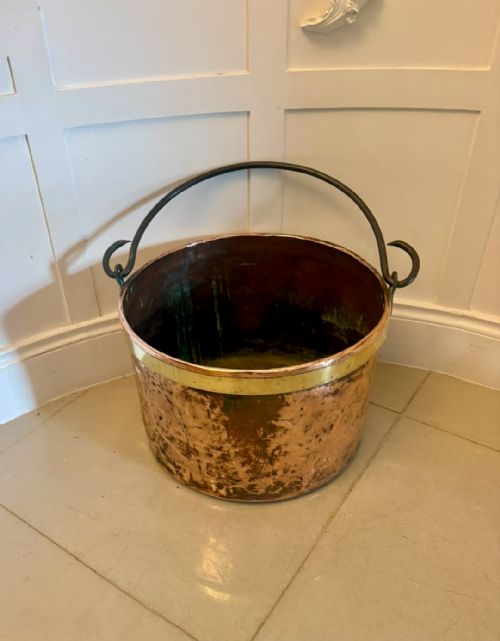
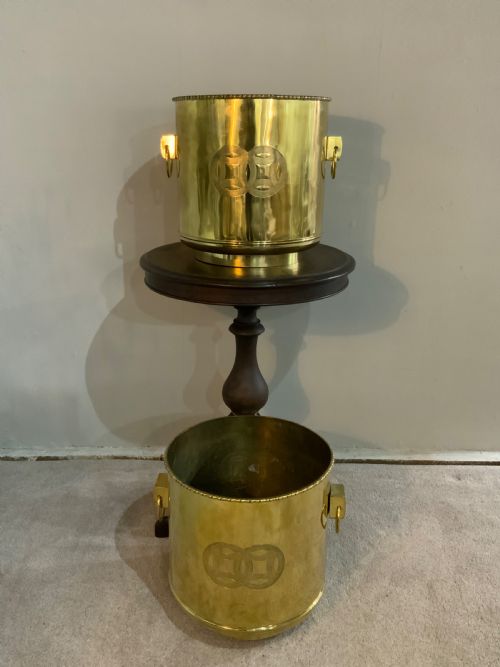
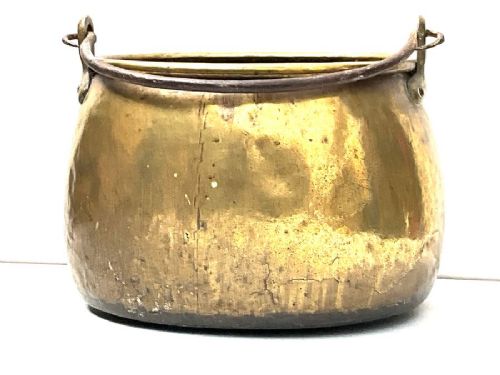
These large brass vessel examples bring heavy metal presence into a room, spanning jardiniere planters, cauldrons, and heavy kitchen pans.
Large Brass Vessel
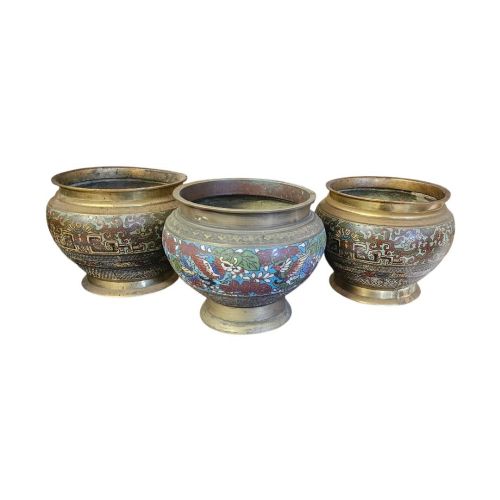
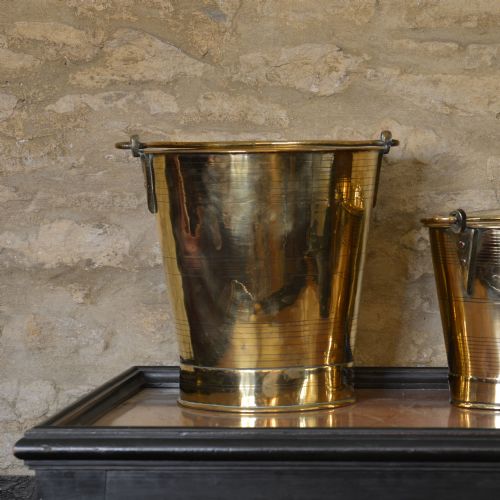
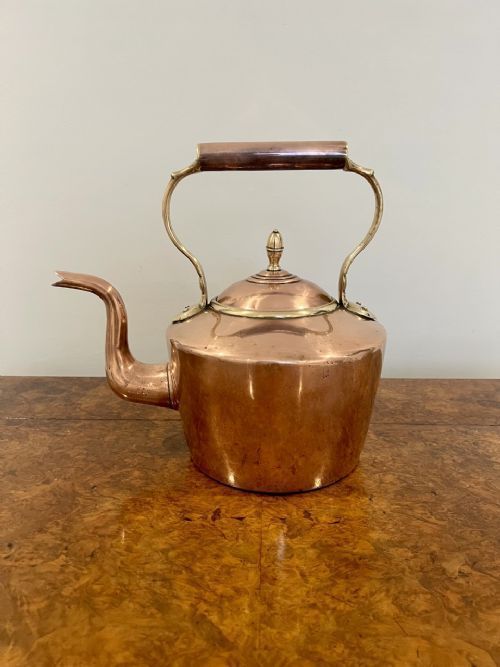
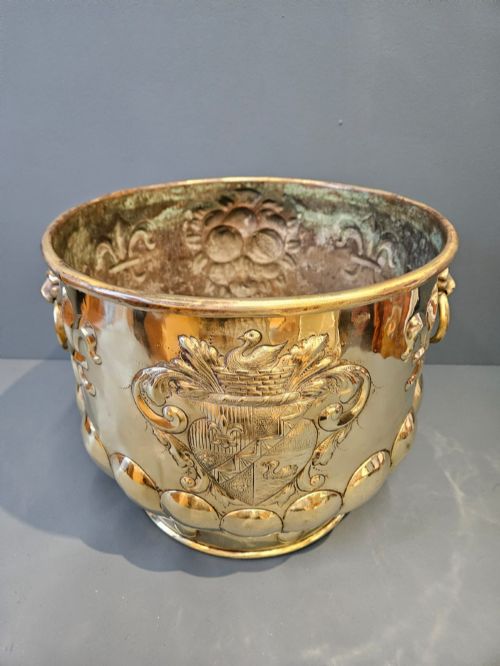
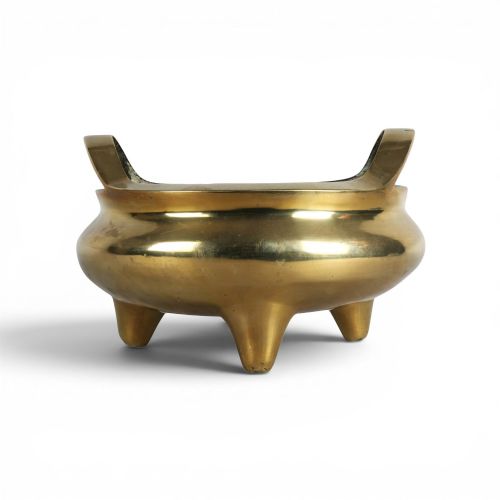
A large brass vessel covers a wide domestic and decorative territory across this selection, appearing most frequently as nineteenth-century jardiniere planters, coal buckets, and heavy cooking pans. Buyers searching for a large brass vessel encounter items intended for heavy utility or display, such as campaign buckets, samovars, and cast censers.
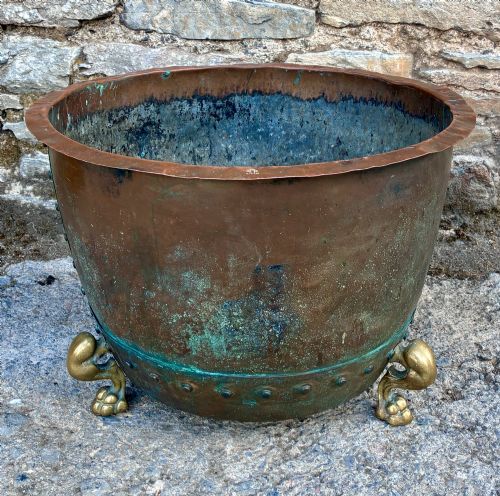
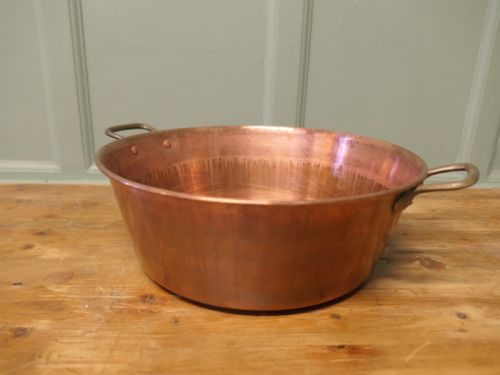
The objects stem from diverse origins, including Victorian English country houses, continental workshops, and East Asian production centres. Pieces range from simple riveted copper boilers and jam pans to heavily decorated Anglo-Indian and Chinese ritual vessels.
Materials and construction
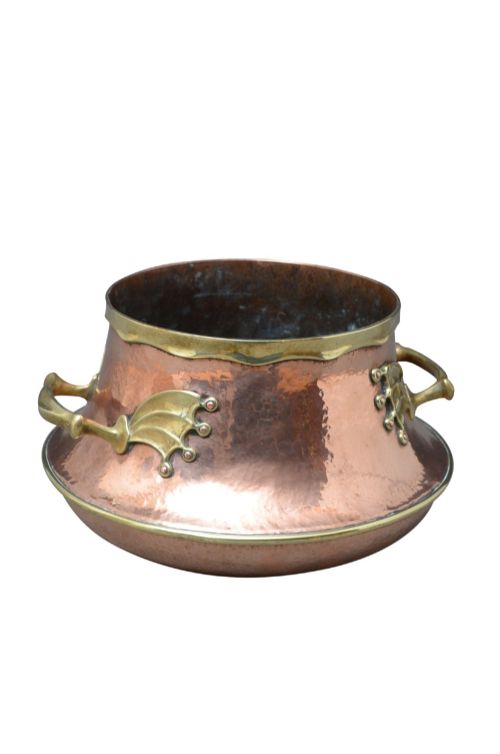
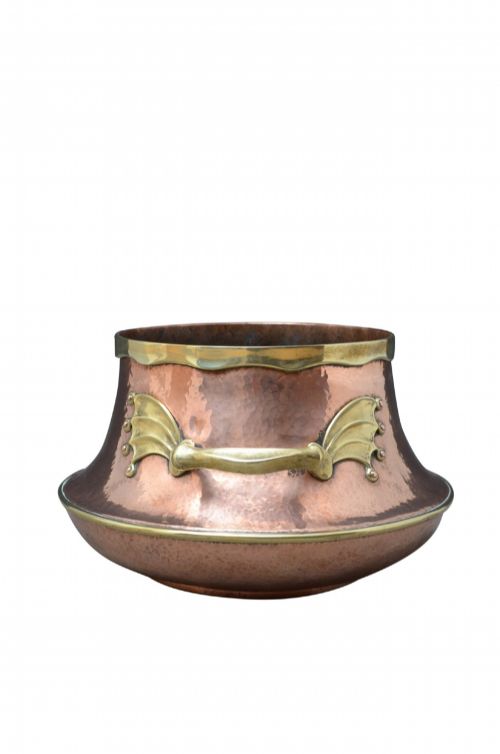
The primary metals used are brass and copper, frequently combined with iron handles, bronze fittings, and occasionally hardwood or oak coopering. Construction methods rely on hand hammering, riveting plates together, and casting thick walls for censers and cauldrons.
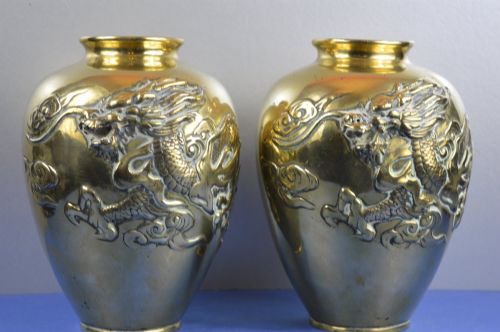
Surface decoration involves hand engraving, high-relief chasing, and cloisonne enamel work. Many utility items show the structural marks of heavy dovetailing and rolled rims designed to withstand daily fireside or kitchen use.
Several heavy vessels weigh over five kilograms, ensuring your living room fireplace retains an unshakeable sense of nineteenth-century gravity.
Judging quality in metalwork
Quality rests in the weight of the metal gauge and the integrity of the original construction rather than decorative surface alone. Thicker walls and heavy cast handles separate utilitarian domestic items from lighter decorative pieces.
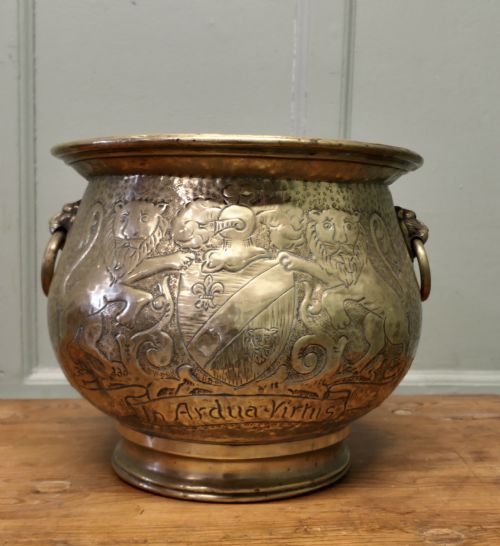
Artisans applied differing levels of skill in hand engraving and chasing, visible in the crispness of heraldic crests, botanical motifs, and figural reliefs. Matched pairs and original surface patinas also distinguish superior examples.
The Large Brass Vessel Glossary
- Jardiniere
- An ornamental pot or stand for holding plants or flowers. These large receptacles often double as fireside log bins.
- Dinanderie
- A term for objects made of brass or copper alloy, named after the Belgian town of Dinant. It covers medieval and later beaten metal vessels.
- Samovar
- A heated metal urn traditionally used to boil water. Large examples utilise internal chimneys or heavy spigots.
- Baluster
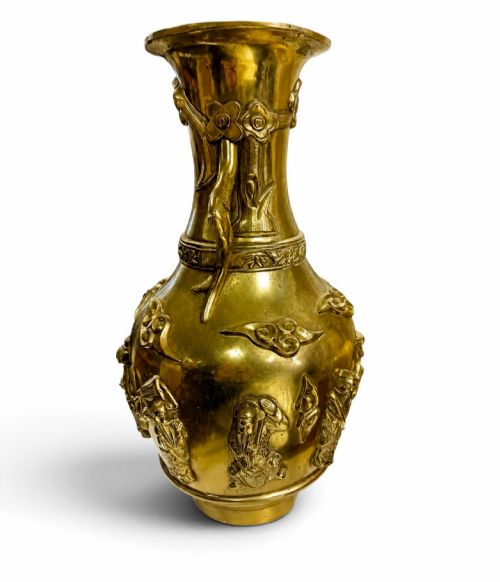
- A vase or column shape with a rounded swelling lower portion. This profile appears frequently on taller nineteenth-century vessels.
- Cloisonne
- Enamelwork in which enamel is applied within the compartments created by soldered wires. Japanese and Chinese pieces utilise this technique on large bowls.
Large Brass Vessel: Frequently Asked Questions
How were large brass vessels used originally?
Many of these pieces served practical domestic functions in country houses, acting as jam pans, boiling coppers, coal buckets, and water urns. Others were designed as decorative jardinieres or ritual censers.
Over time, utilitarian metalwork transitioned into decorative fireside accessories and display items. Their solid construction made them durable enough to endure centuries of daily service.
How do I clean a brass vessel?
Cleaning depends entirely on whether you prefer a bright polished shine or the dark, undisturbed patina accumulated over generations. Most collectors prefer to leave old oxidation intact.
If cleaning is necessary, use a mild non-abrasive metal cleaner and a soft cloth to avoid removing hand-chased details. Harsh chemical dips strip the historic surface character permanently.
How can I tell the period of a vessel?
Dating relies on manufacturing techniques, such as hand-hammered marks versus machine-rolled sheets, alongside stylised decoration like Victorian crests or oriental dynasty marks. Material combinations, such as oak coopering with brass bands, also offer clues.
Comparing the weight, handle attachments, and fastening methods helps differentiate eighteenth-century cast items from later Victorian production. Maker marks, where present, anchor pieces to specific decades.
Are these vessels waterproof for plants?
Many copper and brass planters were lined or designed to hold damp soil and plants without leaking. However, older riveted joints can develop minor seepage over time.
Using a modern inner plastic pot safeguards the historic metal interior from continuous moisture exposure and mineral buildup. This protects both the plant and the antique vessel.