




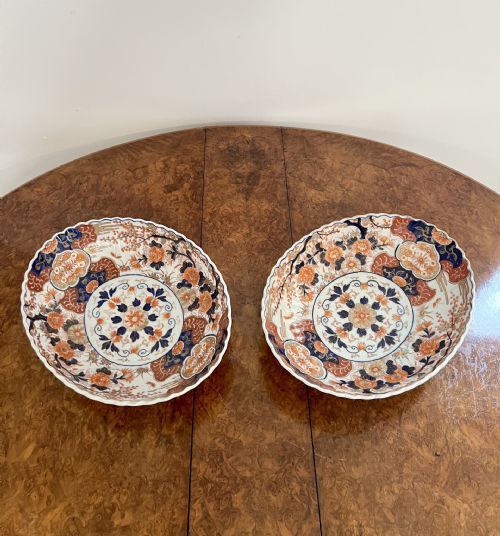


Large Blue Ceramic Bowl
A large blue ceramic bowl commands attention on a table, bringing centuries of skilled kiln work and cobalt painting into a modern room.
Large Blue Ceramic Bowl
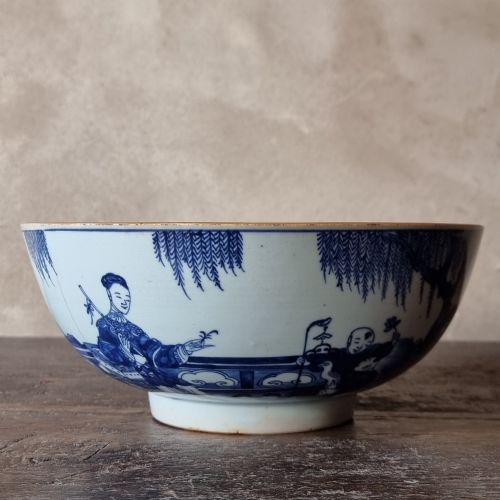
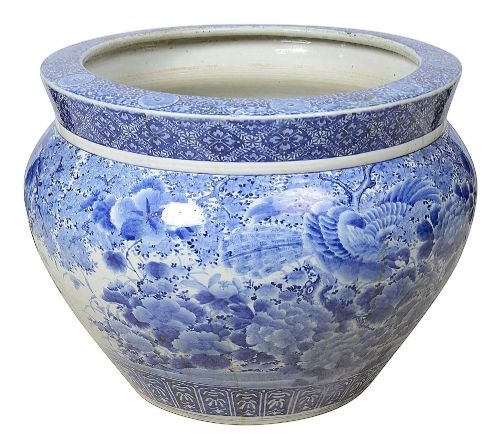
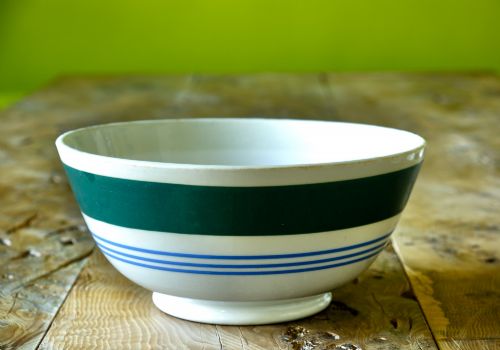
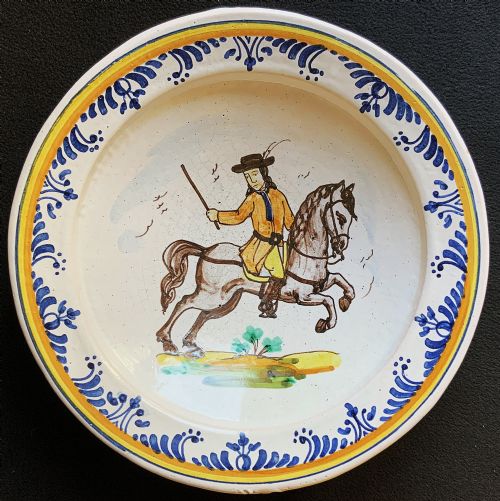
When you search for a large blue ceramic bowl, you encounter a wide selection of vessels spanning from the seventeenth century through to the twentieth century. These pieces encompass everything from Japanese Imari jardinières and Chinese punch bowls to English earthenware mixing bowls and Dutch Delft chargers.
The most common examples on this page are nineteenth-century Japanese porcelain bowls and Chinese export wares featuring cobalt blue designs. You will also find specialised forms like brush washers, fish bowls, and heavy ironstone serving pieces originating from various European and Asian kilns.
How they were made
Potters shaped these vessels using earthenware, ironstone, or fine porcelain clays, often throwing them on a wheel or forming them within moulds. Artisans then applied cobalt glaze and hand-painted detailed motifs before firing the pieces at high temperatures in kilns.
Many items received additional decoration such as gold leaf accents, polychrome enamel overlays, or clear glazes to seal the surface. Heavier planters and jardinières required thicker walled construction to support wet soil and heavy usage.
A goldfish once swam inside an eighteenth-century Chinese fish bowl listed here, proving that historic ceramics still appreciate a lively occupant.
What varies in quality
The refinement of the ceramic body and the clarity of the cobalt glaze set the standard across these vessels. Crisp brushwork on hand-painted motifs and precise throwing indicate superior workshop output compared to simpler, mass-produced commercial items.
Condition and completeness also distinguish the range, particularly regarding original lids, matched pairs, or minimal kiln-firing imperfections. Intricate details like scalloped edges and incised decorative motifs separate standard domestic wares from exhibition pieces.
T G Green Pottery·Masons Ironstone·Doulton Burslem·Maling·Moorcroft Macintyre And Co
The Large Blue Ceramic Bowl Glossary
- Imari
- A style of Japanese porcelain decorated in underglaze blue and contrasting overglaze colours such as iron red and gold. These pieces were heavily exported to Europe from the Edo period onwards.
- Jardiniere
- A large decorative ceramic pot designed to hold a live plant or floral arrangement. They frequently appear on associated wooden stands or display heavy cobalt glazing.
- Punch bowl
- A wide, deep vessel originally utilised for mixing and serving alcoholic punch at social gatherings. They often feature expansive interior painted scenes and robust porcelain walls.
- Kraak
- A type of Chinese porcelain produced mainly during the Ming dynasty, characterised by panelled border designs and central aquatic or floral motifs.
- Faience
- European earthenware glazed with an opaque tin-lead preparation, providing a smooth white surface for painted decoration. It is commonly found in Dutch and Spanish historical pieces.
Large Blue Ceramic Bowl: Frequently Asked Questions
How were large blue ceramic bowls used originally?
These vessels served diverse practical and decorative functions in households across centuries. Punch bowls held communal drinks at dining tables, while fish bowls and jardinières accommodated indoor plants and aquatic life.
Other forms acted as washbasins, soup tureens, or simple centrepiece bowls for fruit and potpourri. Their substantial size meant they were usually displayed prominently in reception rooms or halls.
How do I care for an antique ceramic bowl?
Wash antique ceramics gently by hand using lukewarm water and mild soap, avoiding harsh scrubbing or modern dishwashers. Sudden temperature changes can cause old glazes to craze, so keep them away from direct heat and extreme cold.
Place heavy pieces on stable, level surfaces where they will not be knocked. If using jardinières for plants, employ an inner plastic liner to prevent moisture from seeping into porous historic clays.
How can I tell the period of a bowl?
Examine the base, glaze texture, and stylistic markers to determine the approximate age of a piece. Earlier wares often show manual throwing rings, unglazed foot rims, or specific dynasty marks, while nineteenth-century items may feature printed stamps or distinct revival styles.
Comparing the cobalt shade and painting technique against known production eras helps narrow down the origin. Stylistic overlaps can occur, as traditional Asian designs were frequently copied in later European factories.