





Large Room Divider
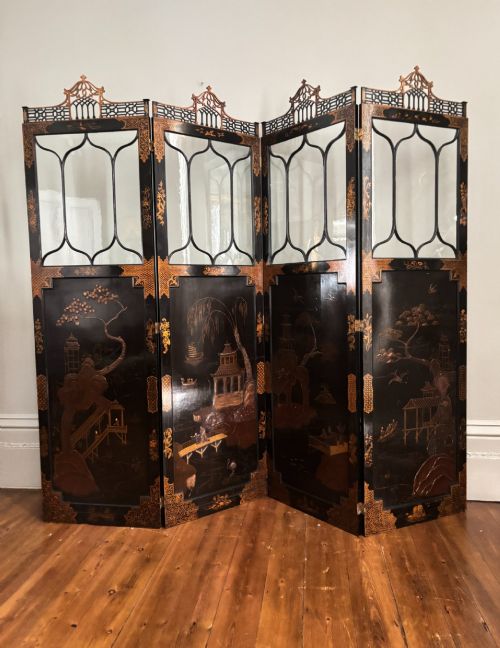
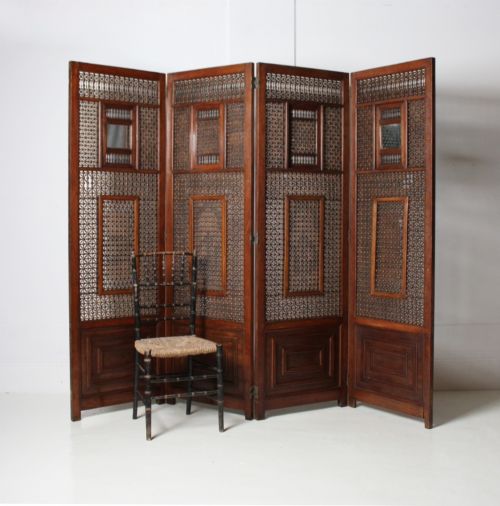
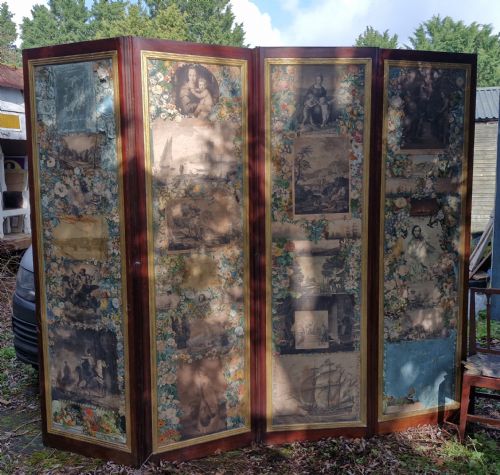
A large antique room divider organises generous spaces with folding panels of wood, canvas, brass, and glass.
Large Room Divider
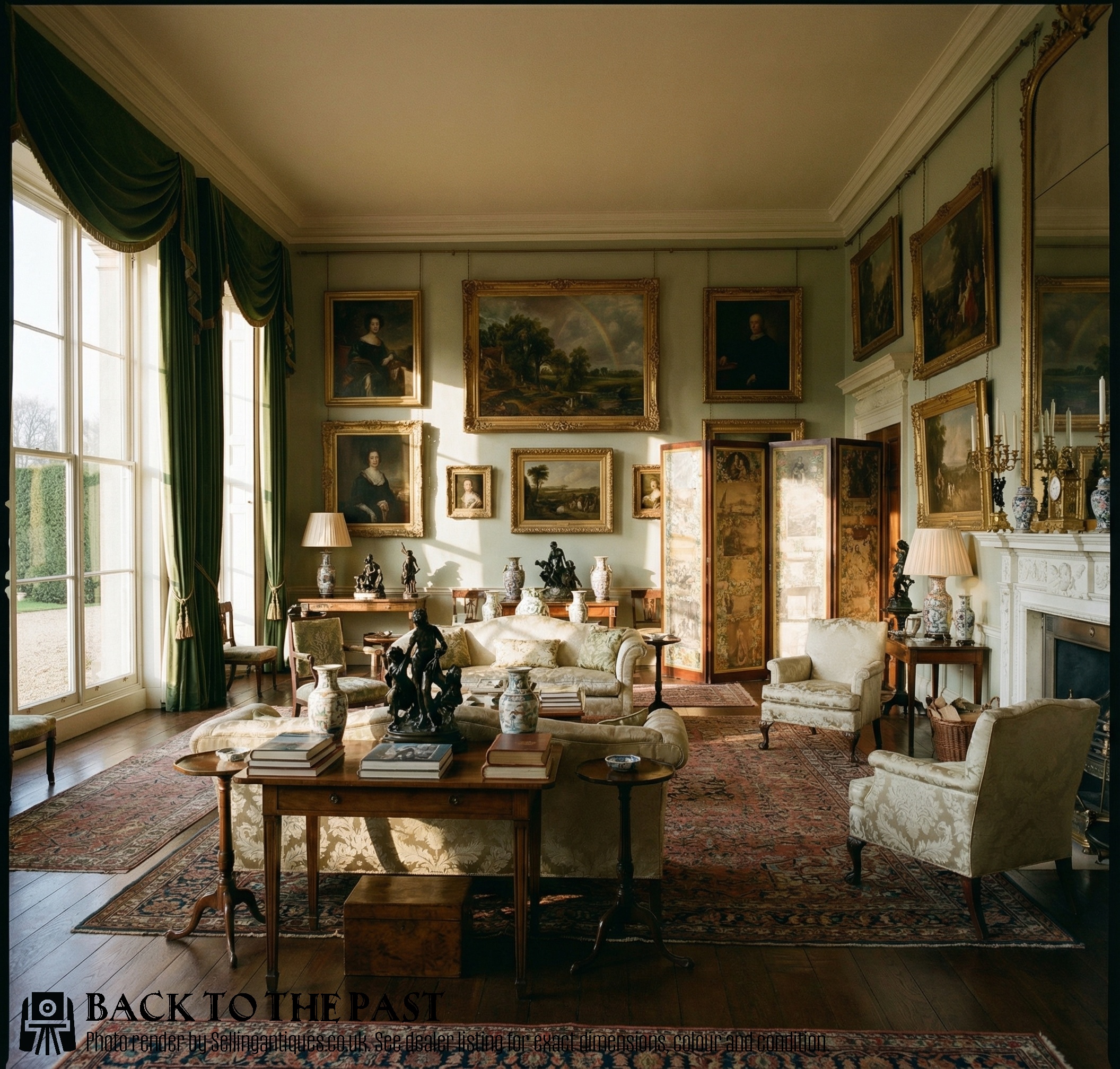
A large antique room divider appears as a multi-fold panel structure designed to partition interior spaces with architectural presence. The listings show forms such as folding screens, dressing screens, and privacy partitions spanning multiple centuries.
Buyers meet examples ranging from Victorian Chinoiserie and Chinese Chippendale styles to Japanese folding screens and Swedish painted pieces. These objects serve both practical division and decorative focus within traditional and modern interiors.
The evidence records structures built with four or more folds, utilising materials from lacquered wood to leaded glass. Each piece brings specific regional aesthetics, from Islamic Revival mashrabiya panels to Art Deco oak frameworks.
How they were made
Construction relies on sturdy timber frames of mahogany, oak, and hardwood to support expansive folding panels. Joinery accommodates heavy multi-fold movements while maintaining stability across wide expanses.
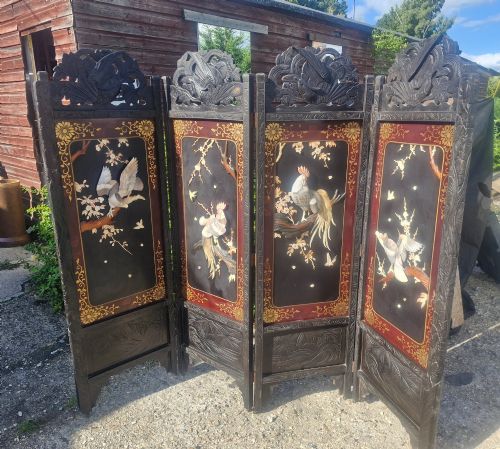
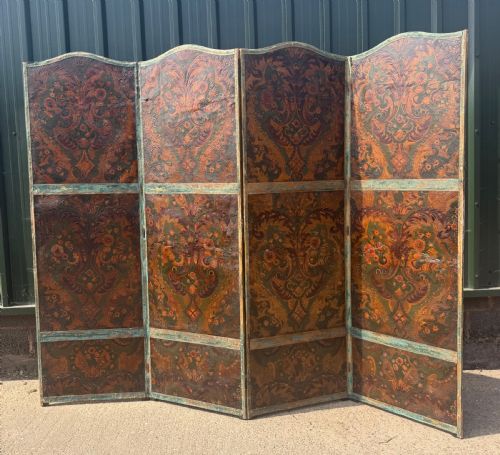
Surface decoration employs diverse techniques including deep carved bone figures, polychrome decoration, needlepoint, and scrap work. Lacquer work and tooled leather finishes require specialised application of layers to achieve lasting depth.
Infill materials range from canvas and paper to brass mesh and leaded glass panes. These elements demand precise fitting within the primary wooden or papier-mâché frameworks.
Large Room Divider Retail Price Guide 2026
Typical asking prices for large room divider among the pieces listed under this phrase on Sellingantiques today, from the lower quarter to the upper quarter. They describe what is for sale here now, not the wider market.
Victorian scrap work screens hide entire historical narratives within layers of pasted paper ephemera waiting to be decoded.
What varies in quality
Quality rests in the execution of decorative detail, seen in the depth of bone carving and the precision of Chinoiserie lacquer work. Superior examples display meticulous hand-painted motifs and intricate needlework rather than simpler applied decoration.
Structural integrity differentiates the standard from the exceptional, particularly in the alignment of multiple folds and the durability of the hinges. Heavier materials like mahogany and leaded glass require robust framing to prevent sagging over time.
The Large Room Divider Glossary
- Chinoiserie
- European interpretation and imitation of Chinese and East Asian artistic traditions, frequently expressed in lacquer and decorative screens. This style flourished across various periods represented in the inventory.
- Mashrabiya
- An architectural element featuring carved wooden latticework used for windows and room dividers. It controls light and air circulation while creating intricate geometric patterns.
- Coromandel
- Chinese carved lacquer ware where motifs are incised into a dark ground and filled with pigments. The technique produces a rich textured surface on folding panels.
- Papier-mâché
- A composite material made from paper pulp or layers of paper bound with glue, used to form lightweight yet rigid screen panels. It accepts dark lacquered finishes particularly well.
- Scrap work
- A decorative technique involving the application of numerous printed paper scraps onto a surface, which is then varnished. Victorian screens frequently employ this method for dense collage displays.
Large Room Divider: Frequently Asked Questions
How do I place a large room divider?
Position the panels to create private zones or to soften large open corners in a room. Ensure the folds are angled securely to maintain balance.
Allow enough clearance for the panels to articulate without scraping against furniture or walls during daily movement.
What periods do these screens cover?
The inventory encompasses pieces from the nineteenth century through to the Art Deco period of nineteen thirty. Styles range from Regency and Victorian Chinoiserie to Scandinavian country aesthetics.
Each era contributes distinct materials, from heavy mahogany frames to delicate Japanese paper and carved bone.
How are multi-fold panels supported?
Support relies on sturdy timber frames and robust hinges connecting three, four, or more folding sections together. The weight of materials like leaded glass or hardwood demands precise alignment.
Heavier panels require careful floor placement to distribute weight evenly across all supporting feet.
Can these screens be used for privacy?
Tall multi-fold panels effectively block lines of sight across large rooms or dressing areas. Dense materials like lacquered wood, canvas, and needlepoint offer total visual obstruction.
Lighter infills like glass or open mashrabiya panels provide partial division while maintaining light flow.