





Large Landscape Canvas
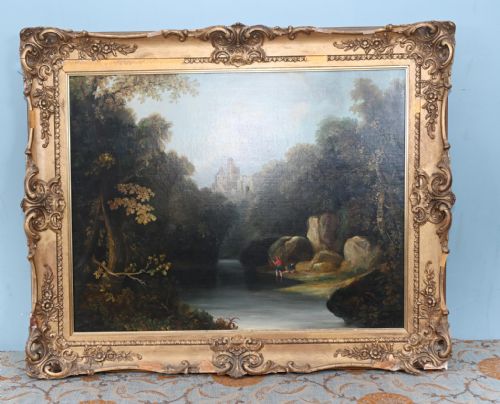
A large antique landscape canvas brings a sense of open countryside or distant horizon directly onto an interior wall.
Large Landscape Canvas
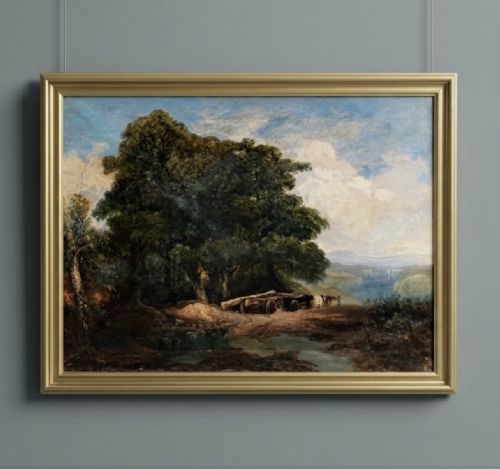
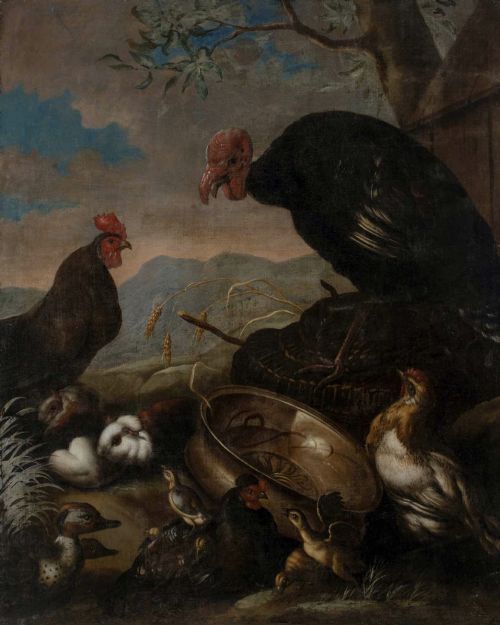
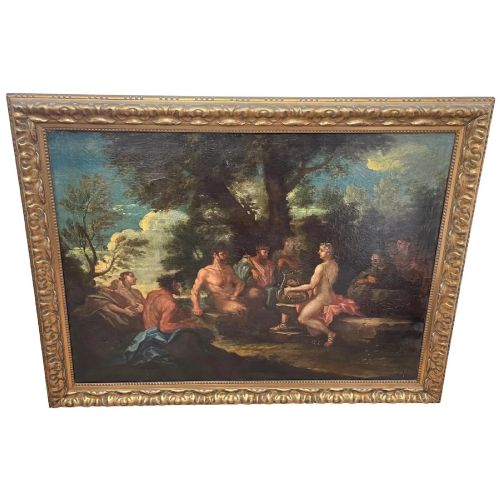
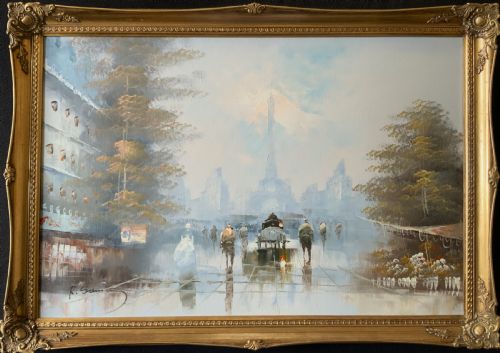
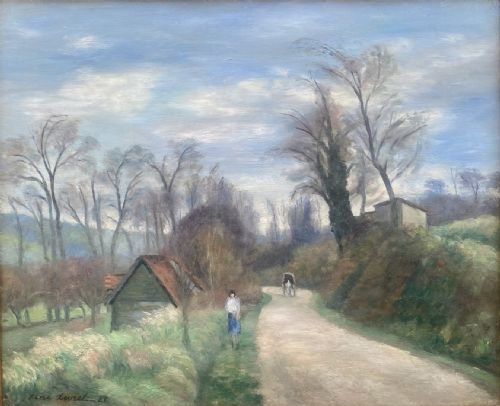
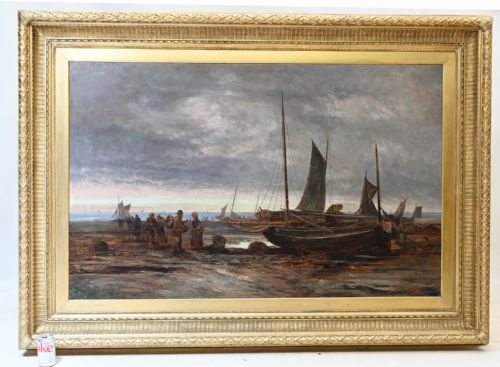
A large antique landscape canvas is a significant oil painting on a fabric support, depicting scenes ranging from quiet rural fields to dramatic mountain ranges and coastal views. These works span multiple centuries, appearing in periods from the seventeenth century through to the mid twentieth century with strong representation from the Victorian era.
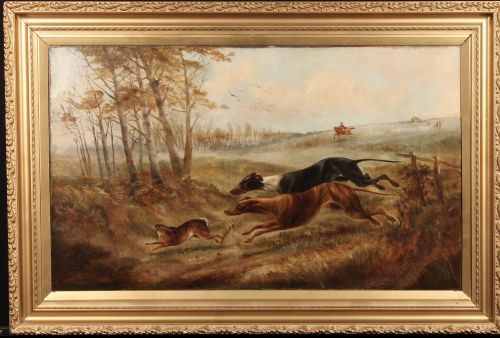
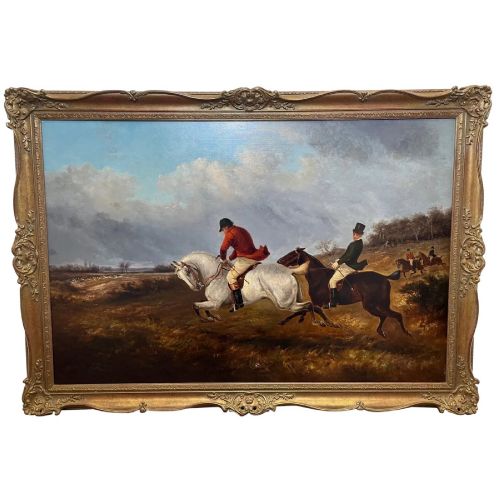
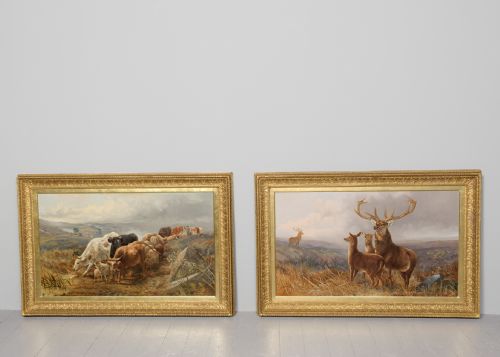
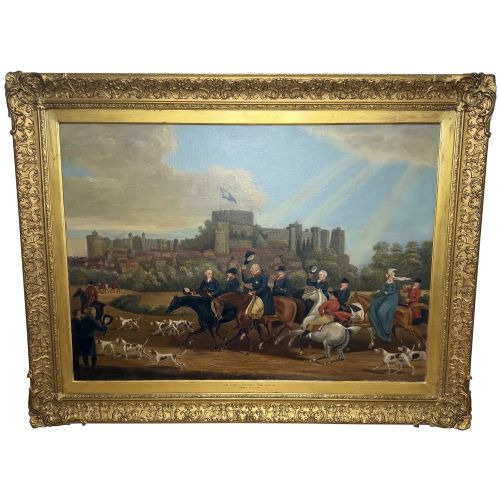
Buyers look for these sizeable artworks to anchor a room, often featuring traditional British, French, Italian, or German regional settings. The subjects vary from pastoral farmsteads and river valleys to hunting scenes and architectural ruins set within open terrain.
Most pieces encountered on this page belong to the nineteenth century, executed in oil paint on stretched canvas and frequently housed in substantial wood or gilt frames.
How they were made
The primary materials recorded in these works consist of oil paint applied to woven canvas stretched over wooden frames, creating a stable yet flexible surface for detailed brushwork. Artists layered pigmented oils to build depth in skies, foliage, and distant horizons, allowing for subtle tonal gradations.
Many of these large formats rely on original timber structures, often enriched with carved gesso and applied gold leaf to form ornate giltwood frames that complement the scale of the painting.
Listings feature works spanning the seventeenth century through to the mid twentieth century, utilising oil paint on canvas.
What varies in quality
Quality in a large antique landscape canvas rests upon the artist's command of light, perspective, and atmospheric depth across a broad expanse. Superior works manage large scales successfully by maintaining balanced composition and naturalistic colour relationships from foreground detail to distant background.
The integrity of the original canvas and the execution of the brushwork distinguish finer examples from standard decorative works. Furthermore, the presence of a well preserved, period appropriate gesso and giltwood frame contributes significantly to the overall standing of the piece.
Richard Sebastian Bond·Angelo Maria Crivelli·Thomas Smythe·Rene Levrel·Robert Cleminson·Alexandre Le Bihan·William Henry Mander·Thomas Sidney Cooper·Thomas Bromley Blacklock·Herbert Royle·William Sydney Cooper·George Armfield·Charles Vickers·William Mellor·George Morland·Hendricus Joseph Dillens·Pieter Bout·Adriaen Frans Boudewyns·John Wright Oakes·Joseph Farquharson·Tom Seymour·Sidney Yates Johnson·Karl Herrle·John Falconar Slater·Thomas Rose Miles
The Large Landscape Canvas Glossary
- Oil on Canvas
- A traditional painting medium where pigments are suspended in a drying oil, typically linseed, and applied to a woven fabric support stretched across a wooden frame. This combination allows for rich colour blending and lasting durability.
- Giltwood
- Wood that has been coated with a thin layer of gold leaf or gold paint, frequently used for ornate picture frames during the eighteenth and nineteenth centuries. It provides a reflective border that enhances the artwork within.
- Gesso
- A paint mixture consisting of a neutral binder mixed with chalk, gypsum, or similar substances, applied to wood or canvas as a base for painting or gilding. On frames, it forms the moulded relief details.
- Post-Impressionism
- An art style developing from the late nineteenth century that extended Impressionism while rejecting its limitations, focusing on more symbolic content and heavier brushwork. Works in this style often use vibrant colours to evoke emotional responses to scenery.
- British Impressionism
- A movement where artists adopted the loose brushstrokes and attention to changing light characteristic of French Impressionism, applied to domestic rural and coastal subjects. These paintings often capture the specific atmosphere of British weather and countryside.
Large Landscape Canvas: Frequently Asked Questions
How do I hang a large canvas securely?
Heavy oil paintings require sturdy fixings screwed directly into wall studs or masonry using appropriate wall plugs and picture hooks rated for the weight. Ensure the wire or D-rings on the original frame are secure before mounting.
Position the centre of the canvas at approximate eye level to create a balanced focal point within the room.
Where were these landscape scenes usually painted?
Artists often worked both <i>en plein air</i> for initial studies and within studios to complete large compositions based on regional tours. Locations frequently included British rural counties, French river valleys, and Alpine mountain passes.
These settings reflected contemporary tastes for picturesque scenery and romanticized depictions of nature.
How do I clean an antique oil painting?
Dust should be removed gently using a soft, dry artist brush without applying pressure to the canvas surface. Avoid using water, household cleaners, or solvents on the paint layer.
Professional conservators should handle any deeper cleaning or removal of aged varnish to prevent damage to the original pigments.
Can I tell the period from the frame?
Frames often provide a strong clue to the date of the artwork, as many nineteenth-century paintings retain their original gesso and giltwood settings. Stylistic details in the moulding and corner ornaments match the prevailing tastes of the era in which the canvas was produced.
However, frames can occasionally be replaced or updated in later years, so they should be assessed alongside the canvas itself.