





Brown Earthy Oil Canvas
These brown earthy oil canvas works bring rustic landscapes, pastoral scenes and quiet portraits into a room through rich tones and traditional brushwork.
Brown Earthy Oil Canvas
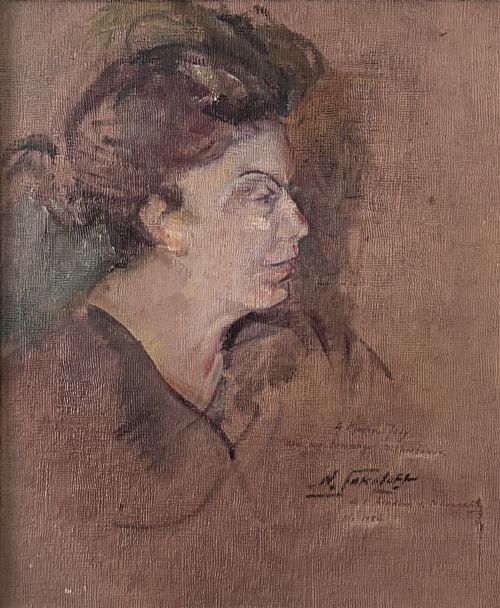
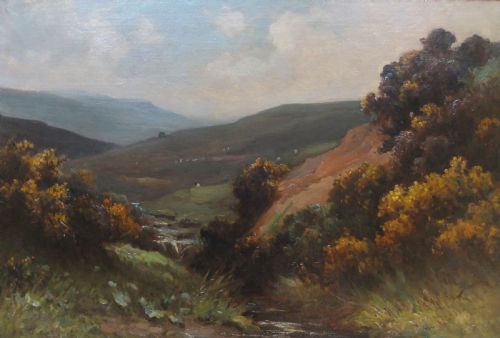
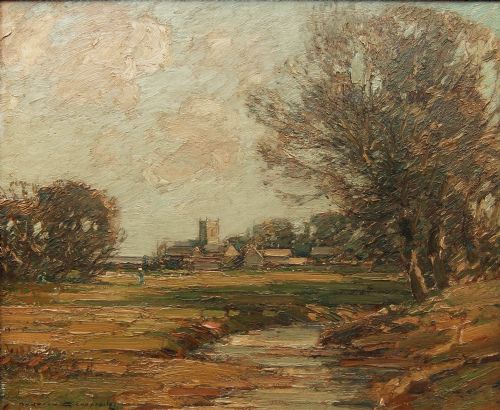
A brown earthy oil canvas search leads straight to nineteenth and early twentieth century framed paintings, capturing pastoral landscapes, working farmyards and quiet portraits. These pieces typically display muted tones and natural palettes, reflecting the rural subjects favoured by British Impressionist, Victorian and Barbizon School artists. A buyer browsing this selection meets numerous depictions of countryside scenes, working horses and river views.
The works originate across several decades spanning the Victorian era through the mid twentieth century. Many examples present regional British scenery, alongside French provincial views and Belgian compositions. The most frequent formats are framed oil paintings on canvas or board, presenting historical rural life with direct visual warmth.
Materials and technique
These works rely upon oil paint applied directly to woven canvas or rigid board supports. Artists manipulated oil pigments to build rich, textured surfaces that held their depth over generations. Wooden stretchers and frames provide structural support for the canvas.
Techniques range from smooth academic layering to looser Impressionist brushwork. Pigments emphasise natural brown, green and earthy hues to capture fields, livestock and wooded rivers.
Listings feature canvas, board, and oil paint across nineteenth and twentieth century periods.
Distinguishing quality
Quality rests in the confidence of the brushwork and the clarity of the composition. Stronger pieces display assured handling of light and shadow across natural forms, particularly in animal and landscape details.
The handling of the medium distinguishes standard decorative works from accomplished fine art. Depth of pigment and atmospheric perspective separate superior examples from simpler academic exercises.
William H Myers·Raimond Louis Lecourt·Vincenzo Irolli·Herbert Royle·John Frederick Herring·Robert Finley McIntyre·William Traies·Ernest Higgins Rigg·J L Van Leemputten·Frederick William Jackson·Kershaw Schofield·William Greaves·Owen Bowen·Maurice Wagermans·Benjamin Williams Leader·Edward J Cobbett·Edward John Niemann·Frederick Underhill·Thomas Creswick·Maurice Sijs·James William Booth
The Brown Earthy Oil Canvas Glossary
- Canvas
- A heavy woven fabric used as a surface for oil painting. It is typically stretched tightly across a wooden frame before pigment is applied.
- Board
- A rigid flat panel used as a painting support instead of woven fabric. Painters often utilised wooden or composition boards for smaller works.
- Barbizon School
- A mid nineteenth century French art movement focused on realistic landscape painting. Artists painted directly from nature with an emphasis on earthy tones.
- Stretcher
- The internal wooden framework that holds a painted canvas taut. Inscriptions regarding the artist or location often appear directly on this wood.
Brown Earthy Oil Canvas: Frequently Asked Questions
What periods do these paintings cover?
The selection spans from the nineteenth century through the mid twentieth century. Pieces hail from Victorian, Edwardian and later periods.
Most works cluster around the late nineteenth and early twentieth centuries, reflecting traditional European painting styles.
Where were these paintings created?
Origin locations include Britain, France and Belgium. Rural scenes often depict specific regional landscapes such as Yorkshire or Scottish settings.
Continental works include French provincial views and Belgian pastoral compositions.
What subjects appear most frequently?
Common subjects include pastoral landscapes, farmyards with working horses, cattle, and rural river views. Portraits of figures in traditional settings also appear.
Marine views and village scenes complete the typical roster of subjects.
How should I care for an old oil canvas?
Keep the painting away from direct sunlight and damp conditions to protect the oil paint and canvas. Stable indoor temperatures prevent warping of the wooden stretchers.
Dust the surface gently with a soft dry cloth and avoid liquid cleaners.