
Large Floor Mirror
A large antique floor mirror anchors a room with scale and reflection, bringing light and presence from past centuries straight into your interior.
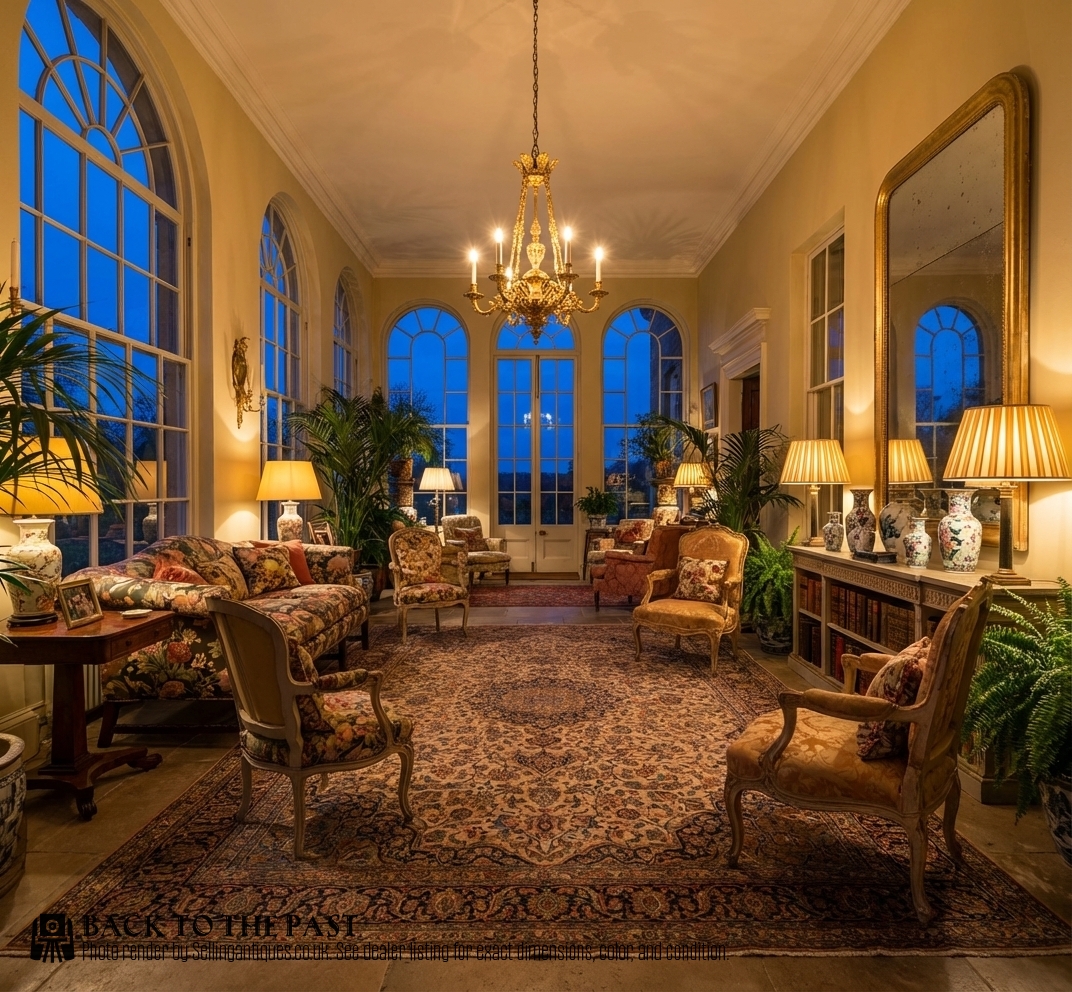
What a large antique floor mirror is
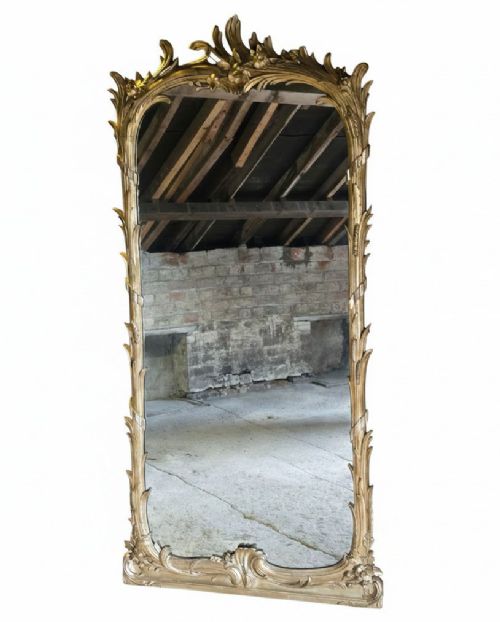
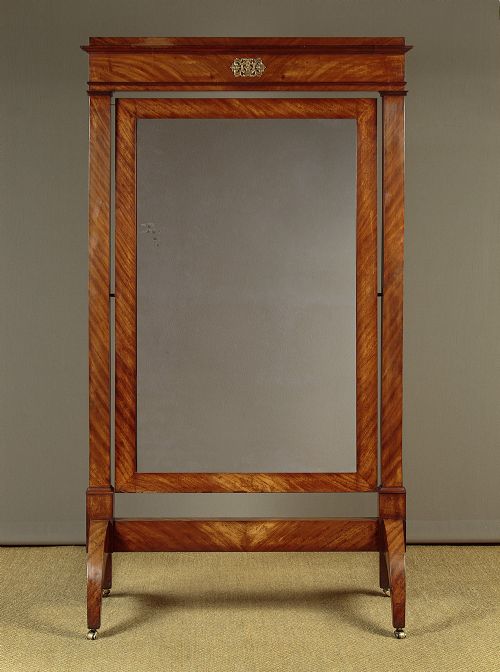
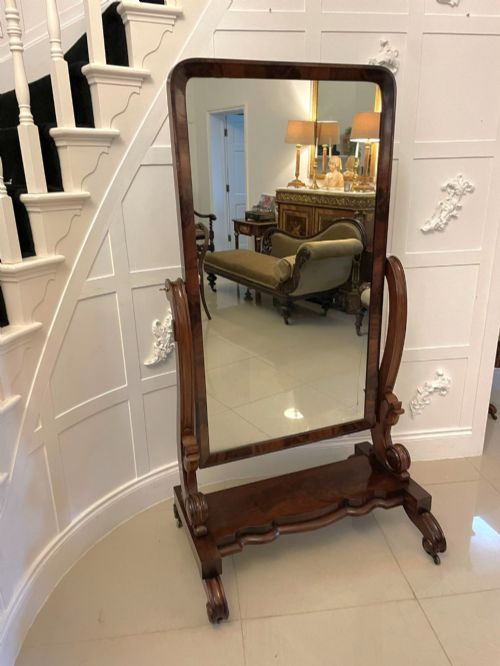
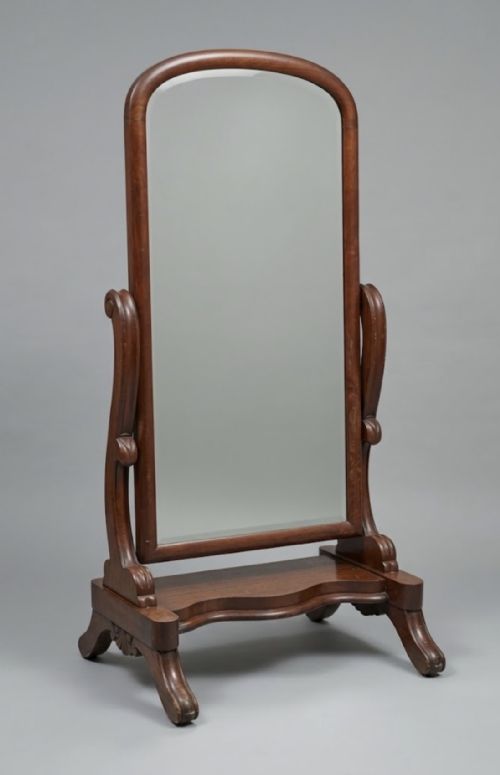
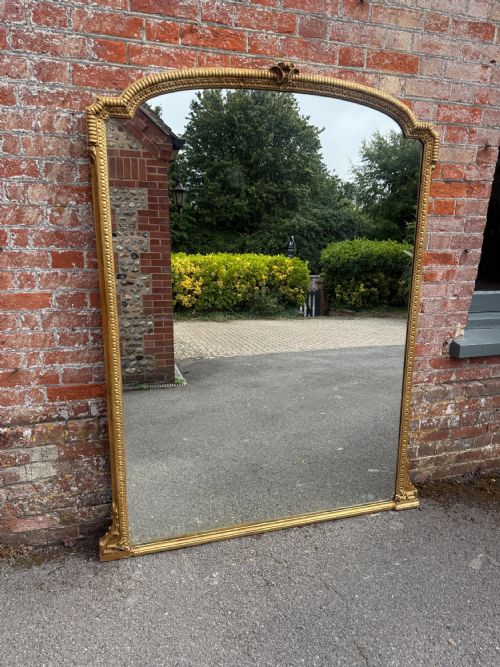
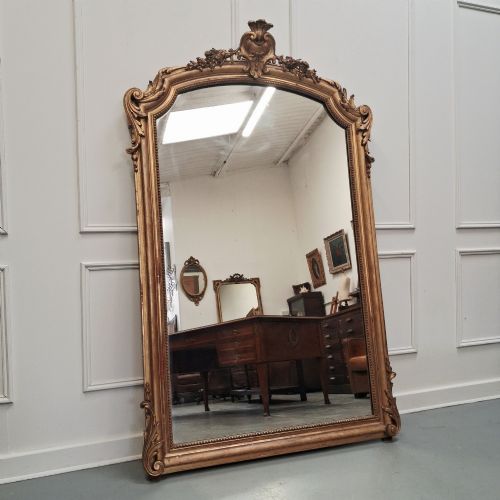
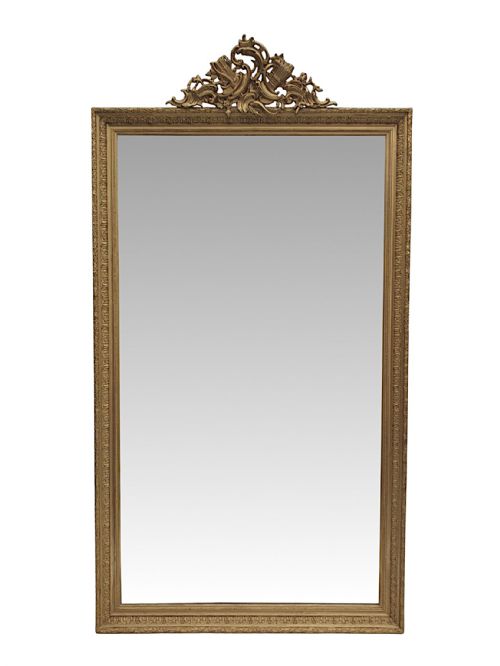
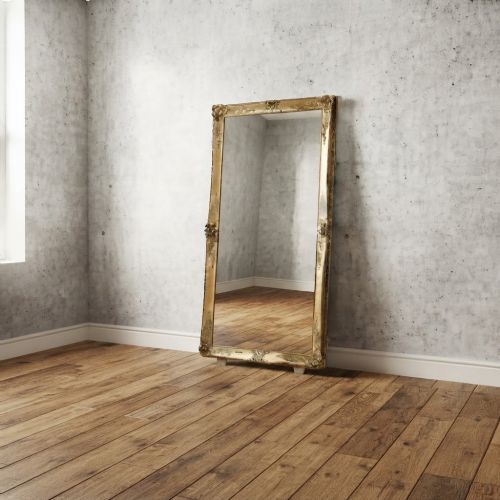
When searching for a large antique floor mirror, you are looking at substantial looking glasses designed to stand upon the floor or lean against a wall, capturing the full figure and reflecting light across a room. These substantial pieces serve as dramatic focal points in hallways, bedrooms, and reception rooms, combining architectural scale with practical use.
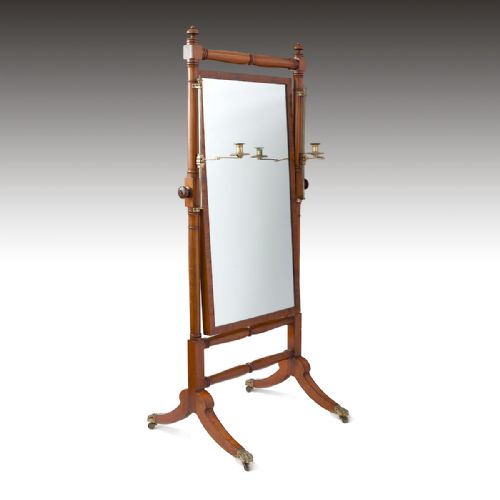
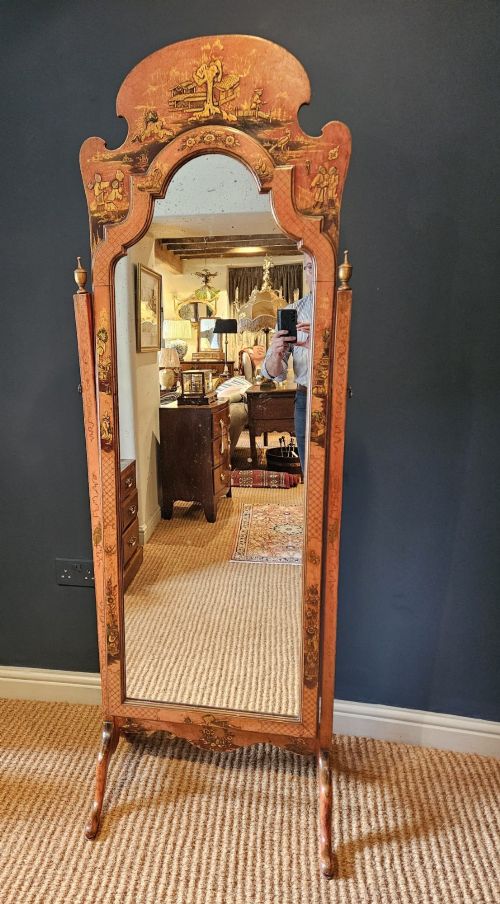
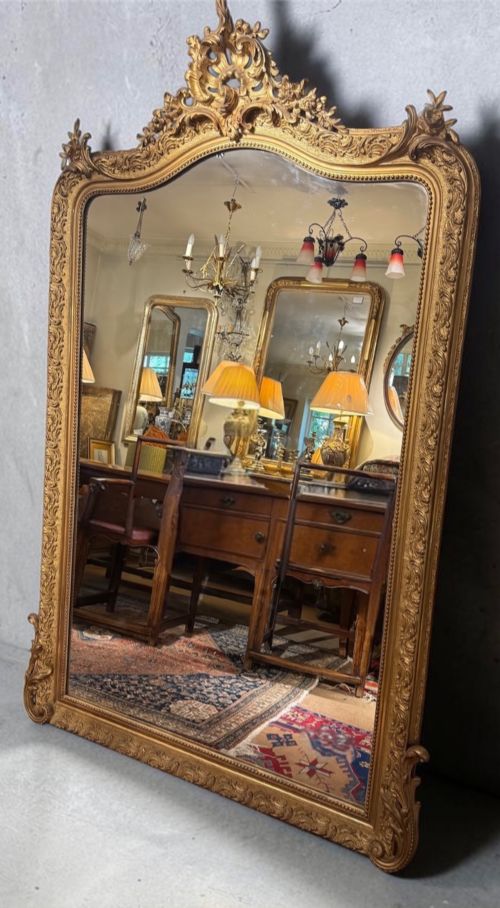
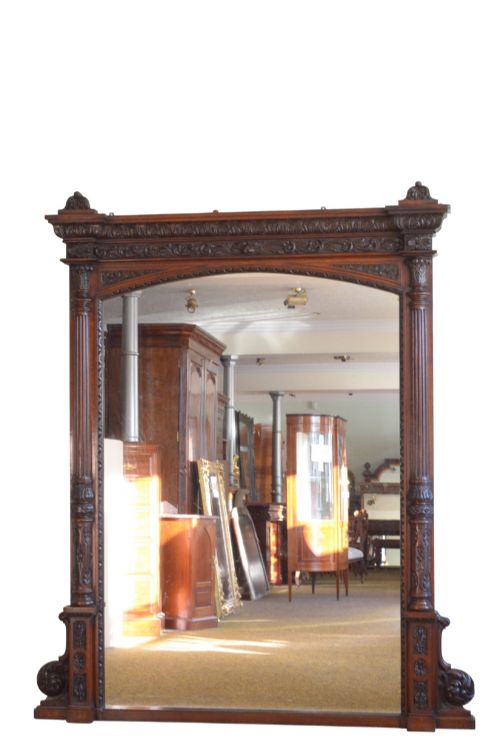
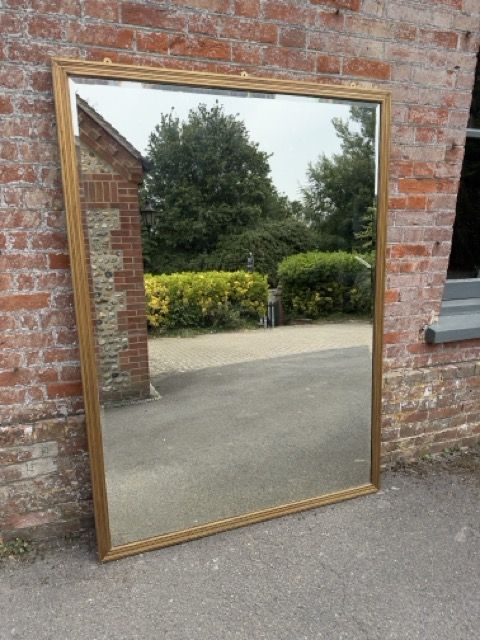
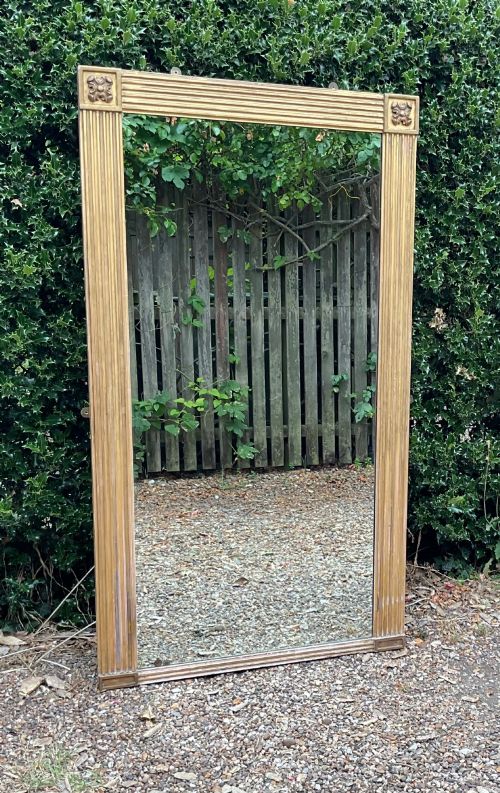
The versions you are most likely to meet on this page span several distinct periods and regional styles, drawing heavily from French and English cabinet-making traditions. Evidence shows examples ranging from the eighteenth century through the Regency era and the nineteenth century, taking the form of full-height floor mirrors, cheval glasses, and grand pier glasses.
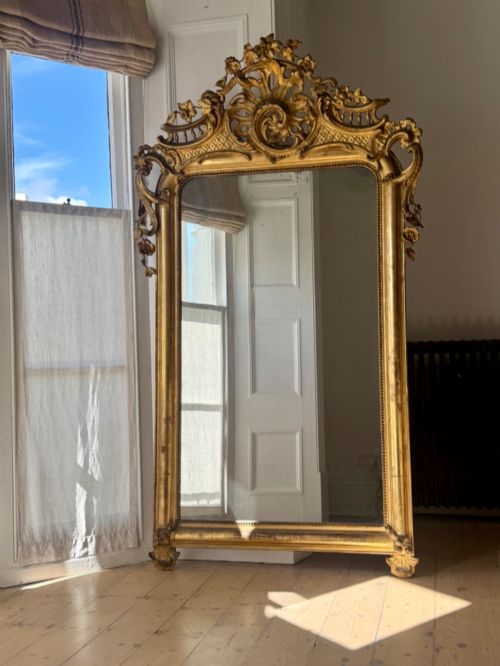
Makers and artisans of the past constructed these mirrors to dominate interiors, utilising impressive dimensions that often exceed standard wall-hanging frames. Whether finished in bright gold leaf, subdued paint, or dark ebonised timber, each large antique floor mirror carries the distinct aesthetic weight of its period, from French Rococo and Louis Philippe to English nineteenth-century carving.
How they were made
The construction of these mirrors relies on traditional timber framing, utilising carved wood, gesso, and mahogany to build substantial structures capable of supporting heavy glass plates. Artisans applied layers of gold leaf or paint directly over gesso and carved details to achieve rich, reflective metallic surfaces or matte painted finishes.
Retail Price Guide 2026
Typical UK retail prices for large floor mirror, calculated from the Sellingantiques database of over a million retail prices indexed since 2003. This retail price guide relies exclusively on Sellingantiques data; no external sources or auction records are used, so the figures do not describe the wider market.
Listings feature frames finished in giltwood, gold leaf, gesso, carved wood, paint, and ebonised timber.
What varies in quality
Quality in these pieces rests upon the depth and crispness of the hand-carved wood and gesso ornamentation, where finer examples display sharp, undercut detail rather than soft or moulded relief. The proportion of the frame to the glass plate dictates the visual balance, with superior pieces maintaining architectural harmony despite their massive scale.
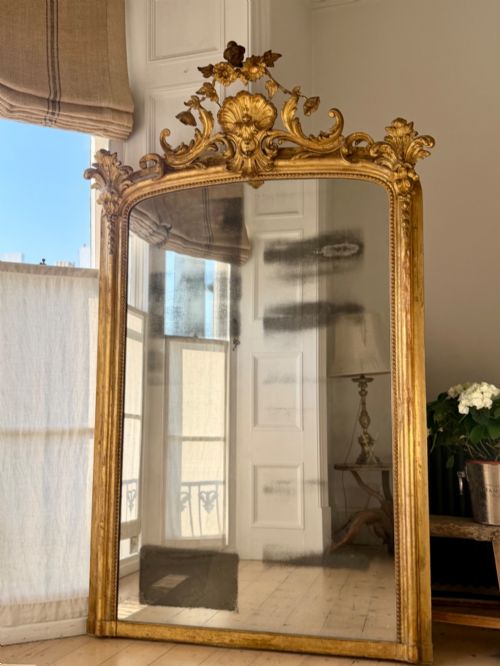
The integrity of the reflective plate also separates examples, as original mercury glass with natural foxing or heavy, clear nineteenth-century glass holds greater historical character than later replacements. Furthermore, the quality of the original gilding or the subtlety of period paint finishes marks the distinction between standard workshop output and high-end commission work.
Charles Nosotti
The Large Floor Mirror Glossary
- Mercury glass
- An early type of double-walled glass blown with a silvering mixture between the layers, creating a characteristic speckled reflection. It is frequently seen with atmospheric foxing.
- Giltwood
- Timber that has been coated with a thin layer of gold leaf over a prepared gesso ground. This technique provides a luminous, durable metallic surface.
- Gesso
- A plaster-like mixture applied to wood frames and carved to create raised ornamental details before gilding or painting. Its smooth surface takes fine tool work exceptionally well.
- Cheval mirror
- A freestanding full-length dressing mirror suspended by pivots within a vertical frame. This allows the glass to tilt to various angles.
- Pier glass
- A tall mirror specifically designed to hang or stand on the wall space between two windows. They often match the height of the surrounding architectural openings.
- Foxing
- The natural ageing process in antique mirror glass where the reflective backing oxidises, producing dark spots and a characteristic mottled appearance.
Frequently Asked Questions
How do I secure a floor mirror safely?
Large mirrors of this scale require proper wall anchoring to prevent tipping, especially when freestanding on historic floorboards or deep carpets.
Most antique examples feature original hanging loops or benefit from discreet anti-tip brackets attached securely to the wall behind the upper frame.
Can these mirrors stand directly on the floor?
Many of these pieces are designed as floor standing or full-height mirrors intended to rest directly on the ground while leaning against the wall.
Others utilise a dedicated frame structure, such as a cheval base, or require placement above a low piece of furniture as an overmantel.
How do I identify a nineteenth-century frame?
Nineteenth-century frames often display heavy carved wood and gesso ornamentation, reflecting styles like Louis Philippe or grand Regency aesthetics.
Examining the construction behind the frame and the composition of the glass plate helps confirm the period of manufacture.
What is foxed glass?
Foxed glass refers to the natural ageing of the reflective backing, which creates charming dark spots and a mottled, cloudy appearance across the surface.
This ageing process is typical in mercury glass and is valued by collectors for the authentic antique atmosphere it brings to a room.