

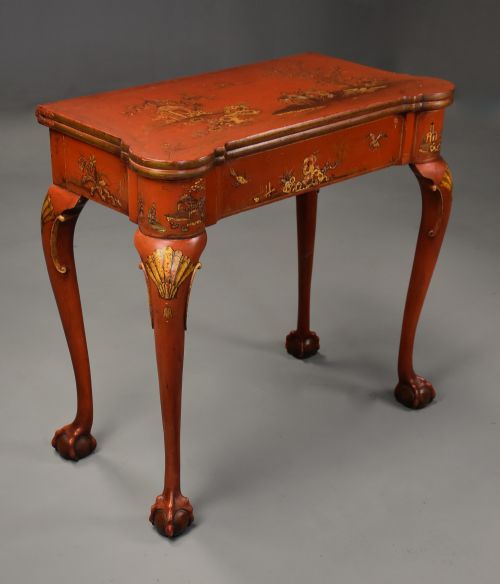


Lacquer Occasional Tables
These lacquer occasional tables bring hand-painted narrative scenes and deep polished finishes into a room, serving as striking stands for lamps or drinks.
Lacquer Occasional Tables
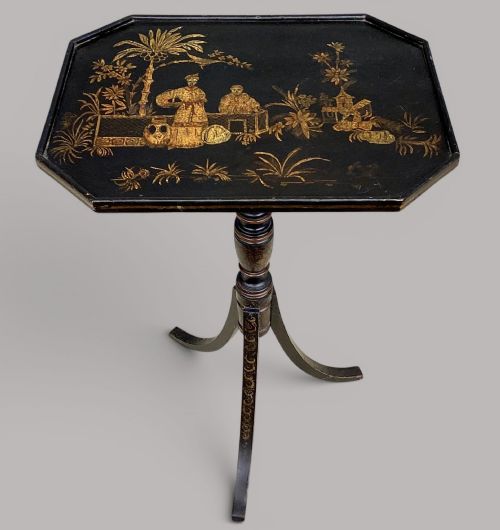
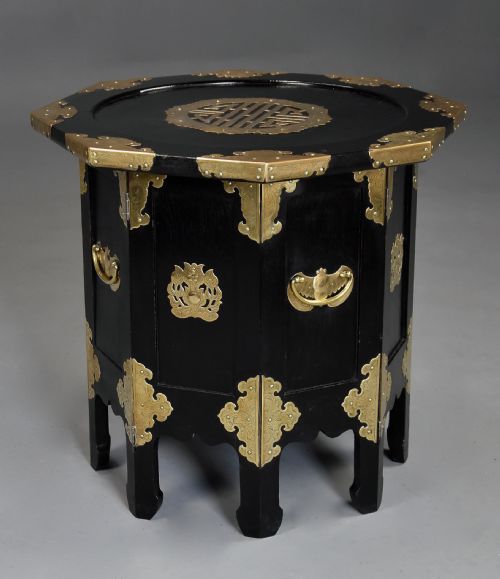
Lacquer occasional tables encompass a diverse group of small, moveable stands designed for specific domestic tasks such as serving wine, playing games, or holding sewing implements. When searching this phrase, a buyer encounters pieces originating from various traditions, including British adaptations in the Chinoiserie taste alongside direct imports from China and Japan.
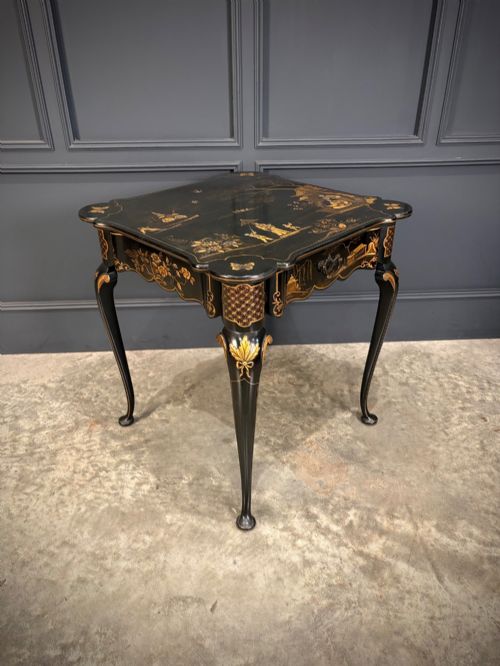
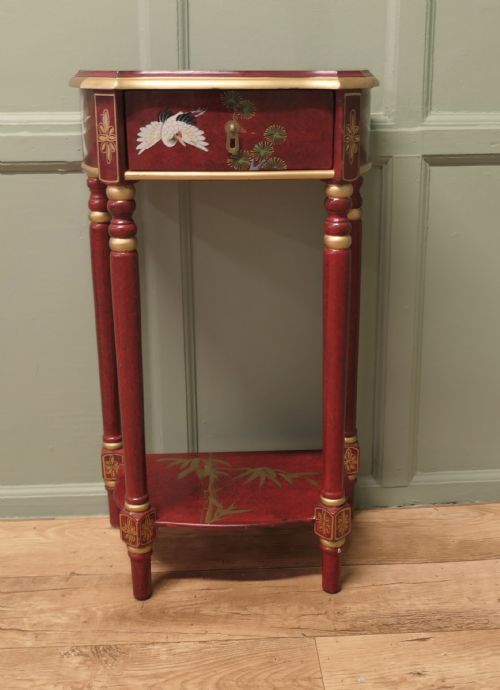
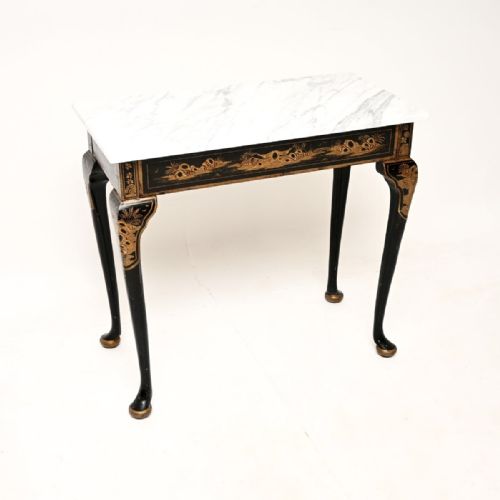
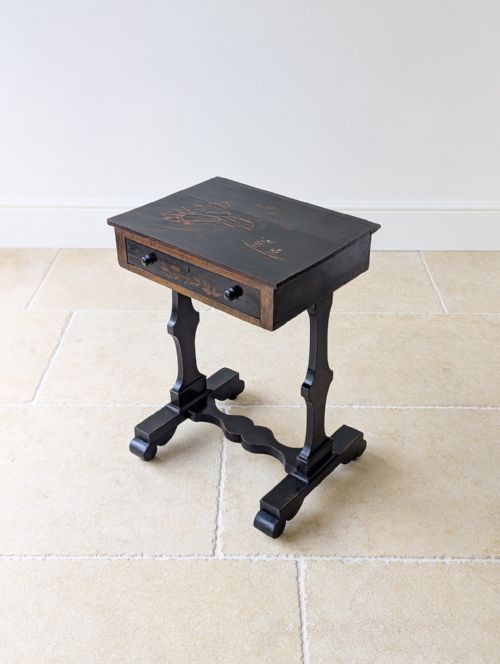
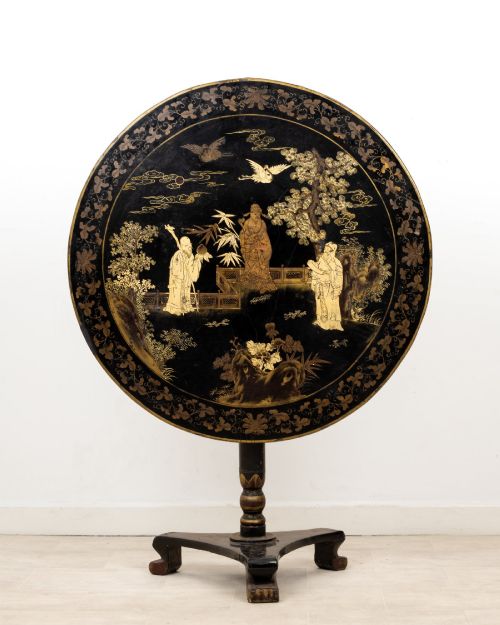
The version most commonly met on this page is the Victorian or early twentieth-century Chinoiserie table, frequently finished in black or red lacquer with gold leaf decoration. These items range from simple tilt-top wine tables and nested sets to elaborate two-tier sewing tables and folding card tables.
Materials and Construction
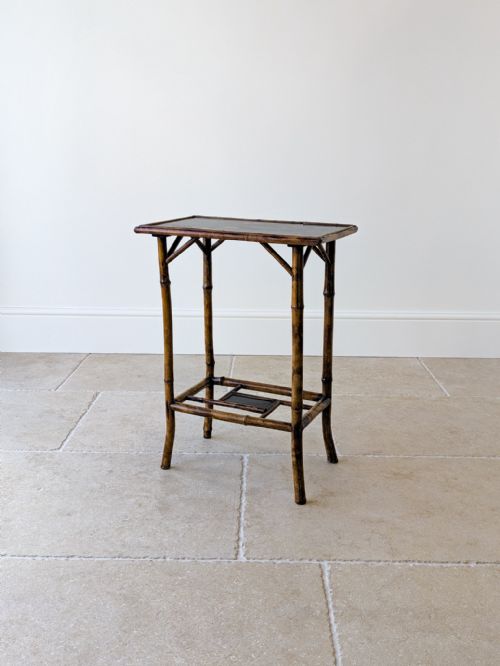
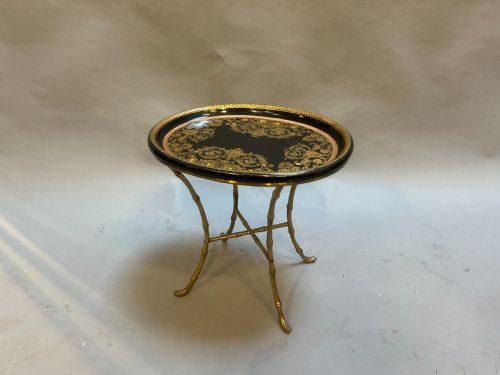
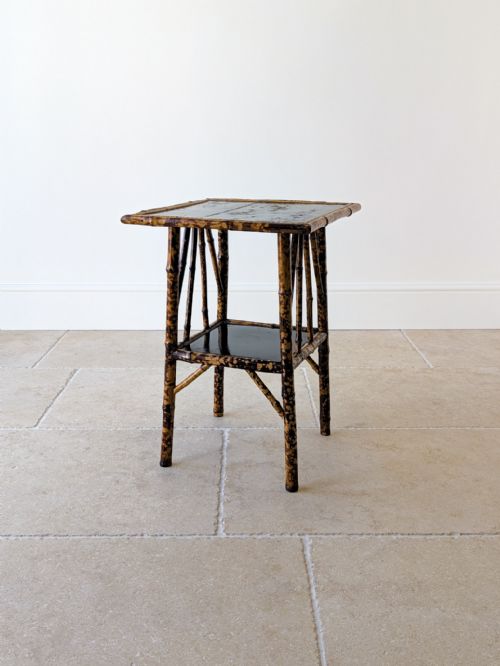
The foundation of these pieces relies on traditional timber framing, utilising woods such as elm, or supporting structures built from bamboo and papier-mâché. Makers applied successive coats of lacquer to achieve a durable, glossy surface, often incorporating gilt or brass elements to heighten the visual contrast.
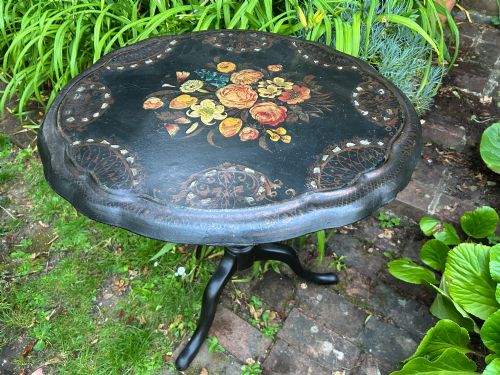
Decoration on the surfaces frequently involves intricate hand-painted Chinoiserie motifs, ink work, or parcel gilt detailing depicting figures, landscapes, and floral patterns. Some examples incorporate specialist tops like marble or inset quartz alongside traditional lacquered wood panels.
Listings feature pieces spanning the eighteenth, nineteenth, and early twentieth centuries, constructed from materials including bamboo, papier-mâché, and lacquered wood.
Evaluating Quality and Execution
The distinction between ordinary examples and the finest items rests upon the depth of the lacquer finish and the intricacy of the hand-painted decoration. Superior pieces display multi-layered finishes with crisp, detailed gilt work that retains its coherence across curved and flat surfaces alike.
Structural integrity and the retention of original decorative schemes also dictate distinction, as later restorations or altered stands diminish historical coherence. Tables that preserve their original hardware, such as brass fittings or tailored stands, demonstrate superior craftsmanship.
The Lacquer Occasional Tables Glossary
- Chinoiserie
- European decorative style reflecting Chinese artistic influences, characterised by pictorial scenes of figures, pavilions and landscapes.
- Japanning
- European imitation of East Asian lacquerwork, created using layered varnishes and metallic dust.
- Parcel Gilt
- Partial application of gold leaf or gilt paint to highlight specific carved details or motifs.
- Tilt Top
- A tabletop hinged to a central pillar, allowing the surface to fold vertically when not in use.
- Etagere
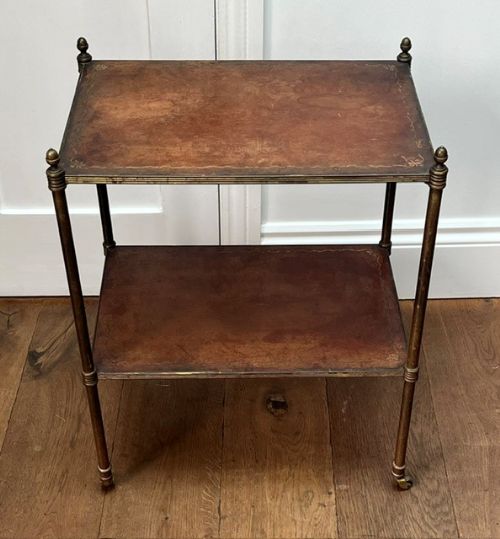
- A set of open shelves or tiered stand designed for displaying small decorative objects or serving items.
Lacquer Occasional Tables: Frequently Asked Questions
How do I use a lacquer occasional table?
These pieces function well beside seating to hold lamps, books, or drinks, utilising their compact sizes for flexible placement.
Nest of tables can be separated across a room when entertaining and stacked together compactly when not needed.
What is the difference between Chinoiserie and Japanese styles?
Chinoiserie reflects European interpretations of Chinese motifs, featuring whimsical pavilions, landscapes, and figures rendered in gilt upon dark backgrounds.
Japanese pieces from periods like the Meiji era often display distinct native flora, fauna, and traditional craftsmanship associated with eastern workshops.
How should I care for lacquered surfaces?
Dust surfaces gently with a soft, dry cloth and avoid using harsh chemical sprays or abrasive cleaning pads.
Keep the tables away from direct sunlight and excessive moisture to protect the delicate lacquer and gilt decoration.