




Kyoto Satsuma Urn
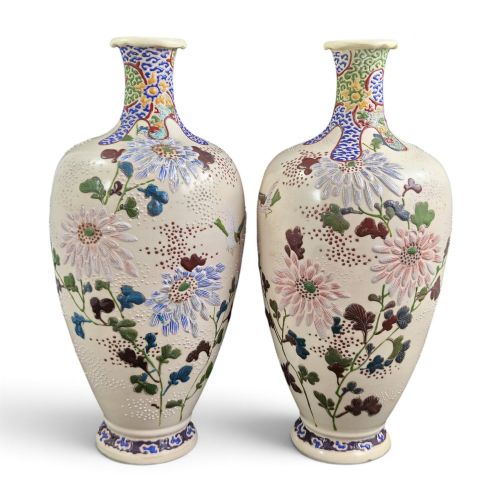
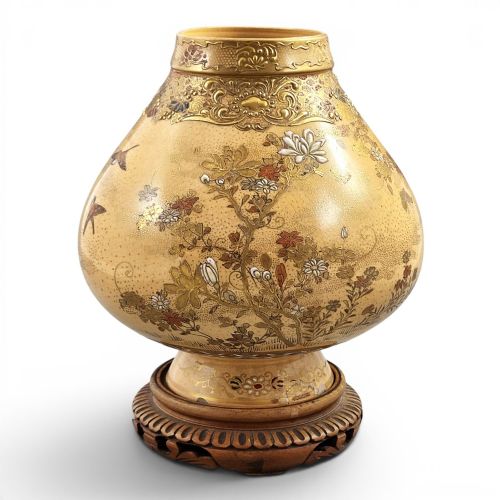
These Kyoto satsuma urn pieces and vases bring intricate hand-painted enamel and heavy gold gilt work straight into a room.
Kyoto Satsuma Urn
Every Kyoto satsuma urn and vase on this page brings together traditional Japanese craftsmanship and ornate decorative schemes from the nineteenth century and the Meiji period. Buyers will encounter various forms ranging from miniature vessels to monumental landscape vases and lidded incense burners.
The pieces listed reflect distinct regional workshops operating around Kyoto during the late nineteenth and early twentieth centuries. Most examples display detailed figural scenes, flora such as chrysanthemums and wisteria, or serene mountain landscapes.
Vessels on this page often incorporate handles, intricate moriage relief work, and cobalt blue grounds enriched with gold leaf. Collectors seeking these ceramic works will find both single display items and balanced pairs originating from this specific Japanese artistic tradition.
Materials and Techniques
The foundation of each piece is earthenware or porcelain shaped into vases and jars, which then received careful applications of glaze and enamel. Artisans built up surface texture using raised moriage techniques to give certain decorative elements a tangible, three-dimensional quality.
Gilding played a central role in the finishing process, utilising gold gilt and gold leaf to highlight borders, panels, and intricate floral motifs. Master painters applied fine lines of enamel by hand to depict complex family scenes, religious motifs, and detailed gardens.
Kyoto Satsuma Urn Retail Price Guide 2026
Typical asking prices for kyoto satsuma urn among the pieces listed under this phrase on Sellingantiques today, from the lower quarter to the upper quarter. They describe what is for sale here now, not the wider market.
Some miniature vases are so densely covered in tiny gold chrysanthemums that the underlying ceramic glaze completely disappears from view.
Assessing Quality and Execution
Execution of the painted detail separates ordinary vessels from exceptional works, particularly in the precision of facial expressions, robes, and natural foliage. Finer pieces demonstrate superior control over the enamel palette and the crispness of the gilt work.
The complexity of the composition also dictates overall standing, with multi-panel designs, heavy moriage relief, and signed workshop pieces commanding greater attention. The balance between the cobalt grounds, intricate gilding, and negative space determines the visual harmony of the finished ceramic.
Kinkōzan Workshop·Chosei·Seiko-en Chokei·Yamashu·Hakusan·Tagawa·Hayakawa·Kotobuki-do
The Kyoto Satsuma Urn Glossary
- Moriage
- A decorative technique where slip or enamel is applied in raised dots or lines to create a textured, three-dimensional surface on ceramics. This method adds significant tactile depth to floral and geometric patterns.
- Koro
- A traditional Japanese incense burner, typically featuring a body, handles, and a pierced cover designed to let fragrant smoke escape. These vessels often stand on small feet.
- Meiji Period
- The era of Japanese history lasting from 1868 to 1912, marked by the opening of trade with the West and a flourishing of decorative arts. Kyoto workshops produced high-volume export wares during this time.
- Gilt
- A thin layer of gold or gold-like material applied to the surface of ceramics to provide rich metallic highlights. It frequently outlines detailed narrative panels and floral borders.
Kyoto Satsuma Urn: Frequently Asked Questions
What is a Kyoto satsuma urn?
A Kyoto satsuma urn is an ornate Japanese ceramic vessel decorated with fine enamel and gold leaf, originating from workshops in the Kyoto region during the Meiji period and early twentieth century.
These pieces typically showcase intricate hand-painted scenes featuring figures, landscapes, or flowers like wisteria and chrysanthemums against a detailed background.
How were these vases used?
These vessels served primarily as decorative display items within affluent homes during the late nineteenth and early twentieth centuries, catering to both domestic and international tastes.
Certain forms like the koro functioned specifically as incense burners, while others remained purely ornamental centerpieces for rooms and parlours.
How do I identify a Meiji period piece?
Meiji period identification relies on examining the specific style of painting, the presence of maker signatures or workshop marks, and the characteristic use of fine crackle glaze beneath detailed enamel.
Artisans during this era between 1868 and 1912 combined traditional Japanese motifs with heavier gilding and moriage relief work intended for the export market.
How should I care for a painted ceramic?
Caring for these delicate ceramics requires gentle dusting with a soft, dry cloth and keeping them away from direct, strong sunlight to protect the enamel and gold leaf.
Avoid using any water, chemical cleaners, or abrasive materials on the surface, as the antique painted details and gilding are vulnerable to moisture and friction.