



Gold Enamel Pottery Vase
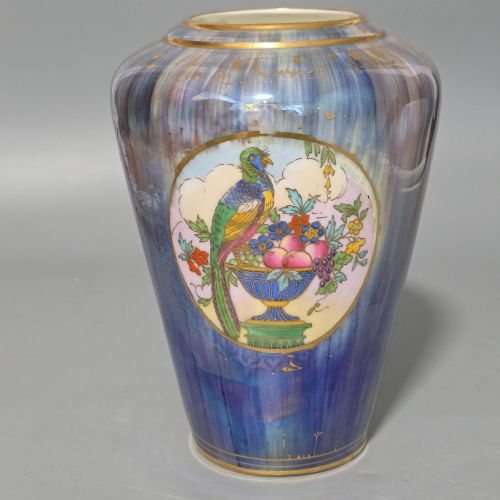
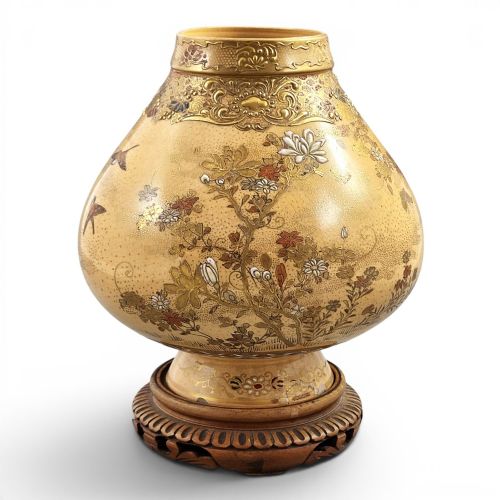
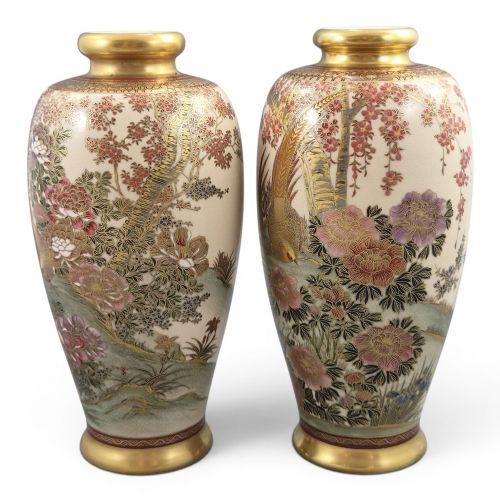
These gold enamel pottery vase pieces are decorated ceramic vessels combining metallic highlights and coloured glazes that bring rich texture and historical character to a room.
Gold Enamel Pottery Vase
The objects span multiple distinct decorative movements including the Meiji period, Edwardian era, and Art Deco styles. You meet Satsuma earthenware vessels alongside European pottery from factories such as Minton, Wedgwood, and Royal Doulton.
How they were made
Potters shaped earthenware, stoneware, or porcelain bodies before applying intricate hand painted pigments and detailed glaze formulations. Artisans built up raised relief decoration using techniques like moriage to create tactile surfaces.
Craftsmen then applied gold leaf, heavy gold gilt, and enamel highlights across the ceramic body. Firing fixed the metallic elements and coloured glazes permanently to the surface of each vessel.
Gold Enamel Pottery Vase Retail Price Guide 2026
Typical asking prices for gold enamel pottery vase among the pieces listed under this phrase on Sellingantiques today, from the lower quarter to the upper quarter. They describe what is for sale here now, not the wider market.
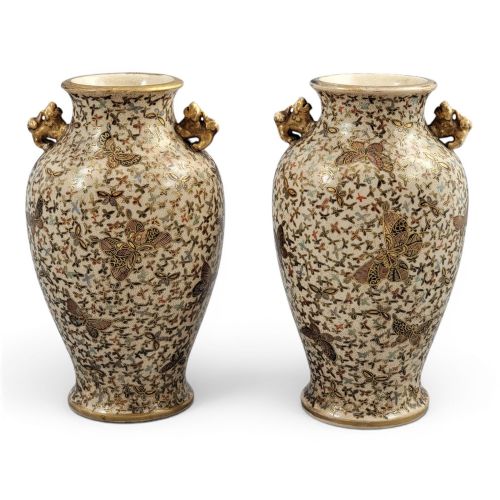
Some nineteenth century Satsuma vases feature tiny, meticulously painted armies of butterflies flying across the ceramic panels.
What varies in quality
Quality rests upon the precision of the hand painted details and the complexity of the enamel and gilt work. Pieces decorated with dense moriage relief and signed by recognised workshops or individual artists display superior technical execution.
The weight and purity of the gold gilt, alongside the clarity of the underlying glaze and the crispness of the panels, separate standard decorative items from exhibition pieces.
Manpei, Kobe·Kinkōzan Workshop·Kinzan·Nanzan·Seiko-en Chokei·Hakusan·Hododa·Minton·Royal Doulton·Wedgewood
The Gold Enamel Pottery Vase Glossary
- Moriage
- A Japanese ceramic technique using piped clay to create raised relief patterns under the glaze. This method adds significant texture and depth to the vessel surface.
- Gilt
- A thin layer of gold applied to the surface of the pottery to provide metallic enrichment. It often highlights borders, figures, and floral motifs.
- Earthenware
- Porous pottery fired at lower temperatures, commonly used for traditional Japanese Satsuma wares. It requires a glaze layer to become completely watertight.
- Stoneware
- A robust ceramic body fired at higher temperatures until vitrified. This material is dense and impermeable even without glaze.
- Lustre
- A type of pottery glaze containing metallic oxides that produce an iridescent sheen when fired. It creates shifting reflective colours across the surface.
Gold Enamel Pottery Vase: Frequently Asked Questions
What is Satsuma ware?
Satsuma ware is a type of Japanese earthenware traditionally characterised by an ivory crackle-glaze finish. Artisans decorated these vessels extensively with polychrome enamels and raised gold gilt.
These pieces were produced primarily for export during the late nineteenth and early twentieth centuries, featuring elaborate figurative scenes, landscapes, and floral patterns.
How do I identify the maker?
Inspect the base of the vessel for painted signatures, impressed marks, or paper labels left by the workshop or individual artist. Japanese pieces often carry studio stamps or handwritten calligraphy indicating the maker.
European factories like Minton and Royal Doulton utilised standard impressed and printed factory ciphers that denote the specific production year and pattern number.
Where should I display these vases?
Place your vessel on a stable surface away from heavy foot traffic or areas where it might easily be knocked over. Ensure the room maintains a stable temperature to prevent stress on the antique ceramic material.
Positioning the piece near natural light helps accentuate the reflective qualities of the gold leaf, enamel, and raised moriage details.