


Kangxi Period Porcelain
When you handle kangxi period porcelain, you are dealing with a pinnacle of Chinese ceramic art from the Qing dynasty that combines cobalt vibrancy with exceptional potting.
Kangxi Period Porcelain
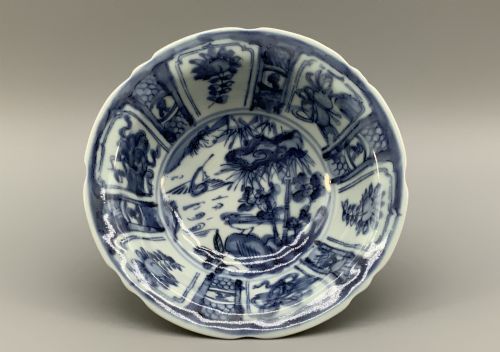
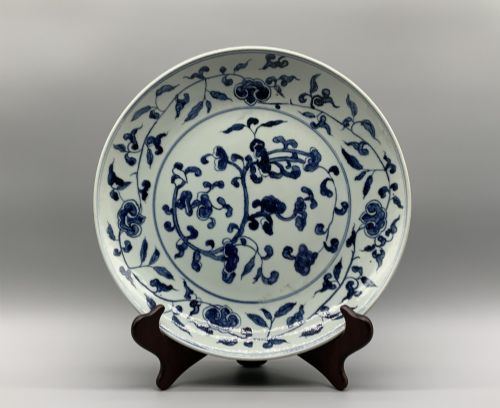
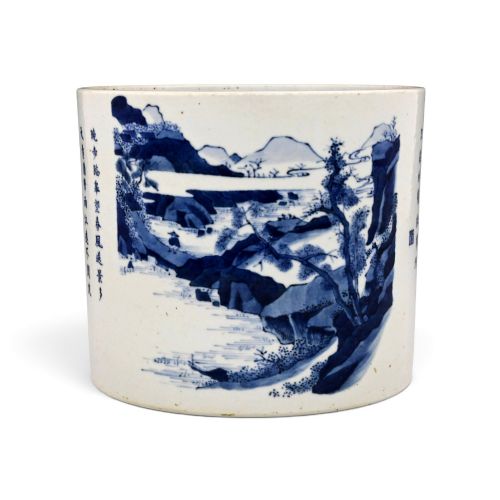
Collectors seeking kangxi period porcelain encounter a diverse array of utilitarian and decorative forms originating from late seventeenth and early eighteenth-century China. The selection ranges from chargers, bowls, and dishes to scholar's objects like brush pots and bitong, alongside lidded jars and garnitures.
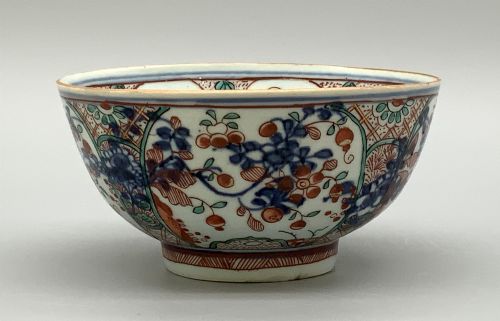
Vessels from this era often display blue and white decoration, yet the repertoire extends to vibrant famille verte enamels, Chinese Imari palettes, and monochrome surfaces. Pieces reflect both imperial commissions bearing marks and robust export wares destined for European markets.
Materials and production techniques
Potters utilised refined white porcelain bodies combined with cobalt blue underglaze to achieve deep, luminous tones applied beneath a clear glaze. Overglaze enamels including green, yellow, and iron red were subsequently added in complex multi-fired compositions.
Moulding and throwing techniques produced precise geometric forms such as square vases, octagonal teapots, and lobed bowls, often finished with carefully trimmed foot rims and polished bases.
Kangxi Period Porcelain Retail Price Guide 2026
Typical asking prices for kangxi period porcelain among the pieces listed under this phrase on Sellingantiques today, from the lower quarter to the upper quarter. They describe what is for sale here now, not the wider market.
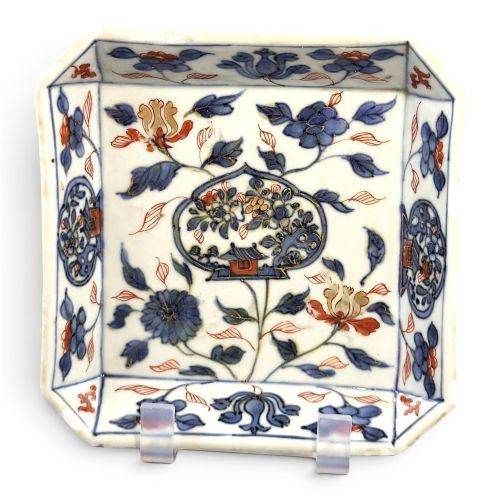
HoHo boys pop up frequently on these plates, grinning perpetually despite the heavy burden of ancient porcelain etiquette.
Distinctions in craftsmanship and finish
The clarity and depth of the cobalt blue underglaze separate standard production from exceptional examples, with superior pieces showing brilliant tonal variation rather than flat, murky washes. Enamelled works depend on the precision of the overglaze drawing and the richness of the palette.
The refinement of the porcelain paste itself dictates quality, where thinner, more resonant bodies with smooth, unblemished glazes reflect superior kiln control and raw material selection.
Bluett and Sons
The Kangxi Period Porcelain Glossary
- Bitong
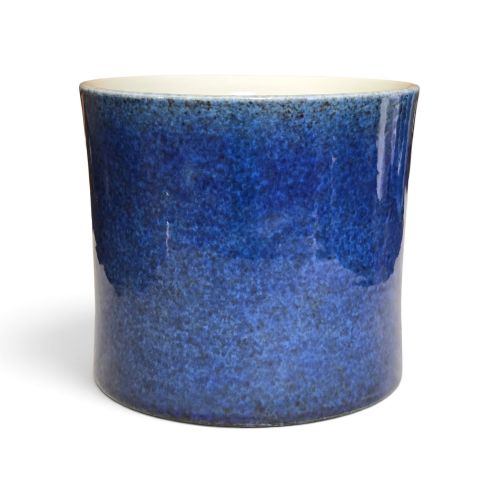
- A cylindrical brush pot used by scholars for holding writing implements. These vessels are frequently decorated with narrative scenes or landscapes in cobalt blue.
- Famille Verte
- A polychrome enamel palette dominated by green tones introduced during the Qing dynasty. Artisans combined this hue with iron red, yellow, and blue to render detailed figurative scenes.
- Imari
- A ceramic style combining underglaze blue with iron red and gilt overglaze decoration. This aesthetic originated in Japan but was extensively adopted by Chinese kilns for export.
- YenYen
- A large trumpet-shaped vase featuring a flared neck and bulbous body. These decorative vessels often display sweeping blue and white botanical or figurative motifs.
Kangxi Period Porcelain: Frequently Asked Questions
What is kangxi period porcelain?
This category encompasses fine ceramics produced in China during the reign of the Kangxi Emperor between sixteen sixty-two and seventeen twenty-two. The wares are celebrated for technical mastery in porcelain manufacture and painting.
Items include utilitarian vessels, scholar's items, and decorative forms destined for both domestic use and international trade.
How can I identify kangxi marks?
Authentic period pieces sometimes carry a six-character underglaze blue reign mark on the base, though many fine examples feature apocryphal Ming marks or simple art symbols like an Artemisia leaf.
Checking the script style against known imperial standards and assessing the integration of the mark beneath the glaze helps determine authenticity.
What colours are typical for this period?
Cobalt blue underglaze dominates the surviving output, ranging from soft pale washes to intense sapphire tones known as trigger or gemstone blue. Famille verte enamels and Chinese Imari palettes introduce rich reds, greens, and gilt highlights.
Monochrome finishes such as powder-blue and blanc de chine also appear among recorded examples.
How were these vessels used originally?
Many objects served functional roles in households and scholarly studies as wine ewers, brush pots, tea wares, and large chargers for dining. Other pieces functioned purely as interior ornamentation within European and Asian palaces.
Export pieces adapted Chinese manufacturing traditions to suit contemporary Western tastes and domestic rituals.