




Japanned Black Lacquer Tray
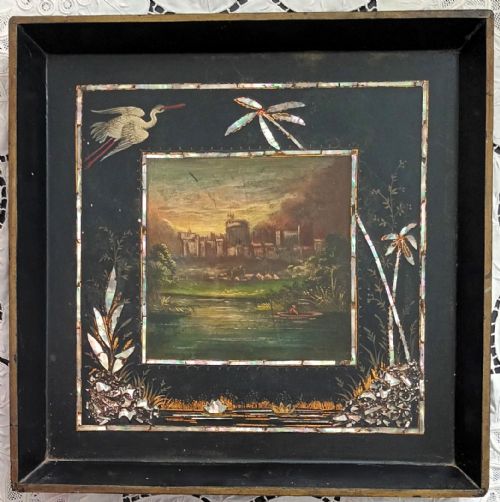
A japanned black lacquer tray brings depth and gilded detail to an interior, shaped from papier-mâché or metal and finished with hand-painted scenes.
Japanned Black Lacquer Tray
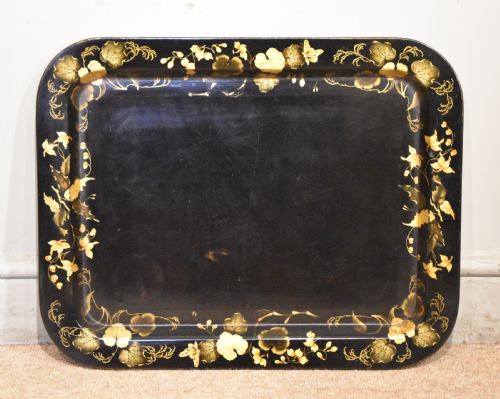
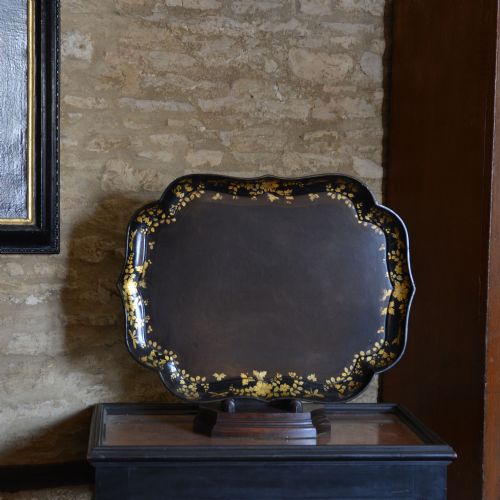
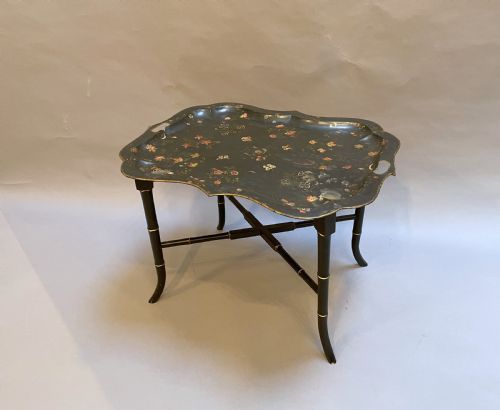
A japanned black lacquer tray is a functional surface adapted from Georgian, Regency, and Victorian periods, often found in oval, rectangular, or kidney shapes. These pieces frequently appear mounted on later stands to serve as occasional tables, side tables, or coffee tables.
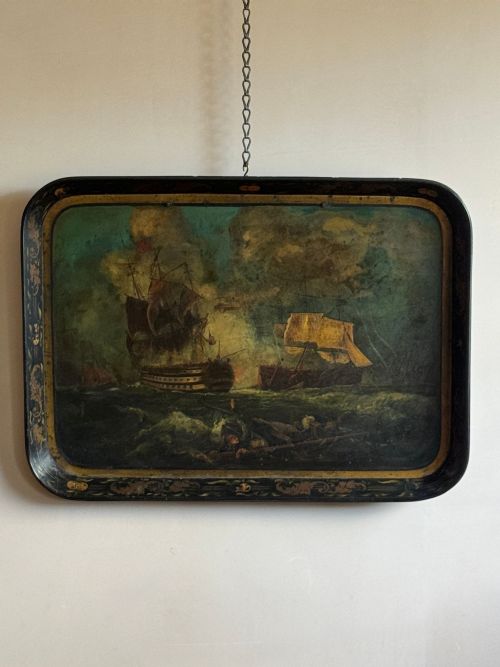
The material foundation rests primarily on papier-mâché or toleware metal, finished with dark lacquer and detailed with gold leaf, paint, or mother-of-pearl inlay. Makers drew inspiration from Chinoiserie and Japanese export aesthetics, depicting landscapes, hunting scenes, and architectural motifs.
Materials and construction methods
Craftsmen built the sturdy bases of these trays using compressed paper pulp known as papier-mâché, or shaped sheet metal for toleware pieces, applying multiple coats of dark lacquer to achieve a smooth foundation. Artisans then built up surface decoration using hand-applied paint, gold leaf, and occasionally mother-of-pearl highlights.
Many surviving examples incorporate wooden stands added during the nineteenth or twentieth centuries, converting serving vessels into compact tables. The integration of brass fittings or gilt-decorated borders completed the construction of these decorative domestic items.
Japanned Black Lacquer Tray Retail Price Guide 2026
Typical asking prices for japanned black lacquer tray among the pieces listed under this phrase on Sellingantiques today, from the lower quarter to the upper quarter. They describe what is for sale here now, not the wider market.
Materials recorded across the inventory include papier-mâché, lacquer, toleware metal, gold leaf, and mother-of-pearl.
Evaluating craftsmanship and detail
The standard of a japanned black lacquer tray depends upon the precision of the hand-painted artwork and the depth of the gilded embellishments. Pieces bearing signatures or attributable marks from prominent workshops display superior execution in their pictorial scenes and borders.
Structural integrity of the papier-mâché or metal foundation, alongside the preservation of the original lacquer surface, dictates the overall merit. Items retaining their authentic painted details without extensive restoration command greater attention.
Jennens and Bettridge·Henry Clay
The Japanned Black Lacquer Tray Glossary
- Japanning
- A European imitation of East Asian lacquerwork, created by applying layers of dark varnish and heat-curing the surface. This technique produced a glossy black finish suited for decorative serving pieces and furniture.
- Papier-mâché
- A composite material made from paper pulp or layers of paper bound with glue, pressed into moulds and dried. It provided a lightweight yet rigid base for lacquered trays and small desk sets.
- Toleware
- Painted or lacquered sheet metal items produced in England and Europe during the eighteenth and nineteenth centuries. These objects range from serving trays to coal scuttles and boxes.
- Chinoiserie
- A European artistic style reflecting Chinese motifs and decorative patterns, popular in furniture and lacquerwork during the Georgian and Victorian eras. Artists utilised pagoda forms, exotic figures, and landscape vignettes.
- Gilding
- The application of gold leaf or gold powder to decorative surfaces to highlight borders and pictorial details. This method added contrast against the dark background of lacquered trays.
Japanned Black Lacquer Tray: Frequently Asked Questions
What is a japanned black lacquer tray?
A japanned black lacquer tray is a decorative serving piece or table top created from papier-mâché or metal, finished with dark lacquer and gilt decoration.
These objects reflect Georgian, Regency, and Victorian design tastes, often featuring Chinoiserie landscapes or floral motifs.
How were these trays used historically?
Historically, these trays served for carrying tea and beverages in fine households or functioned as portable surfaces for writing and games.
Many examples were later placed upon custom wooden stands to transform them into permanent occasional or side tables.
How do I care for a lacquer tray?
Keep lacquer surfaces away from direct sunlight, excessive moisture, and heat sources to prevent cracking or warping of the papier-mâché.
Dust gently with a dry, soft cloth and avoid chemical cleaning agents that might damage the delicate painted finish.
How do I identify a Regency tray?
Regency period trays often exhibit crisp neoclassical or Chinoiserie painting styles, frequently executed on robust papier-mâché or toleware bases.
Look for maker stamps on the underside or distinctive gilt border work characteristic of early nineteenth-century workshops.