



19th Century Oval Tray
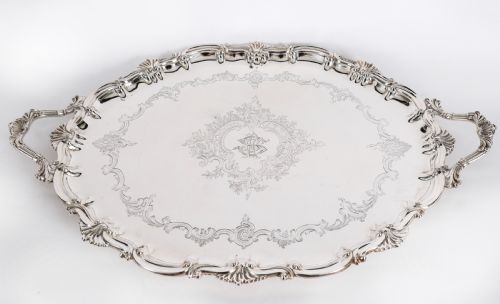
These pieces are a 19th century oval tray, selected for serving and display across Georgian, Victorian, and Regency rooms.
19th Century Oval Tray
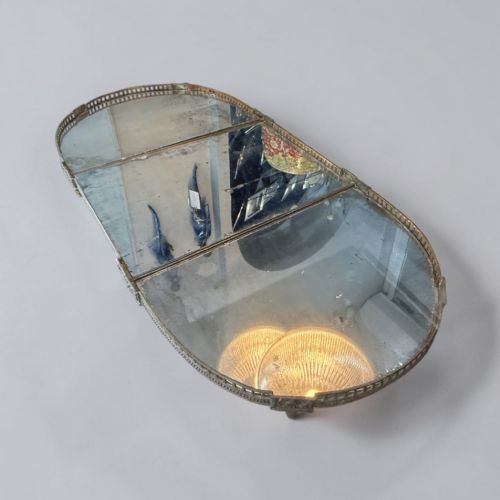
A 19th century oval tray encompasses serving platters, galleried tea trays, and folding butler tables spanning the Georgian, Regency, and Victorian periods. Buyers encounter mahogany and satinwood timbers alongside silver-plated metalwork, papier-mâché, and ceramic forms.
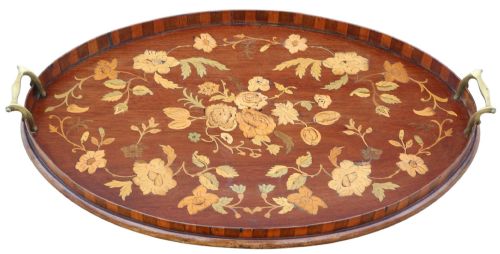
The wooden examples frequently display inlaid decoration or brass bound edges, whilst metal versions often feature pierced galleries and twin handles. These items served functional roles in domestic dining before transitioning into decorative display pieces.
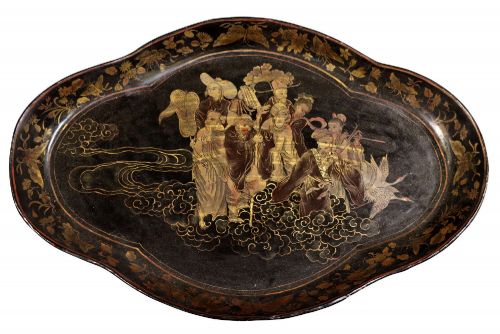
Papier-mâché and tôle peinte pieces introduce lacquered black surfaces and painted scenes to the category. Surviving specimens range from small pin dishes to monumental platters designed for grand service.
How they were made
Cabinetmakers constructed wooden trays using figured Cuban mahogany and satinwood, frequently employing intricate marquetry inlay and raised wooden galleries. Metal variants combined silver plating over a base metal foundation, often shaped with cast mounts and pierced decorative borders.
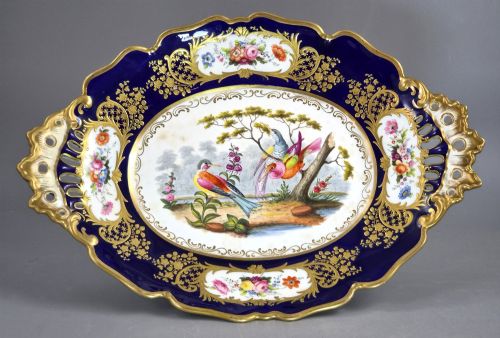
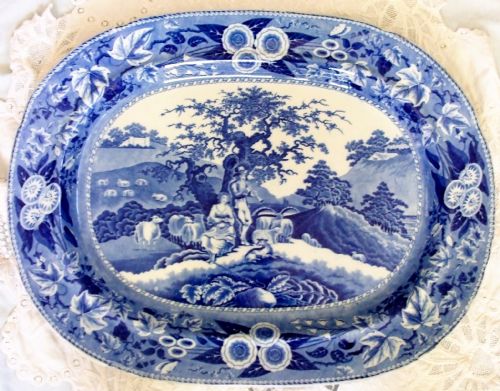
Papier-mâché and tôle peinte trays relied on layered paper pulp or sheet metal treated with multiple coats of dark lacquer and hand-painted ornamentation. Ceramic dishes utilised earthenware and porcelain bodies finished with transfer-printed or hand-painted cobalt blue designs.
19th Century Oval Tray Retail Price Guide 2026
Typical asking prices for 19th century oval tray among the pieces listed under this phrase on Sellingantiques today, from the lower quarter to the upper quarter. They describe what is for sale here now, not the wider market.
Materials span mahogany, satinwood, silver plate, porcelain, earthenware, copper, brass, papier-mâché, and tôle peinte.
What varies in quality
The calibre of a 19th century oval tray depends upon the precision of its joinery, the crispness of any metal chasing, and the integrity of the surface finish. Superior wooden examples display finely figured timber grain and tight inlay, whereas lesser pieces show loose joints or crude repairs.
Metal platters reveal distinction through the weight of the silver plate and the sharpness of the engraved handles or gallery pierced work. Painted papier-mâché and ceramic specimens rely upon the finesse of the artist's brushwork and the preservation of the original lacquer.
Thomas Bradbury & Sons·James Dixon·Mappin & Webb·Manoah Rhodes·Coalport·Samson Paris·Peters Hamburg·Clay
The 19th Century Oval Tray Glossary
- Gallery
- A raised pierced or solid rim surrounding the edge of a tray to prevent items from sliding off. This feature is common on silver-plated and mahogany tea trays.
- Butler tray
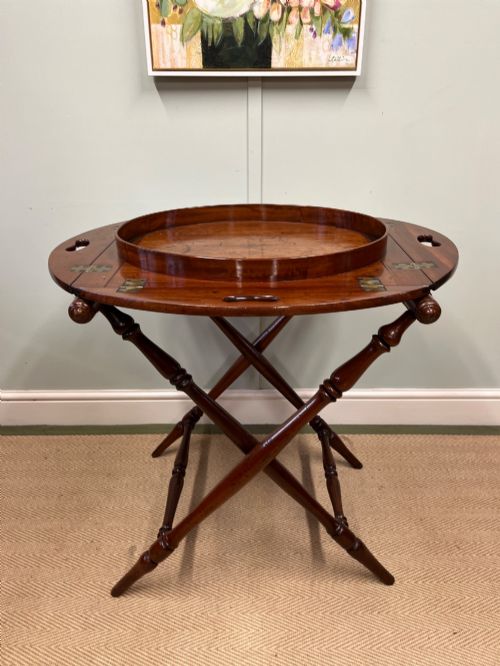
- A portable wooden tray featuring hinged or fixed sides, frequently paired with a folding stand for service. They appear in Cuban mahogany and often include brass carrying handles.
- Tôle peinte
- Painted sheet metal used for decorative trays and vessels during the Georgian and Victorian eras. These items typically feature dark lacquered grounds decorated with floral or pictorial scenes.
- Papier-mâché
- A composite material formed from paper pulp mixed with glue and resin, pressed and dried to create a rigid base for lacquering. It allowed makers to produce smooth, lightweight trays.
- Mazarine
- A pierced ceramic or metal insert designed for draining liquid from platters during the service of meat. They are occasionally found within larger antique serving dishes.
19th Century Oval Tray: Frequently Asked Questions
How were butler trays used?
Butler trays functioned primarily for transporting food and tea between rooms, often resting upon folding wooden stands when stationary. Their raised edges and sturdy timber construction prevented china from slipping during service.
Over time, these versatile pieces transitioned into permanent occasional furniture within drawing rooms and parlours. Today, collectors utilise them as side tables or display surfaces in traditional interiors.
What is tôle peinte?
Tôle peinte refers to painted tinplate or sheet metal fashioned into decorative trays, coal scuttles, and canisters. Artisans coated the metal base with dark lacquers before applying hand-painted floral motifs or pastoral scenes.
These pieces brought colour and texture to 19th century domestic spaces. Surviving examples require gentle maintenance to preserve the delicate painted surface.
How do I date a silver plated tray?
Dating a silver plated tray involves examining the maker's mark, the weight of the object, and the style of the engraved decoration. Victorian pieces often carry specific manufacturer stamps and registration numbers indicating the decade of production.
Heavier base metal foundations and hand-chased borders typically point towards the earlier decades of the century. Later mass-produced examples generally feature shallower stamping and lighter construction.
Can antique trays still be used?
Antique trays remain suitable for light domestic use, provided they receive careful handling and appropriate maintenance. Wooden and metal variants easily accommodate drinks service or decorative displays.
Fragile papier-mâché and antique porcelain dishes benefit from restricted handling to protect their finishes from moisture and physical wear. Displaying them flat or on stable stands ensures their long-term preservation.