




Antique Pearl Inlaid Tray
An antique pearl inlaid tray brings brilliant reflection to any table, catching the candlelight in mother-of-pearl.
Antique Pearl Inlaid Tray
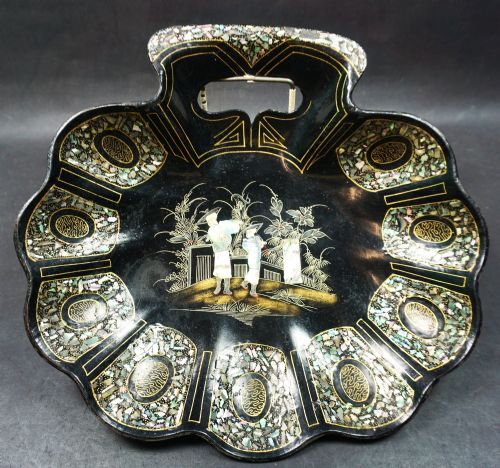
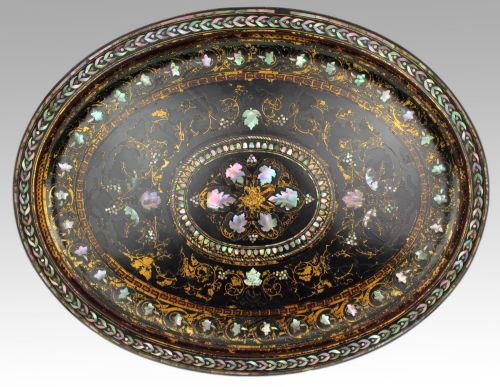
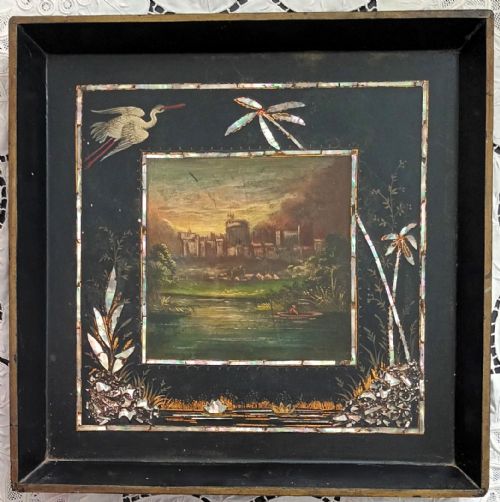
An antique pearl inlaid tray combines deep dark grounds with iridescent shell, creating high contrast and striking visual depth. These pieces serve practical duties like holding correspondence or glasses, and function equally well as display items.
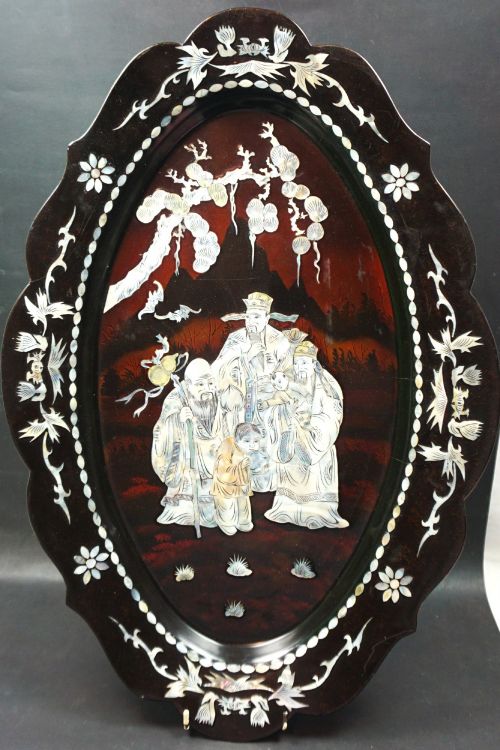
The selection here includes items from the Georgian, Regency, and Victorian eras, alongside Chinese Qing Dynasty pieces. Papier-mâché and lacquered wood form the common base materials for these objects.
Serving trays, desk accessories, and card baskets appear frequently within this category. Oval shapes and rectangular waiters dominate the forms available to buyers.
How they were made
Papier-mâché serves as a primary base for many pieces, formed from paper pulp or layered sheets pressed together and dried hard. Lacquered wood also provides a sturdy foundation for oriental examples.
Mother-of-pearl is cut into thin plates, engraved with fine details, and set flush into the dark surface. Artisans then seal the entire body with multiple coats of lacquer or varnish.
Gold leaf and brass accents occasionally supplement the mother-of-pearl inlay, adding metallic warmth to the composition.
Antique Pearl Inlaid Tray Retail Price Guide 2026
Typical asking prices for pearl inlaid tray among the pieces listed under this phrase on Sellingantiques today, from the lower quarter to the upper quarter. They describe what is for sale here now, not the wider market.
Current listings span the 19th Century, featuring materials such as papier-mâché, coromandel wood, brass, and mother-of-pearl.
What varies in quality
The fineness of the hand-engraving on the mother-of-pearl dictates much of the visual merit. Superior pieces feature intricate cross-hatching and botanical details that catch the light from multiple angles.
The stability of the papier-mâché or wood ground determines structural integrity. Heavier, thicker mouldings resist warping better than lighter counterparts.
The depth and clarity of the original lacquer finish separate finer specimens from simpler utilitarian wares.
The Antique Pearl Inlaid Tray Glossary
- Papier-mâché
- A composite material made from paper pulp or layered paper mixed with glue, baked and painted.
- Mother-of-pearl
- The iridescent inner layer of mollusc shells, prized for its shimmering play of colour.
- Coromandel
- A dense, dark exotic timber with contrasting figure, often used for luxury desk accessories.
- Waiter
- A small tray or platter used by servants for carrying glasses, letters, or calling cards.
Antique Pearl Inlaid Tray: Frequently Asked Questions
How do I clean an antique tray?
Dust gently with a dry, soft cloth to protect the delicate lacquer and shell inlay. Avoid using water, alcohol, or modern chemical cleaners which damage the finish.
Keep pieces away from direct sunlight and excessive heat sources to prevent the lacquer from cracking.
Were these trays used for serving food?
Most examples served primarily as decorative platters, desk accessories, or for holding cards and letters. Wet food and hot liquids can stain or lift the varnish.
Gentle use for dry items or stationary preserves the integrity of the shell work.
How do I spot a Georgian piece?
Georgian trays often feature heavier papier-mâché foundations with restrained, elegant inlay work. Hand-brushing on the reverse side provides a clue to older manufacture.
Consult the recorded period to confirm the era alongside traditional form characteristics.
What is Victorian chinoiserie?
Victorian chinoiserie reflects a nineteenth-century European fascination with Chinese aesthetic motifs. These pieces combine oriental landscapes and figures with Western furniture forms.
The style employs dark lacquer grounds heavily populated with gold leaf and mother-of-pearl.