




Victorian Papier Mache Platter
A victorian papier mache platter offers a deep dark surface and bright ornament, bringing functional service and display together.
Victorian Papier Mache Platter
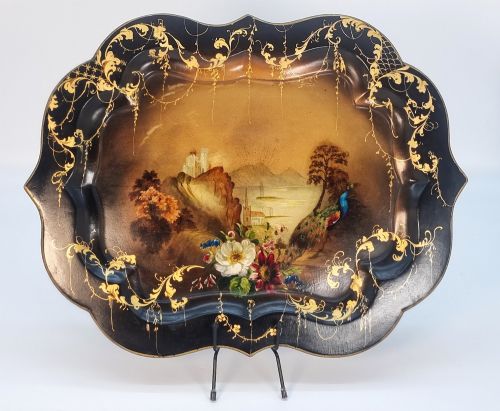
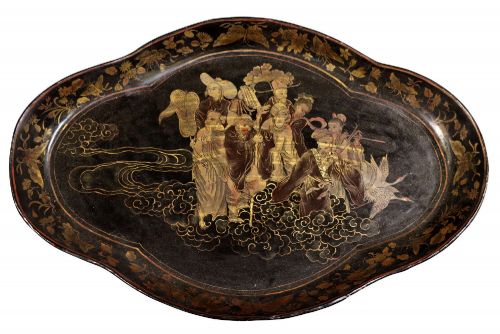
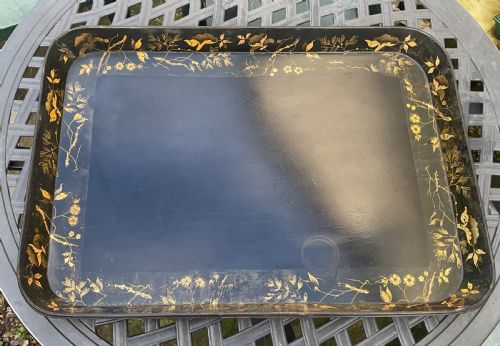
When you search for a victorian papier mache platter, you encounter serving trays and decorative trays originating mainly in the nineteenth century, alongside a few pieces from the Regency period. These items appear in formats ranging from small trays to large oval and kidney-shaped examples.
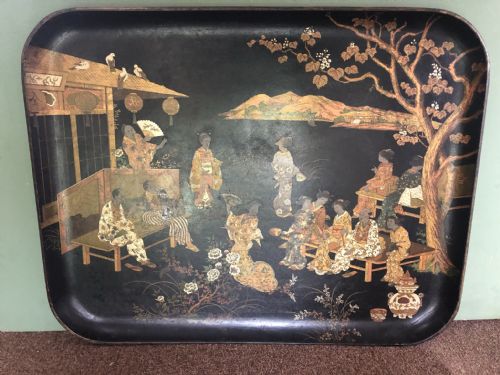
The aesthetic draws heavily on Chinoiserie and Japanese export traditions, incorporating detailed painted landscapes and hunting scenes. Most examples meet the eye with dark lacquered grounds contrasted by metallic highlights.
Materials and construction
The foundation relies on layers of paper pulp combined with binder, pressed and heated to form a rigid board. Artisans then applied multiple coats of dark lacquer to achieve a smooth, durable base.
Decoration involved hand painting, gilding with gold leaf, and inlaying iridescent mother of pearl pieces to catch the light. This combination created flat yet richly textured surfaces.
Victorian Papier Mache Platter Retail Price Guide 2026
Typical asking prices for victorian papier mache platter among the pieces listed under this phrase on Sellingantiques today, from the lower quarter to the upper quarter. They describe what is for sale here now, not the wider market.
Listings span the nineteenth century, including specific dates from 1830 to 1880, alongside Regency periods.
Distinctions in quality
The sophistication of the painted ornament and the precision of the mother of pearl inlay separate standard pieces from superior examples. Skilled hand painting depicting complex hunting scenes or landscape vistas elevates an item beyond simple geometric decoration.
Structural integrity of the moulded base and the preservation of the original lacquer and gilded borders determine the overall standing of the piece. Trays bearing the mark of prominent makers show superior finishing in the handling of edges and surface depth.
Jennens and Bettridge
The Victorian Papier Mache Platter Glossary
- Papier-mache
- A composite material made from paper pulp or layers of paper reinforced with glue, offering a lightweight yet sturdy base for decorative objects.
- Chinoiserie
- A European artistic style reflecting Chinese motifs and techniques, frequently featuring figures, pagodas, and landscapes.
- Mother of pearl
- The iridescent inner layer of certain mollusc shells, used as thin inlays to add shimmering highlights to lacquered surfaces.
- Gilding
- The application of gold leaf or gold paint to decorate borders and focal points on an object.
Victorian Papier Mache Platter: Frequently Asked Questions
What were papier mache platters used for?
These items served primarily for carrying drinks and food in nineteenth-century drawing rooms, functioning both as utensils and as decorative display pieces when stood on edge.
Their sturdy yet light construction made them practical for moving tea services between rooms without risking heavier ceramics.
How do I care for a lacquered tray?
Keep these items away from direct sunlight and excessive moisture to protect the delicate lacquer and gold leaf work from cracking or fading.
Dust them gently with a dry, soft cloth and avoid using liquid cleaners or chemical polishes on the surface.
Are all these trays from the Victorian era?
While the majority date from the nineteenth century, the selection also includes earlier Regency pieces alongside Japanese export examples.
Stylistic details such as the shape of the tray and the painting style help distinguish the different periods.
What is the difference between a tray and a platter?
In historical terms, these words often overlap, but larger examples with raised borders served multipurpose roles for both serving and display.
Formats range from standard rectangular shapes to kidney-shaped and oval boards designed to fit specific furniture.