



19th Century Decorative Tray
When you search for a 19th century decorative tray, you find versatile serving pieces and display platters shaped by Victorian, Regency, and Georgian hands.
19th Century Decorative Tray
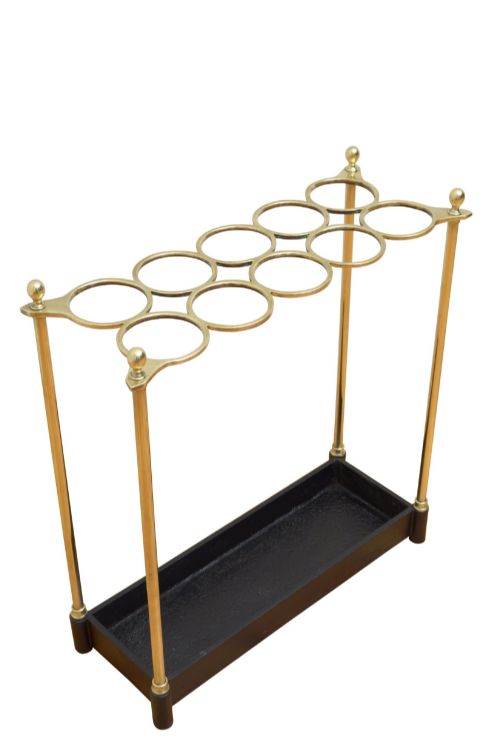
A 19th century decorative tray encompasses a diverse group of domestic objects utilised for serving, display, and organisation across the Georgian, Regency, and Victorian eras. These items range from papier-mâché tea trays and porcelain dishes to heavy brass umbrella stands and bronze centrepieces.
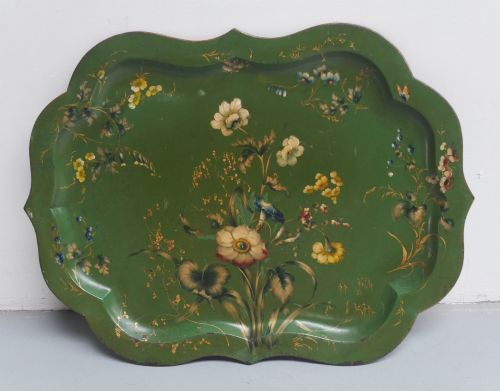
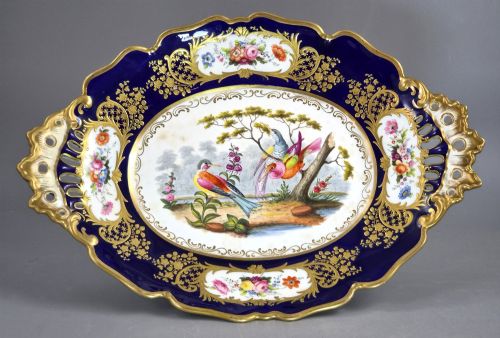
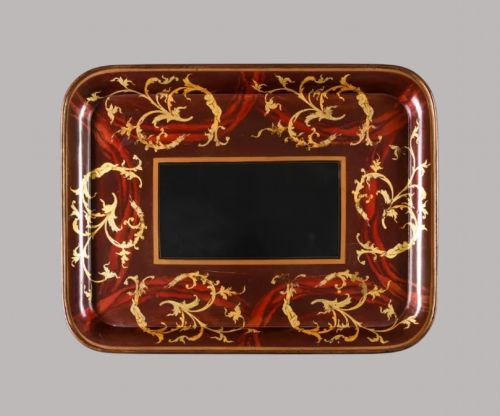
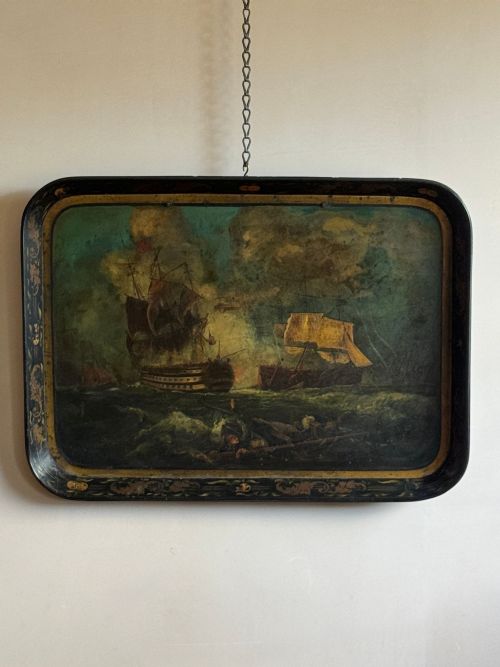
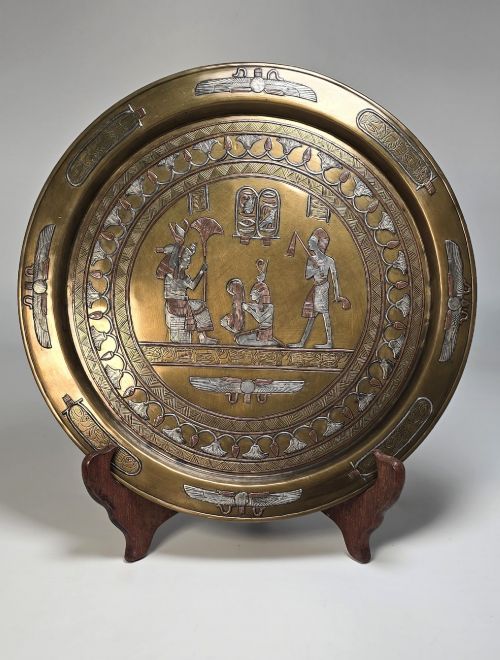
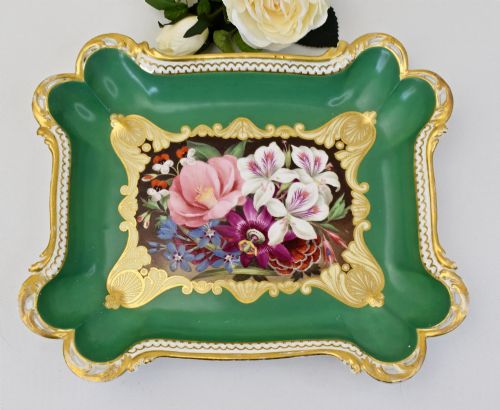
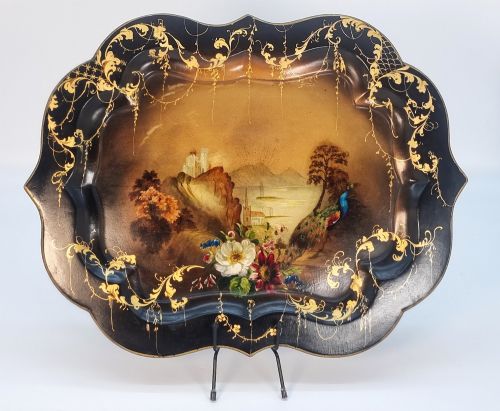
Papier-mâché and painted toleware examples frequently appear on this page, often retaining original japanned decoration or gilt highlights. Alongside these, buyers encounter ceramics from English and continental potteries, as well as metalwork featuring enamel and inlay.
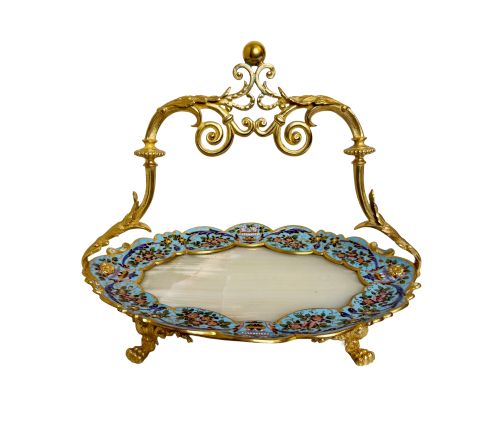
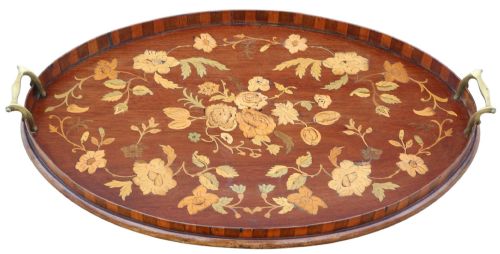
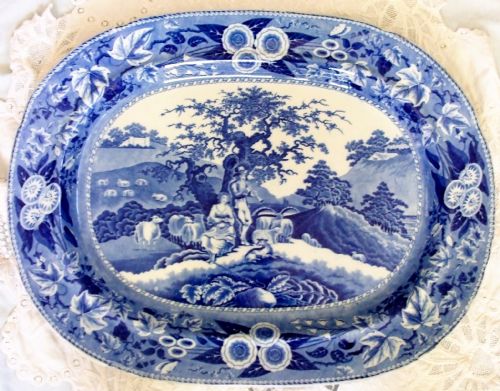
Many surviving items transition in function from functional kitchen and dining service to decorative placement on tables and stands. Their forms span oval platters, galleried mahogany serving trays, and octagonal cloisonné enamel pieces.
Materials and construction
Papier-mâché items utilise layered paper pulp mixed with glue and resin, pressed in moulds and cured to form a rigid base before receiving layers of black japan or paint. Artisans applied gold leaf and detailed hand-painting over this surface, sometimes incorporating mother-of-pearl inlay.
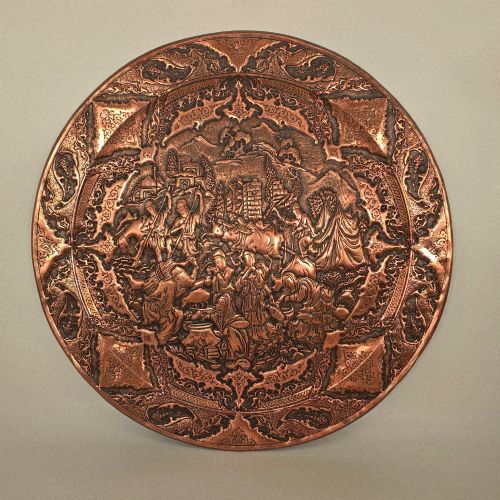
Metal items combine brass, bronze, or silver plating with applied elements such as champlevé enamel, agate cabochons, and gilt bronze mounts. Ceramic pieces employ earthenware or porcelain bodies shaped in moulds, then decorated with hand-painted scenes and cobalt blue transfer printing.
19th Century Decorative Tray Retail Price Guide 2026
Typical asking prices for 19th century decorative tray among the pieces listed under this phrase on Sellingantiques today, from the lower quarter to the upper quarter. They describe what is for sale here now, not the wider market.
Distinctions in quality
Quality rests upon the crispness of the hand-painted or transfer-printed decoration and the integrity of the underlying material, whether wood, papier-mâché, or metal. Pieces bearing identifiable attribution to established makers or specific workshops generally display superior craftsmanship in their detailing.
The preservation of original surface finishes, gilding, and japanning heavily influences a piece's standing. Finer examples retain their original decorative motifs and structural stability without extensive overpainting or replacement hardware.
Coalport·Doe & Rogers·Chamberlain’s Worcester·Jennens and Bettridge·Tiffany & Co
The 19th Century Decorative Tray Glossary
- Papier-mâché
- A composite material made from paper pulp or reinforced paper sheets mixed with binding agents, moulded and baked to create rigid trays and wares. It served as a smooth, stable ground for japanning and painting.
- Toleware
- Painted or enamelled sheet metalware, principally iron or steel, finished with dark lacquer or brightly coloured varnishes. It was widely produced for domestic serving items throughout the nineteenth century.
- Japanning
- A European imitation of East Asian lacquerwork achieved through the application of heat-cured varnishes and paints. This finish protected the papier-mâché or metal core while providing a glossy dark background for gilt decoration.
- Champlevé enamel
- An enamelling technique where troughs or cells are hollowed out of a metal surface and filled with vitreous enamel paste before firing. The resulting design sits flush with the surrounding metal borders.
- Galleried
- Describes a tray or table featuring an elevated border or pierced railing around its perimeter. This rim prevented items from sliding off during service or transport.
19th Century Decorative Tray: Frequently Asked Questions
What were papier-mâché trays used for?
These trays served primarily for carrying tea services, glasses, and decanters across formal rooms during the Georgian and Victorian periods. Their sturdy yet lightweight composite construction made them practical for daily domestic service.
As interior fashions shifted, many owners transitioned them from active service to decorative display on stands or walls. Their painted surfaces made them prominent focal points within drawing rooms.
How do I care for antique toleware?
Keep painted metalware away from direct sunlight and damp environments to protect the fragile japanned surfaces and underlying iron or tin from degradation. Dust gently with a dry, soft cloth rather than utilising liquid cleaners.
Avoid placing moisture or hot vessels directly onto historic painted finishes to prevent staining or lifting of the decorative layers. Careful handling preserves the original varnish.
What is the difference between porcelain and pottery platters?
Porcelain is fired at much higher temperatures, producing a dense, vitrified body that is white and frequently translucent when held to the light. Pottery, including earthenware and stoneware, remains opaque and porous unless glazed.
Nineteenth-century serving platters utilise both materials depending on the maker and intended function. Finer dining wares typically employed porcelain, whilst robust kitchen and serving dishes utilised durable earthenware.
How do I identify a Regency period tray?
Regency trays often feature neoclassical motifs, balanced proportions, and specific materials like papier-mâché finished with japanned grounds and gilt borders. Their aesthetic draws heavily on classical Greek and Roman design influences.
Examining the structural construction, wear patterns, and framing details helps differentiate Regency production from later Victorian interpretations. Maker marks, where present, provide further chronological context.