




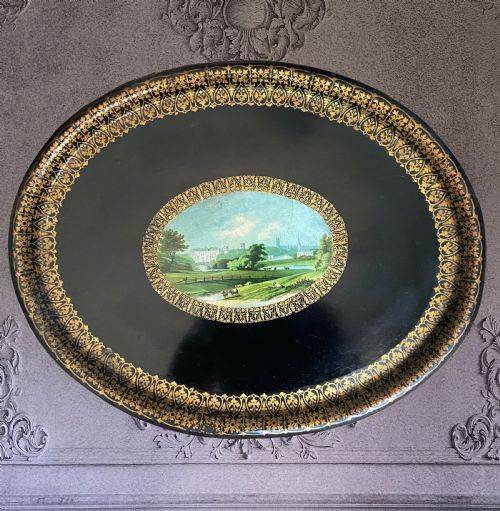


Victorian Painted Tea Tray
A victorian painted tea tray brings narrative art and rich lacquer into daily service, prized for hand-painted classical scenes and floral motifs.
Victorian Painted Tea Tray
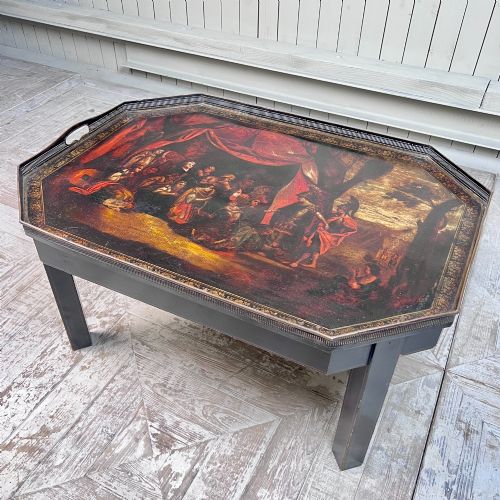
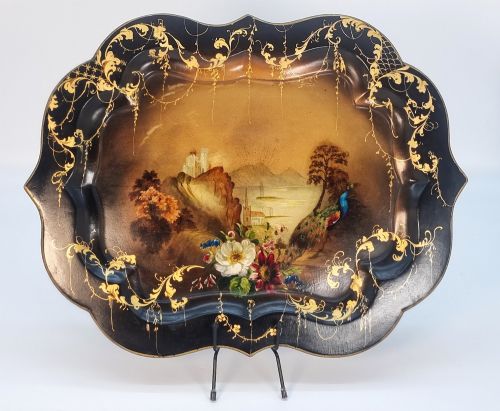
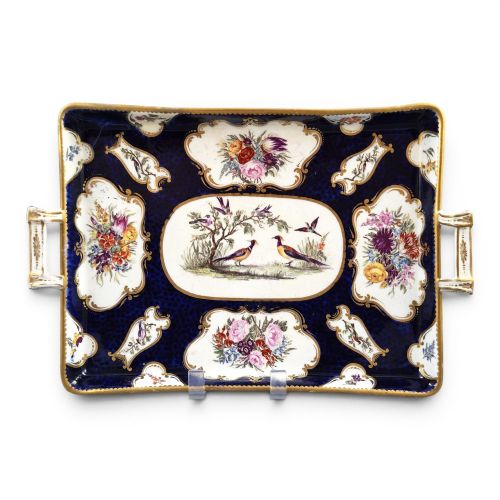
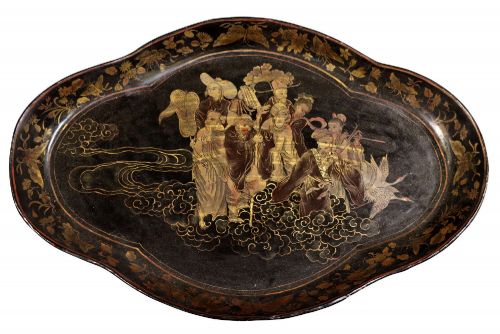
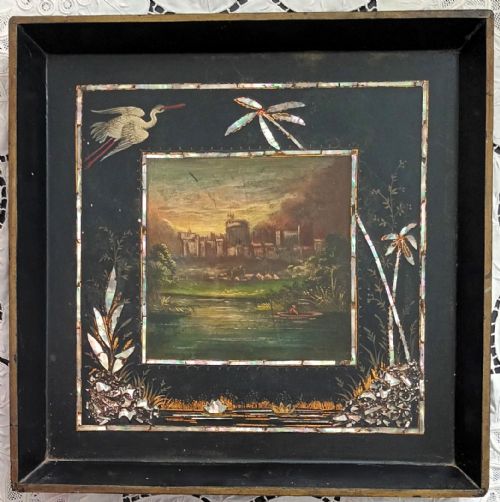
A victorian painted tea tray serves as both a functional piece and a canvas for intricate hand-painted decoration, often featuring classical narratives, landscapes, or Chinoiserie motifs. The examples found here span the nineteenth century, including specific dates such as 1860, 1870, 1880, and the Regency period, showing how these objects evolved in form and function over decades.
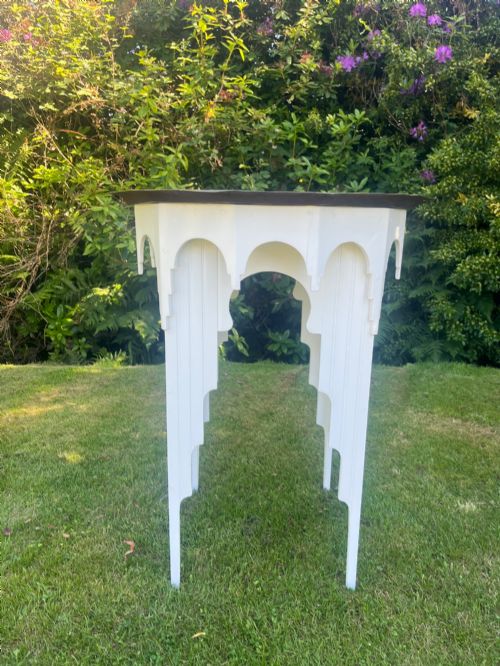
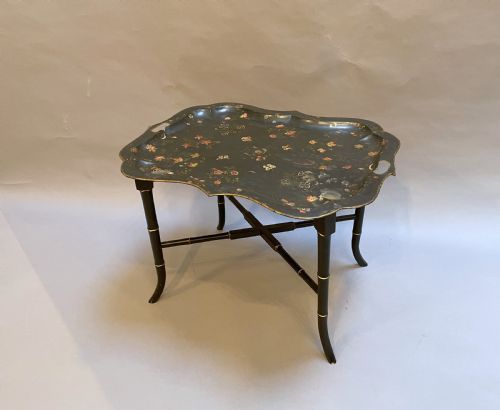
Most items meeting this search appear as substantial oval or octagonal serving vessels, while others have been adapted onto later stands to function as occasional or coffee tables. Materials range from traditional papier-mâché and lacquer to metal Toleware, often embellished with gold leaf and gilt work alongside polychrome paint.
Makers and regional workshops produced diverse regional interpretations, from English papier-mâché waiters to French Napoleon III oval Tole ware and Pontypool pieces. Buyers frequently encounter trays decorated with specific artistic traditions, including Worcester or James Giles exotic bird styles and elaborate hunting scenes.
Materials and construction
Makers built papier-mâché trays by pressing layers of paper pulp and glue over a core, creating a lightweight yet exceptionally sturdy base that could withstand daily use. Metal Toleware trays utilised sheet iron coated with tin and finished with heavy layers of lacquer to prevent corrosion.
Surface decoration relied on skilled application of paint, gold leaf, and gilt embellishments over ebonised or lacquered grounds. Artisans sealed these detailed figural or floral compositions under protective varnishes to guard the pigment against wear.
Victorian Painted Tea Tray Retail Price Guide 2026
Typical asking prices for victorian painted tea tray among the pieces listed under this phrase on Sellingantiques today, from the lower quarter to the upper quarter. They describe what is for sale here now, not the wider market.
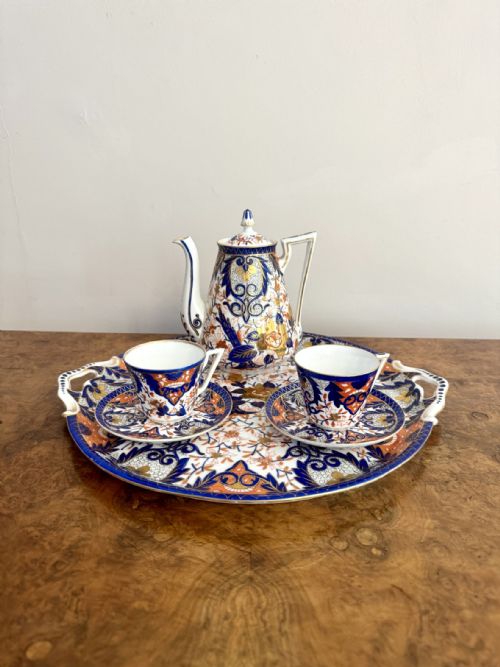
Object forms span serving trays, occasional tables, coffee tables, and complete breakfast or coffee sets.
Evaluating quality and execution
Quality rests heavily on the fidelity and preservation of the hand-painted artwork, where finely detailed brushwork on historical narratives or landscapes elevates the piece significantly. The crispness of the gilt embellishments and the depth of the original lacquer finish also determine the standing of an individual tray.
Structural integrity of the base material matters greatly, as papier-mâché and metal Toleware are susceptible to warping or flaking if exposed to moisture over time. Retaining an original stand or surface without extensive later repainting preserves the historical authenticity desired by collectors.
Jennens & Bettridge·H. Meeson
The Victorian Painted Tea Tray Glossary
- Papier-mâché
- A composite material made from paper pulp or reinforced sheets of paper mixed with glue, pressed and dried into a rigid form suitable for heavy lacquer and paint.
- Toleware
- Painted or enamelled sheet metalware, predominantly tinplate or iron, developed in Pontypool and other centres during the eighteenth and nineteenth centuries.
- Chinoiserie
- European artistic style reflecting Chinese motifs and techniques, frequently applied in gold and black lacquer to trays and occasional furniture.
- Gilt
- A thin layer of gold applied to the surface of wood, metal, or papier-mâché to create decorative borders and highlights.
- Pontypool
- A Welsh town renowned for its high-quality japanned metalware and Toleware production during the Georgian and Victorian eras.
Victorian Painted Tea Tray: Frequently Asked Questions
How were these trays used historically?
These trays served primarily for carrying tea services, wine, and spirits in formal reception rooms. Servants brought refreshments into parlours using the large surface area and raised edges to secure porcelain cups and teapots.
Over time, many of these serving trays found new life mounted on wooden or iron stands to function permanently as coffee tables or occasional tables in sitting rooms.
Can I use my tray for serving tea daily?
While structurally robust, nineteenth-century papier-mâché and Toleware require careful handling to protect delicate painted surfaces and original varnish. Moisture and heat from hot teapots can mark fragile lacquer over extended periods.
Most owners choose to display them flat on tables or stands, or use them sparingly for dry service, protecting the historical artwork from accidental spills and scratching.
How do I distinguish papier-mâché from metal Toleware?
Papier-mâché feels lighter, possesses a slight warmth to the touch, and gives a dull thud when gently tapped. It is formed from compressed paper pulp.
Toleware is constructed from sheet metal, making it noticeably heavier, colder to the touch, and capable of showing rust or metal oxidation where the paint has chipped away.
What is the difference between Regency and Victorian pieces?
Regency items date from the early nineteenth century, often displaying neoclassical motifs, restrained gilding, and refined classical silhouettes. They lean towards formal restraint.
Victorian examples span from the mid to late nineteenth century, frequently incorporating bolder polychrome palettes, Gothic Revival influences, Moorish elements, and elaborate Chinoiserie landscapes.