






Japanese Painted Ceramics
Japanese painted ceramics bring intricate enamel and gold leaf detailing into a room through centuries of porcelain vessels and decorative plates.
Japanese Painted Ceramics
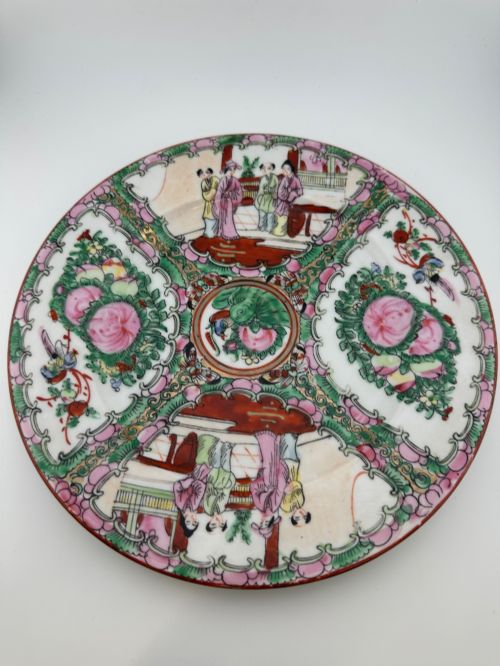
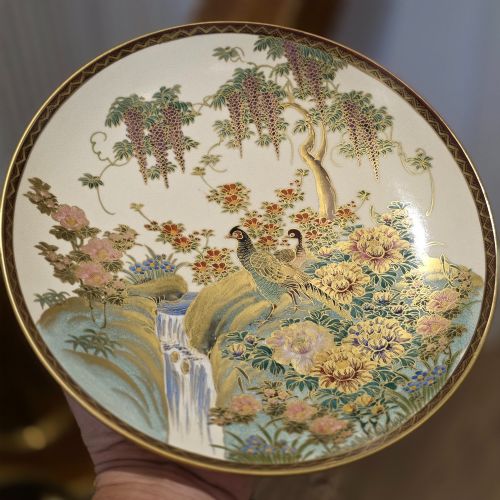
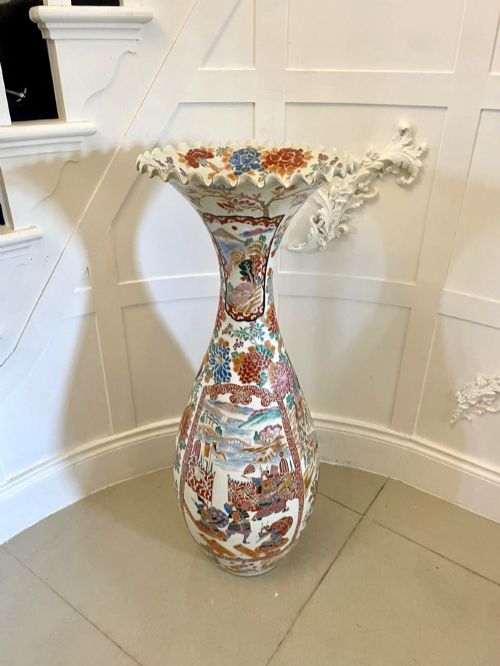
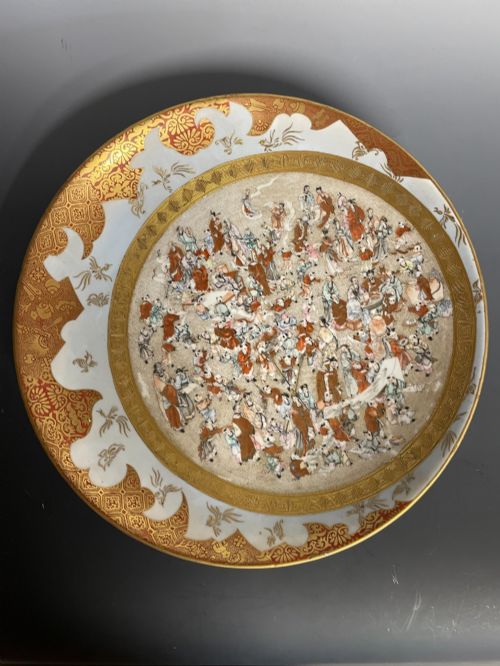
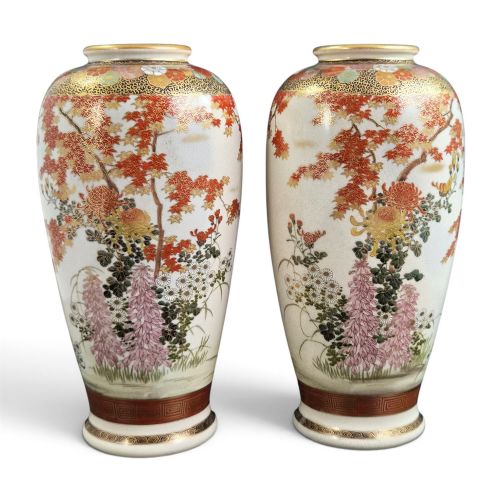
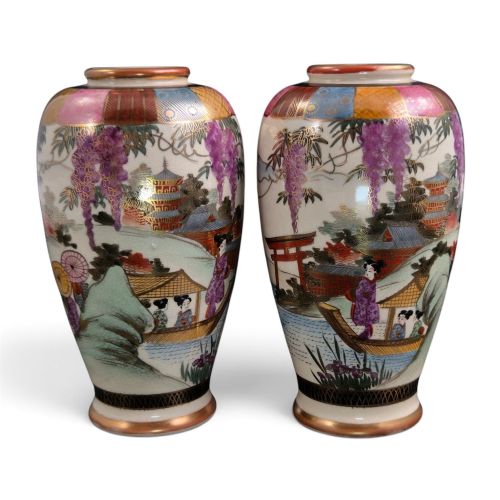
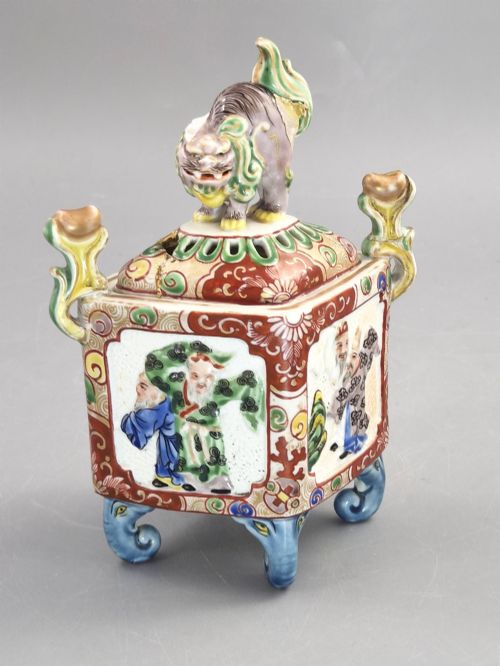
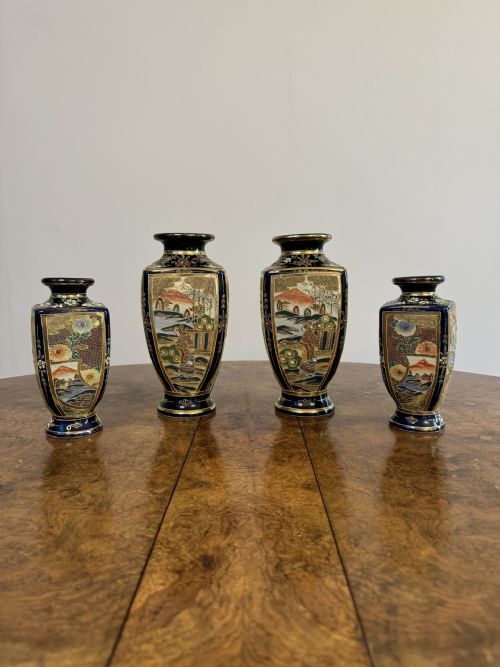
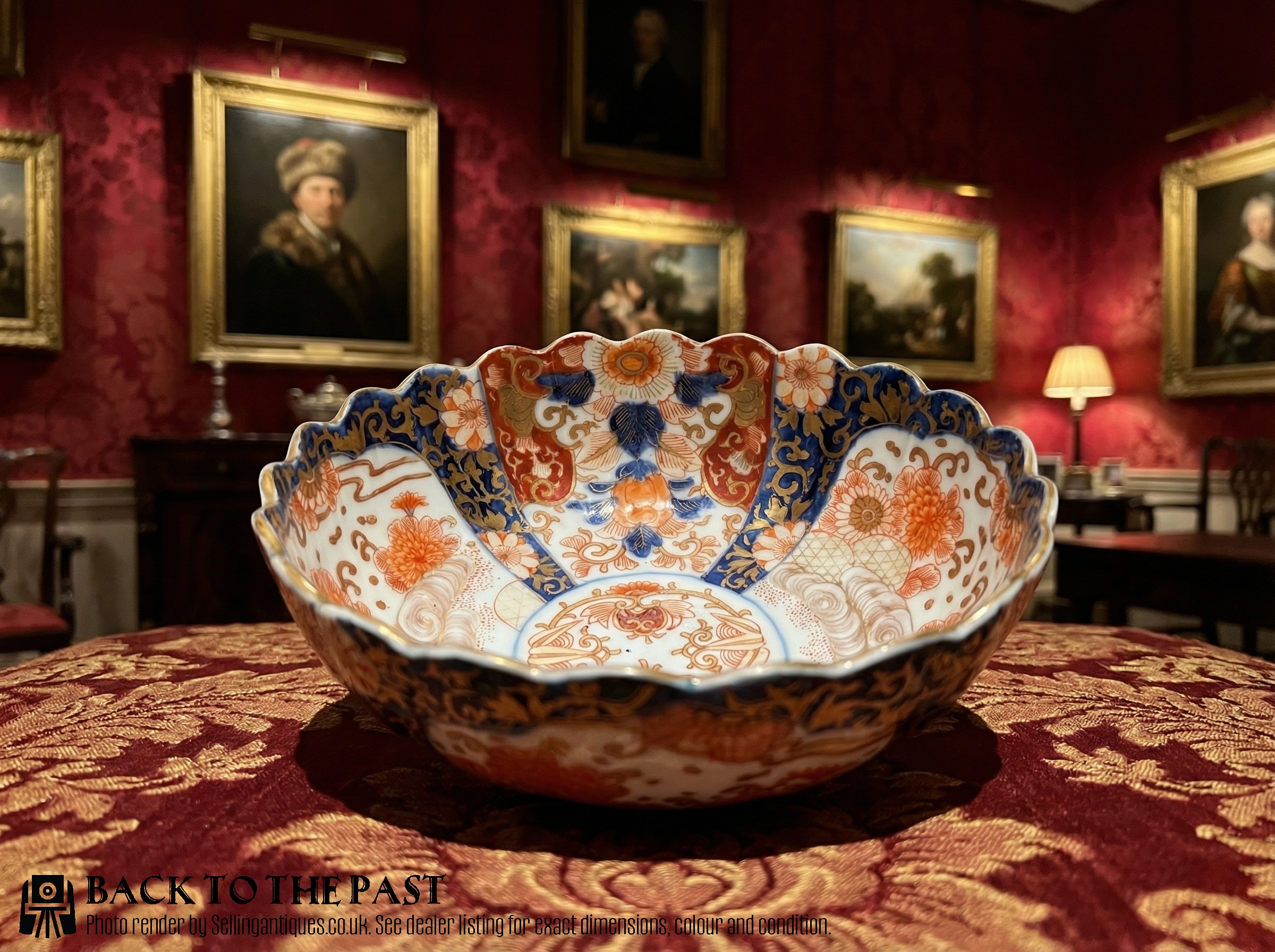
When you search for japanese painted ceramics, you encounter porcelain and earthenware forms spanning the Edo, Meiji, and Taisho periods alongside Edwardian and Victorian interpretations. The objects on this page range from large Imari floor standing vases and chargers to Satsuma koro incense burners, Kutani dishes, and decorative bowls.
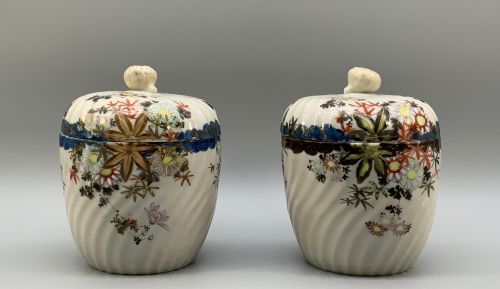
Vessels and plates dominate the selection, including lidded jars, teapots, tea caddies, and figures such as Daruma okimono and Okimono figures. These pieces reflect distinct regional traditions like Arita, Kutani, and Satsuma, produced across the nineteenth and early twentieth centuries.
Materials and Construction
Potters shaped porcelain and earthenware bodies before applying cobalt underglaze pigments and overglaze enamel colours by hand. Artisans incorporated gold leaf and gilt highlights to accentuate intricate floral, bird, and figure decorations.
Firing techniques varied according to the ceramic body, with earthenware Satsuma pieces receiving characteristic crackle glazes while porcelain items achieved durable, ringing bodies. Workshops fitted select vessels with specialised elements such as elephant head feet and karashishi finials.
Listings feature periods ranging from the late seventeenth century through the Edo, Meiji, and Taisho eras into the early twentieth century.
Judging Quality and Execution
Quality rests upon the precision of the brushwork and the complexity of the enamel and gilt application across the surface. Finer pieces demonstrate disciplined control in detailed figural scenes and botanical motifs rather than hasty, repetitive pattern filling.
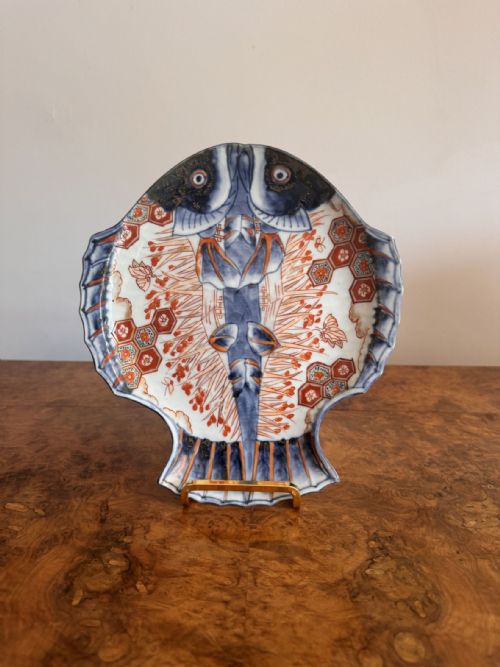
The crispness of the porcelain throwing, the balance of form in large vases and chargers, and the sophistication of secondary details such as scalloped edges or moulded fish and shell shapes distinguish superior examples from standard production.
Maruni Kobe·Shozan·Kizan·Kinkozan·Ginshōtei Gyokushi
The Japanese Painted Ceramics Glossary
- Imari
- A style of Japanese porcelain featuring a distinct palette of cobalt blue, iron red, and gold, named after the port from which the wares were exported. This tradition developed during the Edo period and continued into the twentieth century.
- Satsuma
- A type of earthenware ceramic characterised by an ivory-coloured, crackled glaze decorated with elaborate enamel and gilt designs. It gained prominence during the Meiji period.
- Kutani
- A style of Japanese porcelain and pottery known for bold, pictorial overglaze painting, often utilising rich greens, purples, yellows, and reds. Pieces frequently depict figures, birds, and natural landscapes.
- Koro
- A traditional Japanese incense burner typically supported by legs and fitted with a pierced lid. These vessels often feature sculptural finials such as guardian lions.
- Jardiniere
- A large decorative ceramic pot designed to hold a plant or floral arrangement. These substantial vessels appear in Imari and blue and white porcelain.
Japanese Painted Ceramics: Frequently Asked Questions
How do I identify Satsuma ware?
Satsuma ceramics display a recognizable creamy earthenware body covered in a fine network of crackled glaze. Artisans painted these surfaces using dense enamel colours and heavy gilt highlights.
Subjects typically include historical figures, court scenes, wisteria, and landscapes rather than the blue and white underglaze patterns found on earlier porcelain.
What is the difference between Imari and Kutani?
Imari wares rely on a triad of cobalt blue underglaze, iron red, and generous gold leaf applied to hard-paste porcelain. The designs focus heavily on symmetrical floral and geometric panels.
Kutani ceramics utilise a wider, vibrant palette of opaque overglaze enamels on porcelain, often emphasising narrative scenes, birds, and naturalistic subjects.
How should I display large floor vases?
Large Imari and Satsuma floor standing vases require stable placement on solid flooring away from heavy foot traffic. Position them in corners or alcoves where their height and painted details can be appreciated without risk of accidental knocks.
Avoid direct, harsh sunlight to protect the stability of the overglaze enamels and gold leaf over time.
Can these ceramics be used for daily dining?
Antique decorative plates, chargers, and bowls serve primarily as display objects rather than functional tableware. The historic enamel and gilt decorations can suffer from abrasion and chemical wear if used regularly for food.
Gentle dusting with a soft, dry cloth is sufficient for routine maintenance without risking the painted surfaces.