






Japanese Oriental Display Plates
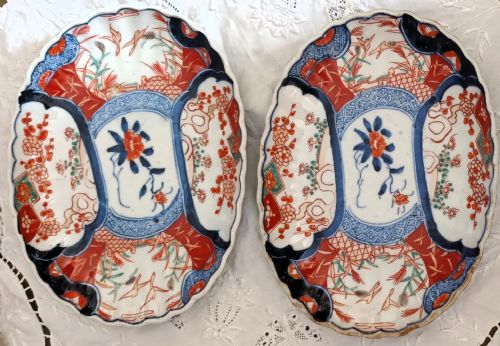
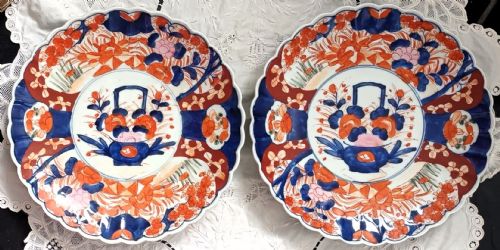
Japanese oriental display plates are decorative ceramic and metal vessels created to hang on walls or rest on surfaces, bringing rich nineteenth and early twentieth century hand painted artistry into a room.
Japanese Oriental Display Plates
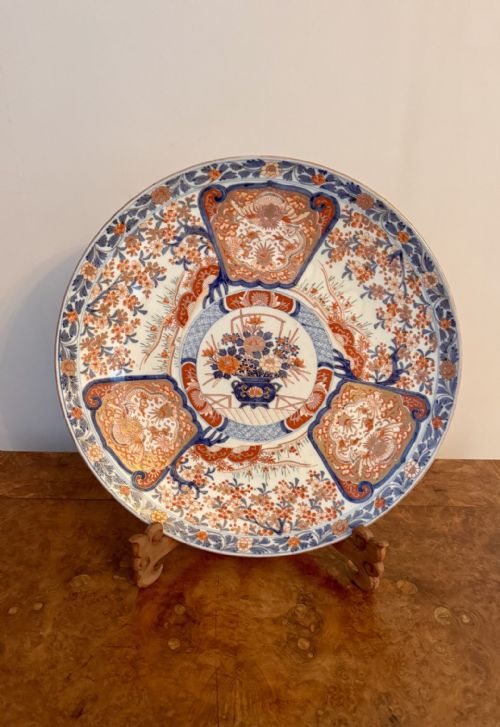
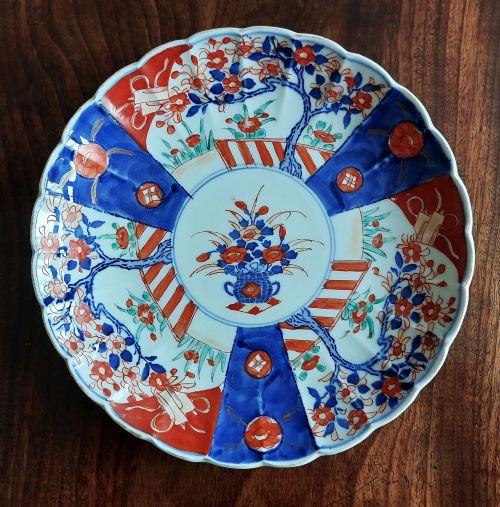
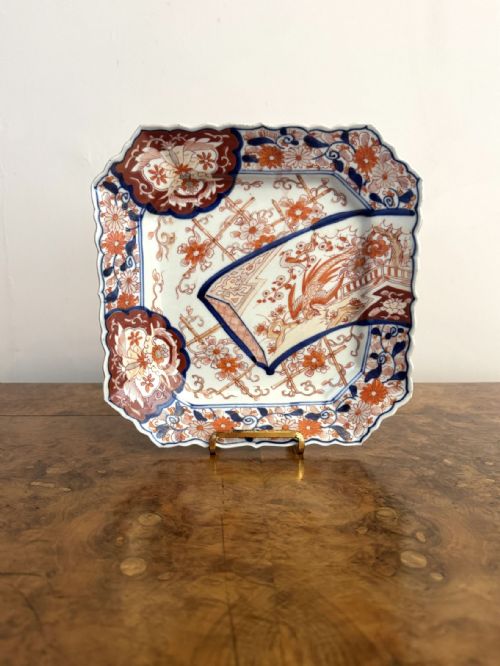
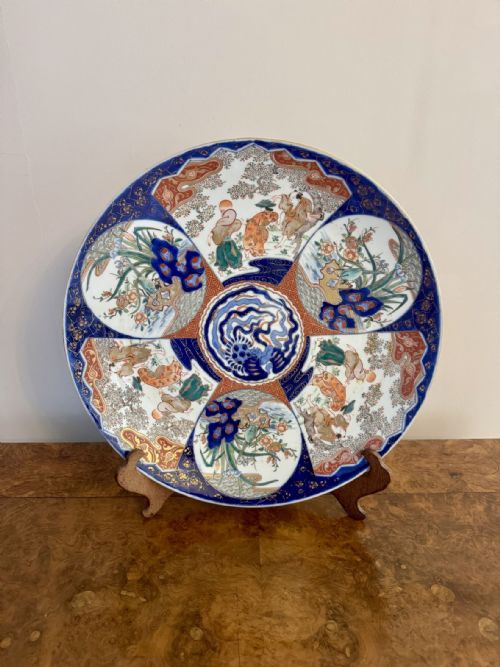
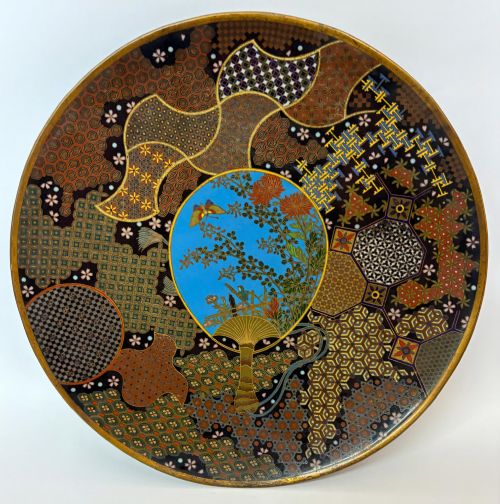
Japanese oriental display plates encompass large chargers, wall plates, and decorative dishes originating primarily from the Meiji period through the early twentieth century. Buyers seeking these items will frequently encounter Imari porcelain chargers alongside cloisonne enamel trays depicting birds, flora, and traditional motifs.
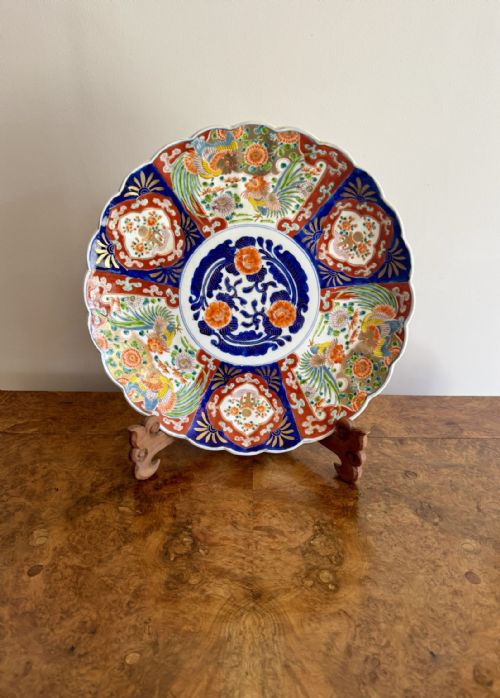
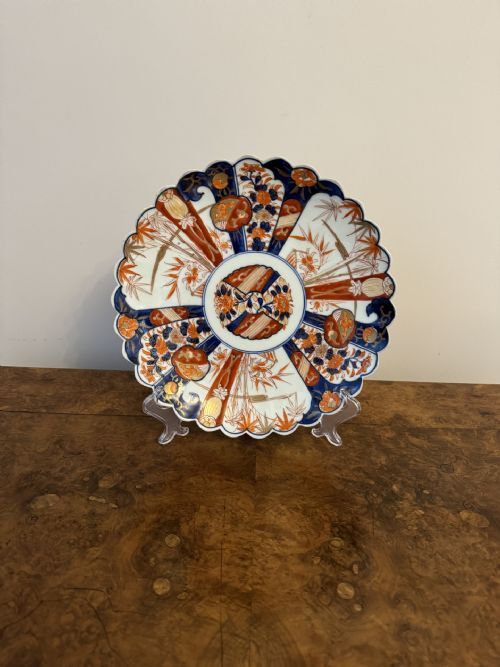
The selection ranges from standard round plates to square, hexagonal, and scalloped edge dishes. Dating spans the nineteenth century up to nineteen twenty, capturing the height of traditional craftsmanship and export production.
Materials and Technique
Potters shaped porcelain bodies before applying intricate hand painted underglaze blue and iron red pigments, often enriched with gold leaf. Cloisonne enamel pieces utilised copper or brass bases fitted with delicate metal wires to partition coloured enamels.
Firing techniques fused glazes and enamel layers to achieve durable, lustrous surfaces. Master artisans combined meticulous brushwork with precise metalwork to build dimensional scenes of nature and mythology.
Listings span porcelain and copper bases decorated with gold leaf, enamel, and traditional glazes across the nineteenth and early twentieth centuries.
Craftsmanship and Design
The upper tier of pieces is distinguished by complexity of composition and precision of hand painting. Fine examples display intricate detailing in subjects such as exotic birds, dragons, and figures like the Seven Lucky Gods.
Form variation also dictates distinction, with uncommon shapes such as hexagonal or square plates standing apart from standard round vessels. The crispness of cloisonne wirework and the depth of porcelain glaze separation further separate standard items from superior works.
Koshida
The Japanese Oriental Display Plates Glossary
- Imari
- A traditional style of Japanese porcelain featuring a distinct palette of underglaze blue, iron red, and gold, named after the port from which it was shipped. These wares became immensely popular in the West during the nineteenth century.
- Cloisonne
- A decorative metalwork technique where fine wires are soldered to a copper or brass base to create compartments that are filled with enamel paste and fired. This method produced vibrant pictorial chargers depicting flora and fauna.
- Charger
- A large decorative plate intended primarily for display on a wall or sideboard rather than for dining use. They provide a wide canvas for intricate hand painted or enamelled narratives.
- Meiji Period
- The era in Japanese history spanning from eighteen sixty-eight to nineteen twelve, characterised by openness to international trade and a surge in refined decorative arts exported globally.
- Scalloped Edge
- A decorative rim shaped into a series of continuous curves resembling a scallop shell, frequently utilised on nineteenth century plates to add textural interest.
Japanese Oriental Display Plates: Frequently Asked Questions
How do I hang a heavy charger?
Displaying large porcelain or cloisonne chargers safely requires sturdy wall fixings and specialised spring-loaded plate hangers designed to distribute weight evenly across the rim. Ensuring the mounting bracket anchors securely into solid wall material prevents accidental slips.
When selecting a hanging spot, avoiding areas prone to vibration or direct knocks protects the edges and enamel surfaces from chipping. Professional framing or custom mounting brackets offer additional security for particularly large or heavy examples.
How do I distinguish Imari from Satsuma?
Imari pieces consist of hard porcelain decorated with a characteristic palette of cobalt blue, iron red, and abundant gold leaf. The designs are typically crisp and glossy with a resonant ring when gently tapped.
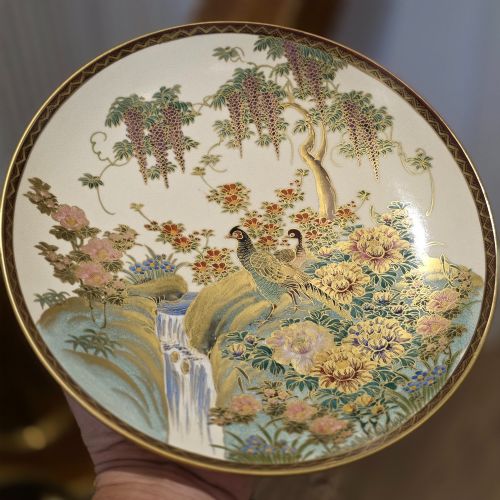
Satsuma ware utilises a different ceramic body with a distinctive cream-coloured, finely cracked earthenware glaze. It is traditionally decorated with muted enamel paints and raised gold detailing, offering a softer appearance than Imari porcelain.
What is the Meiji period?
The Meiji period represents a transformative era in Japanese history running from eighteen sixty-eight to nineteen twelve, marked by rapid modernization and expanded international trade. Japanese artisans adapted traditional techniques to satisfy a burgeoning global demand for decorative arts.
This era produced some of the most intricate porcelain and cloisonne work found today. Master workshops refined their output, combining traditional iconography with exceptional technical execution.