



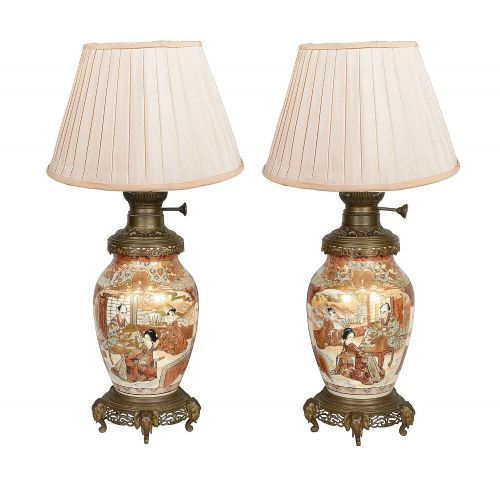
Meiji Period Porcelain Pair
These meiji period porcelain pair selections bring together matched sets of plates, vases, and jars crafted during a distinct era of Japanese export production.
Meiji Period Porcelain Pair
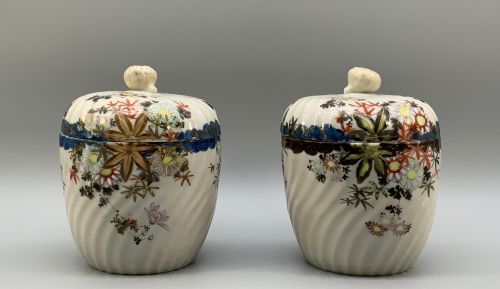
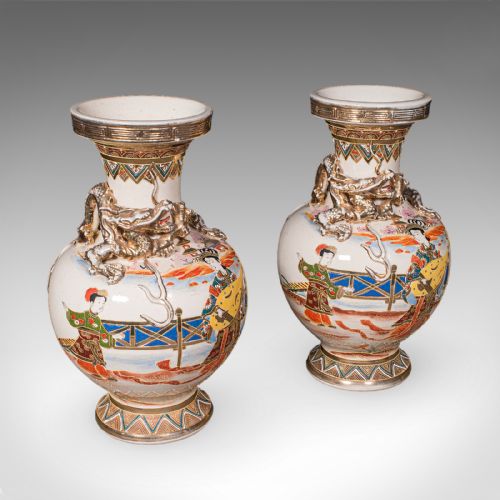
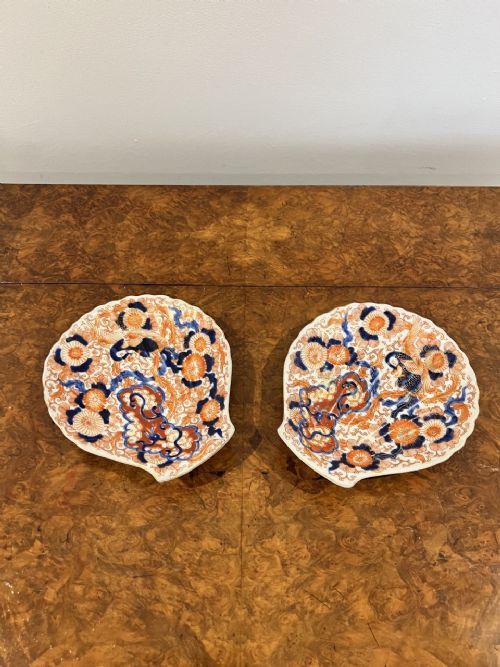
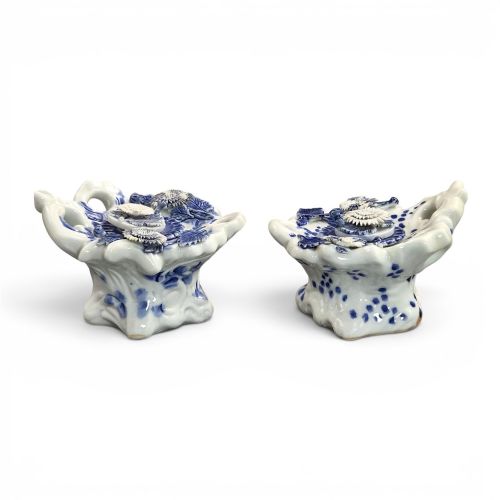
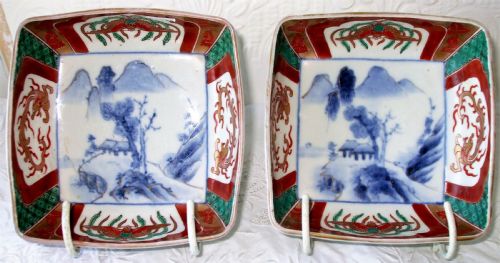
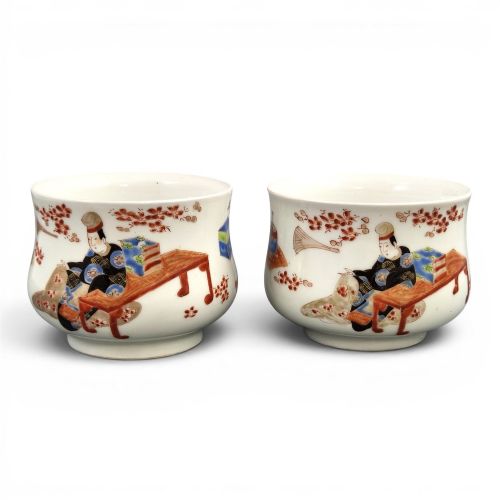
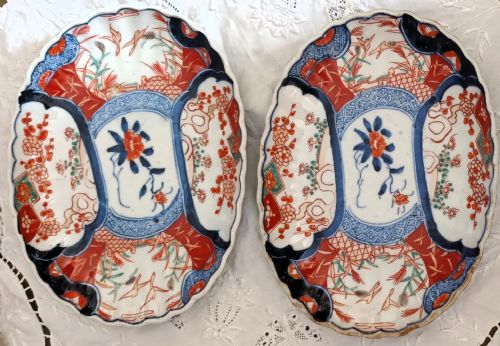
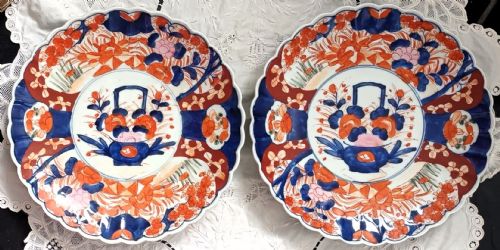
A meiji period porcelain pair typically manifests as matched decorative plates, chargers, vases, or lidded jars intended for display or interior use. Buyers examining this page encounter Japanese Imari, Satsuma, Kutani, and Arita wares originating from the late nineteenth and early twentieth centuries.
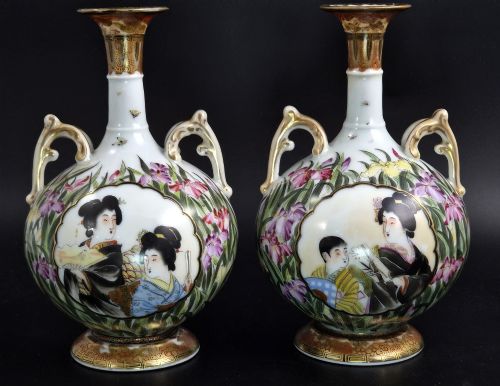
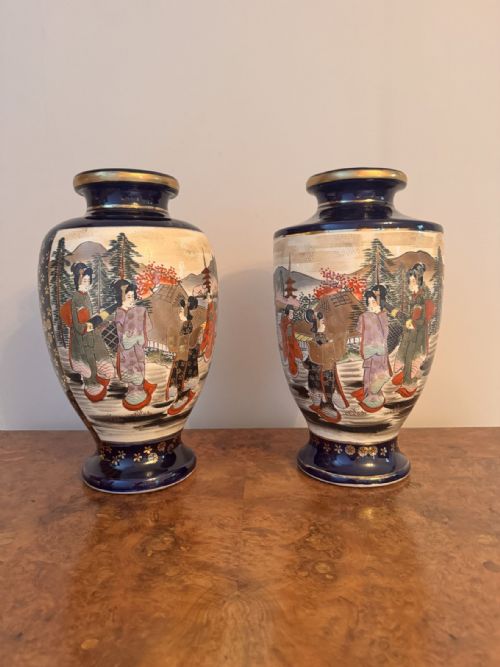
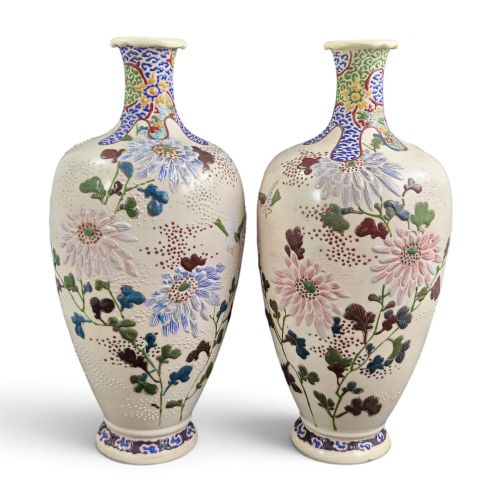
Vases and baluster shapes sit alongside scalloped plates and large chargers depicting traditional motifs such as exotic birds, floral patterns, and figures. Many of these pairs reflect the intense period of international trade and export during the late Victorian and Edwardian eras.
Materials and Technique
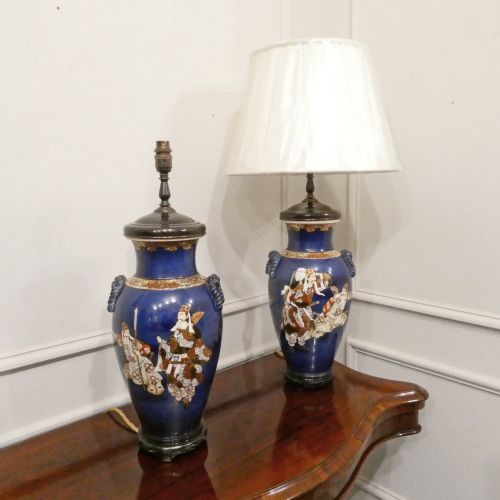
Makers utilised porcelain, earthenware, and ceramic bodies combined with underglaze cobalt blue, colourful enamel pigments, and applied gold leaf or gilt details. Certain pieces integrate specialised techniques like Totai Shippo cloisonne or incorporate original wood and porcelain stands.
The firing and glazing processes required precise kiln control to achieve the characteristic deep blue and iron-red palette of Imari wares or the finely crackled glaze common to Satsuma pieces.
Several pairs depict the Seven Lucky Gods, ensuring your mantelpiece holds a permanent delegation of mythological figures ready to dispense fortune.
Judging Quality
The distinction between standard export items and superior pieces rests upon the crispness of the hand-painted brushwork and the complexity of the decorative composition. Monumental scale, intact gilding, and matching original bases elevate certain pairs significantly above ordinary production.
Cohesion within the pair also dictates standing, as pieces thrown and painted as a matched set demonstrate greater harmony in form and palette than assembled near pairs.
Kato Sanhei·Makuzu Kozan II·Ginshōtei Gyokushi
The Meiji Period Porcelain Pair Glossary
- Imari
- A style of Japanese export porcelain characterised by a palette of underglaze blue, iron-red, and gilt highlights. It takes its name from the port town from which the wares were shipped to Europe.
- Satsuma
- A type of earthenware with a pale, ivory-coloured crackle glaze, typically decorated with elaborate polychrome enamels and raised gold. These pieces were heavily produced for Western export during the Meiji era.
- Charger
- A large decorative plate or dish intended for display on a wall or sideboard rather than for dining use. These large surfaces allowed artists to paint complex narrative scenes and dense patterns.
- Baluster
- A vase form with a rounded body that tapers toward the base and swells near the lower portion, resembling a traditional architectural baluster. This shape provides a stable and balanced canvas for extensive surface decoration.
Meiji Period Porcelain Pair: Frequently Asked Questions
How do I identify a Meiji period piece?
Meiji period items generally date between eighteen sixty-eight and nineteen twelve, aligning with the reign of the Emperor Meiji. Look for characteristic export styles such as Japanese Imari or Satsuma, which reflect the aesthetic tastes of that specific era.
While specific date marks are uncommon, the combination of traditional Japanese motifs, ceramic body types, and late nineteenth-century manufacturing techniques helps establish the correct chronological period.
Were these pairs made for export?
The vast majority of these porcelain and ceramic pairs were produced specifically for Western export markets following the opening of Japanese trade ports in the mid-nineteenth century. European and American demand heavily influenced the scale, decoration, and forms of these objects.
Consequently, forms like large chargers, mantle vases, and decorative table lamps were tailored to suit Victorian and Edwardian interior display preferences.
How should I display large porcelain vases?
Large vases and chargers require stable placement on sturdy surfaces away from high-traffic household areas to prevent accidental knocks. Because many of these pieces reach significant heights or possess wide brims, matching stands or reinforced display shelves provide secure support.
Keeping them out of direct sunlight also preserves the vibrancy of the enamel pigments and applied gold leaf over time.