


Japanese Okimono Figure
When you want a Japanese okimono figure, you are looking for a standalone decorative carving or casting that displays extraordinary detail and natural observation.
Japanese Okimono Figure
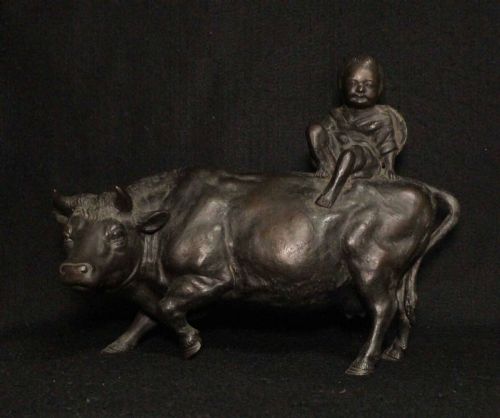
A Japanese okimono figure is a sculptural object designed for display on a shelf, cabinet or tabletop rather than for altar worship or practical domestic use. These pieces range from small handheld carvings to large scale floor sculptures depicting animals, figures and mythological subjects.
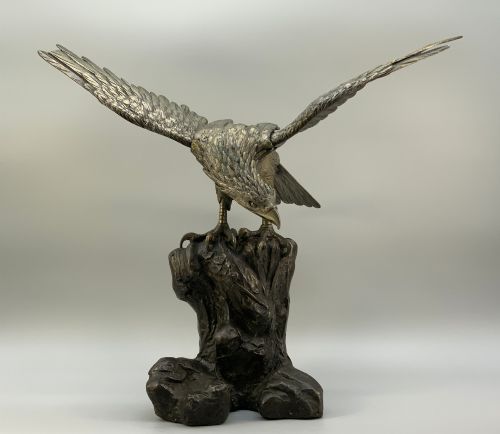
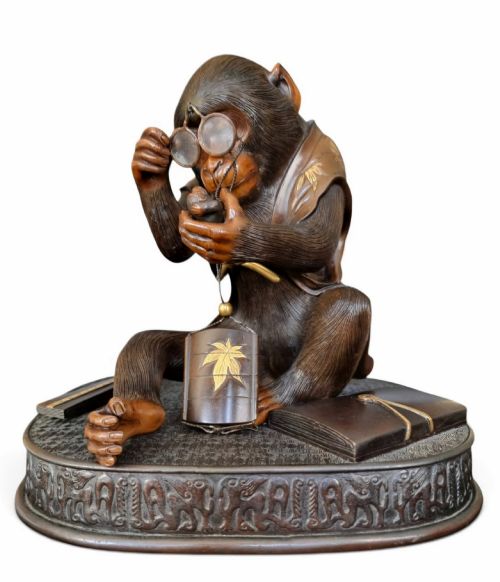
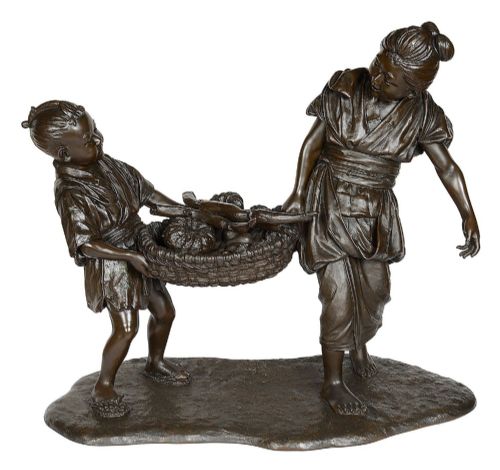
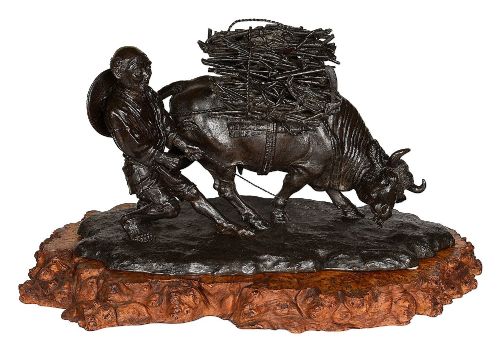
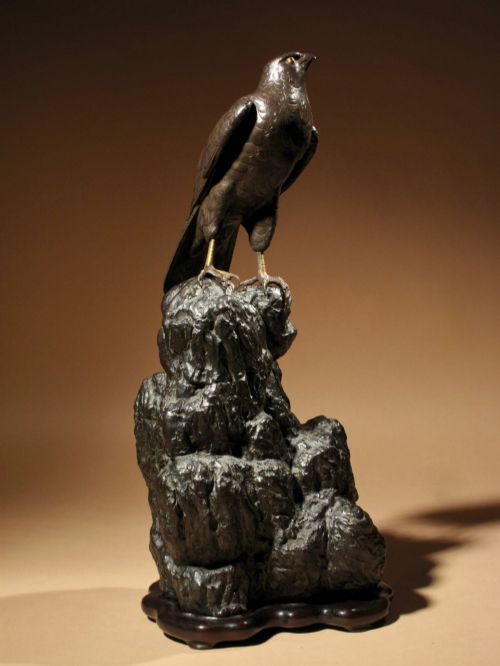
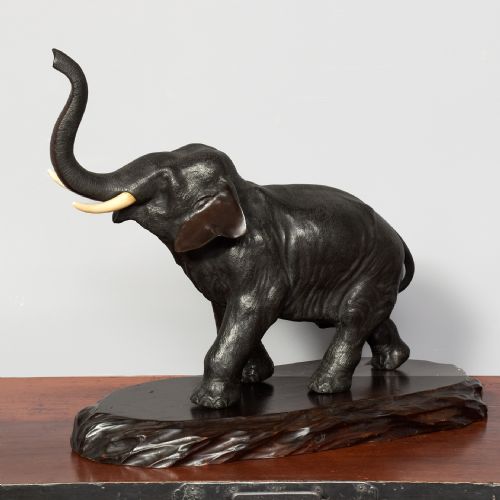
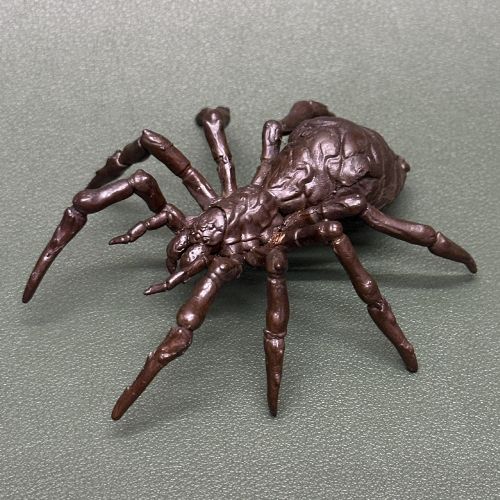
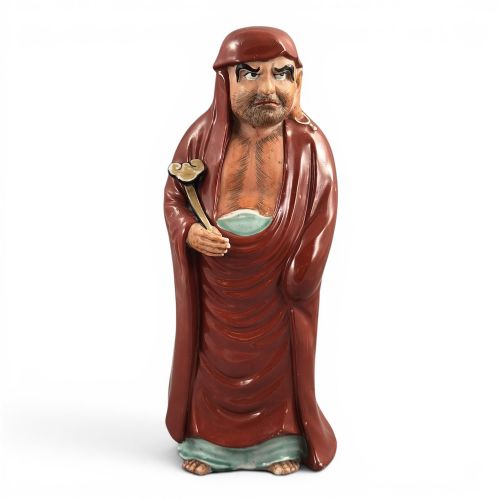
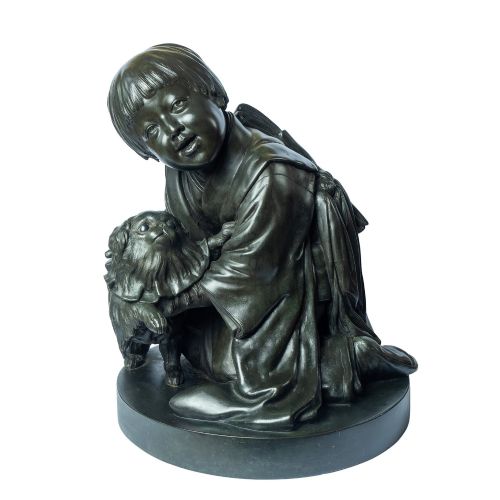
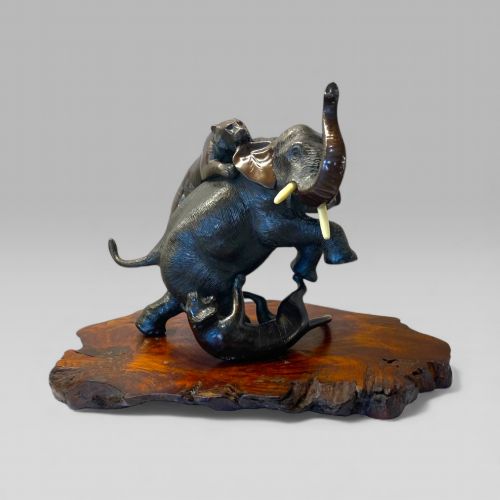
The selections encountered here originate principally from the Meiji period and the late nineteenth century, reflecting a peak era of Japanese decorative metalwork and carving. Forms vary from hawks, elephants and insects to scholars, deities and human figures engaged in everyday tasks.
How they were made
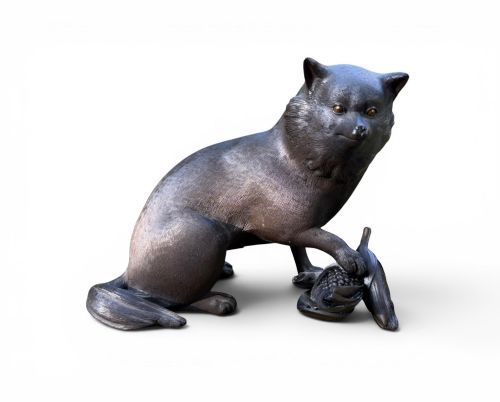
Metals form a major part of the output, utilising bronze, patinated bronze, iron and mixed-metals to create animals and figures with complex surface patination. Bronze pieces frequently employ lost-wax casting techniques, allowing for fine articulation in subjects like centipedes, tigers and eagles.
Wood is widely utilised for carving, with boxwood, hardwood, root wood and bamboo appearing across the inventory. Carvers apply precise chisel work to render textures in robes, hair and animal fur, sometimes supplementing the wood with ivory or bone details.
Listings span bronze, boxwood, iron, bamboo and earthenware, capturing both metalcasting and woodcarving traditions from the 19th and early 20th centuries.
What varies in quality
Quality rests upon the fidelity of the natural observation and the mastery of the medium, whether in the supple casting of a bronze muscle or the crispness of a boxwood beard. Superior examples demonstrate a dynamic tension in the pose, avoiding static symmetry to capture a living moment.
Signatures by recorded makers introduce a level of distinction, whilst unsigned pieces rely entirely on the ambition of the composition and the cleanliness of the finishing work. The integration of mixed-metals and inlaid elements further elevates the sophistication of the object.
Masaaki·Tsunemitsu·Kaniya Kuniharu·Kizan·Seiunsai Miyamoto Sei·Unno Shomin·Tomochika·Gyoko
The Japanese Okimono Figure Glossary
- Okimono
- An ornamental sculpture or carving intended for display in a Japanese home. The term translates literally as table decoration object.
- Meiji Period
- The era of Japanese history lasting from 1868 to 1912, characterised by opening trade and exceptional output in decorative arts. Many of the finest metal and wood sculptures originate from this time.
- Patinated Bronze
- A bronze casting treated with chemicals, heat or acids to produce a specific surface colour and tone. This finish accentuates the anatomical details of animals and figures.
- Mixed-Metal
- An object combining multiple metallic elements, such as copper, silver and gold alloys, to create contrasting colours and highlights on the surface. This technique is typical of high status nineteenth century works.
- Satsuma
- A type of Japanese earthenware featuring a crackle glaze and elaborate overglaze enamel decoration. Satsuma figures often depict deities, immortals and traditional attendants.
Japanese Okimono Figure: Frequently Asked Questions
How do I identify a Meiji period piece?
Meiji period pieces date between 1868 and 1912, a time when Japanese metalworkers and carvers catered extensively to international collectors. Look for naturalistic proportions, dynamic poses and sophisticated patination on bronzes.
Many works from this window carry artist signatures carved into the wood or cast directly into the metal base. The level of intricate detail is typically very high.
Where were okimono displayed?
These figures were placed in domestic settings, often upon a tokonoma alcove shelf or within a dedicated display cabinet. They were intended to spark conversation and reflect the refined taste of the household.
Larger scaled bronze figures, such as elephants or dragons, were sometimes positioned in gardens or entrance halls.
Are these figures signed by artists?
Certain pieces bear artist signatures or workshop marks, incised into the wood or stamped into the bronze. Signatures provide a direct link to known makers and important Meiji period workshops.
Unsigned pieces remain common and are judged purely on their sculptural quality, material and execution.