




Japanese Metalwork Ornaments
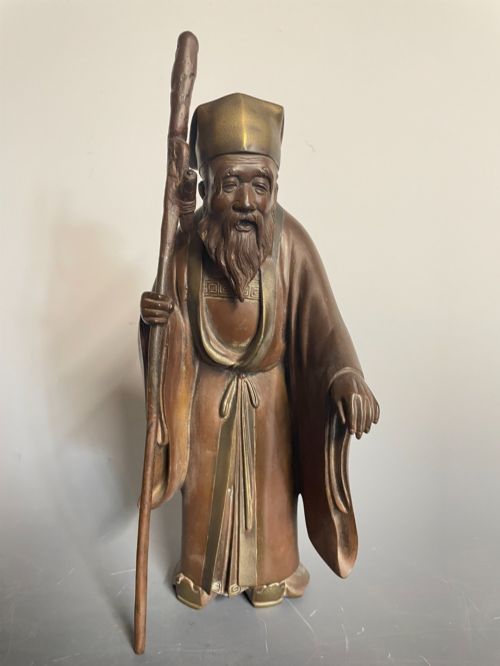
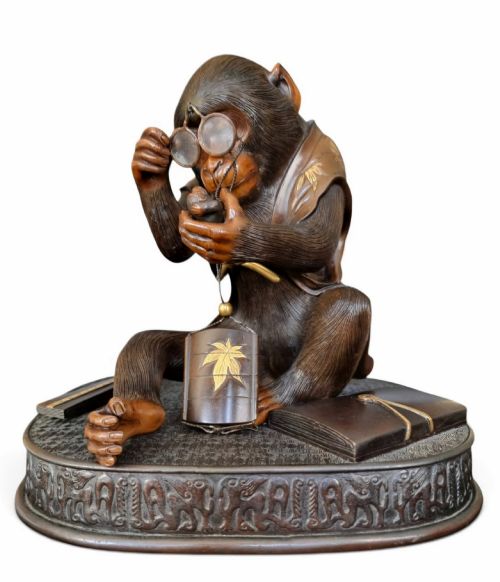
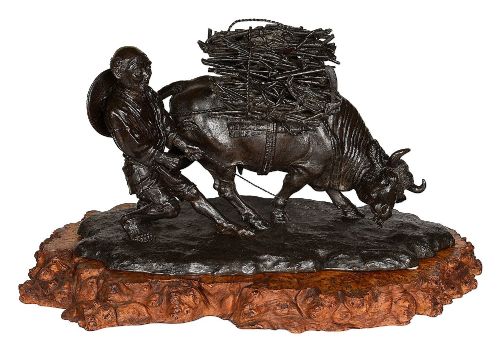
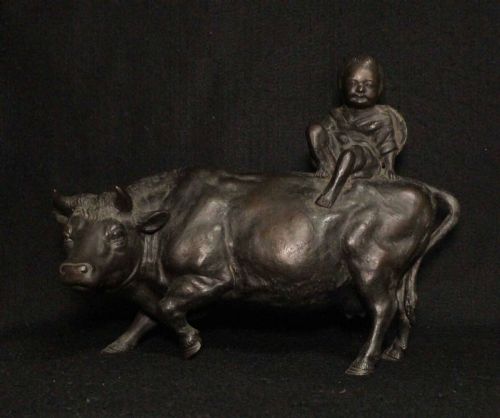
Japanese metalwork ornaments bring sculptural bronze and mixed-metal forms into a room, capturing Meiji period animals and vases with distinct presence.

Japanese Metalwork Ornaments
Japanese metalwork ornaments cover sculptural objects and vases created during the nineteenth century and the early twentieth century. Buyers seeking these pieces encounter bronze okimono, garden sculptures, and decorative vases originating from the Meiji and Showa periods.
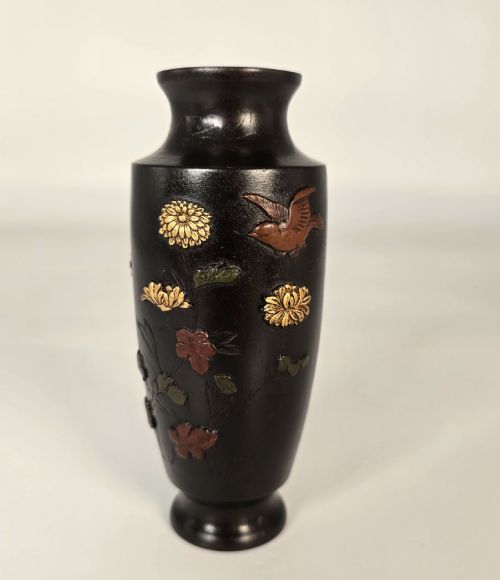
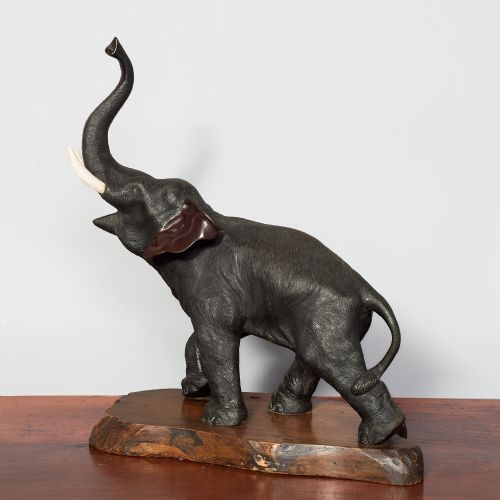
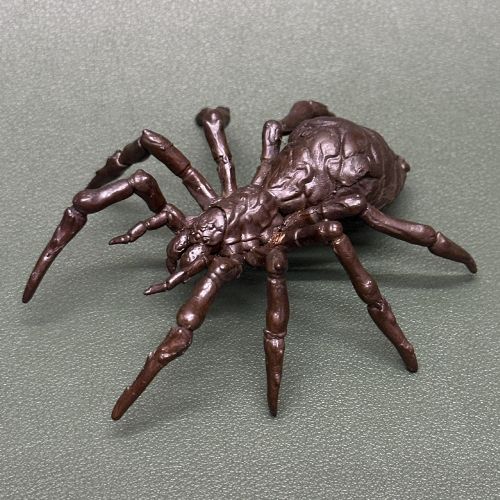
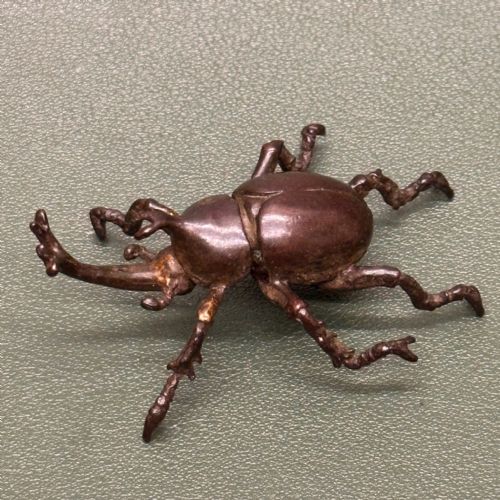
The selection centres heavily on Meiji period bronze okimono depicting animals such as monkeys, elephants, dogs, and insects alongside mixed-metal vases. Pieces range from small tabletop figures to large garden geese and bridges.
Materials and Techniques
Craftsmen utilised bronze, copper, brass, and iron, often applying patination to achieve deep surface tones. Mixed-metal pieces incorporate gold inlay and contrasting metal sections to define fine details on animal figures and vases.
Okimono and vases rely on traditional casting methods combined with hand-chiselling and inlay work. Organic additions such as ivory and diamond elements appear alongside carved wood bases on specific sculptural pieces.
The listings span from the Victorian era into the Showa period, utilising bronze, copper, brass, iron, and wood.
Assessing Quality
Quality rests in the precision of the casting and the crispness of the hand-chiselled surface detail on animals and botanical motifs. Finer examples display meticulous articulation of feathers, fur, and anatomical structure without losing organic flow.
The sophistication of the mixed-metal work and the subtlety of the patination separate standard production from masterworks. Signed pieces and works attributed to known makers demonstrate elevated technical control.
Jomi Eisuke·Unno Shomin
The Japanese Metalwork Ornaments Glossary
- Okimono
- A Japanese stand-alone ornamental sculpture designed for display on a shelf or tokonoma. These figures typically depict animals, figures, or natural subjects.
- Meiji Period
- The era in Japanese history spanning from 1868 to 1912, characterised by major artistic output and international trade in decorative metalwork. Much of the surviving decorative bronze dates from this time.
- Patinated Bronze
- Bronze treated with chemical solutions to produce a specific surface colour or aged tone. This technique enhances depth and highlights sculptural contours.
- Mixed Metal
- An artistic combination of different metallic alloys and precious metals within a single object. Artists utilised this method to create contrasting colour palettes on vases and okimono.
Japanese Metalwork Ornaments: Frequently Asked Questions
How do I date Japanese bronze ornaments?
Dating relies on stylistic markers, historical periods such as the Meiji or Showa eras, and occasionally signatures or foundry marks. Pieces from the late nineteenth century often display naturalistic subject matter and complex patination.
Victorian or Edwardian import dates sometimes provide secondary context based on when the piece arrived in European collections.
Where should I place a bronze ornament?
These sculptures suit tabletops, sideboards, and dedicated display cabinets where their patination and fine details can be appreciated up close. Larger garden okimono, such as geese or bridges, are proportioned for outdoor placement.
Stable surfaces away from direct moisture protect the metal finish and any inlaid elements.
What distinguishes mixed-metal pieces?
Mixed-metal works incorporate contrasting alloys like copper, brass, and shakudo alongside gold inlay to create multicoloured surface designs. This demanding technique allows artists to render natural details with distinct visual depth.
Such pieces often represent the higher tiers of Meiji period metalwork production.