
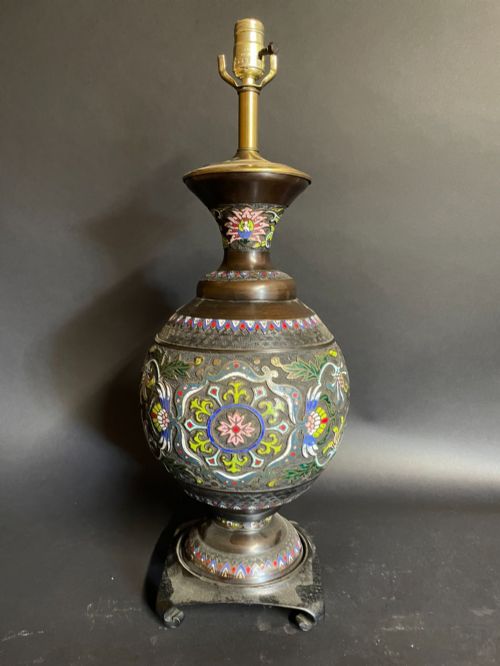


Cloisonne Enamel Urns
These cloisonne enamel urns and related vessels bring rich metalwork and vibrant colour into a room.

Cloisonne Enamel Urns
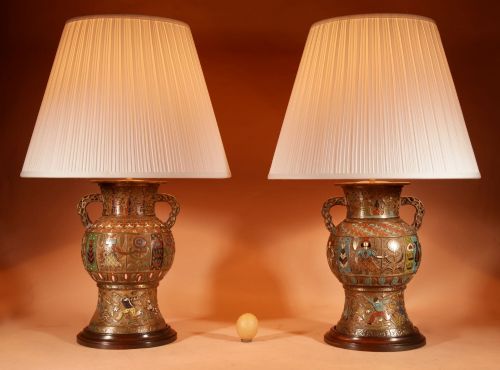
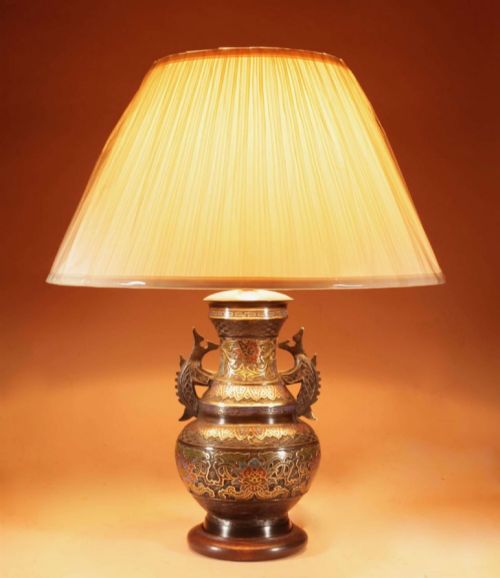
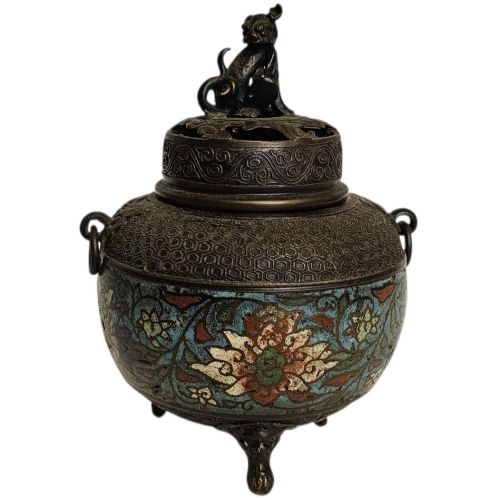
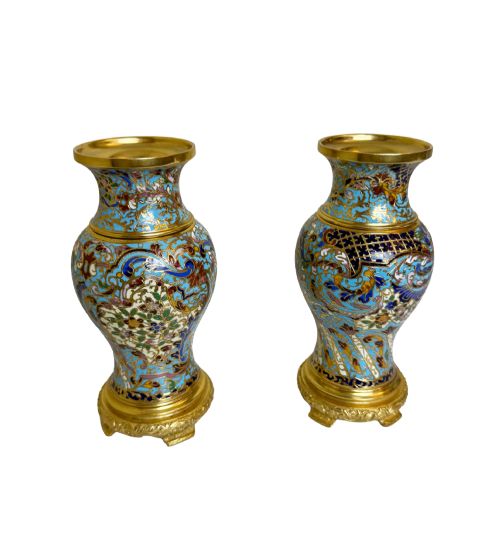
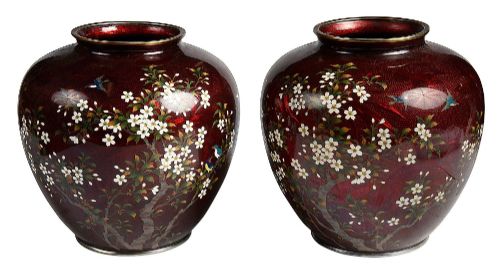
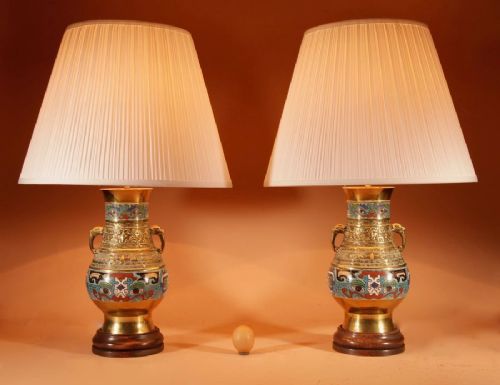
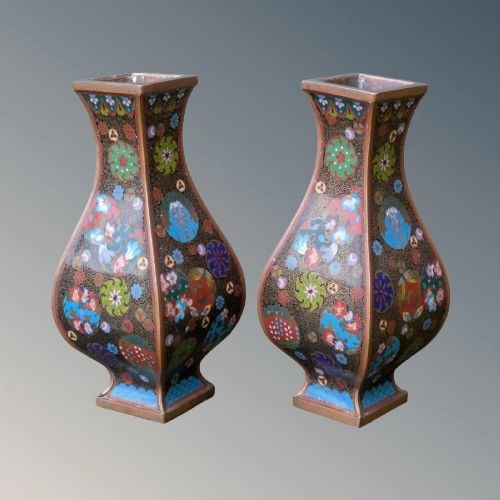
When searching for cloisonne enamel urns, a buyer encounters a diverse range of vessels including decorative vases, lidded ginger jars, jardiniers, and table lamps. These objects originate predominantly from nineteenth and early twentieth century workshops, spanning periods such as the Meiji era and the Qing Dynasty.
Makers utilised techniques involving soldered metal wires to create cellular compartments filled with coloured enamel pastes before firing and polishing. Bronze, brass, and gilt metal serve as the primary foundational structures for these decorative objects.
How they were made
Artisans constructed the body of each vessel from bronze, brass, or copper, shaping the metal into vases, jars, and bowls. They then soldered thin metal ribbons onto the surface to outline intricate motifs such as dragons, birds, and floral patterns.
Workers filled the resulting cells with coloured enamel pastes made from ground glass and mineral pigments before firing the piece in a kiln. Successive firings and extensive hand polishing produced a smooth, gleaming surface where the metal wire outlines contain the brilliant colours.
Some oversized vessels feature fierce dragons and mythical phoenixes peering out from densely packed fields of colourful glass wirework.
What varies in quality
The precision and fineness of the soldered wirework dictate the clarity of the design, with superior pieces showing uniform line thickness and complex detailing. Heavier metal foundations and substantial weight indicate a more robust and valuable object.
The smoothness of the polished enamel surface and the complexity of the polychrome palette separate standard production from masterwork examples. Expert finishing minimises pitting and colour pooling within the individual cells.
The Cloisonne Enamel Urns Glossary
- Cloisonne
- An enamelling technique where metal wires form raised barriers on a metallic base to hold coloured glass pastes. This method creates a detailed compartmentalized design before the final firing.
- Champleve
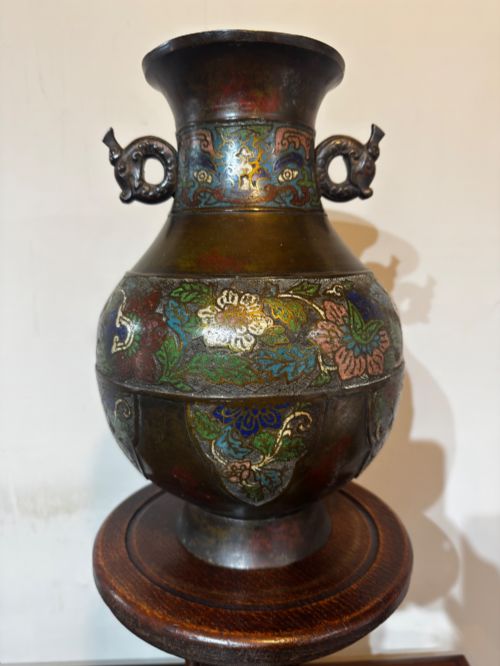
- A technique where troughs or cells are carved directly into the thick bronze or brass body to receive enamel paste. The excavated metal partitions remain wider than the delicate wires used in standard cloisonne.
- Meiji Period
- A Japanese historical era lasting from 1868 to 1912 noted for exceptional decorative metalwork and export wares. Pieces from this time frequently incorporate naturalistic motifs like birds and floral branches.
- Qing Dynasty
- The final imperial dynasty of China spanning from 1644 to 1912, recognised for elaborate bronze vessels and rich polychrome enamels. Objects from this period often display archaic stylistic revivals.
- Totai Shippo
- A Japanese technique known as wire-free enamel or bodyless cloisonne where the metal backing is removed to leave a translucent shell. This fragile construction allows light to pass directly through the hardened enamel.
Cloisonne Enamel Urns: Frequently Asked Questions
How do I clean my cloisonne vessel?
Dust the surface gently with a soft, dry cloth to prevent any accumulation of dirt within the wire crevices. Avoid using liquid cleaners, abrasive pads, or chemical polishes which can damage the polished enamel finish.
Keep the piece away from direct sunlight and areas of high humidity to protect the integrity of the metal base and the glass paste.
Were these pieces meant for display?
Most of these vessels served as decorative ornaments, interior display items, or ceremonial objects within wealthy households and temples. Larger forms like temple water dispensers and palace vases were designed to command attention in grand interior spaces.
Smaller jars and vases functioned as table ornaments or containers for precious items, while later examples were adapted into functional table lamps.
How can I tell Japanese and Chinese pieces apart?
Japanese vessels from the Meiji period typically feature highly naturalistic depictions of flora, fauna, and distinct motifs like dragons and phoenixes with meticulous wirework. Chinese pieces often draw upon earlier archaic styles from the Qing Dynasty with heavier bronze elements and distinct colour palettes.
Examining the base metal and the characteristic style of the enamel cells helps determine the likely geographic origin of the object.
Are these objects fragile?
The metallic foundation provides a sturdy structure, but the glass-based enamel surface can crack or chip if subjected to sharp impacts or heavy drops. Proper care ensures the delicate wire and enamel cells remain intact over generations of display.
Handling the vessels with clean hands and supporting the base prevents accidental strain on handles, lids, and delicate rims.