






Vintage Asian Enamelware
Vintage asian enamelware brings colourful vibrancy and meticulous metalwork into a room, offering rich textures built to catch the eye.

Vintage Asian Enamelware
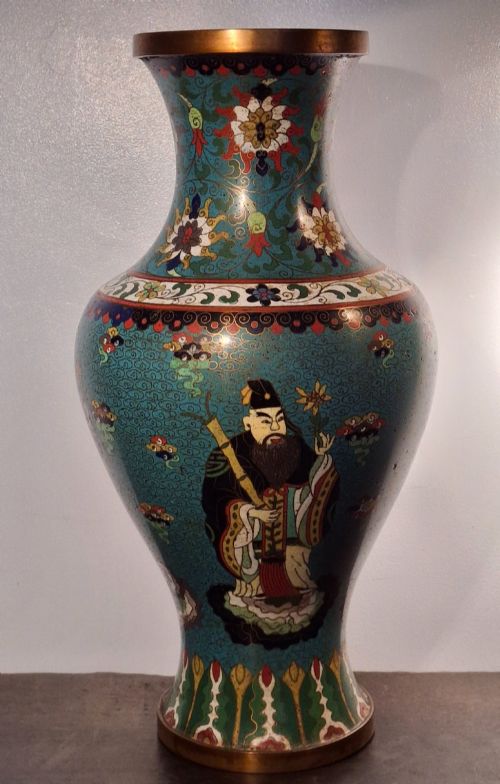
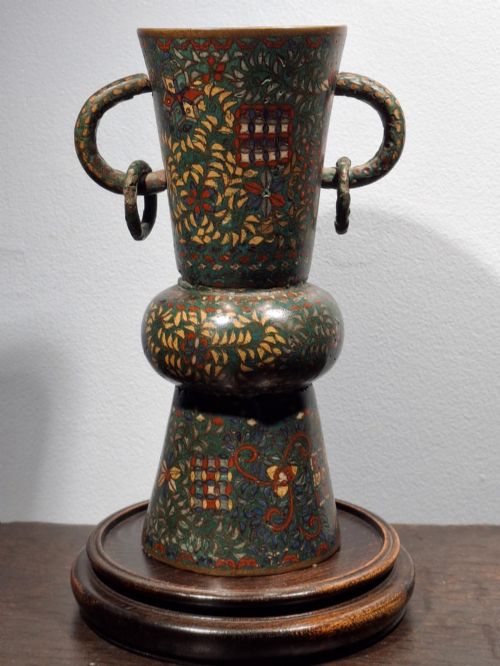
Vintage asian enamelware encompasses a fascinating variety of vessels, including vases, bowls, plates, and teapots produced across the nineteenth and twentieth centuries. When exploring vintage asian enamelware, collectors frequently encounter items originating from Chinese and Japanese workshops spanning the Meiji, Edo, and Qing periods.
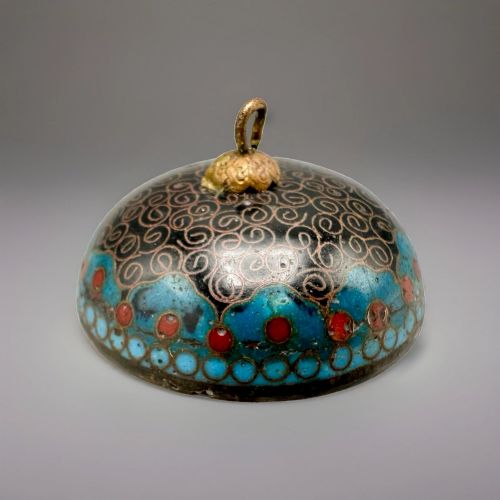
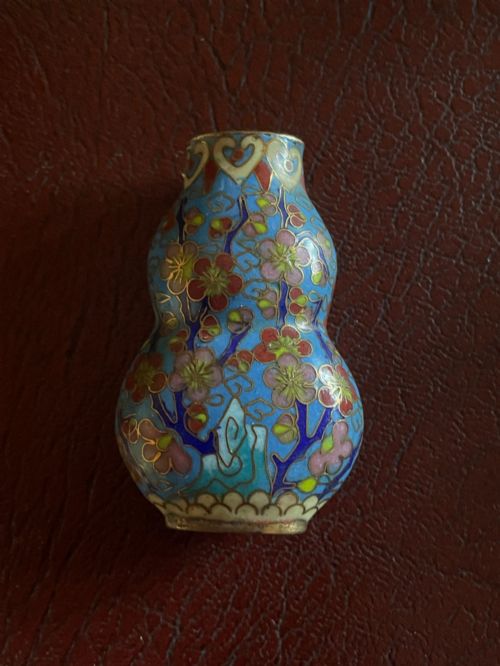
The selections available here range from miniature vases and lidded pedestal bowls to large chargers and decorative lamps. Buyers often discover matched pairs alongside singular statement pieces featuring traditional motifs such as birds and dragons.
How they were made
Artisans built these pieces using copper, brass, bronze, and gilt metal as foundational bases for intricate surface decoration. Cloisonne technique dominated production, where thin metal wires created cells that were subsequently filled with coloured enamel pastes before firing and polishing.
Alternative methods like champleve enamel involved carving troughs directly into the metal body to receive the coloured vitreous pastes. Silver foil additions frequently provided extra luminosity beneath translucent enamels on finer vessels.
Vintage Asian Enamelware Retail Price Guide 2026
Typical asking prices for vintage asian enamelware among the pieces listed under this phrase on Sellingantiques today, from the lower quarter to the upper quarter. They describe what is for sale here now, not the wider market.
Current site listings span diverse materials including copper, brass, bronze, silver foil, and specialised enamel styles across the nineteenth and twentieth centuries.
What varies in quality
Quality differences lie primarily in the precision of the wirework and the smoothness of the polished enamel surface. Superior examples demonstrate uniform cell boundaries and complex pictorial designs executed without pitting or cloudiness in the coloured pastes.
Heavier metal foundations and sophisticated gilding also distinguish finer items from standard commercial wares. The crispness of the rendered motifs, such as birds or dragons, dictates the overall artistic merit.
The Vintage Asian Enamelware Glossary
- Cloisonne
- A decorative metalwork technique where thin flat wires are soldered to a base to form compartments filled with enamel paste. These wires remain visible on the finished surface as outlines between colours.
- Champleve
- An enamelling technique where troughs or cells are hollowed out of a thick metal plate and filled with enamel powder before firing. This method leaves thicker walls of exposed metal between the coloured areas.
- Charger
- A large ornamental decorative plate or dish intended for display on a wall or surface rather than for dining use. These pieces often showcase intricate pictorial compositions across their wide central surfaces.
- Meiji Period
- A notable era in Japanese history spanning from eighteen sixty-eight to nineteen twelve marked by significant artistic output and international trade. Works from this time demonstrate exceptional technical refinement.
- Qing Dynasty
- The final imperial dynasty of China lasting from sixteen forty-four to nineteen twelve renowned for prolific decorative arts production. Enamelware from this era utilises distinctive palettes and traditional motifs.
Vintage Asian Enamelware: Frequently Asked Questions
How do I clean vintage asian enamelware?
Dust surfaces gently with a soft, dry cloth to prevent accumulating grime within the wire channels. Avoid using liquid cleaners, abrasive cloths, or chemical solvents that might damage the delicate metallic oxides.
Keep pieces away from direct sunlight and damp environments to protect the integrity of both the metal and the vitreous pastes.
Can I use these vases for fresh flowers?
Most antique and vintage vessels were created primarily for decorative display rather than holding water. Placing moisture inside older metal and enamel bodies can cause internal corrosion and compromise historical soldered joints.
Utilise a discreet waterproof insert if flowers must be displayed within a treasured vessel.
What does champleve mean on a listing?
Champleve indicates an enamel technique where the artisan carved or cast recesses directly into a bronze or copper base. The coloured enamel was fired within these depressions rather than inside soldered wire cells.
This method produces bolder, heavier lines of exposed metal defining the ornamental patterns.