


Japanese Metalwork Enamel
Japanese metalwork enamel unites disciplined metalworking with vitreous glass pastes to create intricate vessels and decorative plates.
Japanese Metalwork Enamel
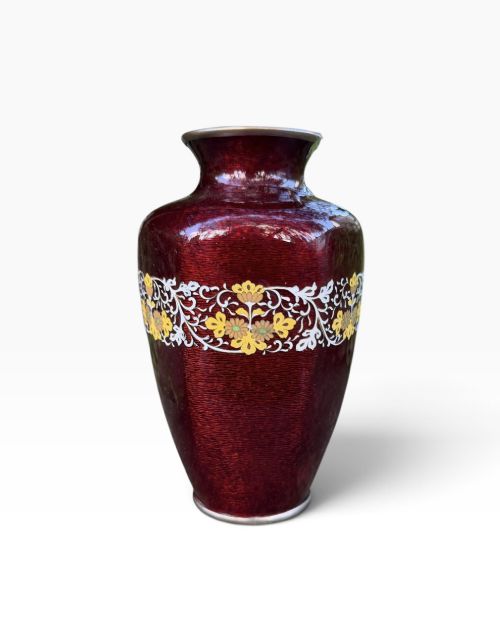
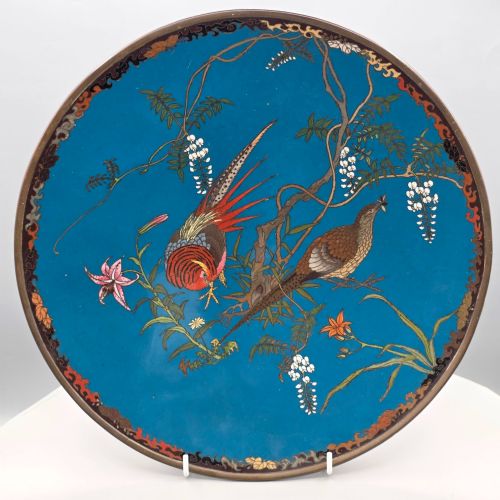
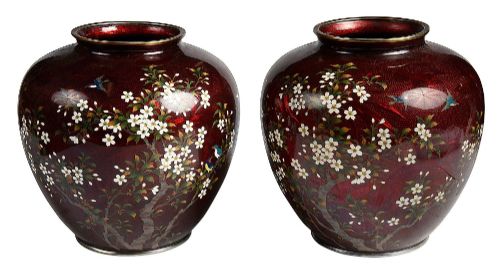
When searching for japanese metalwork enamel, buyers encounter decorative chargers, large palace vases, lidded bowls, and square trays originating from the Edo and Meiji periods through to the early twentieth century. These objects serve primarily as decorative works of art, featuring detailed depictions of birds, dragons, phoenixes, and botanical motifs.
The most common items on this page are chargers and vases produced during the Meiji period, alongside earlier examples from the Edo period and later Showa period creations. Artisans fashioned these pieces from copper, brass, and silver bases, applying coloured vitreous enamels within delicate wire cells.
Forms range from small cabinet pieces and tsuba to massive temple water dispensers and palace vases standing nearly a metre tall. Buyers will find both signed workshop pieces and unmarked vessels, reflecting a diverse range of domestic and export production.
Materials and construction methods
Artisans constructed these vessels using a base of copper, brass, or bronze, occasionally incorporating silver wire to form the internal partitions. Thin ribbons of metal were soldered onto the metallic ground to outline complex motifs such as dragons, flowers, and Mount Fuji.
Coloured enamel pastes were packed into the individual compartments created by the wire framework before the entire object was fired in a kiln. After firing, the surface was ground and polished down to create a smooth, unified plane where the metallic wires remained visible between fields of colour.
Specialised techniques such as ginbari and basse-taille were introduced on later Meiji period pieces, incorporating textured foil under translucent red enamels to add depth and reflectivity.
Even fierce dragons and mythical phoenixes require careful dusting to keep their enamel scales gleaming.
Distinctions in quality
Quality in japanese metalwork enamel rests upon the precision of the wirework and the absolute flatness of the polished enamel surface. Superior pieces display microscopically thin wire filaments bent into flawlessly executed curves, whereas lesser examples feature thicker, uneven wires and visible pitting in the glaze.
The ambition and complexity of the subject matter further separate standard production from masterworks. Pieces decorated with intricate, multi-coloured dragons, detailed avian subjects, or complex gradient enamels demand greater technical mastery than repetitive geometric patterns.
Ando Jubei·Kinkozan
The Japanese Metalwork Enamel Glossary
- Cloisonne
- A decorative metalwork technique where fine wires are soldered to a metal base to form cells that hold coloured glass enamel. These cells are then filled and fired to produce a smooth, patterned surface.
- Ginbari
- A Japanese enamelling method that applies a textured or patterned metallic foil beneath a translucent enamel layer. This technique creates a shimmering background effect that catches the light.
- Basse-Taille
- An enamel technique where the metal ground is engraved or hammered in low relief before translucent enamel is applied. The varying depth of the carving allows light to reflect unevenly through the coloured glass.
- Tsuba
- A traditional guard mounted on the end of a Japanese sword hilt, occasionally produced in cloisonne enamel as a decorative object. These small metal plates feature intricate artistic motifs.
- Ho-o Bird
- A mythical phoenix motif frequently depicted on Japanese decorative arts. It symbolises fire, sun, justice, and obedience.
Japanese Metalwork Enamel: Frequently Asked Questions
How do I display japanese metalwork enamel?
These decorative chargers and vases benefit from placement away from direct sunlight to preserve the vibrancy of the coloured glass enamels. Using stable stands ensures that heavy chargers and tall palace vases remain secure.
Grouping smaller lidded bowls or dishes on flat surfaces allows the detailed motifs to be examined closely. Maintaining a stable indoor environment protects the underlying metal bases from moisture and atmospheric changes.
What is the difference between Meiji and Edo period pieces?
Edo period pieces tend to feature heavier brass or copper foundations with restrained palettes and traditional auspicious symbols. They represent an earlier phase of production before export markets expanded.
Meiji period examples often showcase finer silver wirework, highly detailed pictorial scenes, and experimental techniques like ginbari. This later era marked a peak in technical refinement and artistic ambition among Japanese workshops.
How should I clean japanese metalwork enamel?
Dusting these vessels regularly with a soft, dry cloth prevents the accumulation of grime within the wire cells and polished surfaces. Avoid using commercial metal polishes, abrasive cloths, or liquid cleaners, which can scratch the delicate glass enamel.
For stubborn dust, a slightly damp microfibre cloth followed immediately by a dry cloth is sufficient. Professional conservation is recommended if deeper cleaning or structural repair is required.
Are these pieces signed by makers?
Some pieces feature artist signatures or workshop marks stamped or applied to the base, indicating production by prominent makers like Ando Jubei or Kinkozan. These signatures provide valuable context regarding the origin and period of the work.
Many fine examples remain unmarked, as export production often prioritised decorative appeal over maker attribution. Unsigned vessels can still exhibit exceptional technical mastery and artistic quality.