







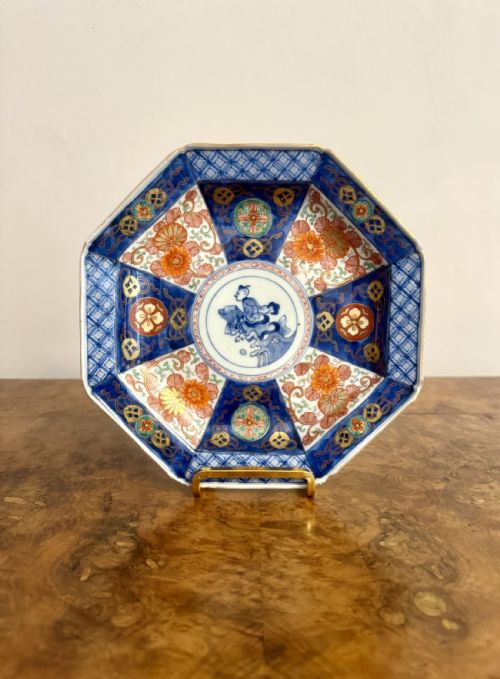
Japanese Floral Dish
These japanese floral dish selections bring together centuries of intricate craftsmanship, offering collectors decorative plates and chargers rich in historical artistry.
Japanese Floral Dish
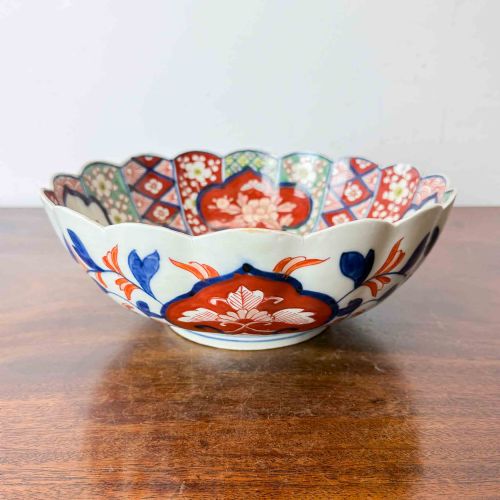
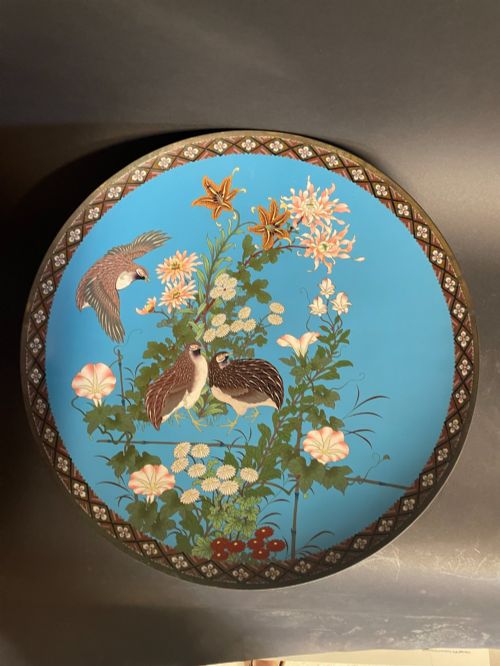
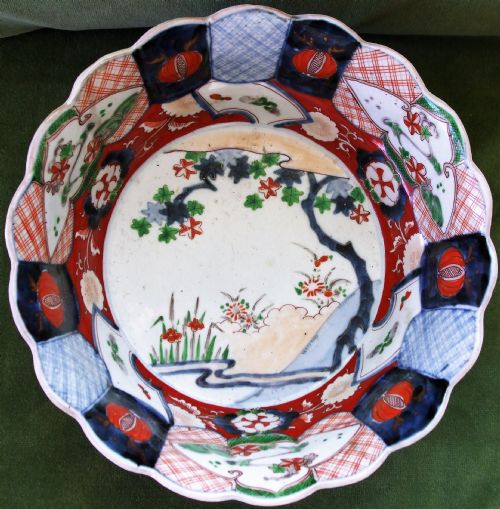
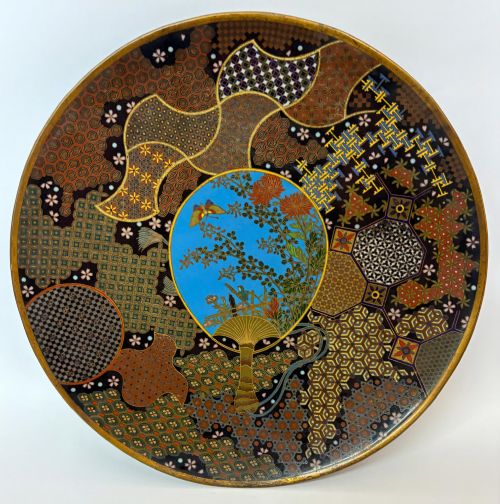
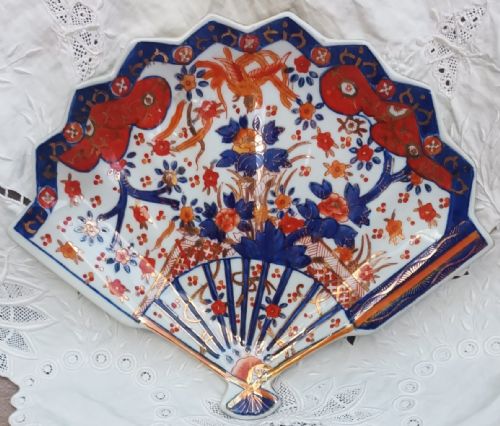
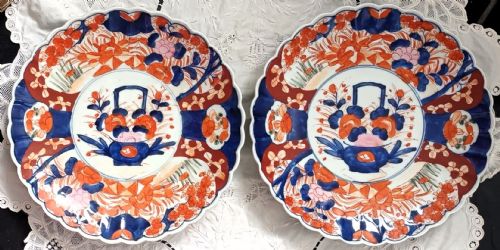
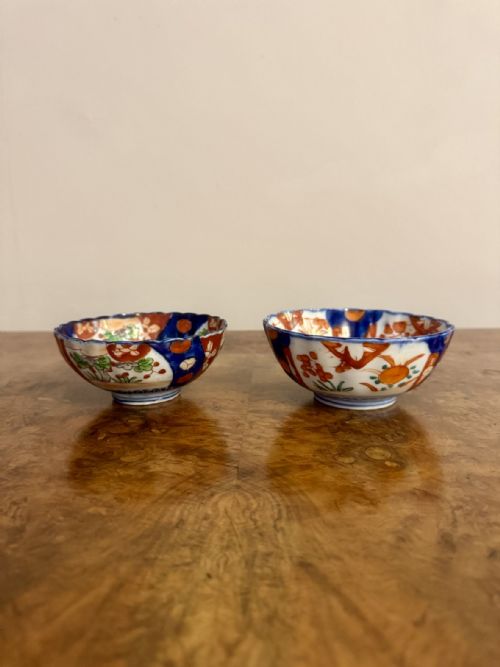
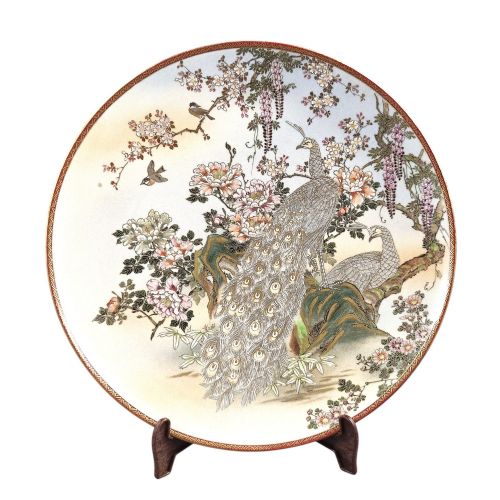
A Japanese floral dish encompasses decorative plates, bowls, and large chargers created across various periods including the Meiji and Edo eras. Buyers searching this phrase typically encounter porcelain pieces featuring traditional Imari patterns or detailed cloisonne enamel work.
The forms range from small scalloped edge plates to massive chargers designed for display. Many examples showcase intricate floral motifs alongside birds and traditional scenes, spanning from the seventeenth century through to the early twentieth century.
Materials and Construction Techniques
Potters and artisans utilised fine porcelain, earthenware, and copper bases to construct these vessels. Glazes and enamel pigments were applied meticulously by hand to build up complex chromatic surfaces.
Metal wire work defined the cloisonne pieces, creating cells that held coloured enamel before firing. Gold leaf and intricate hand painting completed the decoration on both porcelain and metal substrates.
Listings span multiple historical periods, uniting traditional Edo and Meiji era ceramics with Victorian taste.
Factors Distinguishing Quality
Execution of detail separates standard productions from masterworks, particularly in the precision of hand painted motifs and enamel work. The crispness of the porcelain moulding and the vibrancy of the cobalt blue and iron red glazes indicate higher craftsmanship.
Complexity of composition also dictates the grade of the piece, with multi layered floral designs and balanced pictorial elements reflecting superior artistic ambition.
Kozan
The Japanese Floral Dish Glossary
- Imari
- A style of Japanese porcelain decorated in underglaze blue and overglaze red, gold, and green. This palette originated in the town of Arita and became widely exported.
- Cloisonne
- An enamel technique where metal wires are soldered to a base to form compartments filled with paste and fired. It produces vibrant coloured patterns on plates and chargers.
- Charger
- A large decorative plate intended primarily for display on a wall or sideboard rather than for serving food. These pieces often feature the most elaborate artwork.
- Meiji Period
- The era in Japanese history lasting from eighteen sixty eight to nineteen twelve, known for opening trade and producing intricate export arts. Pieces from this time frequently demonstrate exceptional technical refinement.
- Scallop Edge
- A decorative curved border shaped like the edge of a scallop shell. This moulding technique appears frequently on nineteenth century plates and bowls.
Japanese Floral Dish: Frequently Asked Questions
What is a Japanese floral dish used for?
These pieces function primarily as decorative display items rather than utilitarian tableware. Chargers and large plates were traditionally shown on stands or hung on walls to showcase their intricate designs.
Smaller bowls and dishes served various domestic purposes while maintaining high aesthetic value through hand painted botanical motifs.
How do I identify a Meiji period piece?
Meiji period items correspond to the late nineteenth and early twentieth centuries, a time when Japanese craftsmanship reached new heights for export markets. Look for fine detailing in cloisonne enamel and complex Imari patterns.
Signatures from specific artisans sometimes appear on the base of Satsuma and cloisonne works from this era.
What is Imari porcelain?
Imari refers to porcelain manufactured in the town of Arita and shipped from the port of Imari. The signature palette relies on underglaze blue combined with iron red and gold.
These wares gained immense popularity in Europe during the Edo and Meiji periods for their bold and colourful patterns.
How should I display a charger?
Chargers require sturdy plate stands or professional wall mounting hardware due to their substantial weight and size. Positioning them away from direct sunlight protects the delicate enamel and gold leaf details.
Grouping plates of varying scales creates a balanced visual display on large wall spaces.