

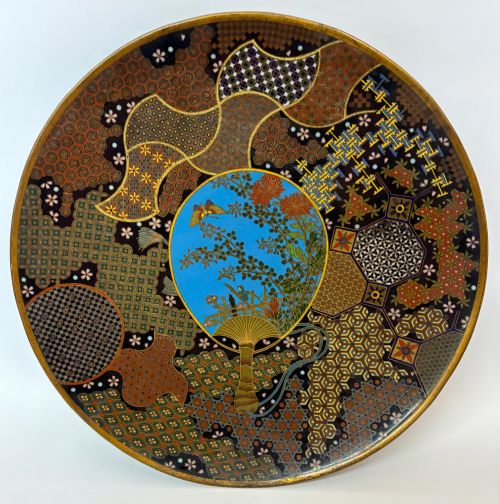


Floral Enamel Plate
A floral enamel plate brings centuries of vibrant botanical craft into the room, offering intricate depictions of nature on metal and ceramic.
Floral Enamel Plate
A floral enamel plate brings together centuries of skilled metalwork and ceramic tradition, encompassing chargers, trays, and dishes decorated with botanical motifs. When exploring a floral enamel plate, collectors encounter works spanning the seventeenth century through to the early twentieth century, originating from Japanese Meiji and Edo periods alongside Chinese export workshops.
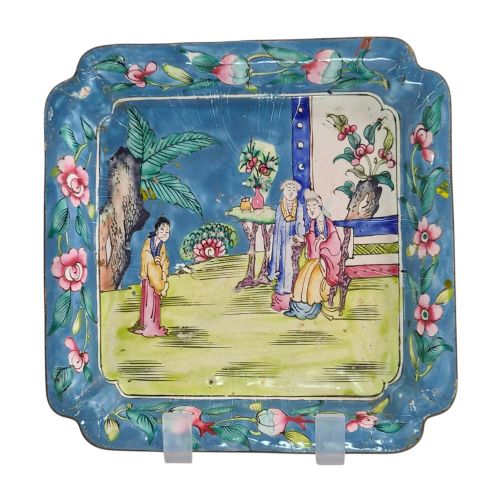
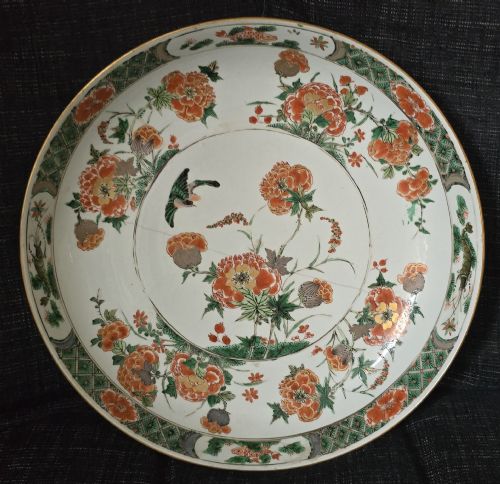
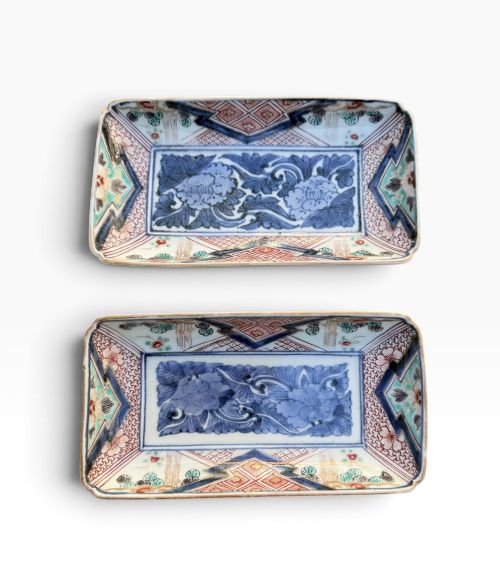
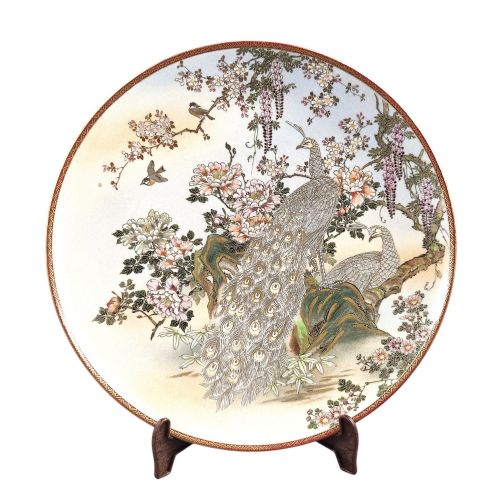
The pieces appearing on this page lean heavily towards Japanese cloisonne chargers and Chinese porcelain dishes decorated with famille rose or famille verte palettes. Makers utilised copper, brass, and porcelain as bases for meticulous floral designs featuring chrysanthemums, peonies, and wisteria.
Materials and construction
Craftsmen built cloisonne pieces by soldering thin metal wires onto copper or brass bases to form the outlines of petals and leaves, then filling the resulting compartments with coloured enamel paste before firing. Other examples utilise porcelain and earthenware bodies painted with overglaze enamels and gold leaf.
The firing process demanded precise temperature control to fuse the powdered glass compounds to the metal or ceramic substrate without bubbling or cracking. Artisans then polished the surfaces smooth to create a durable, lustrous finish that protected the delicate botanical illustrations underneath.
Floral Enamel Plate Retail Price Guide 2026
Typical asking prices for floral enamel plate among the pieces listed under this phrase on Sellingantiques today, from the lower quarter to the upper quarter. They describe what is for sale here now, not the wider market.
Judging the work
Quality rests upon the precision of the wirework and the depth of the enamel colours in metal pieces, or the fineness of the hand-painted brushwork on porcelain surfaces. Superior examples demonstrate rigorous control in the containment of enamel within wire cells and complex, balanced compositions of flora and fauna.
The complexity of the subject matter, such as the inclusion of birds alongside detailed botanical elements, elevates certain chargers and dishes above simpler geometric designs. Maker signatures and the overall crispness of the firing also distinguish the finest pieces from more standard output.
Kinkozan
The Floral Enamel Plate Glossary
- Cloisonne
- Enamelwork in which coloured pastes are contained within compartments formed by thin metal strips soldered to a metal base. This technique creates a distinct cellular pattern across the surface of the plate.
- Charger
- A large decorative plate or dish utilised historically for display rather than dining. These substantial pieces provide a broad canvas for elaborate botanical and avian scenes.
- Famille Rose
- A Chinese porcelain palette introduced in the eighteenth century distinguished by opaque pink or rose enamel colours. The style depicts soft floral arrangements and figurative scenes.
- Overglaze Enamel
- Mineral pigments applied over a previously fired and glazed ceramic surface, requiring a subsequent lower-temperature firing to bond the colours. This method allows for vivid polychrome botanical details.
- Moriage
- A decorative ceramic technique involving the piping of clay slip onto a glazed body to create raised, textured patterns. Japanese artisans applied this method to accentuate floral and foliate designs.
Floral Enamel Plate: Frequently Asked Questions
How are these plates displayed?
Larger chargers and trays are typically hung on walls or placed on sturdy stands to showcase their intricate surface designs. Their substantial scale makes them focal points within a room.
Smaller dishes and plates fit comfortably on sideboards or within cabinet displays, allowing closer inspection of the enamelwork and painted details.
What motifs appear on them?
Botanical elements dominate these pieces, featuring chrysanthemums, peonies, wisteria, and other regional flora. Birds, butterflies, and frogs frequently accompany the plant life.
These naturalistic subjects draw upon Japanese Meiji aesthetics and Chinese export traditions, reflecting deep appreciation for seasonal change.
How do I date a piece?
Dating relies on stylistic markers, material composition, and manufacturing techniques recorded across different periods. Japanese pieces often align with the Meiji or Edo eras through specific wiring styles and colour palettes.
Chinese works reference reign periods such as Qianlong or Kangxi through specific famille rose or famille verte enamel characteristics.
Can I use them for food?
These decorative plates and chargers serve primarily as display objects rather than functional tableware. The delicate nature of historic enamels and overglaze paints makes them unsuited for daily dining.
Preserving the surface requires keeping them away from moisture, cutlery, and abrasive cleaning agents.