


Turquoise Cloisonne Dish
A turquoise cloisonne dish brings vibrant mineral colour and meticulous wirework into a room, catching the light with centuries of skilled craftsmanship.
Turquoise Cloisonne Dish
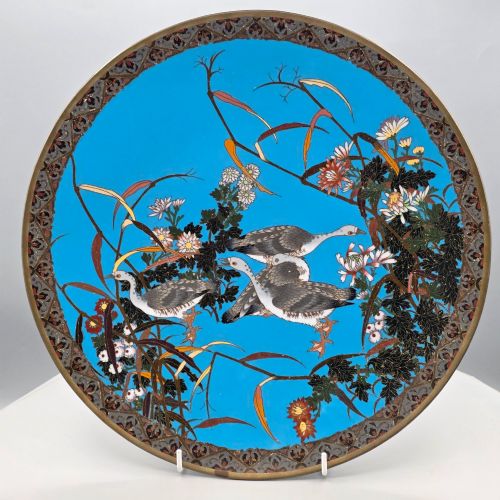
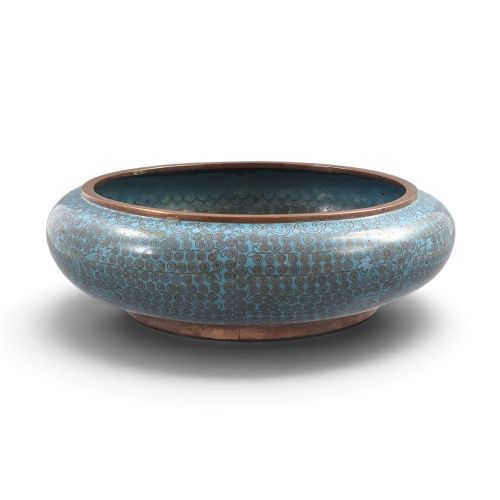
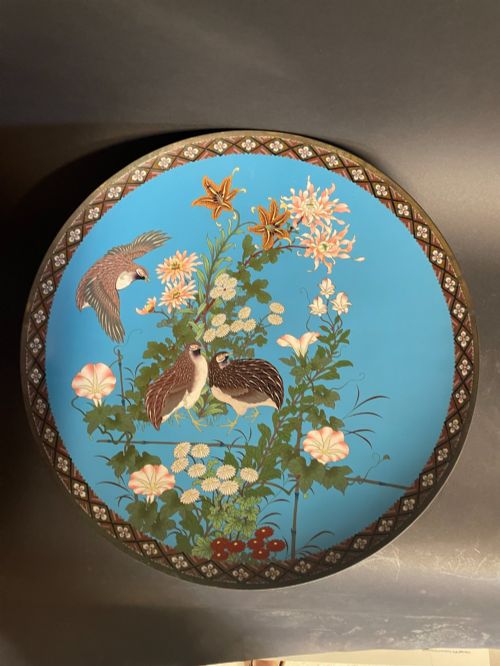
A turquoise cloisonne dish represents a captivating intersection of decorative metalwork and vitreous enamelling originating from Asian workshops, primarily Japanese and Chinese. These items appear in various forms on this page, including decorative chargers, plates, bowls, trays, and plaques.
The objects span multiple historical periods from the nineteenth century, including the Edo and Meiji periods alongside the Qing dynasty. Buyers frequently encounter Japanese plates and chargers featuring natural subjects like birds, flowers, and figures, alongside Chinese scholarly vessels and dragon plaques.
How they were made
Artisans formed the foundation of each vessel using copper, brass, bronze, or copper alloy, shaping plates and bowls before applying intricate metal wire outlines. These thin wires created the cellular compartments, known as cloisons, which defined the detailed motifs across the surface.
Workers filled the individual cells with enamel paste before firing the piece in a kiln to fuse the vitreous colours. Subsequent grinding and polishing revealed the metallic gridlines embedded evenly alongside the hardened enamel.
Materials recorded on this page include copper, brass, bronze, copper alloy, and enamel wire.
What varies in quality
The fineness of the wirework largely distinguishes exceptional examples from standard production, as narrower metallic lines demand greater dexterity from the maker. Complex pictorial subjects such as samurai figures, birds, or dragons require superior execution compared to simpler geometric patterns.
Depth and consistency of the enamel infill further separate grades of manufacture, alongside the overall weight and rigidity of the underlying copper alloy or bronze body.
Kinkozan
The Turquoise Cloisonne Dish Glossary
- Cloisonne enamel
- A technique where metal wires are soldered to a metal base to create compartments that hold coloured glass paste. Firing fuses this paste into a smooth, decorative surface.
- Meiji Period
- A notable era in Japanese history spanning from 1868 to 1912, celebrated for significant artistic output and technical innovation in metalwork. Pieces from this time often showcase highly refined natural motifs.
- Edo Period
- The period in Japanese history lasting from 1603 to 1867, preceding the Meiji era. Objects originating from this time demonstrate early foundational styles of decorative craft.
- Qing Dynasty
- The final imperial dynasty of China, lasting from 1644 to 1912. Works from this period include large plaques and scholarly items finished in rich enamels.
- Copper alloy
- A mixture primarily composed of copper combined with other metals such as zinc or tin. This material provides a sturdy, malleable base for heavy chargers and bowls.
Turquoise Cloisonne Dish: Frequently Asked Questions
How do I clean a cloisonne dish?
Dust the surface gently with a soft, dry cloth to protect the delicate wirework and enamel finish.
Avoid using harsh chemical cleaners, abrasive pads, or submerging antique copper alloy vessels in water.
Where were these dishes made?
The pieces originate from traditional workshops and centres of production in Japan and China.
Craftsmen in locations such as Beijing and various Japanese provinces produced these decorative items during the nineteenth century.
How can I tell Meiji pieces apart?
Meiji period items frequently feature highly detailed pictorial scenes including birds, flowers, and samurai figures.
These works often display exceptionally fine wirework and vibrant turquoise backgrounds developed during the late nineteenth century.
Can I display these dishes upright?
Large chargers and plaques suit wall mounting or display on sturdy plate stands designed for heavy items.
Ensure any display bracket supports the full weight of the copper and bronze body safely.