




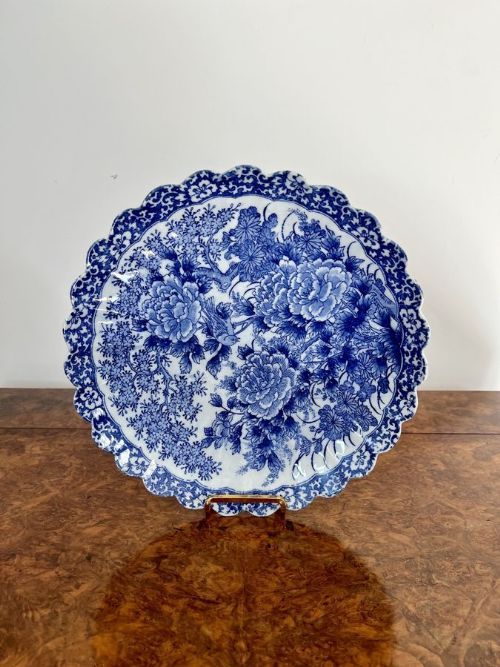


Japanese Imari Ware Plate
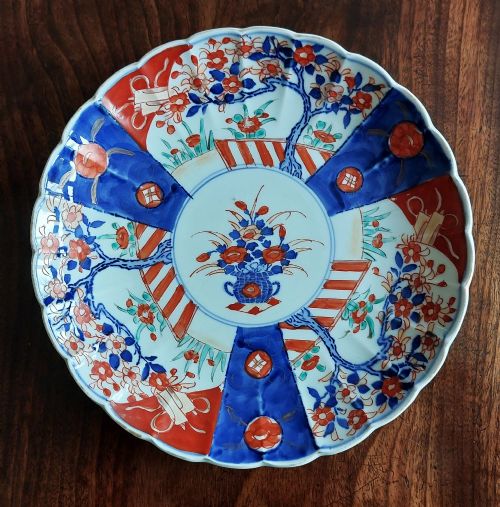
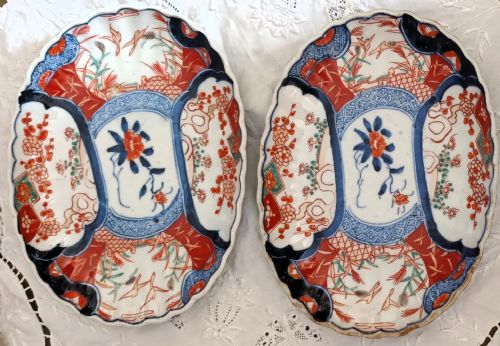
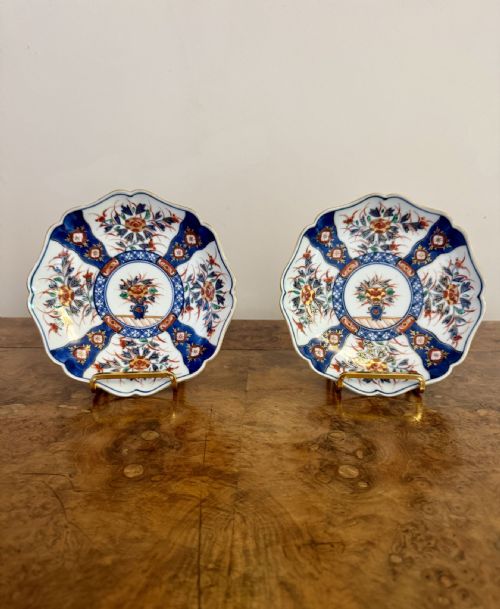
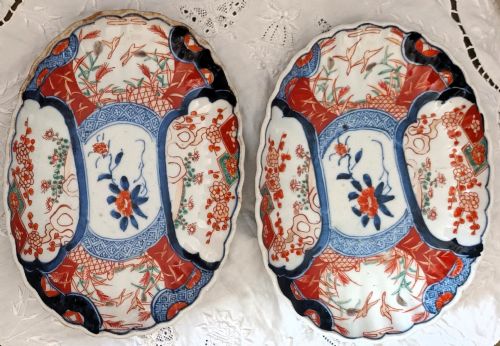
These japanese imari ware plate selections bring distinct hand painted floral and bird patterns from the 17th to the 20th century into modern rooms.
Japanese Imari Ware Plate
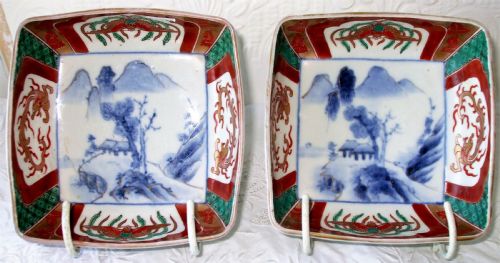
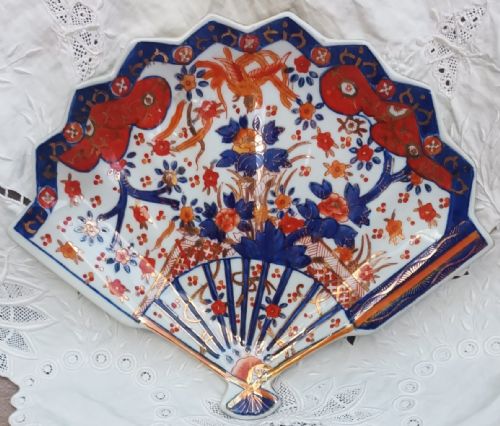
A japanese imari ware plate gathers decorative porcelain objects shaped as circles, ovals, squares, hexagons, fans, shells and clams from the 17th century onwards. The pieces appearing here span the Edo period through the Meiji period up to the early 20th century, encompassing chargers, dishes and display items.
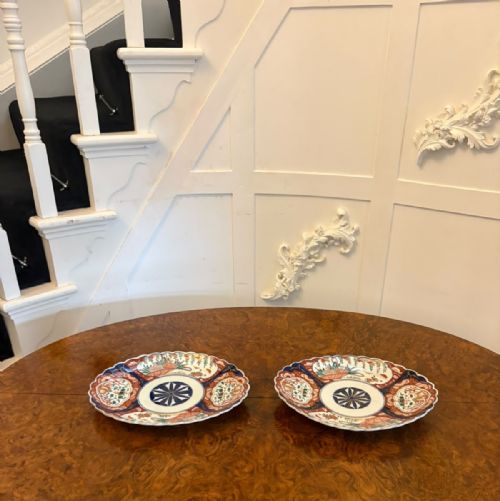
Buyers will most frequently encounter Meiji period examples alongside pieces dated around 1900. These range from single decorative dishes to matched pairs and larger sets.
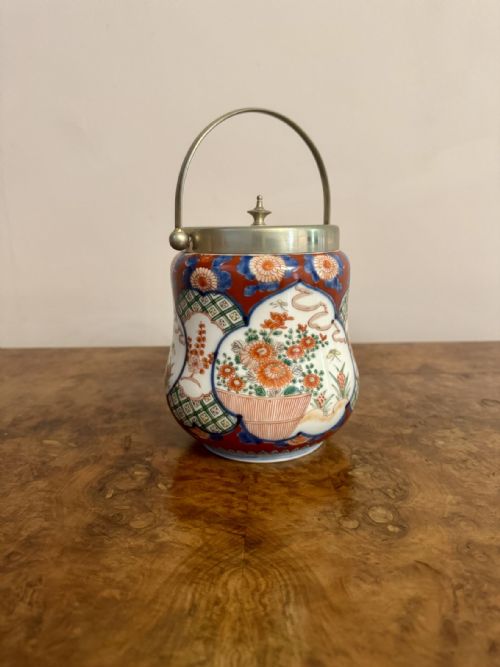
Forms vary from standard circular plates to scalloped edges and biscuit barrels. Each piece reflects traditional Japanese ceramic output intended for display and daily use.
Materials and construction
Potters relied on porcelain bodies decorated with cobalt glaze, enamel and enamel glaze to build the characteristic palette. Artisans added gold leaf, gilt and gilding to accentuate specific motifs across the surface.
Decoration typically involved hand painted floral and bird designs executed on Arita and Hizen wares. Kiln firing fixed the underglaze blue and overglaze iron red and gold details onto the porcelain base.
Clam shell shapes let ancient dinners echo through sea-salted porcelain.
Judging the work
Quality rests in the crispness of the hand painted motifs and the precision of the cobalt and enamel application. Superior examples demonstrate careful balance between the underglaze blue and the overglaze red and gilt highlights.
Form complexity also distinguishes individual items, with scalloped, square, fan and shell shapes requiring greater skill than simple circles. The retention of original gilding and vibrant enamel colours remains a key indicator of standard.
The Japanese Imari Ware Plate Glossary
- Imari
- A style of Japanese porcelain originating from the port of Imari, decorated in underglaze blue and overglaze red, green and gold. This palette defined export wares destined for European and domestic markets.
- Meiji Period
- The era of Japanese history lasting from 1868 to 1912. Many decorative plates and chargers on this page date from this prolific manufacturing period.
- Edo Period
- The period in Japanese history from 1603 to 1867. Early examples such as Arita shell dishes originate from this time.
- Charger
- A large decorative plate intended for display rather than dining use. These substantial pieces showcase expansive floral and bird compositions.
- Biscuit Barrel
- A ceramic container fitted with a lid, used originally for storing biscuits. These cylindrical vessels share the signature imari palette.
Japanese Imari Ware Plate: Frequently Asked Questions
How do I display a charger plate?
Charger plates suit wall mounting using specialised wire hangers or placement on sturdy plate stands. Their large diameter makes them effective focal points on sideboards or mantelpieces.
Ensure the display method supports the weight of the porcelain securely without obscuring the hand painted border designs.
Can I use these plates for dining?
Most antique japanese imari ware plate items function primarily as decorative dishes due to their age and delicate enamel work. Daily use and frequent washing can wear down the overglaze gilt and red enamel highlights.
Gentle handling and display preservation keep the hand painted floral and bird designs intact for the future.
How do I clean antique porcelain?
Dust the surface regularly with a soft, dry cloth to prevent dirt accumulation. Avoid harsh chemical cleaners or abrasive scouring pads that might damage the glaze and gold leaf.
If washing becomes necessary, use lukewarm water with mild soap and dry immediately with a lint-free towel.
What is the difference between Edo and Meiji pieces?
Edo period items date from 1603 to 1867, representing earlier manufacturing traditions from production centres like Arita. Meiji period pieces date from 1868 to 1912 and reflect expanded export production.
Stylistic shifts in brushwork and kiln techniques help distinguish the earlier wares from later Meiji examples.