





Polychrome Porcelain Wall Charger
A polychrome porcelain wall charger brings vibrant colour and intricate hand-painted detail directly to a room, offering a striking focal point for any interior.
Polychrome Porcelain Wall Charger
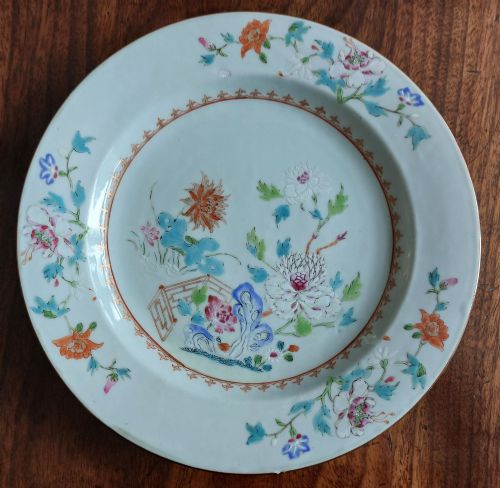
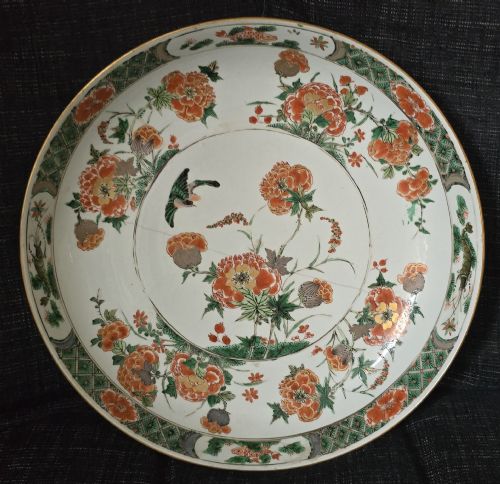
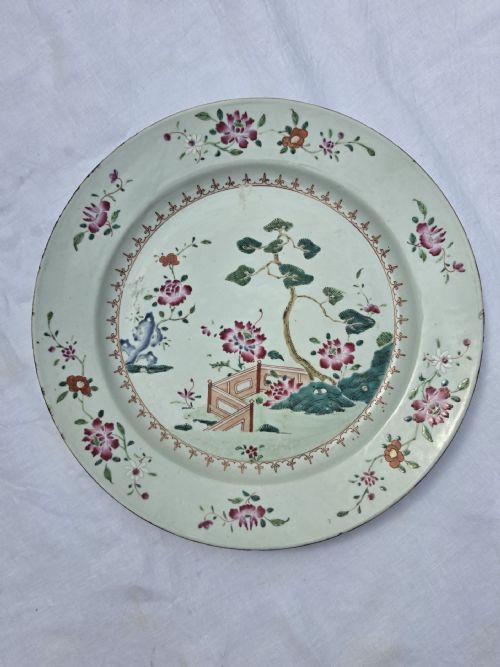
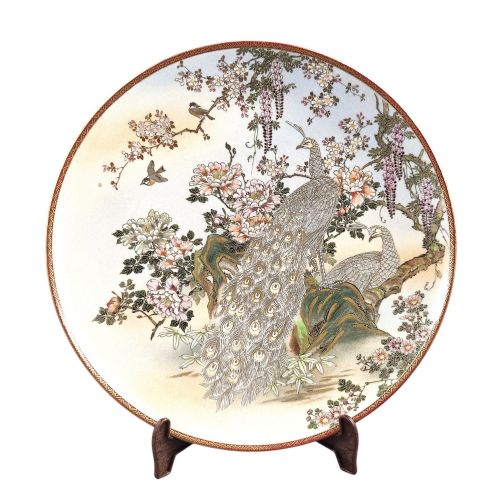
A polychrome porcelain wall charger is a large decorative plate intended primarily for display rather than dining. These pieces range from substantial nineteenth century examples to eighteenth century works, featuring prominently in Asian export wares and European porcelain traditions alike.
The selections available here lean heavily towards Japanese Imari and Chinese export styles, alongside European manufactories. Buyers encounter forms designated variously as decorative plates, charger plates, and cabinet plates across this inventory.
Origins span distinct historical periods including the Edo and Meiji eras, alongside Victorian and Edwardian European pieces. Each item provides a broad surface area specifically utilised by artisans to showcase complex pictorial and geometric designs.
How they were made
Makers shaped porcelain and earthenware bodies before applying underglaze cobalt and rich overglaze enamel colours. Many examples incorporate gold leaf, gilt, or gold gilt highlights to accentuate the painted motifs.
Techniques range from hand-painted brushwork to moriage relief decoration on Japanese Satsuma wares. Kiln firing fixed the mineral pigments and metallic accents permanently to the glazed ceramic surface.
Polychrome Porcelain Wall Charger Retail Price Guide 2026
Typical asking prices for polychrome porcelain wall charger among the pieces listed under this phrase on Sellingantiques today, from the lower quarter to the upper quarter. They describe what is for sale here now, not the wider market.
Listings include porcelain, earthenware, and ironstone materials decorated with enamel, gold leaf, and cobalt underglaze across various nineteenth century periods.
What varies in quality
Quality rests upon the precision and complexity of the hand-painted brushwork across the expansive surface. Finer examples display meticulous detail in pictorial scenes depicting birds, figures, or floral arrangements.
The application of gold leaf and the depth of the enamel palette distinguish superior pieces from simpler utilitarian production. Condition of the glaze and the crispness of the original firing complete the distinction.
Meissen·Mason·C.J. Mason·Shozo·Meizan
The Polychrome Porcelain Wall Charger Glossary
- Polychrome
- Decorated in several colours. This term describes ceramics utilising a diverse palette of overglaze enamels.
- Charger
- A large decorative plate. These wide vessels were designed for ceremonial display on walls or sideboards rather than everyday table use.
- Imari
- A style of Japanese export porcelain. Pieces typically feature a distinct palette of cobalt blue, iron red, and gold.
- Moriage
- A type of raised enamel decoration. Artisans applied slip in dots or lines to create a tactile surface texture on Japanese ceramics.
Polychrome Porcelain Wall Charger: Frequently Asked Questions
How do I hang a wall charger safely?
Displaying a large plate requires a specialised spring-loaded wall hanger designed to distribute weight evenly around the rim without causing friction damage.
Ensure the mounting bracket is anchored securely into wall studs to support the substantial weight of porcelain or ironstone bodies safely.
Can I use these plates for serving food?
Most antique decorative plates and chargers feature delicate overglaze enamels and gold leaf that wear away with regular use and washing.
Historical pieces are intended for visual display and appreciation rather than practical dining purposes.
How do I identify a nineteenth century piece?
Nineteenth century examples often display specific stylistic traits associated with the Meiji period in Japan or Victorian and Edwardian eras in Europe.
Examining the foot ring, glaze characteristics, and any painted or impressed factory marks helps narrow down the production period.