






Japanese Floral Wall Platter
These heavy porcelain and enamel Japanese floral wall platters bring vibrant nineteenth-century craftsmanship directly onto the wall.
Japanese Floral Wall Platter
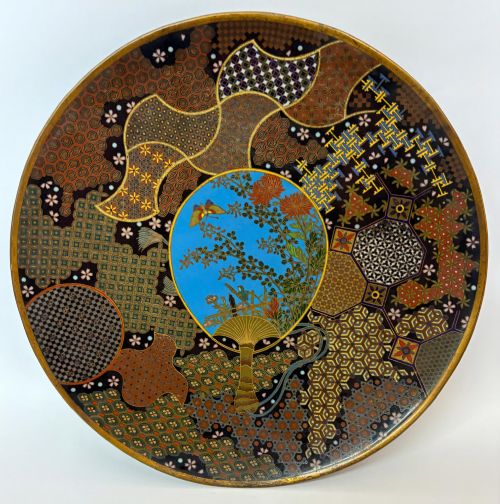
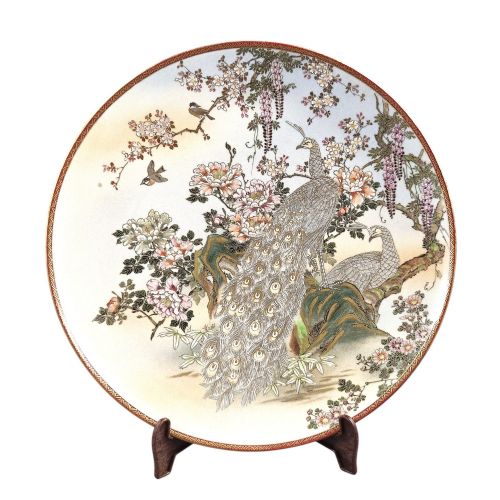
A Japanese floral wall platter typically takes the form of a large decorative charger or plate created for display rather than dining. The pieces seen on this page span the Edo and Meiji periods, stretching back towards the late seventeenth century while centring heavily on the nineteenth century.
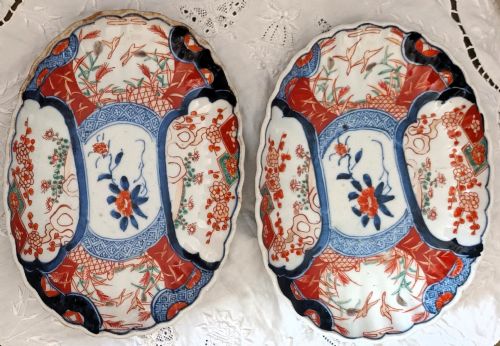
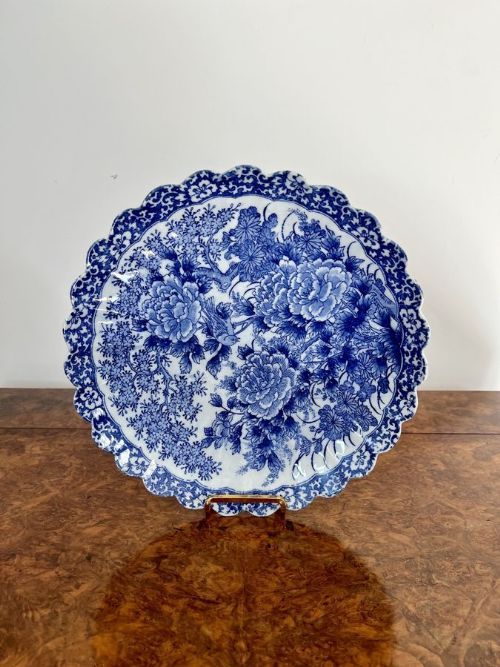
Most examples belong to the Imari or Arita traditions, alongside intricate cloisonné enamel work. Buyers encounter large round or scalloped dishes painted with chrysanthemums, peonies, and birds, designed with sufficient scale and weight to anchor a room.
The forms range from standard circular chargers to square and oval plates, all intended for prominent vertical display. These pieces merge utilitarian ceramic roots with pure decorative ambition.
Judging Quality
Quality rests upon the precision of the brushwork and the complexity of the design, distinguishing standard export items from true masterworks. Crisp cobalt underglaze, well-defined cloisonné wirework, and rich application of gold leaf separate ordinary production from superior examples.
The density and harmony of the floral composition dictate visual success, with finer pieces balancing crowded motifs with disciplined spacing. Surface preservation of the delicate enamel and glaze directly impacts the overall standing of the platter.
A stoic frog occasionally shares a cloisonné field with blooming chrysanthemums and fluttering butterflies.
The Japanese Floral Wall Platter Glossary
- Imari
- A style of Japanese porcelain featuring a distinctive palette of cobalt blue, iron red, and gold. It originated in Arita and became widely exported to Europe.
- Charger
- A large decorative plate intended for display on a wall, sideboard, or table rather than for serving food. These pieces measure significantly larger than standard dining plates.
- Cloisonne
- A decorative metalwork technique where thin metal wires are soldered to a base to form cells, which are then filled with enamel paste and fired. This method creates intricate pictorial surfaces on copper plates.
- Meiji Period
- The era in Japanese history spanning from eighteen sixty-eight to nineteen twelve, known for opening trade with the West and producing highly detailed decorative arts.
- Arita
- The Japanese town and surrounding region famous for being the cradle of porcelain production in the country. Arita wares supplied domestic markets and international export channels alike.
Japanese Floral Wall Platter: Frequently Asked Questions
How were these large platters displayed originally?
Large chargers were traditionally placed on sideboard stands or hung directly on walls using specialised wire hangers. Their substantial weight required sturdy mounting to ensure safe vertical display.
In Japanese interiors, specific alcoves known as tokonoma highlighted prized ceramics, whereas European collectors preferred mounting them on panelled walls alongside other decorative arts.
What is the difference between Imari and Arita ware?
Arita refers to the geographical production centre in Japan where the porcelain body was actually fired. Imari is the port city from which these ceramics were shipped, becoming synonymous with the blue, red, and gold style.
All Imari is a form of Arita ware, but not all Arita carries the specific three-colour palette associated with Imari decoration.
How do I date a Meiji period piece?
Dating relies on stylistic markers, manufacturing techniques, and occasionally workshop signatures found on the reverse of the plate. The Meiji period covers the late nineteenth and early twentieth centuries.
Earlier pieces from the Edo period often display heavier potting and deeper cobalt tones, whereas later Meiji items frequently exhibit extreme precision in enamel and gilt work.
Can these wall platters be hung securely today?
Modern spring-loaded brass wall hangers safely support the weight of heavy ceramic and cloisonné chargers. The hanger must match the precise diameter and rim depth of the specific plate.
Professional framing or custom-built metal display brackets provide additional security for exceptionally large or valuable chargers.