




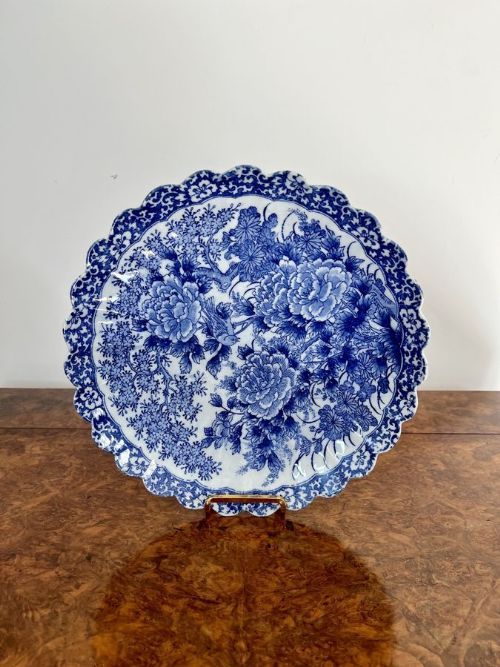


Imari Ware Porcelain Plate
An imari ware porcelain plate brings vibrant palettes and historic craftsmanship into a room.
Imari Ware Porcelain Plate
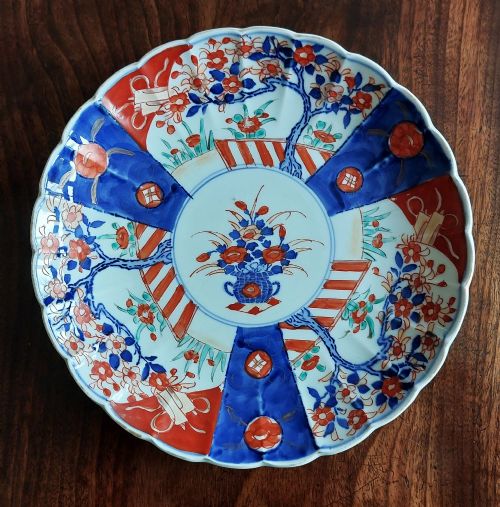
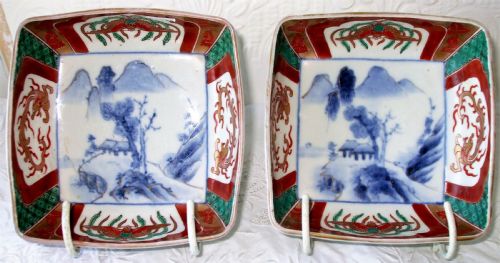
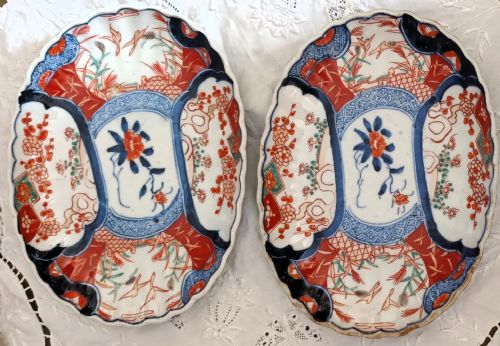
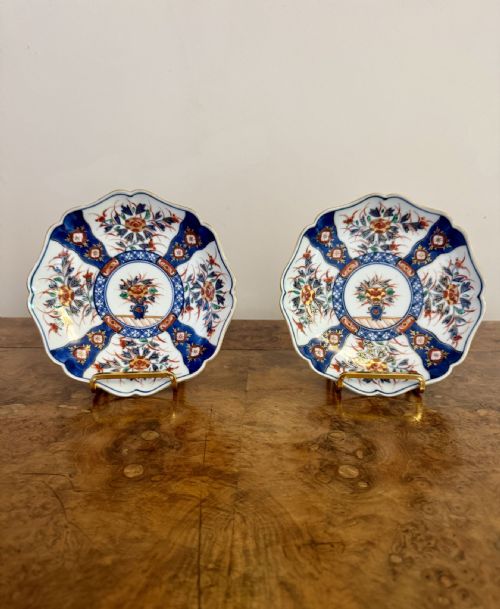
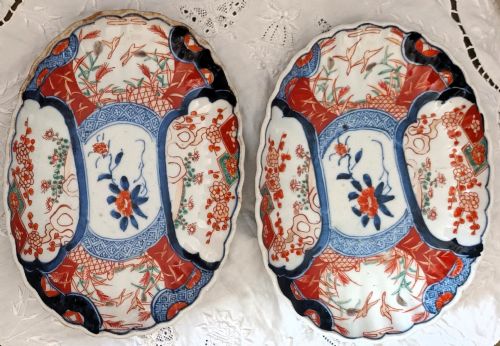
When you search for an imari ware porcelain plate, you encounter decorative porcelain items originating from Japan across several historic eras. These pieces include circular plates, large chargers, oval dishes, and square or hexagonal variants.
The selections span from the 17th century through the Meiji period and into the early 20th century. The most common format met here is the decorative plate or charger from the late 19th century and around 1900, often featuring traditional shapes and patterns.
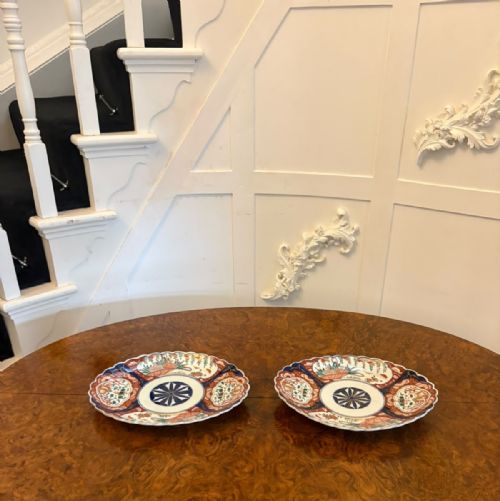
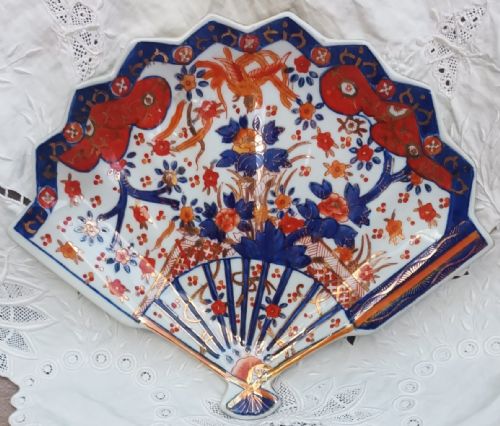
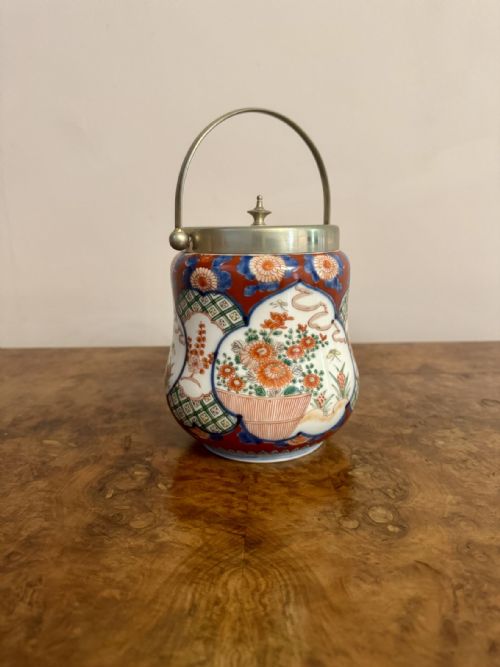
Makers produced various specialised forms beyond standard plates, such as biscuit barrels, clam shell dishes, and fan-shaped dishes. Buyers encounter both individual items and matched pairs or larger sets.
Materials and Techniques
Potters utilised porcelain clay as the primary medium, applying cobalt glaze for deep blue underglaze decoration alongside detailed enamel glazes in colours such as red and orange.
Artisans incorporated gold leaf, gilt, and gilding to highlight specific areas of the hand-painted floral and bird designs, adding rich metallic contrast to the fired surfaces.
Listings span from the 17th century through the Edo and Meiji periods up to 1920, utilising porcelain, cobalt glaze, enamel, and gold leaf.
Judging Quality and Execution
The distinction between standard examples and the finest pieces rests on the precision of the hand-painted brushwork and the complexity of the floral or bird designs. Superior items display meticulous control in the cobalt glaze and enamel work.
Form and geometry also set examples apart, with square, hexagonal, fan-shaped, and scalloped edges demonstrating greater skill from the potter than simple circular geometry.
The Imari Ware Porcelain Plate Glossary
- Imari
- Japanese porcelain decorated in underglaze blue, iron red, and gold, named after the port from which it was shipped to Europe. This traditional palette defines the aesthetic of these plates.
- Charger
- A large decorative plate utilised historically for presentation or display rather than dining. These substantial pieces often form the centrepiece of a collection.
- Meiji Period
- The era in Japanese history spanning from 1868 to 1912, corresponding with many of the late 19th-century and early 20th-century items found here. Objects from this period frequently exhibit intricate hand-painted details.
- Arita
- The Japanese town and surrounding region in Hizen province where producers created the primary ceramic body for these wares. Arita works represent some of the earliest origins in the evidence.
- Biscuit Barrel
- A ceramic container fitted with a lid, designed originally for storing dry biscuits or crackers at the table. These uncommon forms apply typical imari decoration to utilitarian shapes.
Imari Ware Porcelain Plate: Frequently Asked Questions
How do I display an imari plate?
Display these plates on plate stands or mount them securely on walls to showcase their intricate hand-painted designs. Their striking cobalt blue and red palettes draw the eye in any room.
Ensure placement avoids direct, harsh sunlight to protect the enamel glazes and gold leaf accents over decades of display.
Can I use these plates for dining?
These decorative plates and chargers serve primarily as display items and historic works of art rather than everyday tableware. Their age and delicate enamel or gilt surfaces warrant careful handling.
Keep them away from dishwashers and abrasive cleaning materials to preserve the integrity of the original glaze and painted details.
How do I date an imari plate?
Examine the stylistic traits, potting characteristics, and any associated period markers like Meiji period designations or 18th-century Edo period origins. Earlier pieces from the 17th century often show distinct Arita or Hizen characteristics.
Compare the complexity of the cobalt glaze and the application of gold leaf against known examples from matching production eras.
What is the difference between a plate and a charger?
A charger is a substantially larger decorative dish, typically intended for grand display on a wall, cabinet, or sideboard. Standard plates are smaller and suited for table or shelf presentation.
Both formats utilise similar enamel and cobalt glaze techniques, but chargers provide a wider canvas for complex floral and bird compositions.