


Japanese Figural Porcelain
Japanese figural porcelain brings hand-painted scenes and glazed ceramic forms from the Meiji period and other eras straight into your home.
Japanese Figural Porcelain
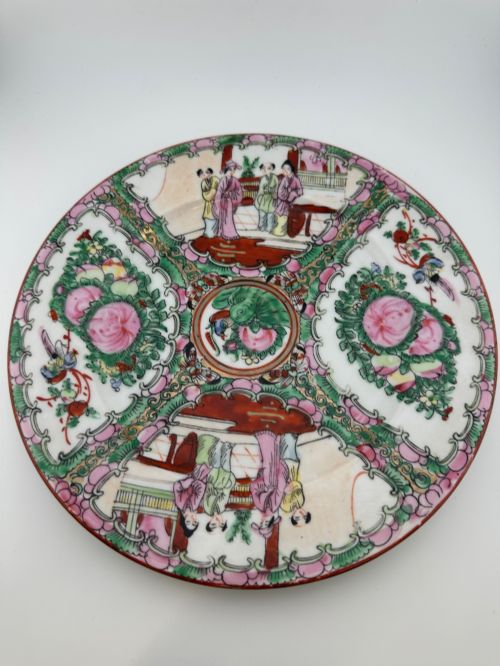
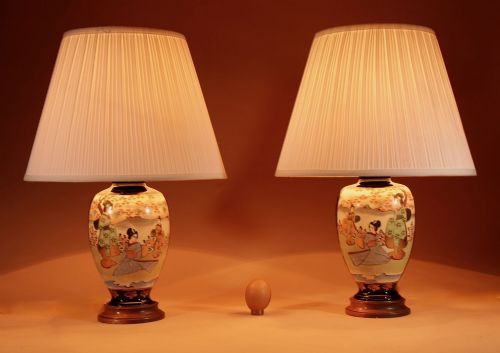
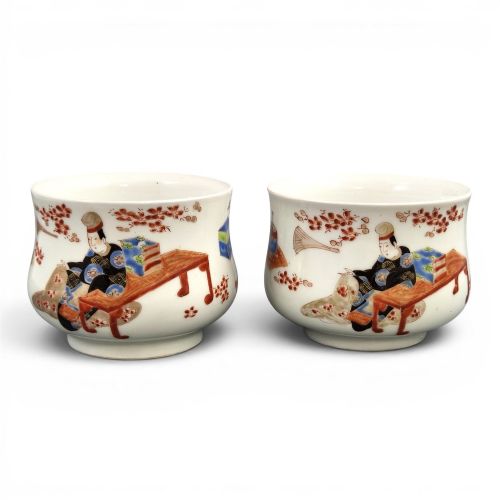
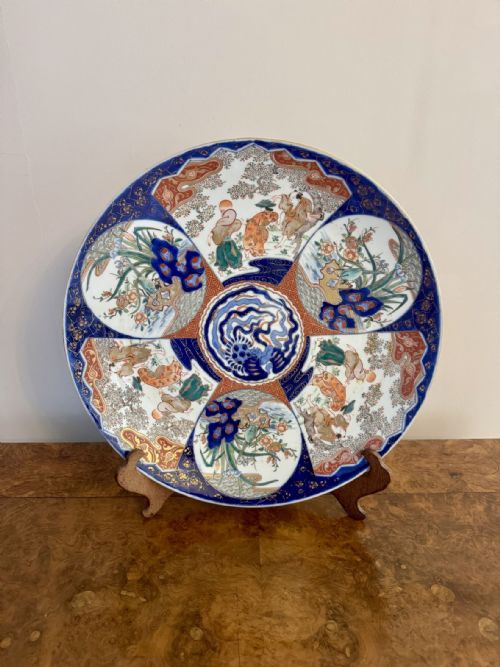
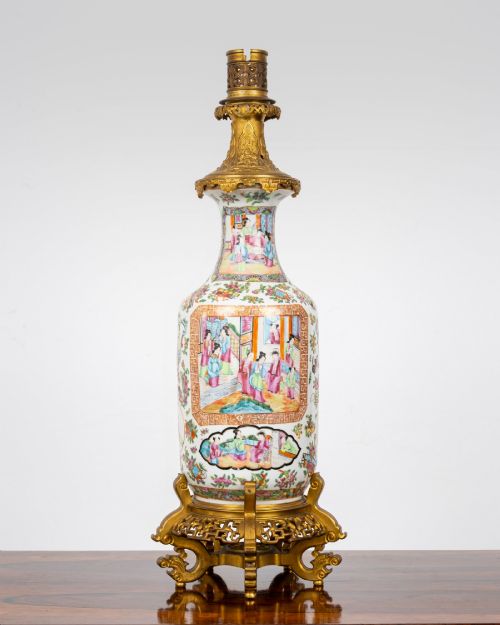
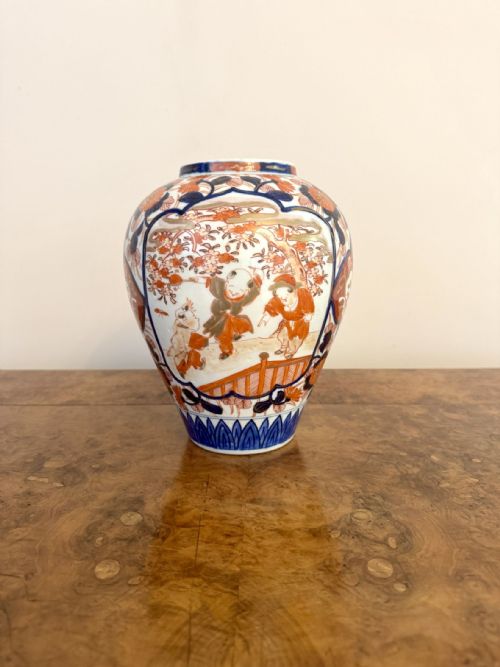
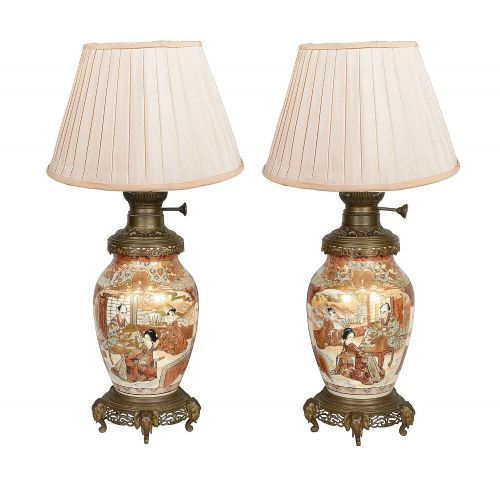
When you search for japanese figural porcelain, you encounter a variety of decorative objects, from vases and bowls to table lamps and censers. The most common pieces on this page stem from the Meiji period and the nineteenth century, often reflecting distinct regional styles.
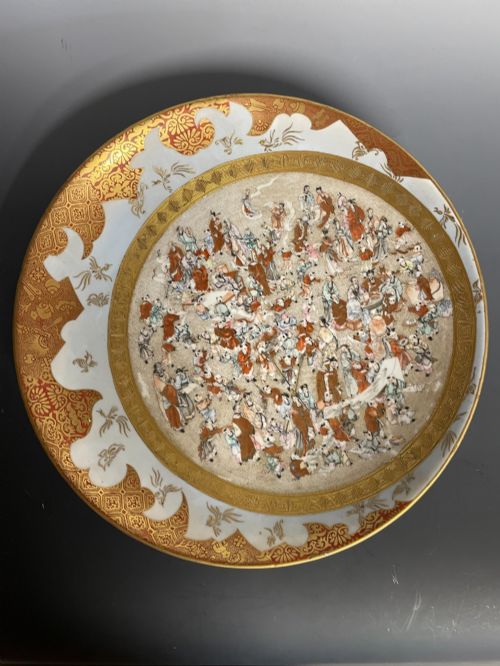
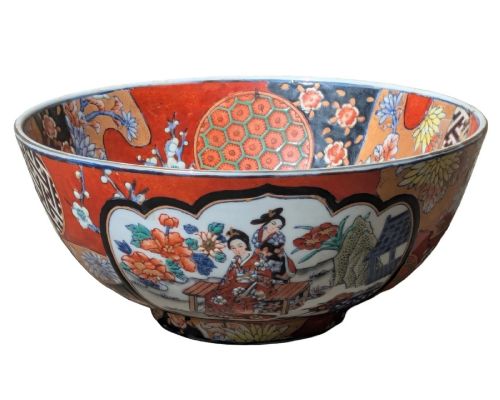
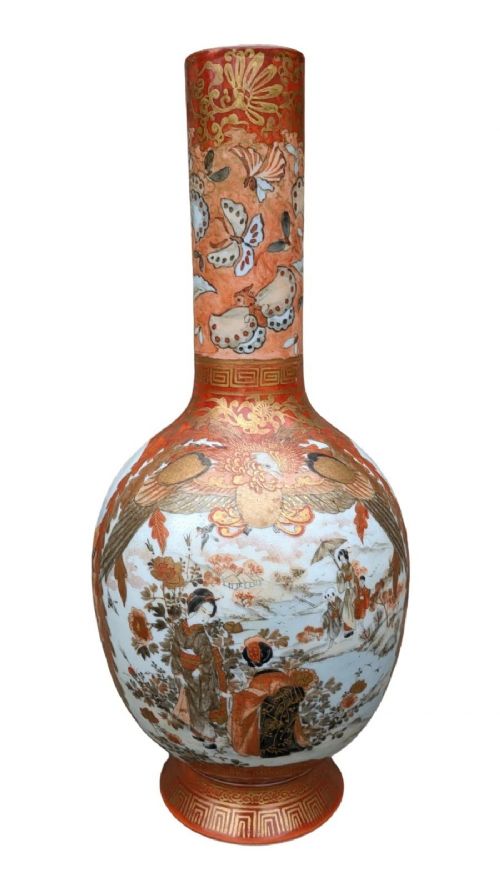
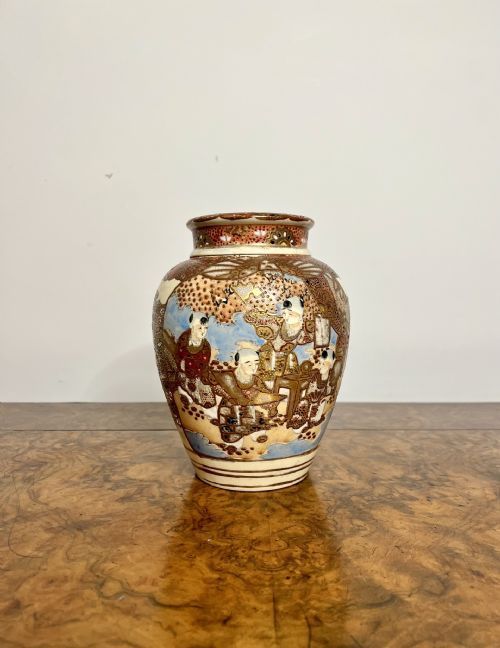
The selection ranges from Kutani dishes and Imari chargers to Satsuma lidded jars and miniature vessels. Many items depict detailed human processions or traditional motifs executed with fine hand painting.
Originating primarily from historic Japanese kilns, these ceramics showcase the skill of potters working across different centuries, including early examples from the seventeenth century alongside later productions.
How they were made
Makers shaped porcelain and earthenware bodies by hand or on the wheel before applying detailed polychrome enamel designs. Artisans frequently added gold leaf, gilt, and raised moriage decoration to accentuate the painted figural scenes.
Certain pieces received specialised bronze mounts or wooden stands to complete the decorative composition. Kiln techniques evolved across the nineteenth and twentieth centuries, refining the clarity of the porcelain and the durability of the glazes.
Listings feature porcelain, earthenware, enamel, gold leaf, gilt, and gilt bronze across multiple centuries.
What varies in quality
The refinement of the hand painting sets apart the finest pieces, particularly where facial expressions and robes in figural processions are rendered with precision. The complexity of the gilt work and the crispness of the enamel application also indicate superior craftsmanship.
Artist signatures and specific factory marks, such as those associated with Kinkozan or Chosei, elevate a piece's standing. Additionally, the preservation of original mounts, lids, and stands contributes to the overall integrity of the object.
Kinkozan·Chosei
The Japanese Figural Porcelain Glossary
- Satsuma
- A type of earthenware with a fine crackle glaze, typically decorated with intricate polychrome and gilt designs. It is frequently seen on vases, jars, and table lamps from the Meiji period.
- Imari
- A traditional style of Japanese porcelain featuring a distinct palette of underglaze blue and iron red, often highlighted with gold. These wares include bowls, chargers, and plates.
- Kutani
- A style of Japanese ceramics known for bold colour palettes, detailed figural work, and complex geometric borders. Pieces often include chargers, censers, and vases.
- Moriage
- A decorative ceramic technique using slip to create raised, textured patterns on the surface of the vessel. This technique often frames figural scenes on Kutani and Satsuma wares.
- Koro
- A traditional Japanese incense burner, usually fitted with a pierced cover to allow fragrance to escape. These incense burners appear in various ceramic styles.
- Takarabune
- A mythical treasure ship depicted in Japanese art, often carrying the Seven Gods of Good Fortune. This motif appears moulded or painted on censers and decorative objects.
Japanese Figural Porcelain: Frequently Asked Questions
How do I identify Satsuma ware?
Satsuma ware is generally recognised by its ivory-coloured earthenware body covered in a fine network of crackled glaze. The surface is typically adorned with detailed polychrome enamel paintings and generous amounts of gold leaf.
Many pieces feature figural scenes depicting historical processions, scholars, or court figures. Makers' signatures often appear on the base, providing further clues to their origin.
What is the difference between Imari and Kutani?
Imari porcelain relies on a characteristic palette combining underglaze cobalt blue with rust-red enamel and gold highlights. The patterns frequently incorporate floral and brocade motifs across plates, bowls, and vases.
Kutani ceramics utilise a broader and bolder range of colours, often focusing heavily on figural narratives and textured moriage details. These wares are commonly found in the form of chargers, censers, and decorative jars.
Were these pieces made for export?
A large proportion of nineteenth-century Japanese ceramics, particularly Meiji period Satsuma and Kutani, was produced specifically for the Western export market. International exhibitions during this era fueled a strong demand in Europe and America for decorative Japanese works.
This export trade influenced the scale and ornamentation of vases, lamps, and chargers to suit foreign tastes while retaining traditional manufacturing techniques.
How should I care for antique porcelain?
Antique porcelain and earthenware require gentle handling to preserve delicate enamel and gilt decoration. Dusting with a soft, dry cloth is usually sufficient for routine maintenance.
Keep pieces away from direct sunlight to prevent fading of the pigments, and avoid using liquid cleaners or abrasive materials on the glazed surfaces.